Artwork
Mount Olympus, Lake St Clair, Tasmania, the source ...
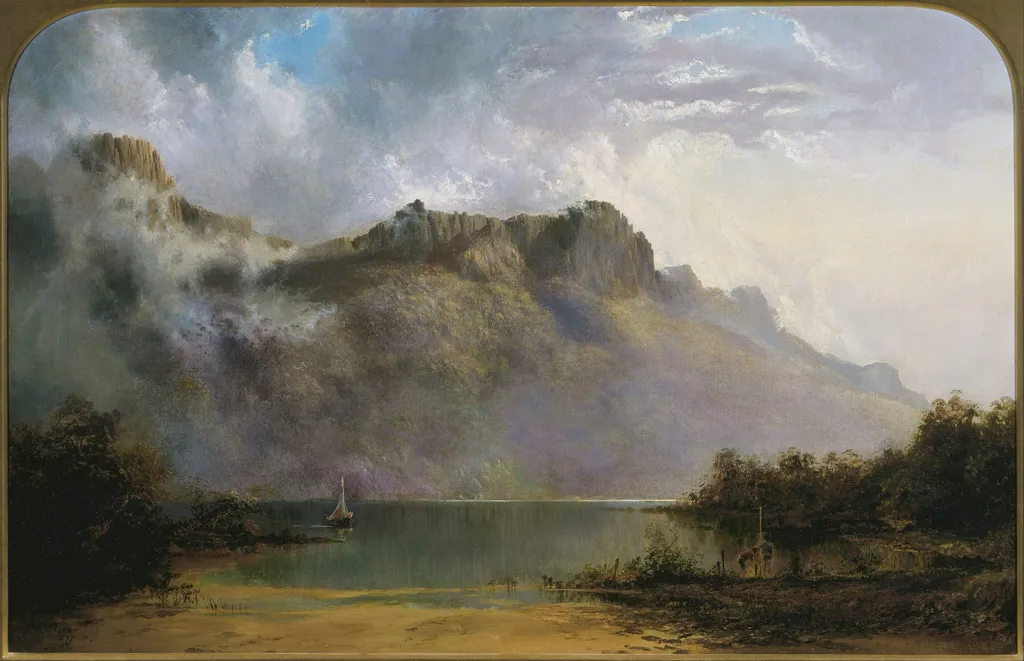
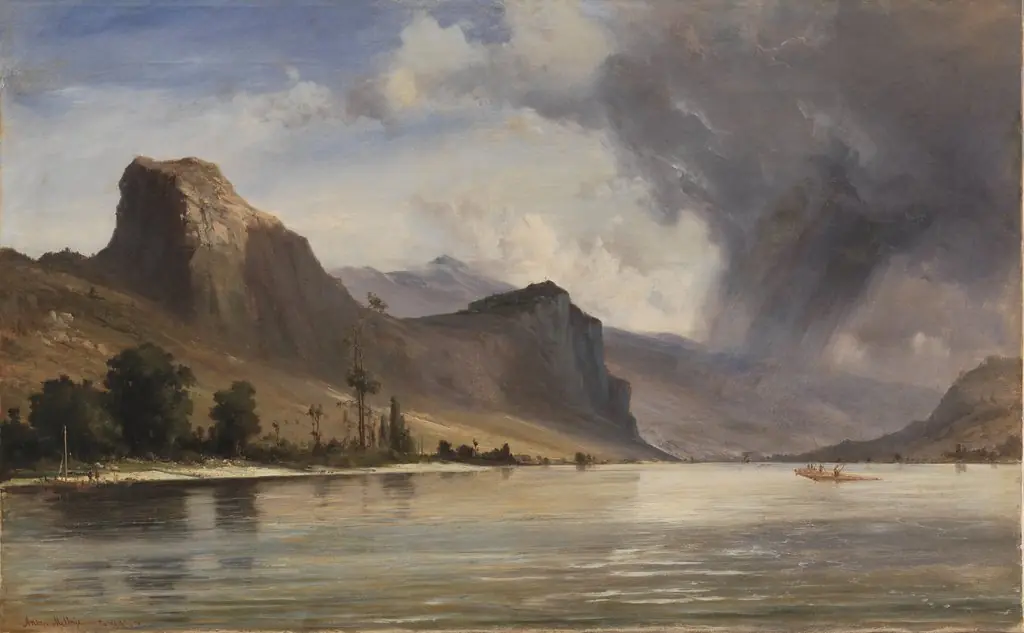
Mount Olympus, Lake St Clair, Tasmania, the source ... is an oil painting by the Impressionist artist William Piguenit. It dates from 1875 and is held in the collection of the Art Gallery of New South Wales.
About this work
Overview
William Piguenit’s 1875 oil on canvas, titled Mount Olympus, Lake St Clair, Tasmania, the source …, presents a tranquil Tasmanian landscape. The composition balances a distant, craggy peak with the placid waters of Lake St Clair in the foreground, inviting the viewer into a quiet natural setting.
Subject & Meaning
The work captures the iconic view of Lake St Clair framed by Mount Olympus, a landmark of the Tasmanian wilderness. By including a small boat on the lake, Piguenit hints at human interaction with the environment, suggesting both the serenity of the scene and the modest presence of people within it.
Technique & Style
Executed in oil, the painting employs chiaroscuro to model the mountain’s rugged forms against a sky mottled with clouds and patches of blue. Subtle gradations of light create atmospheric depth, while the reflective surface of the lake mirrors the surrounding foliage, reinforcing a sense of three‑dimensional space.
History & Provenance
Created in 1875, the canvas entered the collection of the Art Gallery of New South Wales, where it remains on display. Its acquisition reflects the gallery’s early commitment to documenting Australian landscapes through the work of pioneering artists such as Piguenit.
Context
Piguenit was among the first Australian painters to travel extensively in Tasmania, documenting its remote scenery for a growing colonial audience. This painting aligns with mid‑19th‑century interests in natural history and exploration, offering a visual record of a region then largely unknown to European settlers.
Artist & collection

 Coastal Landscape with Mountains. A Storm Brewing
 Coastal Landscape with Mountains. A Storm Brewing
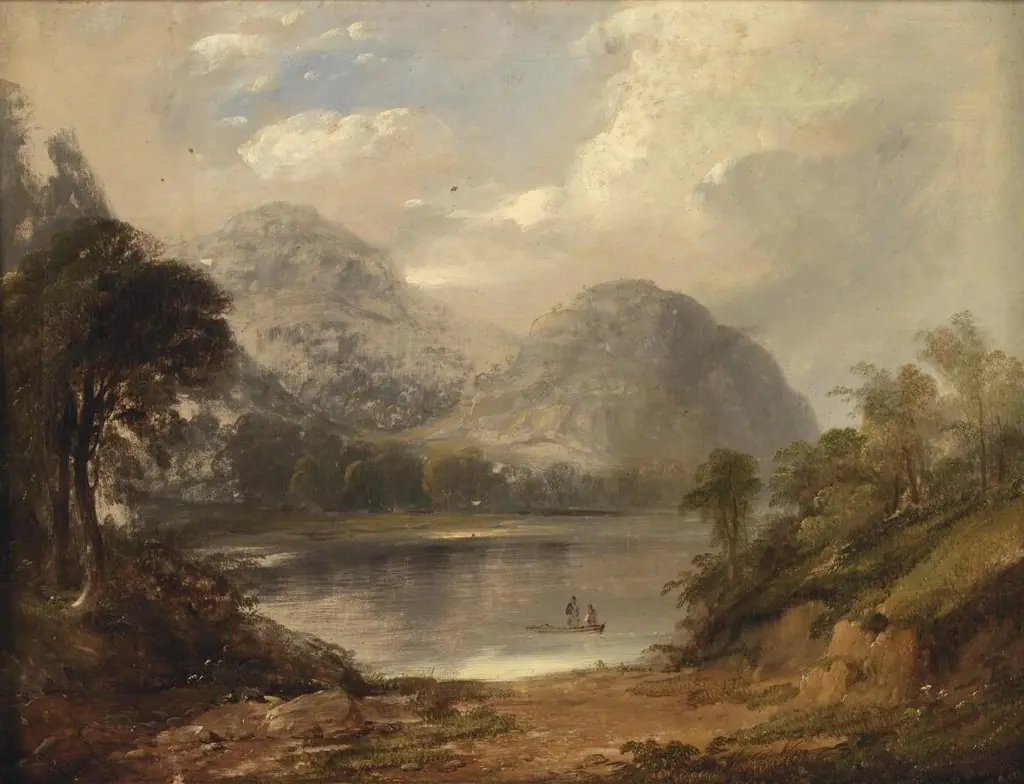 North Wales Landscape, Llanberis
 View of Saleve, near Geneva
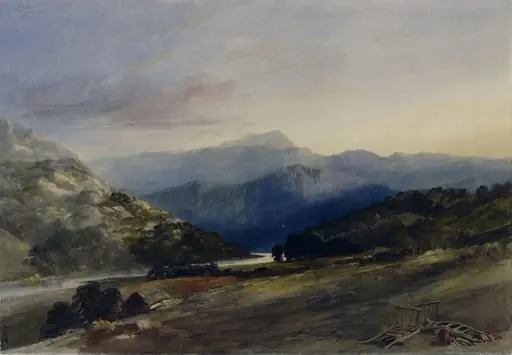 Welsh landscape
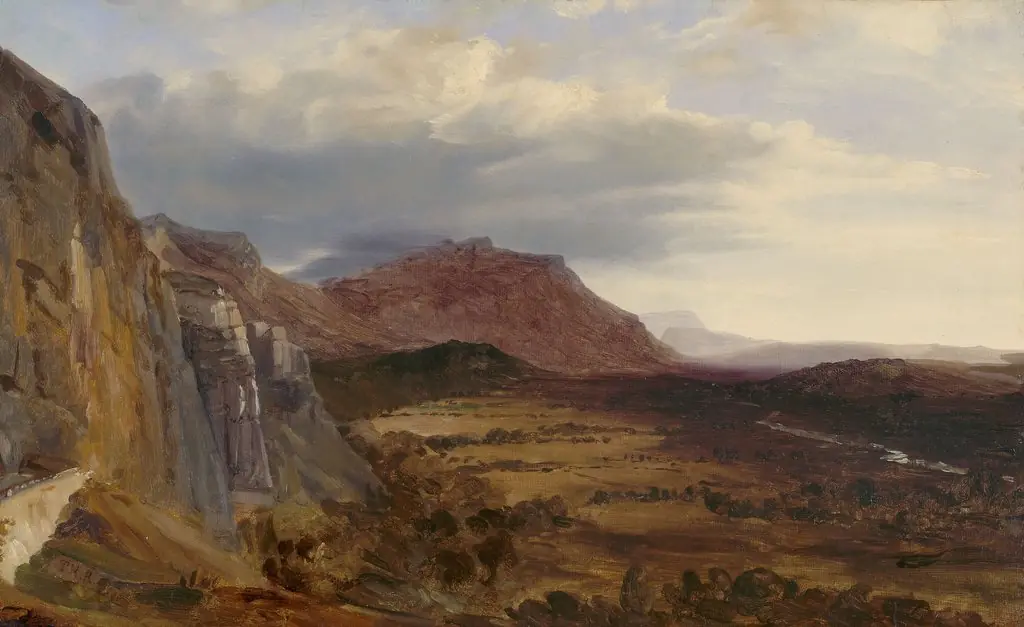 View of Saleve, near Geneva
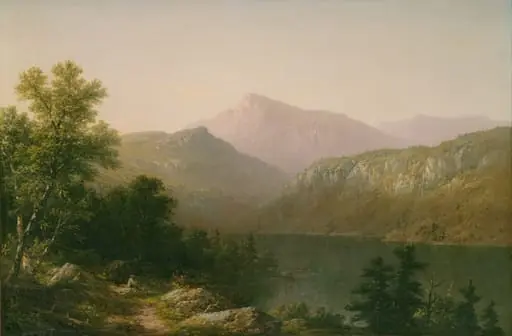 View on Lake George
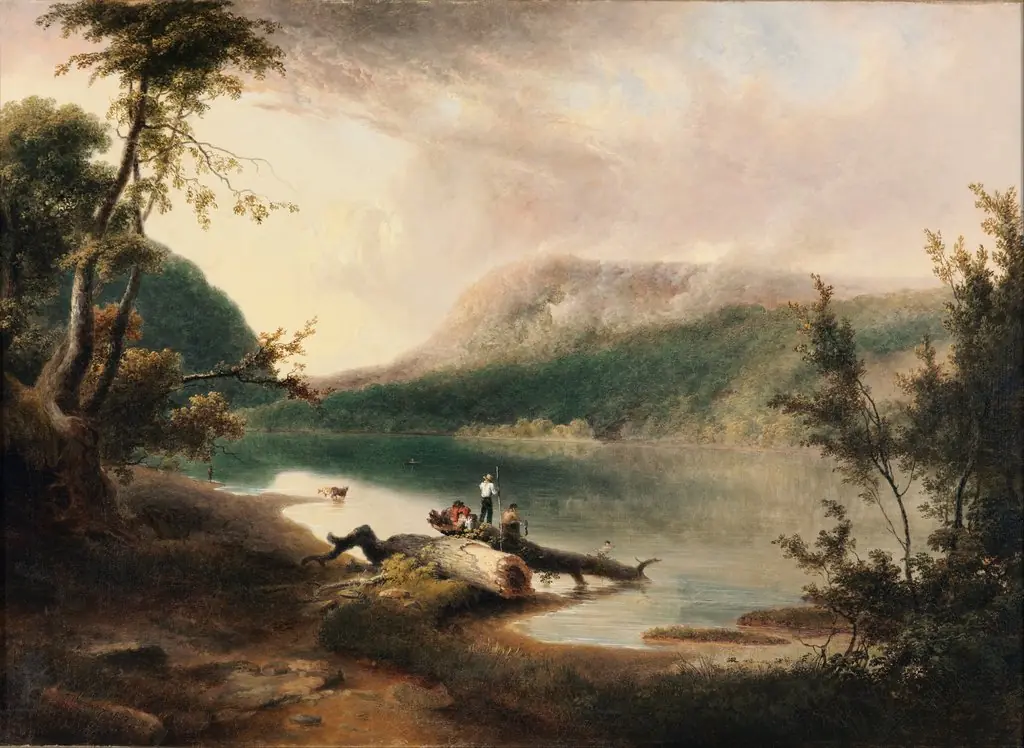 Delaware Water Gap
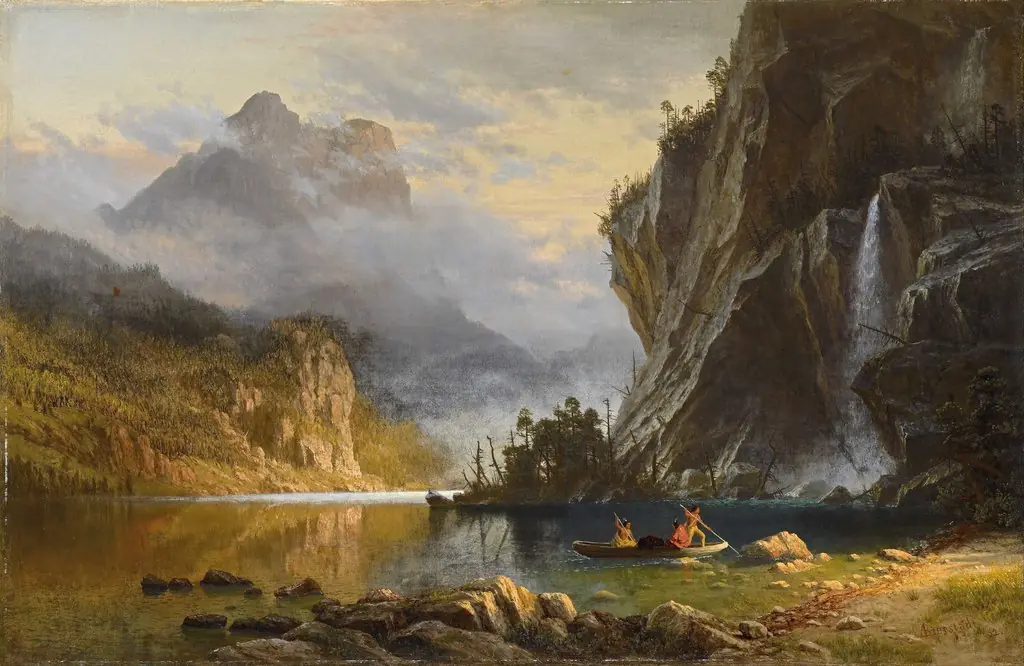 Indians Spear Fishing
 Barmouth Estuary, with Cader Idris in the distance
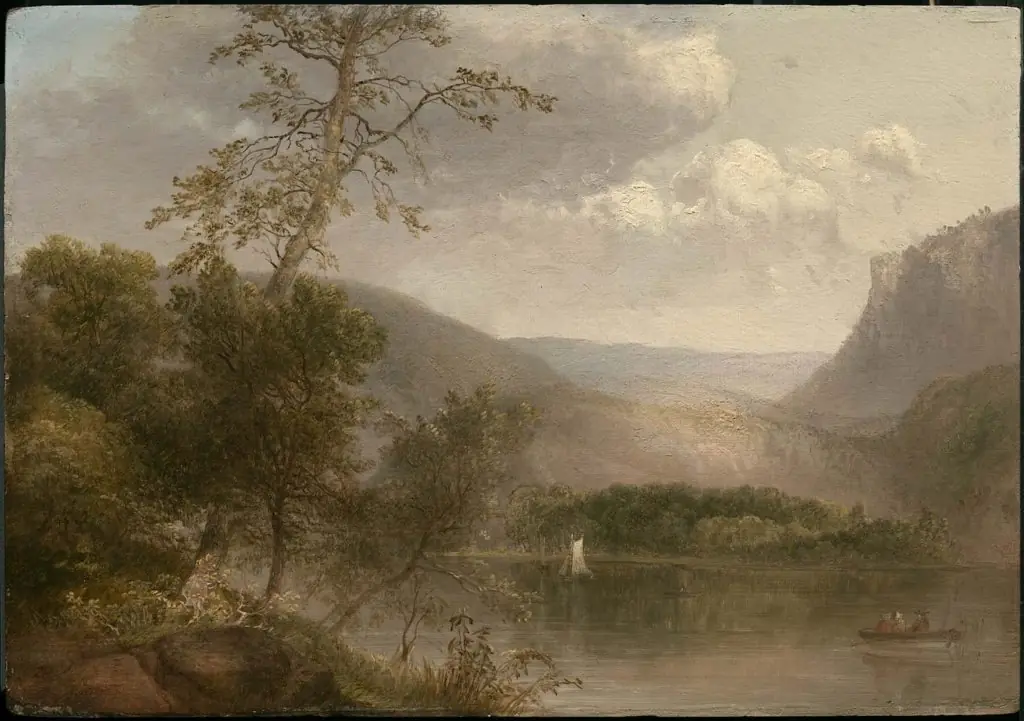 View on a New Hampshire Lake
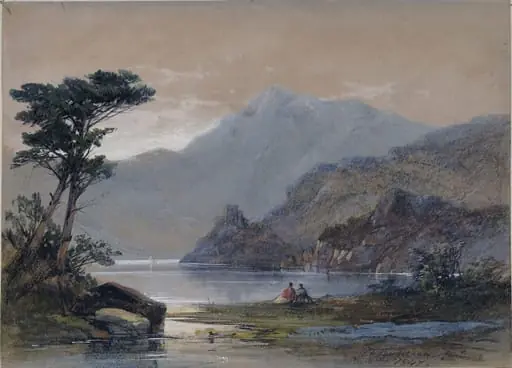 Lake Scenery