Artwork
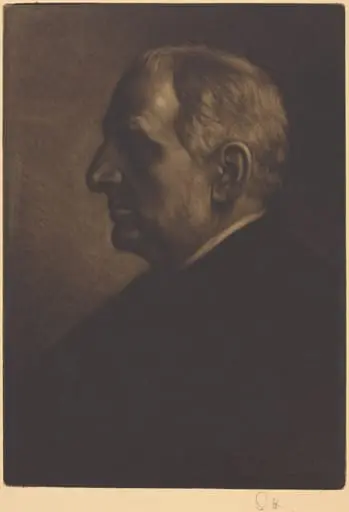
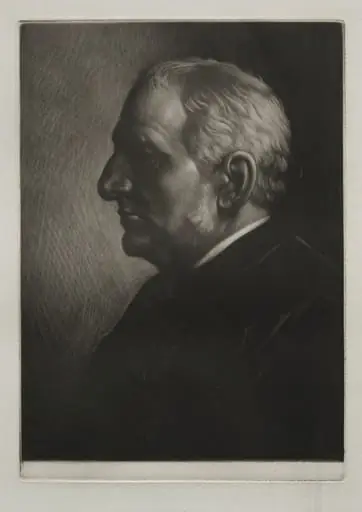
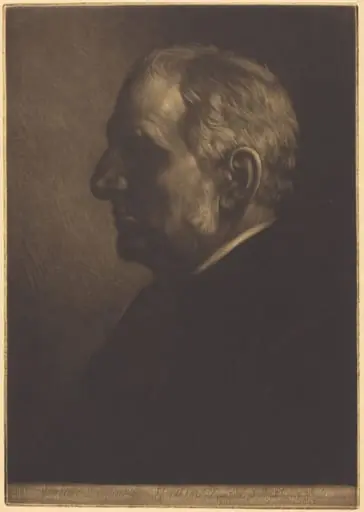
Sir Francis Seymour Haden
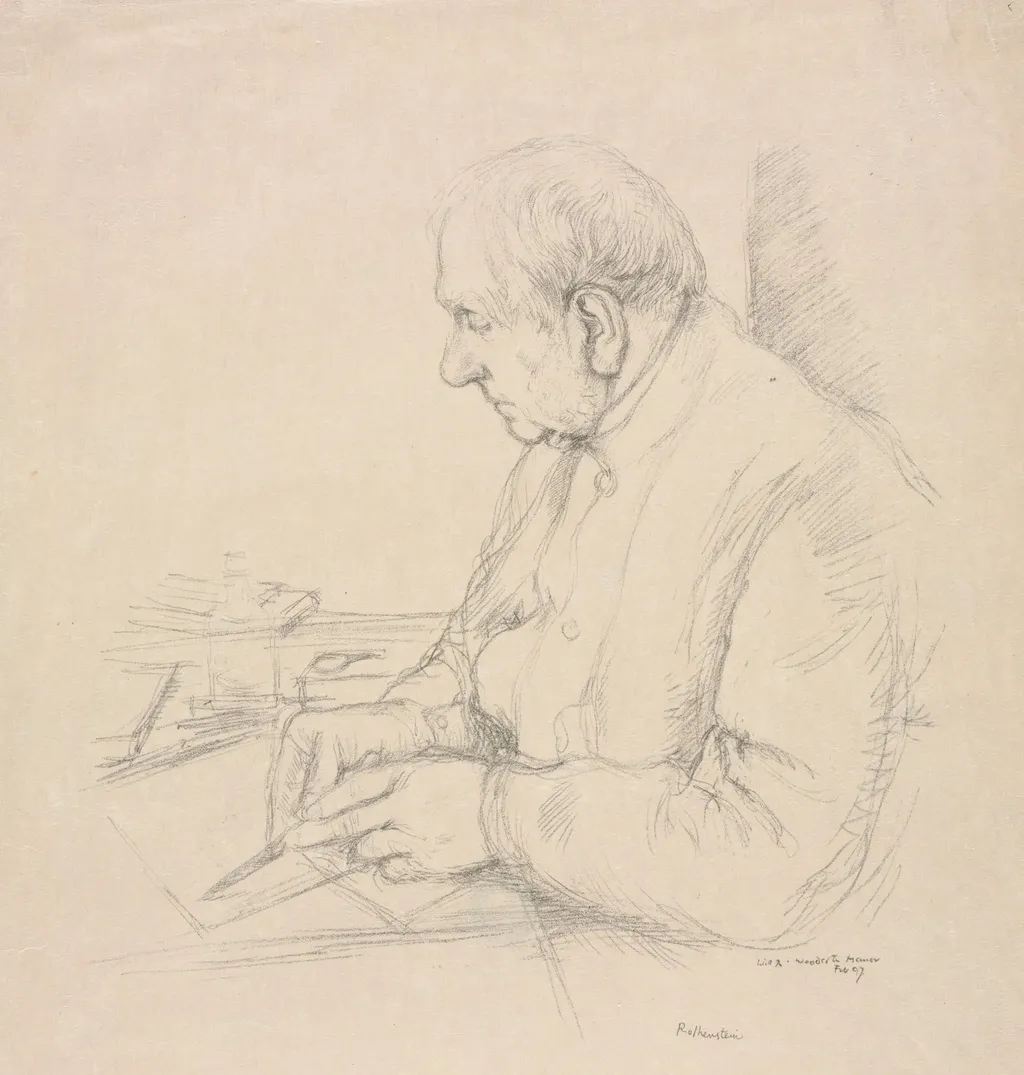
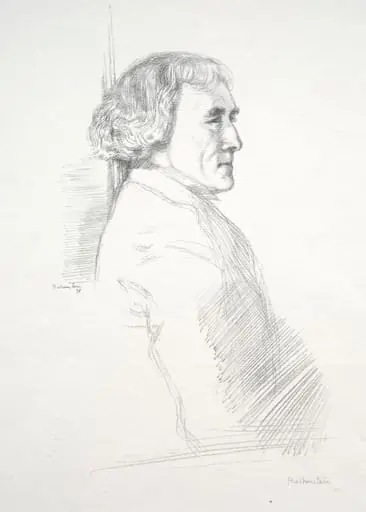
Sir Francis Seymour Haden is a print by the Impressionist artist William Rothenstein. It dates from 1897 and is held in the collection of the Cleveland Museum of Art.
About this work
Overview
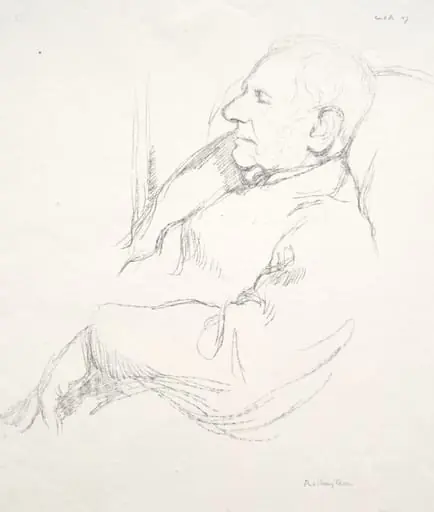
Created in 1897 by William Rothenstein, this ink drawing depicts Sir Francis Seymour Haden, a British surgeon and printmaker. Rendered in rapid, unrefined strokes, the portrait captures a quiet, contemplative moment. The work is held in the collection of The Cleveland Museum of Art and exemplifies Rothenstein’s interest in spontaneous, intimate portraiture over formal idealization.
Subject & Meaning
Sir Francis Seymour Haden was a respected figure in the art world, known for his etchings and advocacy of printmaking as a fine art. Rothenstein portrays him not as a public icon but as a private individual—aged, composed, and introspective. The downward tilt of the head and relaxed posture suggest reflection, emphasizing character over status or achievement.
Technique & Style
Rothenstein employed quick, gestural ink lines with minimal correction, allowing the drawing to retain the energy of its initial execution. The roughness of the strokes and the absence of polished shading reflect a deliberate embrace of immediacy. Faint, tentative marks behind the figure hint at a chair or surface, suggesting the sketch was made in situ without elaborate preparation.
History & Provenance
The drawing was made during Rothenstein’s period of close association with British artists and intellectuals. It entered The Cleveland Museum of Art’s collection in the 20th century, likely through a donation or acquisition focused on modern British graphic art. Its preservation reflects early 20th-century interest in the personal, informal side of artistic figures.
Context
In the late 19th century, artists increasingly valued direct observation and spontaneous expression over academic polish. Rothenstein’s approach aligns with broader trends in Realism and the growing appreciation for sketches as autonomous works. This portrait reflects a shift toward capturing the individual in unguarded moments, away from ceremonial representation.
Legacy
The drawing stands as an example of how portraiture evolved beyond formal likeness to convey psychological presence. Rothenstein’s method influenced later generations of artists who prioritized authenticity and process. Haden’s image, though unadorned, endures as a quiet testament to the value of candid observation in art.
Artist & collection
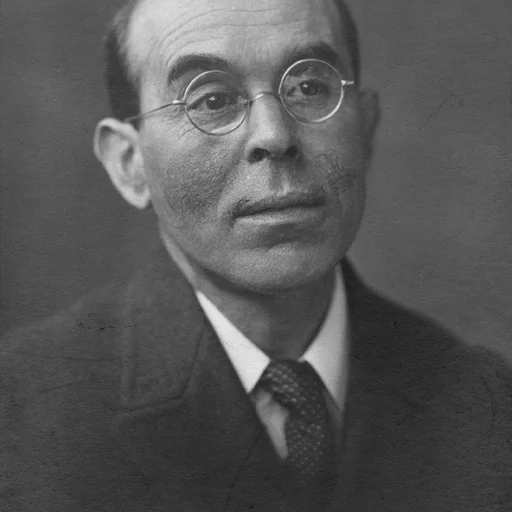
Artist
Sir William Rothenstein was an English painter, printmaker, draughtsman, lecturer, and writer on art.