Artwork
Peonies
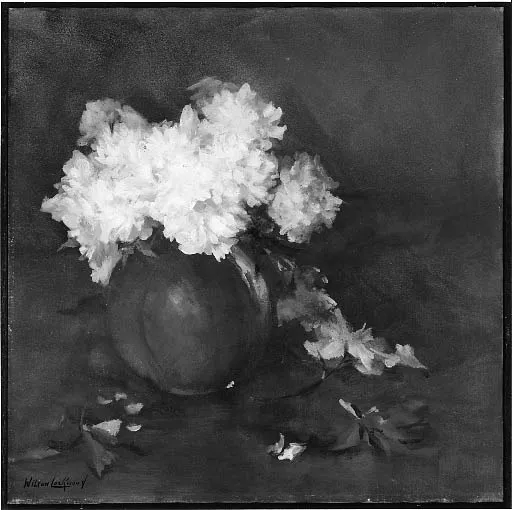
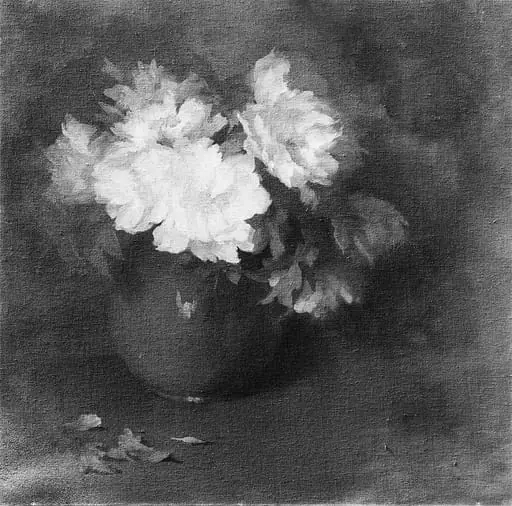
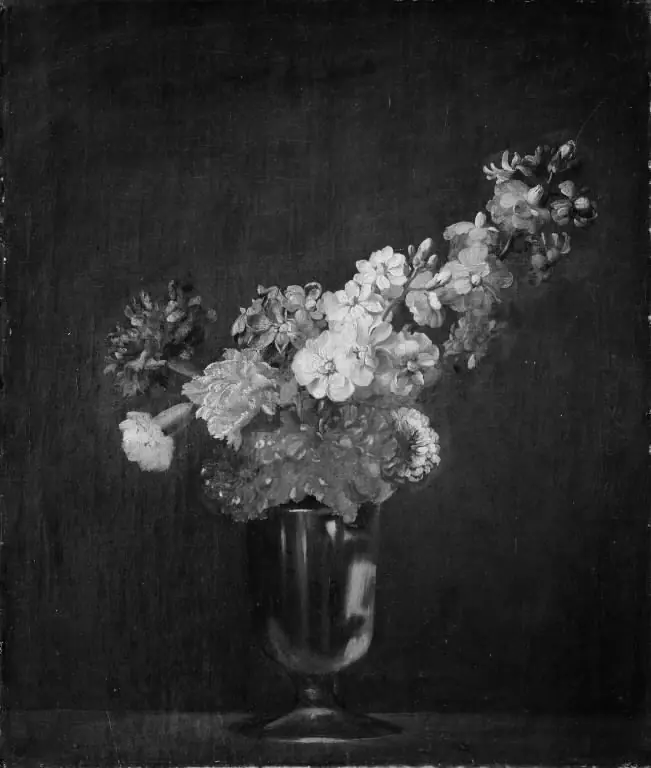
Peonies is an oil painting by the Impressionist artist Wilton Lockwood. It dates from 1910 and is held in the collection of the Museum of Fine Arts Boston.
About this work
Overview
Wilton Lockwood, an American painter active in the early 20th century, created *Peonies* in 1910 as an oil on canvas still life.
Wilton Lockwood, an American painter active in the early 20th century, created *Peonies* in 1910 as an oil on canvas still life. The work belongs to the Museum of Fine Arts, Boston’s collection and reflects the artist’s interest in quiet, natural subjects. Though not a leading figure of the Impressionist movement, Lockwood’s approach to light and form aligns with its sensibilities, particularly in his attention to transient visual effects.
Subject & Meaning
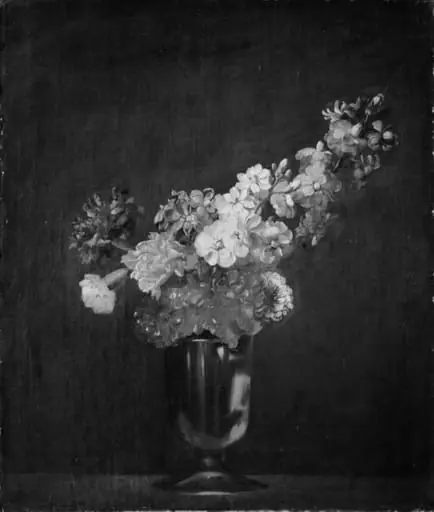
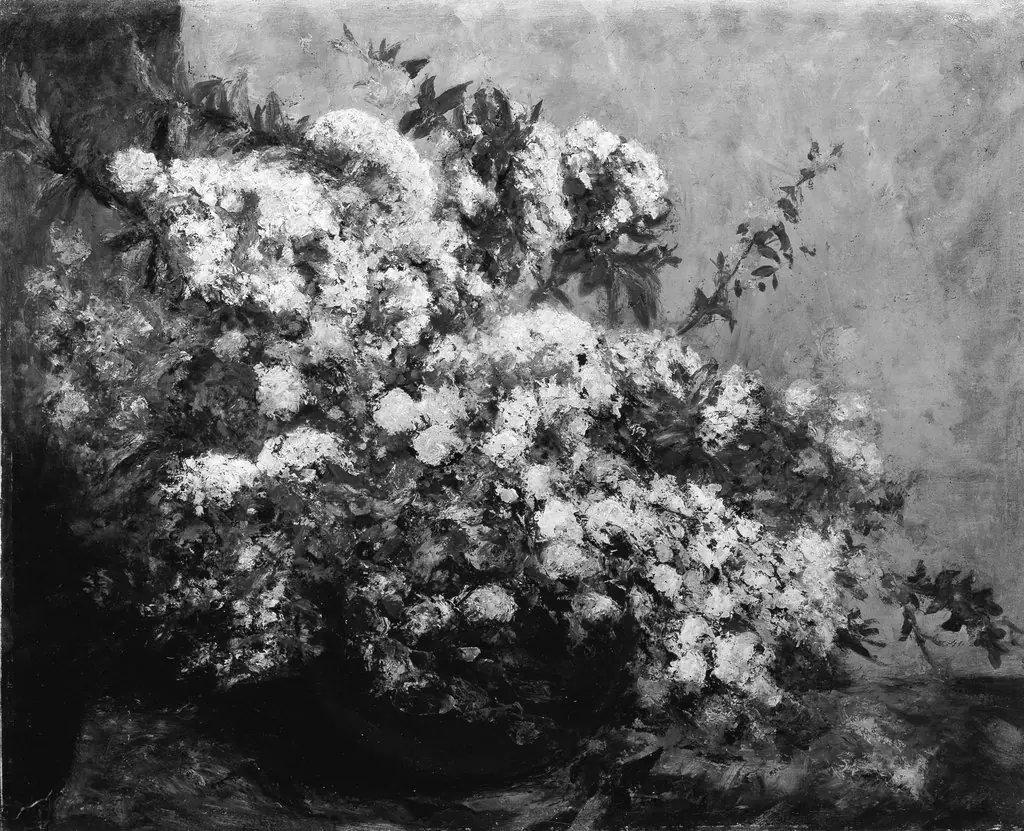
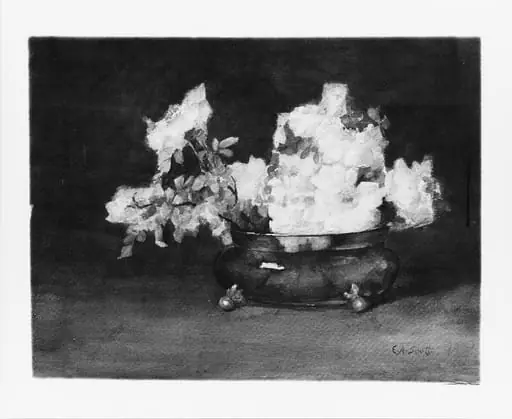
The painting centers on a vase of white peonies, rendered in varying stages of openness—from tight buds to fully unfurled blooms with gently sagging petals. The absence of context or human presence invites contemplation of the flowers’ ephemeral beauty. Their quiet decay, suggested by drooping forms, evokes a subdued meditation on transience, common in still-life traditions without overt symbolism.
Technique & Style
Lockwood employed smooth, deliberate brushwork to model the petals and leaves, avoiding the broken strokes typical of French Impressionism. The dark background enhances the luminosity of the white flowers, creating contrast that emphasizes volume and texture. Subtle shifts in tone, rather than vivid color, define form, reflecting a restrained, tonal approach rooted in academic training and influenced by late 19th-century American realism.
History & Provenance
Painted in 1910, *Peonies* entered the Museum of Fine Arts, Boston’s collection through documented acquisition, though its early ownership history remains unrecorded. Lockwood, primarily known for portraits and domestic scenes, produced few still lifes, making this work a rare example of his engagement with floral subjects. Its preservation in a major institution underscores its significance within his oeuvre.
Context
In early 20th-century America, still-life painting was gaining renewed interest among artists seeking to explore formal qualities beyond narrative. Lockwood’s *Peonies* fits within this trend, aligning with contemporaries who favored intimate, contemplative subjects. While European Impressionism influenced American painters, Lockwood’s style remained more subdued, reflecting a domestic, introspective aesthetic common among regional artists of the period.
Legacy
Though Wilton Lockwood is not widely recognized today, *Peonies* endures as a representative example of early American tonal still life. Its inclusion in the Museum of Fine Arts, Boston, ensures continued scholarly attention. The painting contributes to broader understandings of how American artists adapted European techniques to express quiet, personal observations of nature during a period of artistic transition.
Artist & collection

Artist
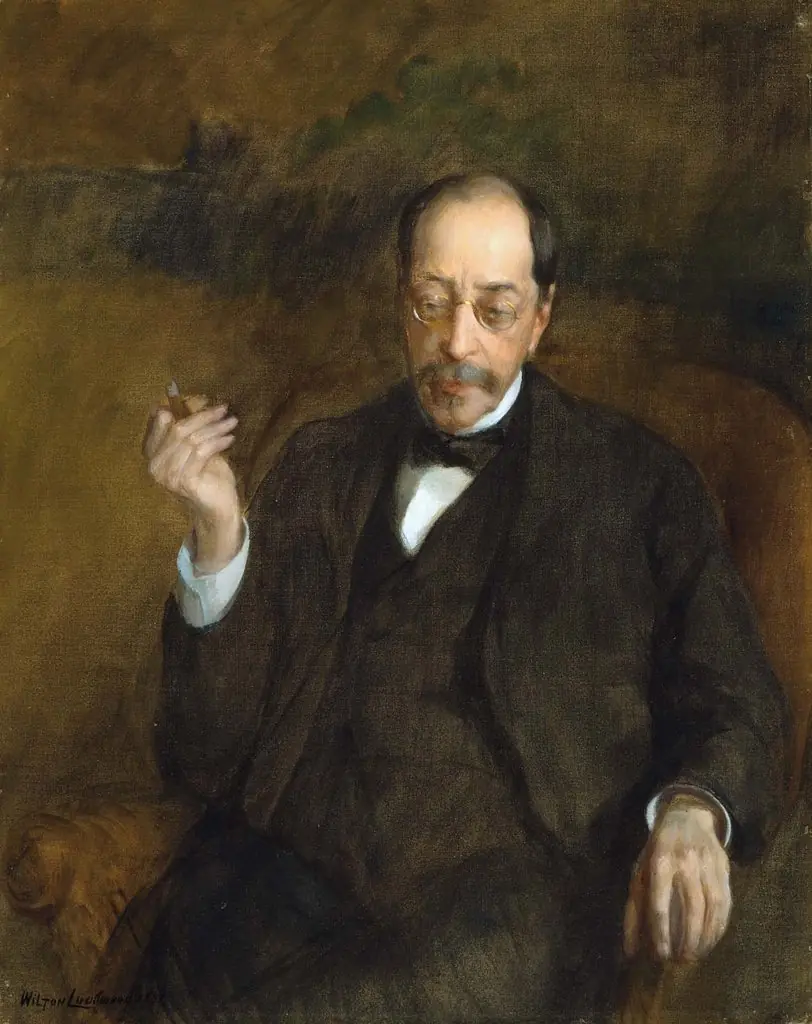
Wilton Lockwood (September 12, 1861 – March 21, 1914) was an American artist well known for his portrait and still-life paintings.