Artwork
Driving Home the Corn
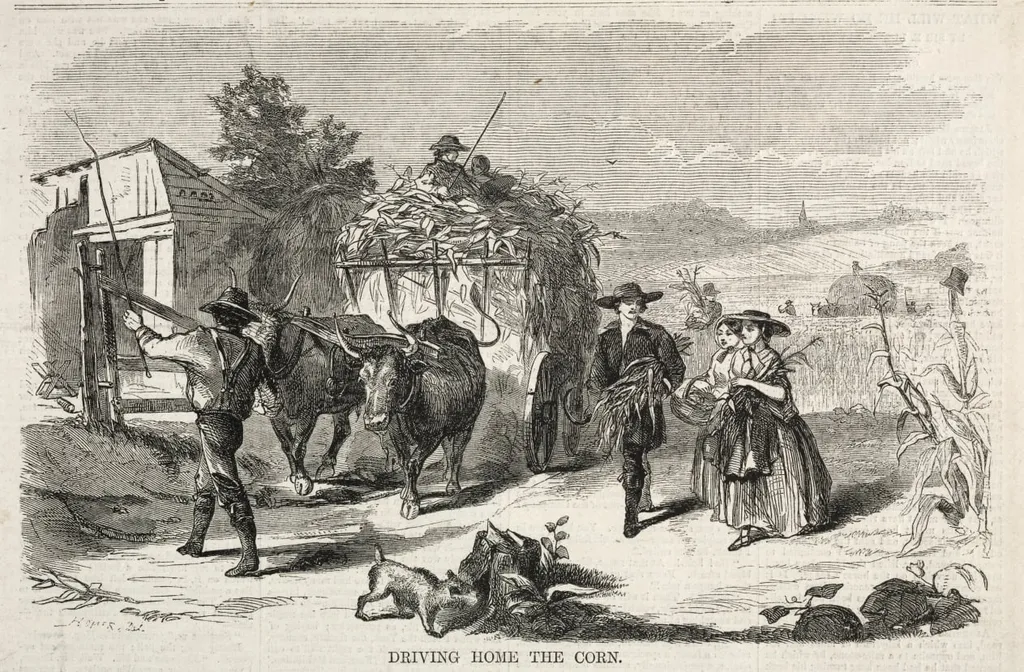
Driving Home the Corn is a print by the Impressionist artist Winslow Homer. It dates from 1858 and is held in the collection of the Cleveland Museum of Art.
About this work
In the background, a small house and a few trees sit near a dirt road, while a dog rests on the ground.
This drawing shows a rural scene with people and animals moving corn. Two men lead a pair of oxen pulling a cart piled high with cornstalks. A woman and child walk beside them, carrying bundles. In the background, a small house and a few trees sit near a dirt road, while a dog rests on the ground.
The title *Driving Home the Corn* hints this is about farm life. The artist focused on everyday work, not fancy poses or landscapes.
Next, check out Winslow Homer (American, 1836–1910) to see more of his work.
Overview
Created in 1858, *Driving Home the Corn* is an early graphic work by Winslow Homer, produced before he became known for his marine paintings. Executed as a print, it captures a quiet moment of rural labor in post-Civil War America. Homer, then working primarily as an illustrator, used this piece to document ordinary agricultural life rather than idealized scenes. The composition reflects his observational approach and emerging interest in the rhythms of everyday existence.
Subject & Meaning
The scene depicts two men guiding oxen pulling a cart laden with cornstalks, accompanied by a woman and child carrying smaller bundles. A dog lies near the roadside, and a modest dwelling appears in the distance. The title underscores the practicality of the moment: transporting harvested grain home. There is no drama or symbolism—only the unembellished chore of farm work, suggesting Homer’s respect for the dignity of labor in rural communities.
Technique & Style
Homer rendered the scene with precise, economical linework typical of 19th-century wood engraving. Figures and animals are simplified but clearly articulated, with attention to posture and movement. The background is minimally detailed, focusing attention on the procession. The absence of atmospheric effects or dramatic lighting reinforces the work’s documentary tone, aligning with Homer’s early illustrative style and his commitment to clarity over ornament.
History & Provenance
The print was made during Homer’s formative years as a commercial artist, before his transition to oil painting. It was likely produced for publication in a periodical, as was common for illustrators of the time. The work entered the collection of the Cleveland Museum of Art, where it remains as part of a broader holding of Homer’s graphic works, offering insight into his artistic development prior to his mature period.
Context
In the late 1850s, American illustration flourished through magazines and newspapers seeking realistic depictions of national life. Homer contributed to this trend by portraying rural scenes that resonated with urban audiences unfamiliar with agricultural labor. *Driving Home the Corn* fits within a broader cultural interest in documenting the nation’s working class, even as industrialization began to reshape the American landscape.
Legacy
Though overshadowed by Homer’s later marine works, this print reveals the foundation of his artistic vision: a commitment to observing and recording everyday life with honesty. It anticipates his lifelong interest in human resilience and quiet endurance. As one of his earliest surviving works, it provides essential context for understanding the evolution of his subject matter and visual language.
Artist & collection
Artist
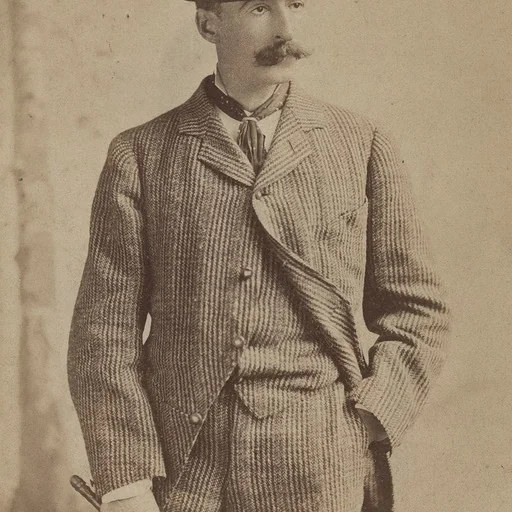
Winslow Homer (February 24, 1836 – September 29, 1910) was an American landscape painter and illustrator, best known for his marine subjects.

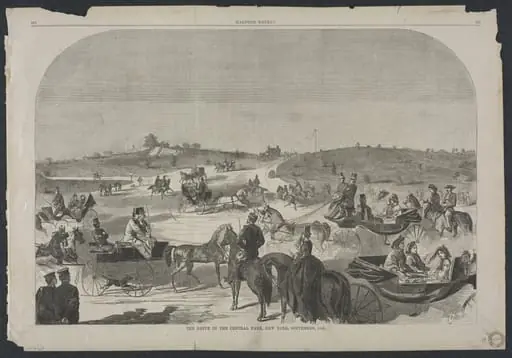 The Drive in Central Park, New York, September, 1860
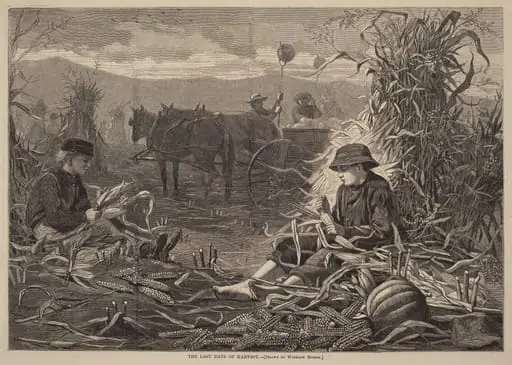 The Last Days of Harvest
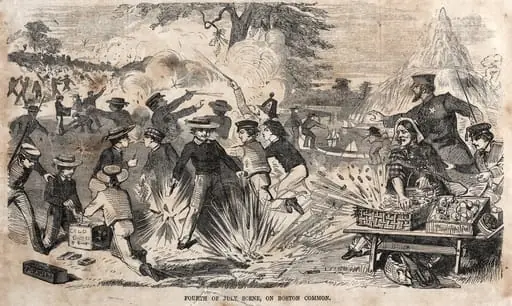 Fourth of July Scene, on Boston Common
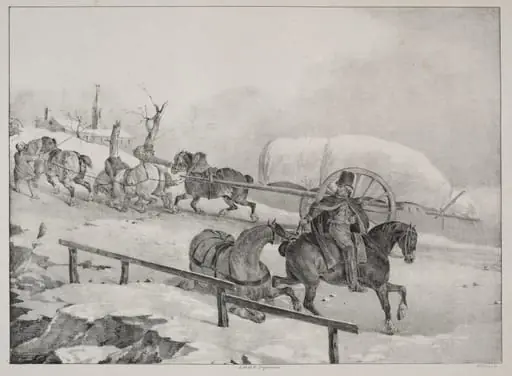 Wagoner Climbing a Hill
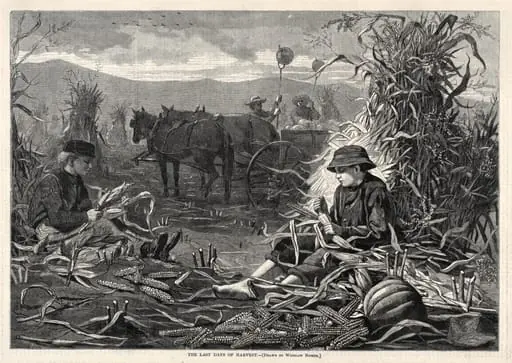 The Last Days of Harvest
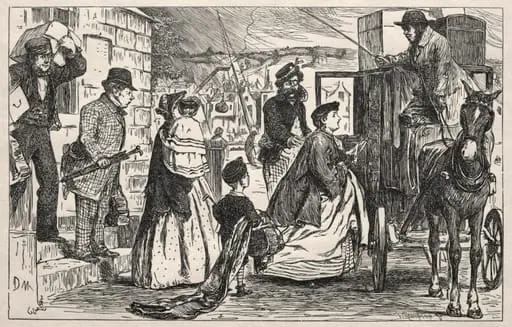 Our Brilliant Failure
 Landscape with a Road Leading Past a Place of Execution
 Camp Meeting Sketches: Cooking
 On the Road to Santa Fe
 Halt of the Wagon Train
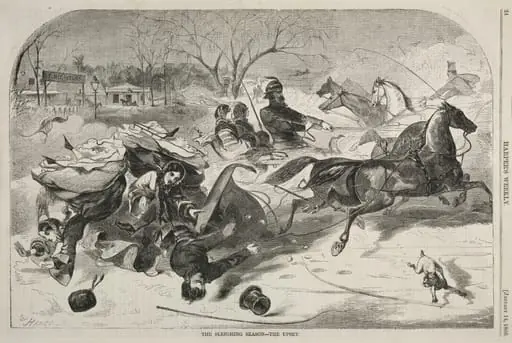 The Sleighing Season - The Upset
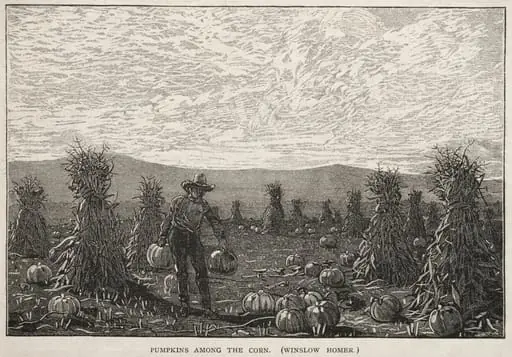 Pumpkins Among the Corn