Artwork
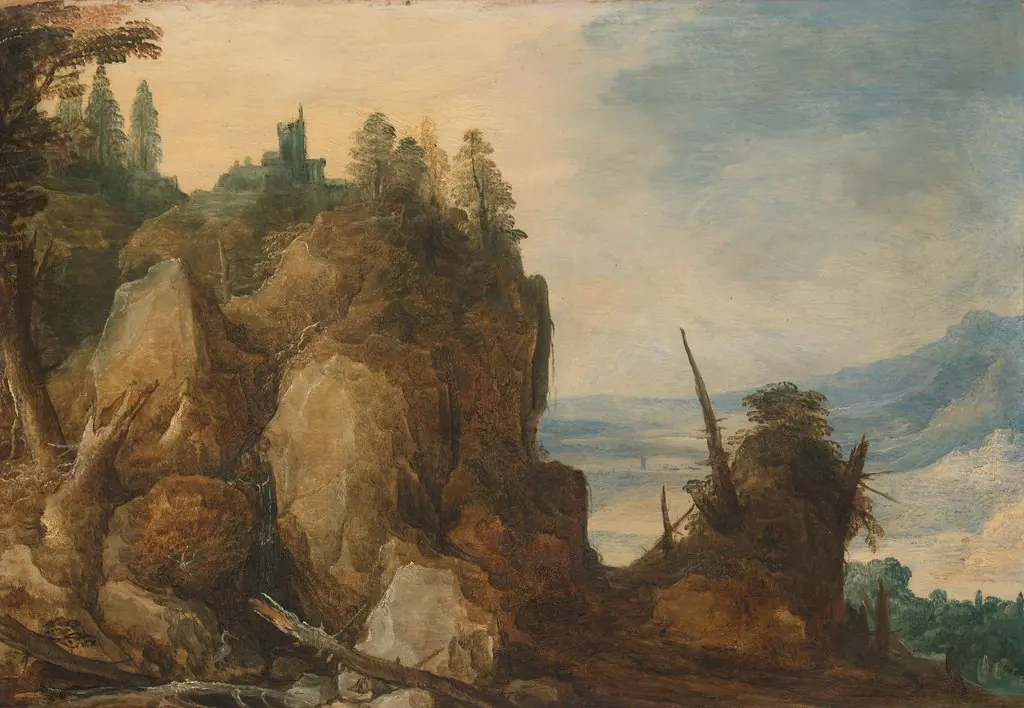
Landscape with a Road Leading Past a Place of Execution
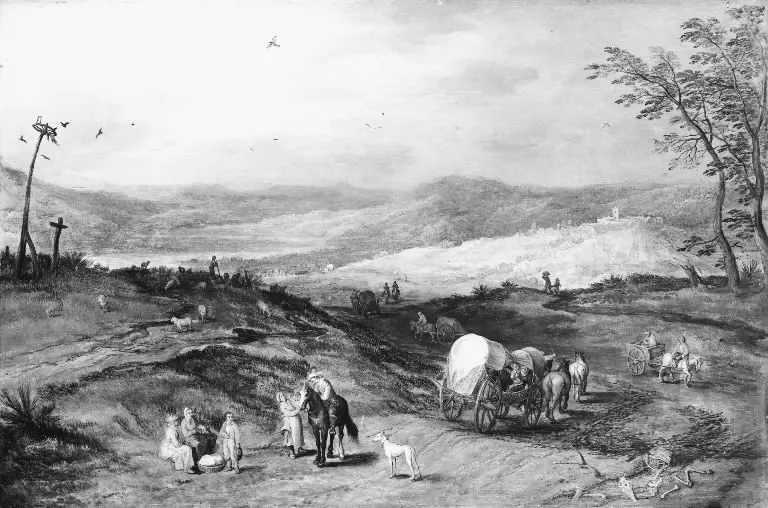
Landscape with a Road Leading Past a Place of Execution is an oil painting by the Flemish Baroque painting artist Joos de Momper the Younger. It dates from 1620 and is held in the collection of the Statens Museum for Kunst.
About this work
Overview
The composition centers on a winding path that meanders past a distant execution site, subtly integrated into the broader terrain.
Painted in 1620 by Joos de Momper the Younger, this oil-on-panel landscape captures a quiet rural scene in the Flemish tradition. The composition centers on a winding path that meanders past a distant execution site, subtly integrated into the broader terrain. De Momper’s approach blends observed naturalism with a subdued, atmospheric tone, reflecting the evolving priorities of early 17th-century Flemish painting away from Mannerist stylization.
Subject & Meaning
The painting presents a landscape where human activity and natural elements coexist without dramatic emphasis. A solitary cross on a hill, barely prominent, marks a place of execution, its presence neither sensationalized nor ignored. The figures—travelers, shepherds, and seated observers—go about their routines, suggesting a world where violence is absorbed into daily life, rendered with quiet indifference rather than moral commentary.
Technique & Style
De Momper employed layered glazes to achieve the painting’s hazy, atmospheric depth, using thin, translucent oil washes to soften transitions between land, sky, and distance. The palette favors muted earth tones and pale skies, creating a sense of spatial recession. His brushwork is precise yet unobtrusive, favoring gradual tonal shifts over sharp contours, a technique influenced by earlier Netherlandish traditions and the observational rigor of Brueghel’s landscapes.
History & Provenance
Created during de Momper’s mature period in Antwerp, the painting reflects the demand among collectors for expansive, tranquil landscapes. Though his works circulated widely in Europe during his lifetime, specific early ownership records for this piece are sparse. It remained within private collections through the 18th and 19th centuries before entering its current institutional holding, likely through a 20th-century acquisition.
Context
In early 17th-century Flanders, landscape painting gained prominence as a genre independent of religious or mythological narrative. De Momper’s work aligns with a growing interest in depicting the natural world as a subject in its own right, influenced by both local traditions and the broader European shift toward empirical observation. The inclusion of an execution site reflects a cultural awareness of public punishment, rendered not as spectacle but as a quiet, embedded feature of the land.
Legacy
De Momper’s landscapes contributed to the development of the Flemish Baroque tradition by emphasizing atmospheric perspective and naturalistic detail over idealized composition. While less celebrated than contemporaries like Rubens, his work influenced later generations of landscape painters through its restrained tonality and integration of human elements into expansive, unembellished terrain. This painting exemplifies a quiet, enduring approach to landscape that prioritized observation over drama.
Artist & collection
Artist
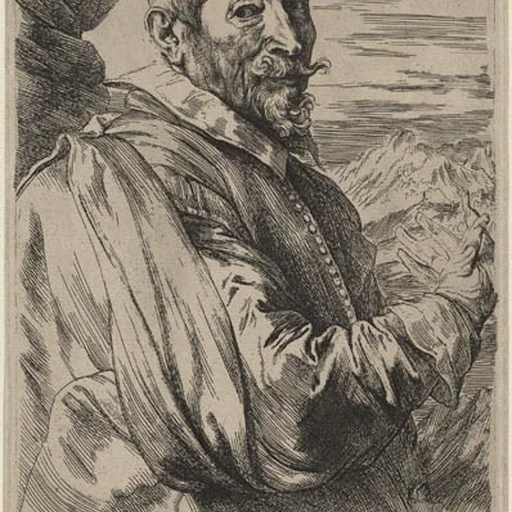
Joos de Momper the Younger or Joost de Momper the Younger (c. 1564 – 5 February 1635) was a Flemish landscape painter active in Antwerp between the late 16th century and the early 17th century. Brueghel's influence is…

 Flodlandskab
 Pfälzische Landschaft mit Herde
 Landschaft mit Hirten
 Italianate Landscape
 Auszug zur Falkenbeize
 Summer Landscape with Cattle
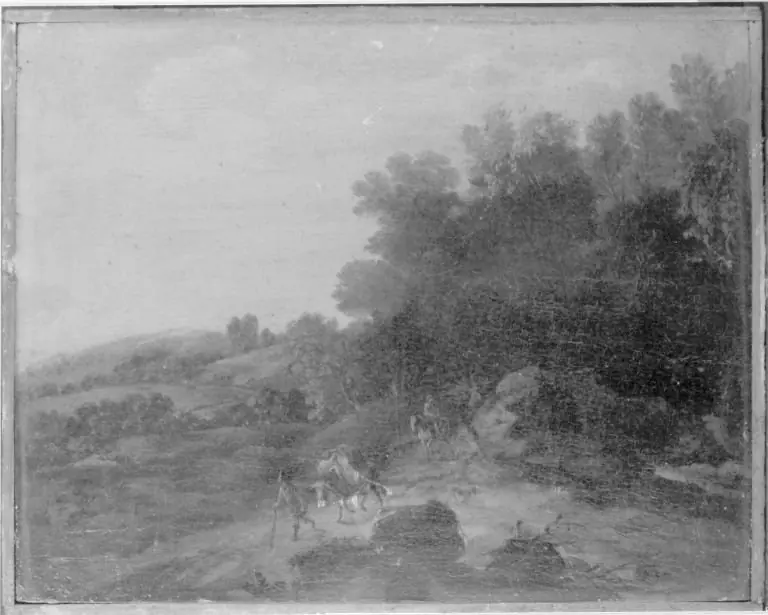 Hügellandschaft
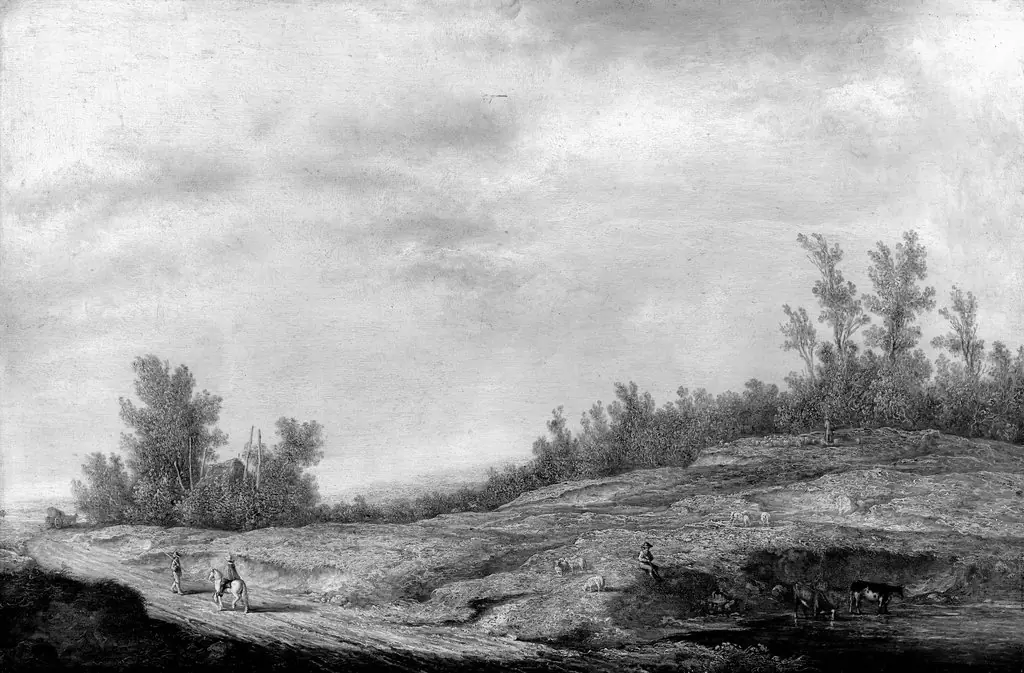 Road through the dunes
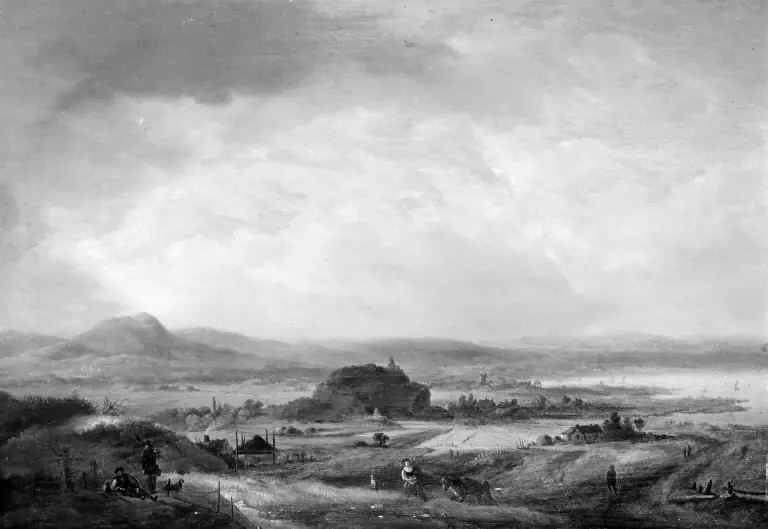 Bakket landskab med bønderhuse. I baggrunden en sø
 Bakket landskab med bønderhuse. I baggrunden en sø
 Flämische Landschaft mit Ernte
 Road through Wooded Landscape