Artwork
Great Fair Given at the City Assembly Rooms, New York, December, 1861, in Aid of the City Poor
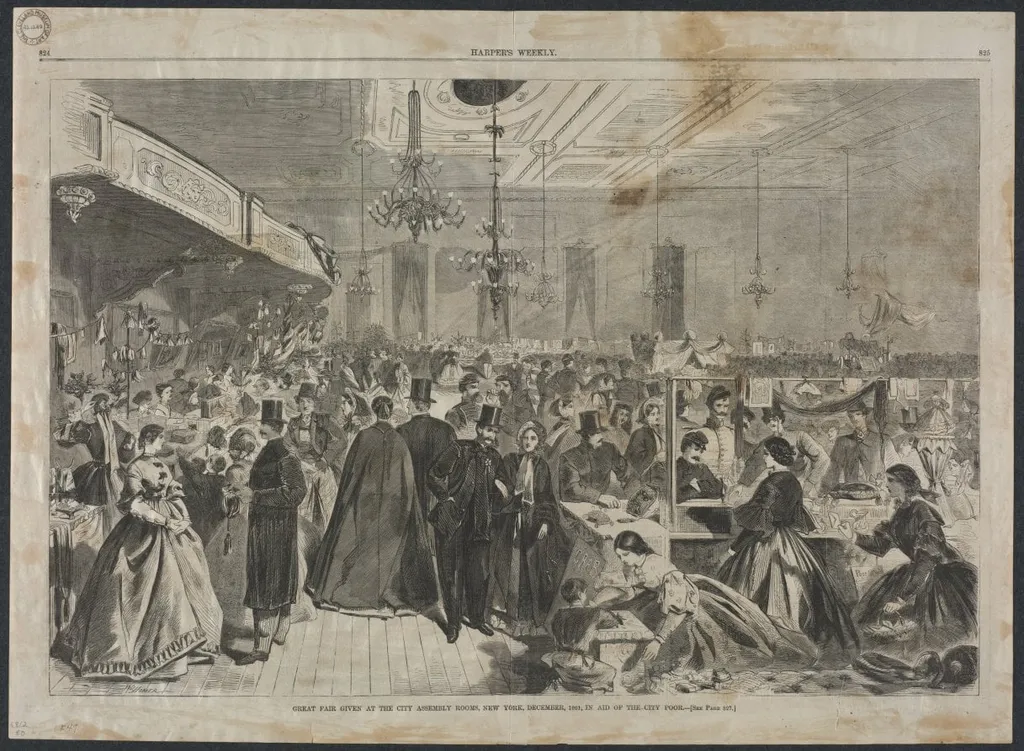
Great Fair Given at the City Assembly Rooms, New York, December, 1861, in Aid of the City Poor is a print by the Impressionist artist Winslow Homer. It dates from 1861 and is held in the collection of the Cleveland Museum of Art.
About this work
Overview
Though Homer is best known for his later marine scenes and watercolors, this early work reflects his training as a commercial illustrator.
Created in 1861, this print by Winslow Homer captures a charitable fair held in New York City’s Assembly Rooms to assist impoverished residents during the early years of the Civil War. Though Homer is best known for his later marine scenes and watercolors, this early work reflects his training as a commercial illustrator. The piece was produced as a lithograph for publication, intended to document and promote public philanthropy amid national crisis.
Subject & Meaning
The scene portrays a bustling indoor gathering where citizens of all classes mingle to support the city’s destitute. Tables laden with food and drink, ornate curtains, and a central chandelier suggest a formal yet convivial setting. The atmosphere conveys communal solidarity, emphasizing civic responsibility during wartime hardship. Homer’s focus on ordinary people engaged in mutual aid underscores the social fabric sustaining urban life amid national turmoil.
Technique & Style
Homer employed detailed line work and tonal shading typical of 19th-century wood engraving and lithographic illustration. Figures are rendered with careful attention to posture and attire, capturing the textures of wool, silk, and lace. While the composition shows observational precision, it avoids overt sentimentality. The work aligns with journalistic illustration rather than Impressionism; its clarity and structure reflect the conventions of period print media, not painterly brushwork.
History & Provenance
The print was published shortly after the event in December 1861, likely as part of a series documenting wartime relief efforts. It circulated in periodicals or as a standalone broadside to encourage further donations. The work entered The Cleveland Museum of Art’s collection through documented acquisitions in the 20th century, where it remains part of their holdings of American graphic art from the Civil War era.
Context
In late 1861, Northern cities hosted numerous fairs to raise funds for soldiers’ families and the urban poor. New York’s Assembly Rooms, a venue for social and civic events, became a hub for such philanthropy. These gatherings blended charity with social performance, allowing middle- and upper-class women to assert public roles. Homer’s image reflects this cultural moment, where humanitarian aid was both necessity and spectacle.
Legacy
This print stands as an early example of Homer’s engagement with social themes before he turned to more solitary natural subjects. It preserves a record of civilian life during the Civil War, illustrating how communities responded to crisis through organized generosity. Though not widely exhibited today, it remains a valuable artifact in understanding the intersection of art, journalism, and public welfare in 19th-century America.
Artist & collection
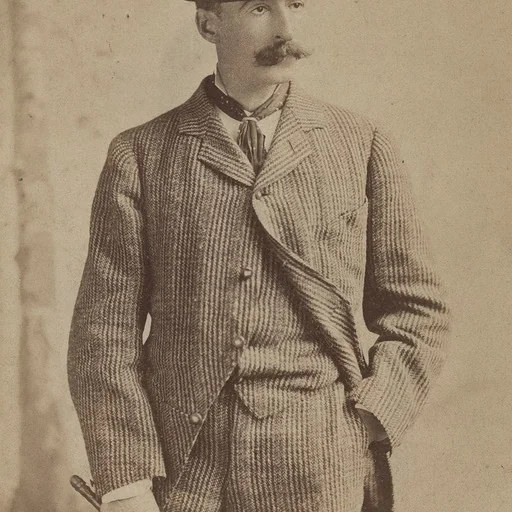
Artist
Winslow Homer (February 24, 1836 – September 29, 1910) was an American landscape painter and illustrator, best known for his marine subjects.

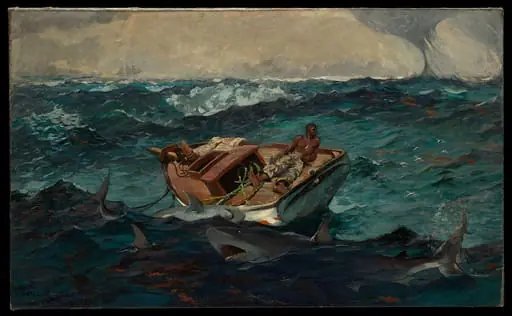
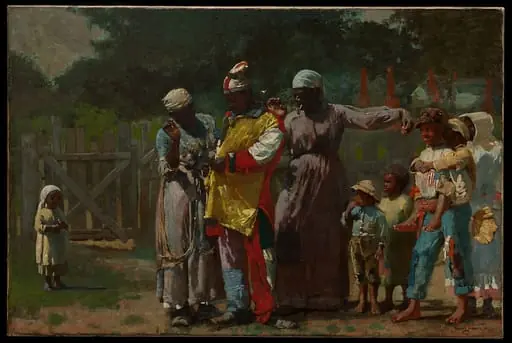

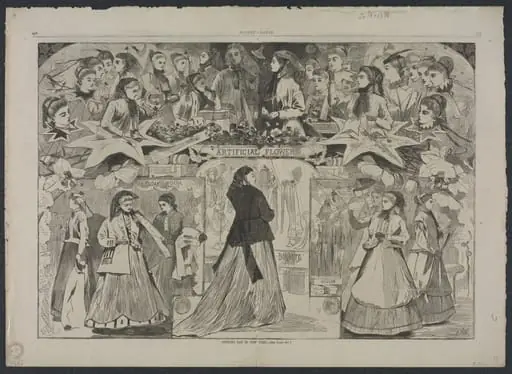 Opening Day in New York
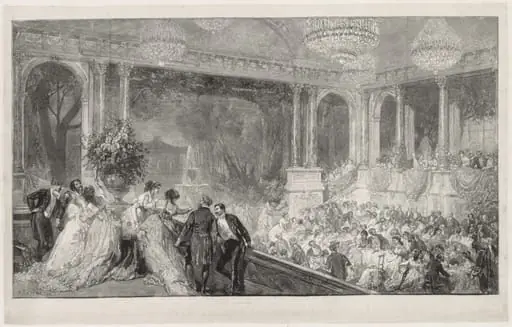 Festival at the Tuilleries
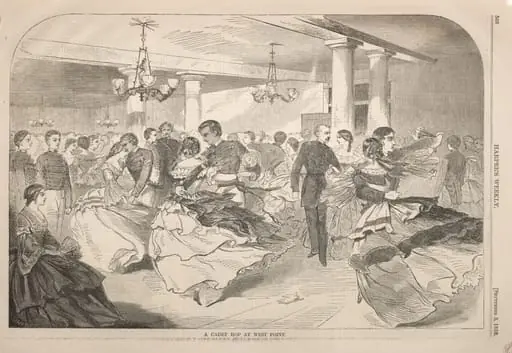 A Cadet Hop at West Point
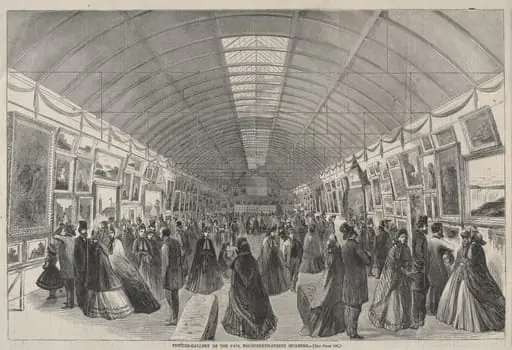 Picture Gallery of the Fair, Fourteenth Street Building
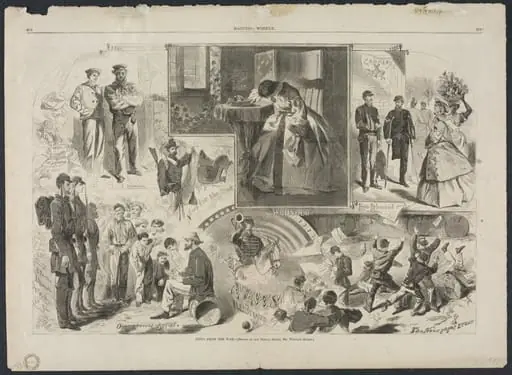 News from the War
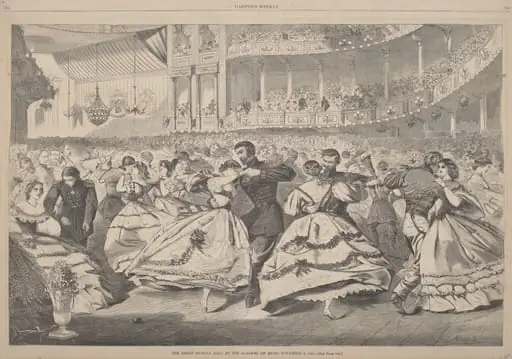 The Great Russian Ball at the Academy of Music, November 5, 1863
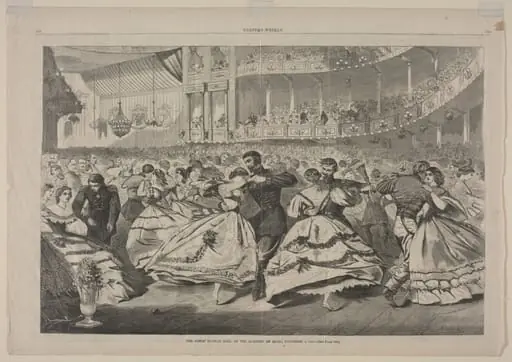 The Great Russian Ball at the Academy of Music, November 5, 1863
 H Beard Print Collection
 A Glove: The Locale
 Untitled