Artwork
Untitled
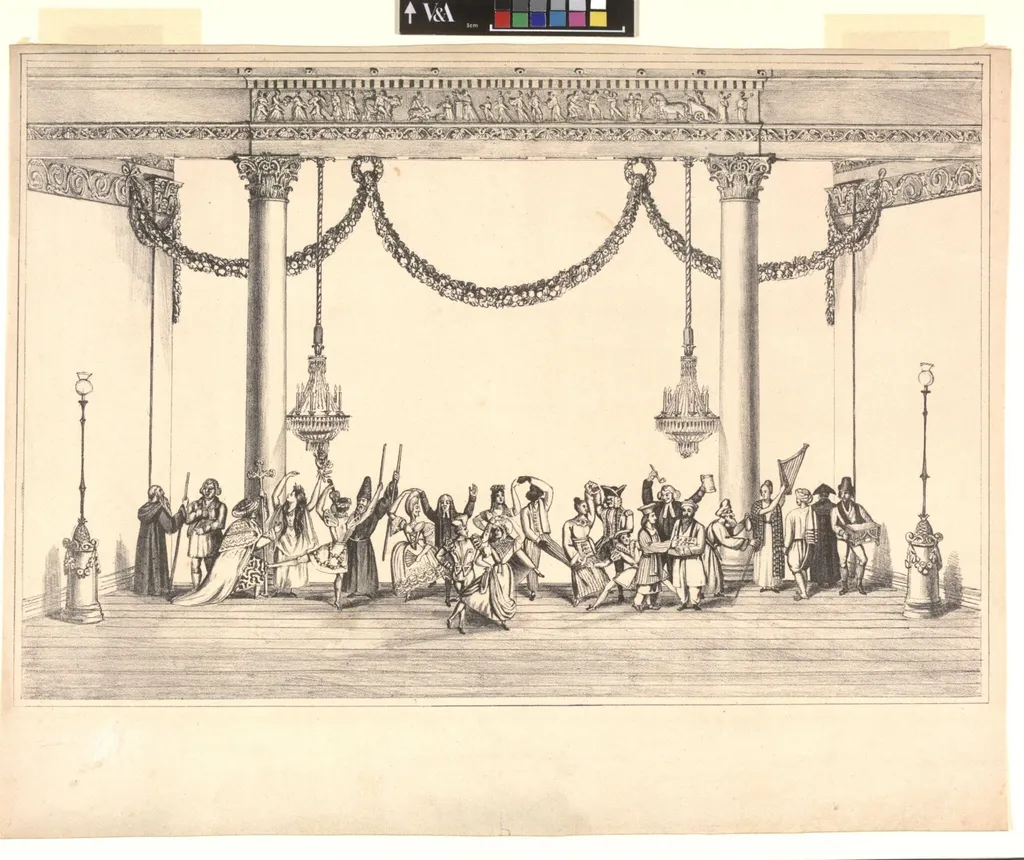
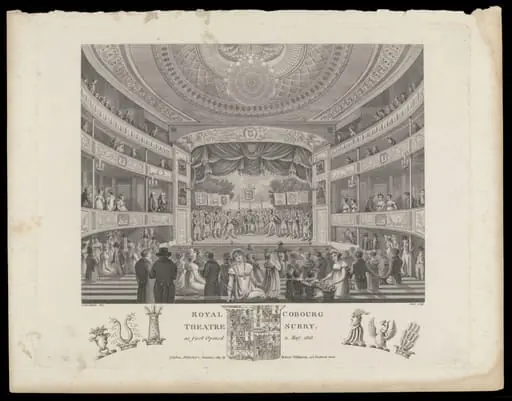
Untitled is a print by the Romanticist artist S. & J. Fuller. It dates from 1820 and is held in the collection of the Victoria and Albert Museum.
About this work
Overview
This print captures the interior of an 18th- to early 19th-century assembly room, a social venue for dancing, dining, and informal gatherings.
This print captures the interior of an 18th- to early 19th-century assembly room, a social venue for dancing, dining, and informal gatherings. Produced as a print by a sibling printmaking duo, it reflects the visual culture of urban leisure during the Regency era. Unlike painted scenes, this work was meant for wider circulation, making such spaces accessible to a broader public through reproduction.
Subject & Meaning
The scene depicts a formal yet lively gathering, where social rituals governed behavior as much as etiquette. Membership in elite rooms like Almack’s was not merely a matter of wealth but of perceived propriety, enforced by an all-female committee whose approval could elevate or exclude individuals regardless of title. The print subtly underscores the tension between aristocratic privilege and rigid social control.
Technique & Style
Executed as a print, the work employs fine line work and tonal contrasts typical of the medium’s capacity for detail and reproduction. The composition arranges figures in orderly groups, emphasizing spatial depth and the architecture of the room. The brother-and-sister team’s collaboration likely divided tasks between drawing and engraving, reflecting the division of labor common in print studios of the period.
History & Provenance
Assembly rooms like Almack’s in London were central to elite social life between the 1760s and 1830s. Their decline began in the mid-19th century as public entertainment diversified and class boundaries shifted. This print may have been produced during or shortly after their peak, serving as both documentation and commentary on a fading social institution, possibly intended for collectors or middle-class audiences curious about high society.
Context
These venues existed alongside pleasure gardens and public theaters as key sites of urban sociability. While some demanded exclusivity, others welcomed mixed crowds, often under masks or costumes that blurred social distinctions. The contrast between rigid clubs like Almack’s and more open spaces reveals the spectrum of social performance in Regency Britain, where appearance and punctuality carried weight equal to lineage.
Legacy
Though assembly rooms lost their prominence by the late 1800s, their influence endured in the structure of modern social clubs and formal dances. The print preserves a moment when social access was tightly regulated, offering insight into how gender, class, and decorum intersected in public life. Today, such images serve as historical records of the performative nature of elite culture.
Artist & collection
Artist
Printmakers active around 1820, S. & J. Fuller made small, crisp engravings meant for parlors and pocket almanacs. One untitled sheet shows a bird perched on a willow branch beside a verse in copperplate, the kind of…

 H Beard Print Collection
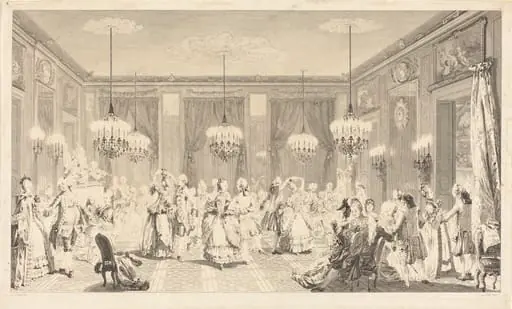 Le bal pare
 Print Collection
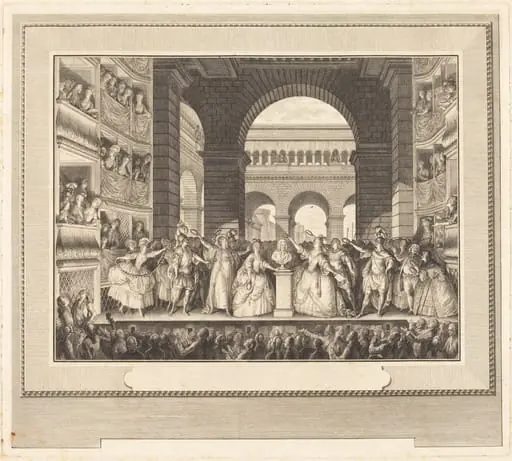 Couronnement de Voltaire (The Crowning of Voltaire)
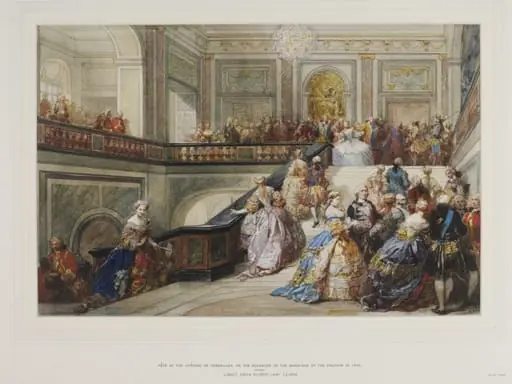 Fete at the Chateau de Versailles in 1745 on the occasion of the marriage of the Dauphin
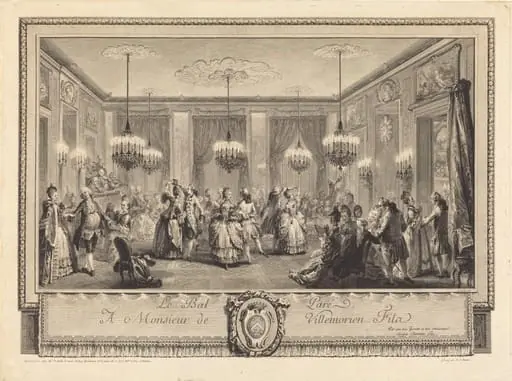 Le bal paré
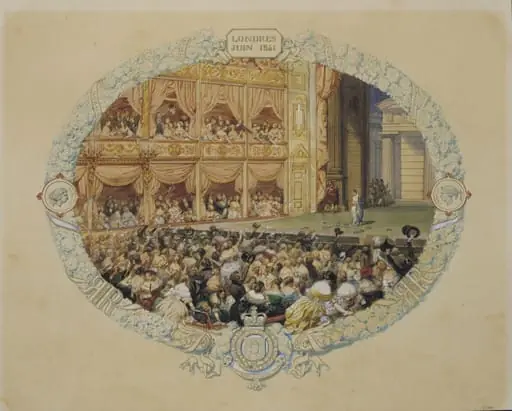 Interior of Her Majesty's Theatre
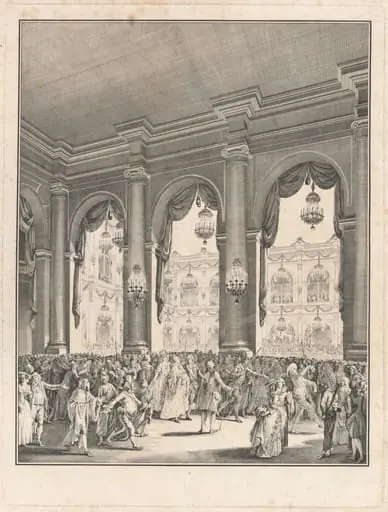 Le bal masqué - Fête donnée à l'occasion de la naissance de Monseigneur le Dauphin, 23 janvier 1782
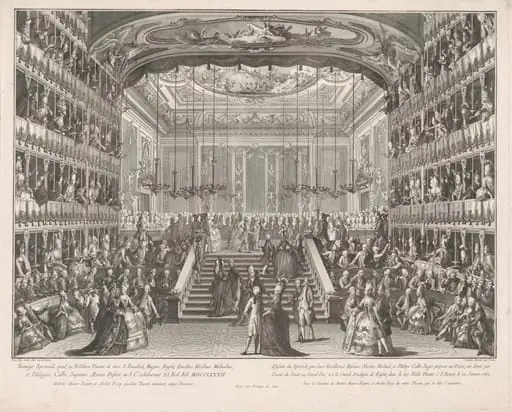 Spectacle in Honor of the Grand Dukes of Russia in the Theater of San Benedetto, 1782
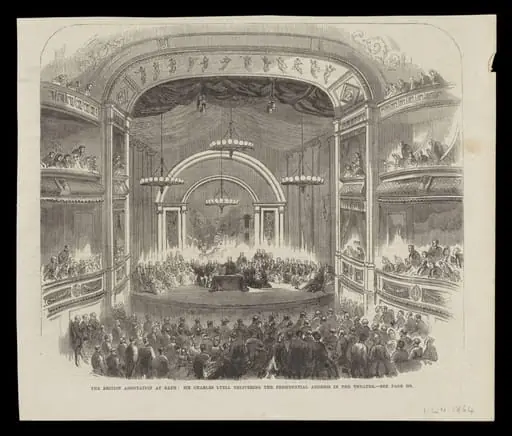 H Beard Print Collection
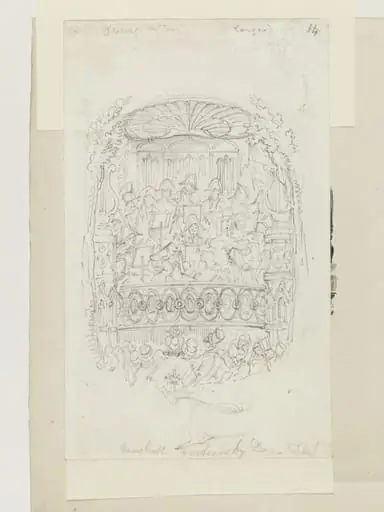 Vauxhall Gardens by Day
 H Beard Print Collection