Artwork
Hon. Abraham Lincoln, Born in Kentucky, February 12, 1809
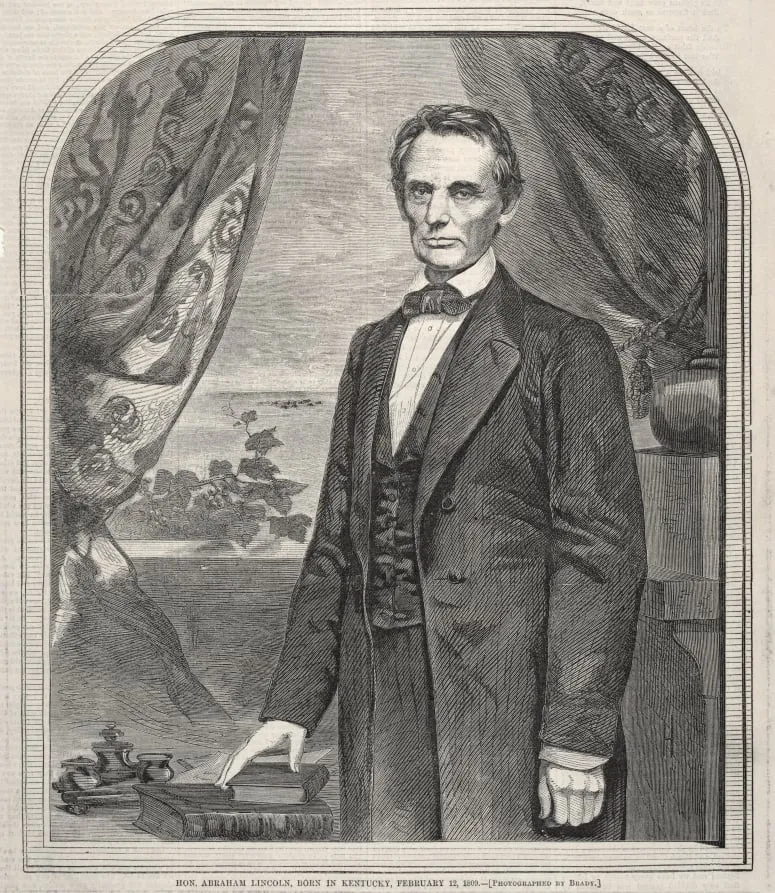
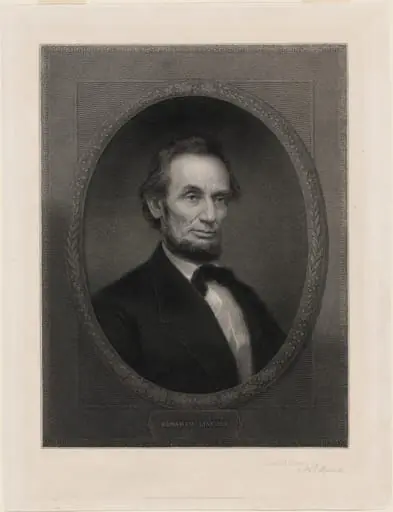
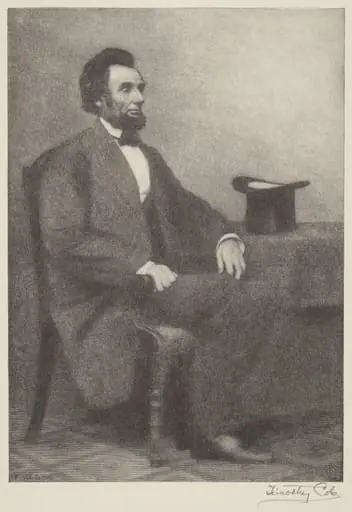
Hon. Abraham Lincoln, Born in Kentucky, February 12, 1809 is a print by the Impressionist artist Winslow Homer. It dates from 1860 and is held in the collection of the Cleveland Museum of Art. This 1860 print portrays Abraham Lincoln as a solemn, dignified figure, produced during the early phase of his national political rise.
About this work
Overview
Created by Winslow Homer, who was then primarily known as a commercial illustrator, the work predates his later fame as a landscape painter.
This 1860 print portrays Abraham Lincoln as a solemn, dignified figure, produced during the early phase of his national political rise. Created by Winslow Homer, who was then primarily known as a commercial illustrator, the work predates his later fame as a landscape painter. It was made for reproduction and distribution, likely to accompany political commentary or biographical material. The image reflects a moment when Lincoln’s identity as a self-made man from Kentucky was being emphasized to a broad public audience.
Subject & Meaning
The portrait presents Lincoln not as a president but as a man defined by his origins and personal discipline. His formal attire, the book and pipe on the table, and the dimly lit window behind him suggest a life of quiet study and rural roots. The inclusion of his birth year and place underscores a narrative of humble beginnings, aligning with Republican campaign themes of merit and moral character. His direct gaze and still posture convey resolve, reinforcing his image as a thoughtful, grounded leader.
Technique & Style
Homer employed stark tonal contrasts to model Lincoln’s face and clothing, using chiaroscuro to create depth and focus. The black-and-white medium emphasizes texture—the crisp folds of the coat, the grain of the wood table, the soft blur of the background. The composition is tightly framed, with the figure centered and the curtain drawing attention to the faint landscape beyond, suggesting both intimacy and broader national horizons. The precision of line and shadow reflects his training in illustration, prioritizing clarity over emotional flourish.
History & Provenance
The print was produced in 1860, shortly before Lincoln’s election, likely for use in newspapers or pamphlets supporting his candidacy. As a commercial artist, Homer was frequently commissioned for such portraits, and this image was one of many visual tools used to shape public perception. Its original context is tied to print media of the era, and surviving copies are now rare artifacts of pre-presidential Lincoln iconography, valued for their historical rather than artistic prominence.
Context
In 1860, visual representations of political figures were critical in an era before photography dominated public imagery. Lincoln’s image was carefully curated to appeal to voters who valued integrity and simplicity. Homer’s portrait, though not the most widely circulated, contributed to a growing visual lexicon of Lincoln as a man of the people. The work reflects the intersection of art, politics, and print culture in the years leading to the Civil War.
Legacy
Though overshadowed by Homer’s later landscapes and war illustrations, this portrait remains a significant early example of his ability to convey character through restrained composition. It captures Lincoln at a pivotal moment, before national fame transformed his public persona. Today, it is studied as a document of 19th-century political imagery and as a testament to the role of illustrators in shaping historical memory through print.
Artist & collection
Artist
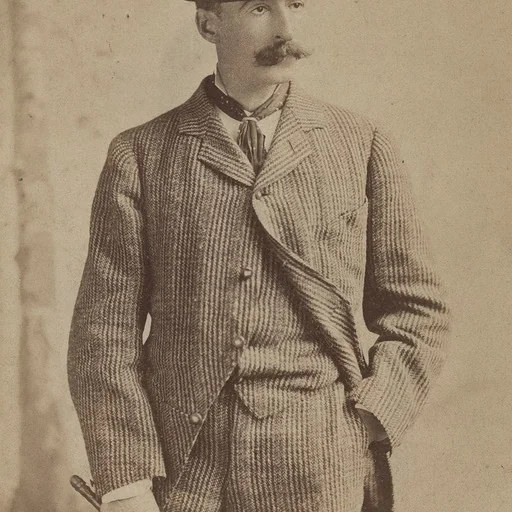
Winslow Homer (February 24, 1836 – September 29, 1910) was an American landscape painter and illustrator, best known for his marine subjects.