Artwork
Portrait of Andrew Jackson
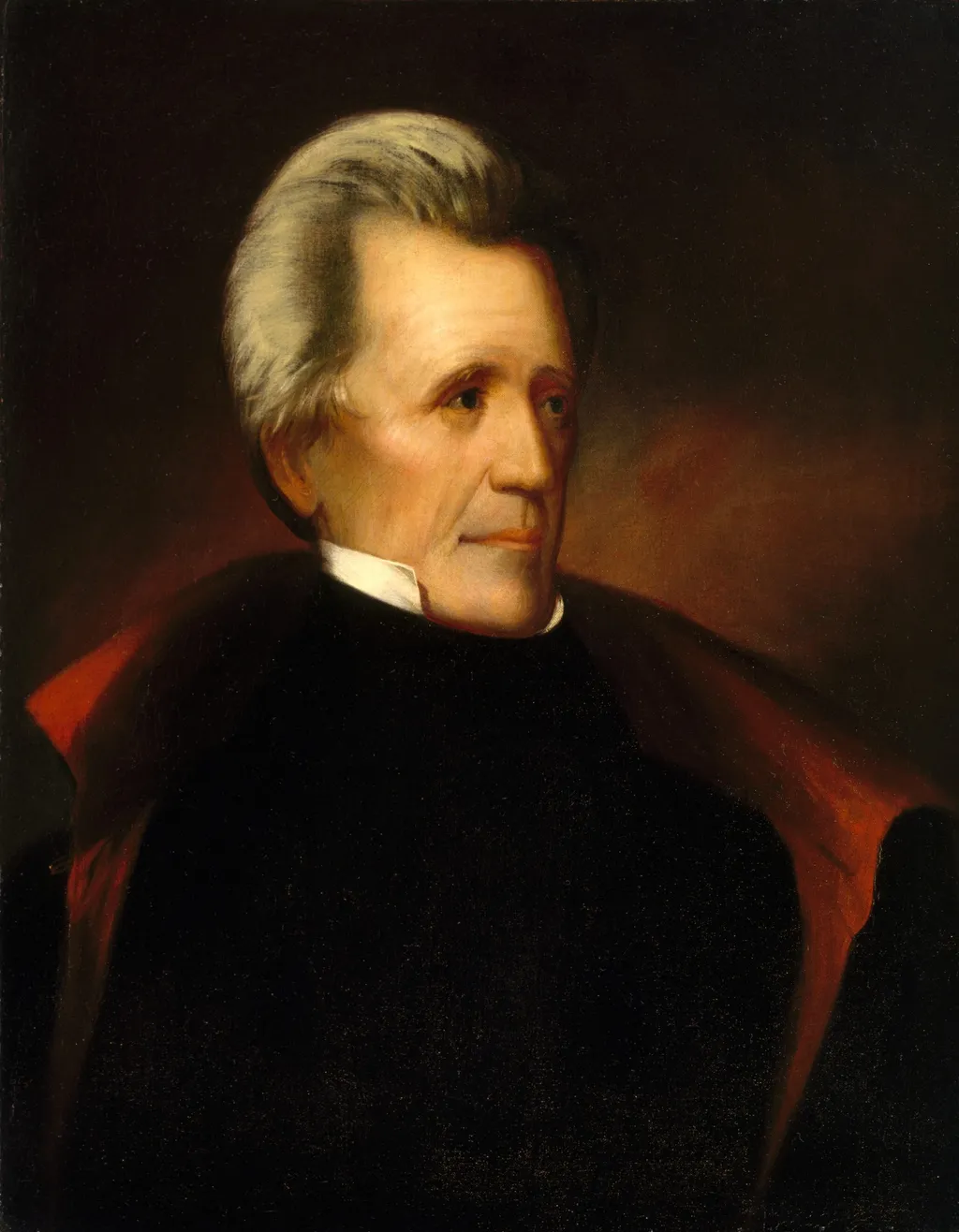
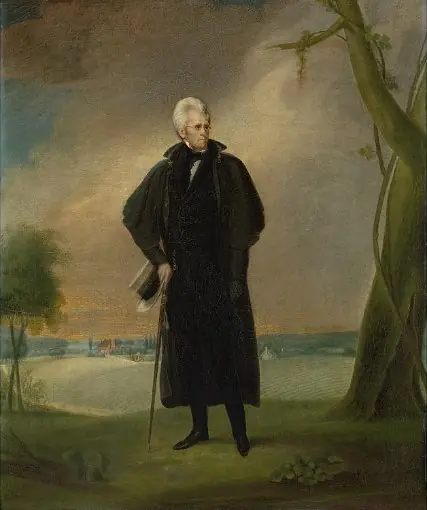
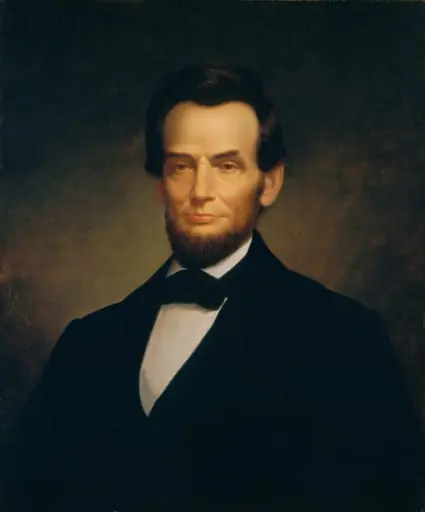
Portrait of Andrew Jackson is an oil painting by the American Folk Art artist Ralph E. W. Earl. It is held in the collection of the Museum of Fine Arts, Houston.
About this work
Overview
This oil painting by Ralph Eleaser Whiteside Earl portrays Andrew Jackson, the seventh president of the United States, in a formal seated pose.
This oil painting by Ralph Eleaser Whiteside Earl portrays Andrew Jackson, the seventh president of the United States, in a formal seated pose. Executed during Jackson’s presidency, the work reflects Earl’s position as a favored portraitist of the administration. The composition emphasizes stillness and presence, with minimal background detail to focus attention on the subject’s demeanor and attire.
Subject & Meaning
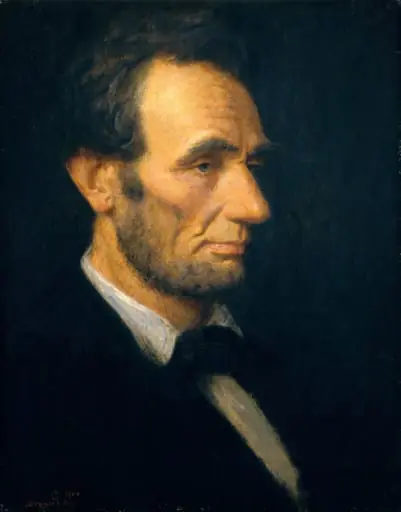
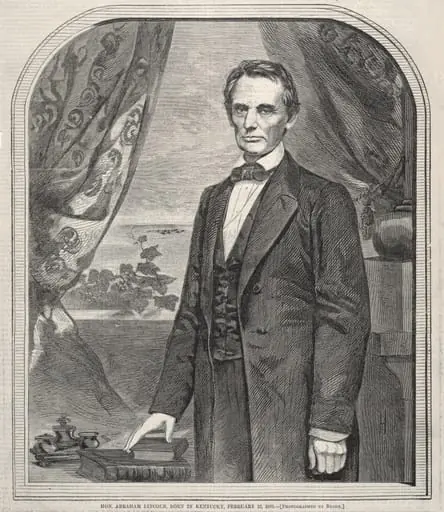
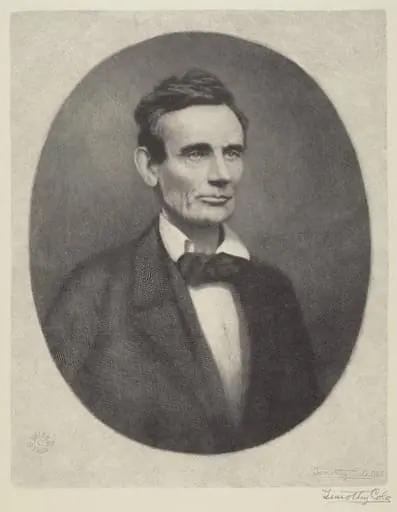
Jackson is depicted with a stern, introspective expression—eyes lowered, mouth tightly set—conveying resolve and gravity. His black coat and white collar suggest formal authority, while the absence of military regalia or symbolic objects grounds the image in personal dignity rather than political spectacle. The subdued lighting and somber tone reinforce an impression of quiet strength, aligning with contemporary perceptions of Jackson as a resolute leader.
Technique & Style
Earl employs chiaroscuro to model Jackson’s face and shoulders, using sharp contrasts between light and shadow to create volume and focus. The dark, nearly monochromatic background enhances the three-dimensionality of the figure, while a faint red glow behind the head adds subtle warmth without distraction. Brushwork is precise in the facial features, balancing realism with the restrained aesthetic common in early American portraiture.
History & Provenance
Commissioned during Jackson’s presidency, the portrait was part of a series Earl produced for the White House. It remained in federal collections before entering the Museum of Fine Arts, Houston’s holdings. Its preservation reflects its significance as a visual record of Jackson’s public image during a formative period in American political culture, though it was not widely reproduced in its time.
Context
In the 1830s, American portraiture often prioritized character over ornamentation, especially for political figures. Earl’s approach aligned with a broader trend of depicting leaders as grounded, authoritative individuals rather than idealized icons. This portrait emerged amid rising democratic sentiment, where the image of the president as a man of the people—firm, unadorned, and resolute—held particular cultural resonance.
Legacy
Though not as widely circulated as later depictions of Jackson, this portrait remains a key example of early 19th-century presidential imagery. It captures a moment when visual representation of leadership was being shaped by personal presence rather than inherited symbolism. Its restrained style influenced subsequent official portraits, emphasizing psychological depth over ceremonial display.
Own this work as a print
Artist & collection

Artist
Ralph Eleaser Whiteside Earl (born 1785–1788; died September 16, 1838), was an American painter known as the "court painter" to President Andrew Jackson. He also painted the portrait of Rachel Jackson.