Artwork
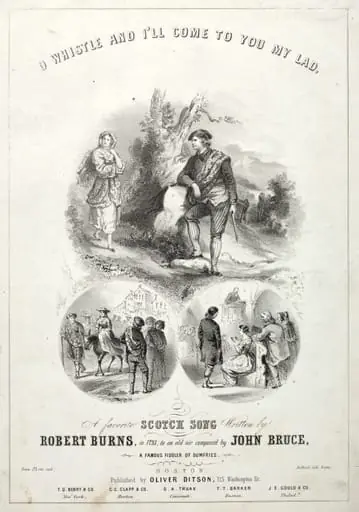
Katy Darling - Sheet Music Cover
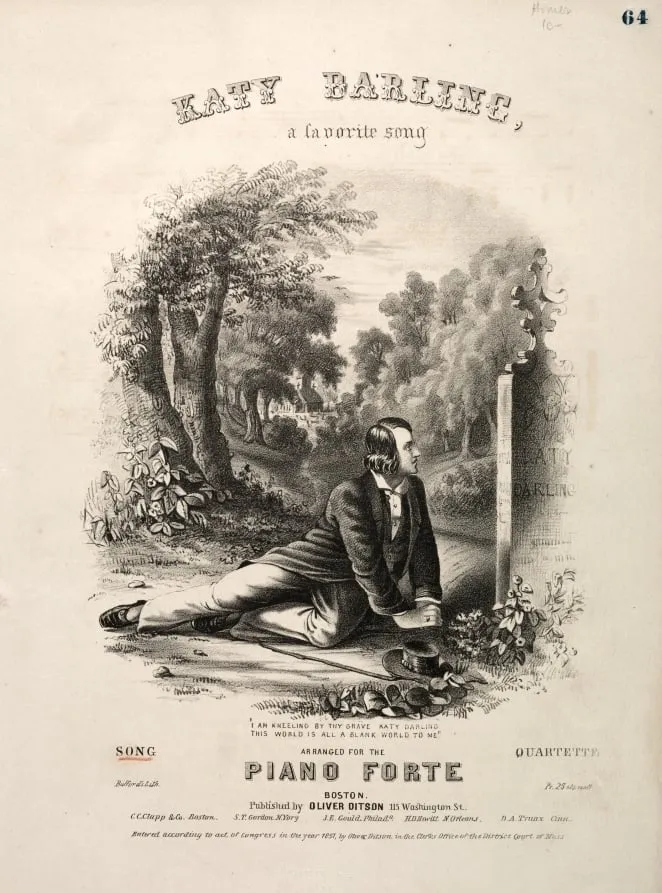
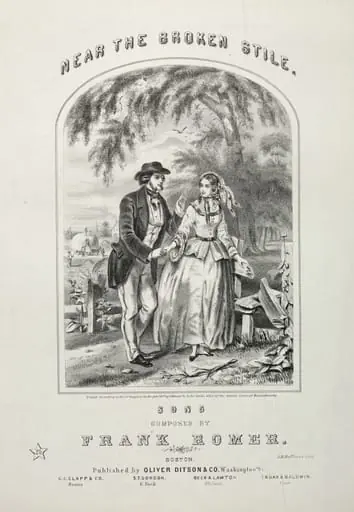
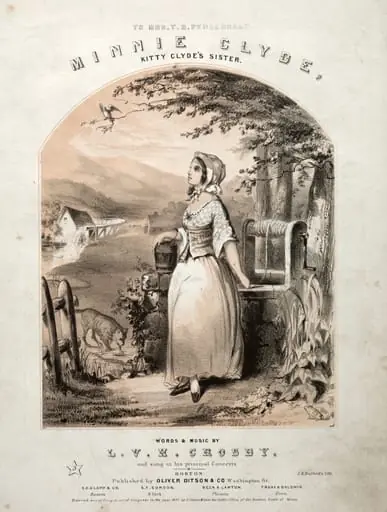
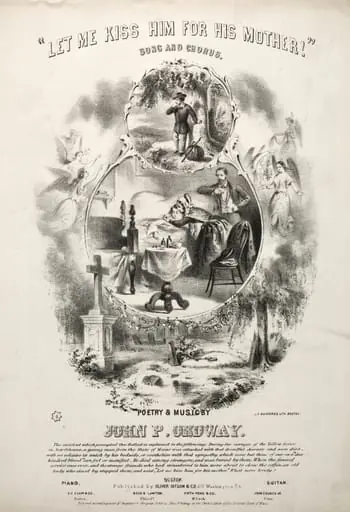
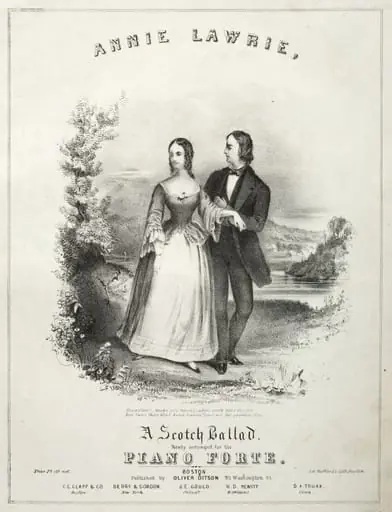
Katy Darling - Sheet Music Cover is a print by the Impressionist artist Winslow Homer. It dates from 1857 and is held in the collection of the Cleveland Museum of Art.
About this work
This painting shows a young woman holding a piece of sheet music. She wears a simple dark dress with a white collar. Her face is calm but serious.
Homer painted this early in his career. It’s drawn in ink on light brown paper. You can see his careful hand in the lines around her face.
Look up Winslow Homer (American, 1836–1910).
Overview
Homer’s skill in rendering expressive figures with minimal detail is already evident, foreshadowing his later transition to fine art.
Created around 1857, this ink drawing on light brown paper is an early commercial work by Winslow Homer, produced during his formative years as a printmaker and illustrator. It served as the cover for a piece of sheet music, reflecting the era’s demand for visually engaging popular media. Homer’s skill in rendering expressive figures with minimal detail is already evident, foreshadowing his later transition to fine art.
Subject & Meaning
The image depicts a young woman holding sheet music, dressed in a modest dark gown with a white collar. Her expression is quiet and introspective, suggesting contemplation rather than performance. The scene avoids theatricality, instead conveying a sense of private, domestic music-making—a common cultural practice in mid-19th-century American homes. The focus on stillness and restraint aligns with prevailing ideals of feminine modesty.
Technique & Style
Executed in ink with precise, controlled lines, the drawing demonstrates Homer’s early mastery of draftsmanship. The light brown paper provides a warm tonal base, enhancing the contrast of the inked contours around the figure’s face and dress. Delicate shading defines form without heavy modeling, emphasizing clarity and economy of line—hallmarks of his illustration work before he turned to painting.
History & Provenance
The work originated as a commercial commission for a music publisher, typical of Homer’s early career before he gained recognition as a fine artist. It remained in private hands until acquired by the Cleveland Museum of Art, where it is preserved as part of a broader collection documenting American illustration. Its survival offers rare insight into the visual culture of popular print media in the 1850s.
Context
In the 1850s, sheet music covers were a major medium for visual art, designed to attract buyers through emotionally resonant imagery. Artists like Homer were hired to create sentimental or picturesque scenes that mirrored domestic ideals. This piece fits within a broader trend of illustrated music sheets that blended art and commerce, serving both aesthetic and marketing purposes in an expanding print culture.
Legacy
Though minor in scale, this drawing marks a critical stage in Homer’s artistic development. It reveals the foundation of his narrative sensitivity and compositional discipline, skills later refined in his celebrated paintings. As one of the few surviving examples of his commercial work, it illuminates the professional pathways available to illustrators in antebellum America and their influence on later fine art practices.
Artist & collection
Artist
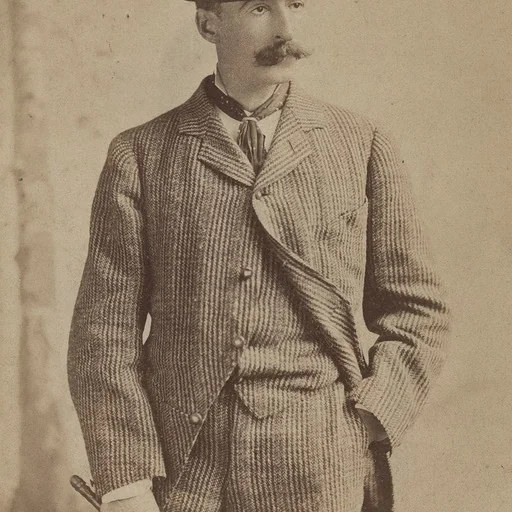
Winslow Homer (February 24, 1836 – September 29, 1910) was an American landscape painter and illustrator, best known for his marine subjects.