Artwork
Lumbering in Winter
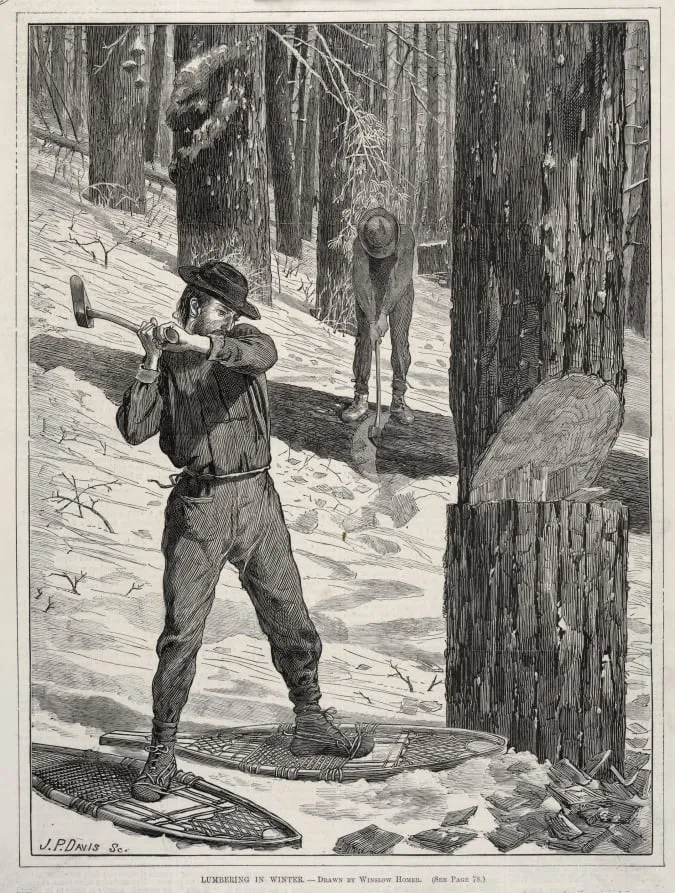
Lumbering in Winter is a print by the Impressionist artist Winslow Homer. It dates from 1871 and is held in the collection of the Cleveland Museum of Art.
About this work
Overview
Though Homer began as a commercial illustrator, this work reflects his transition into fine art, emphasizing everyday rural life with observational precision.
Created in 1871, *Lumbering in Winter* is an oil painting by Winslow Homer that captures the quiet labor of winter forestry in rural America. Though Homer began as a commercial illustrator, this work reflects his transition into fine art, emphasizing everyday rural life with observational precision. The scene avoids romanticism, focusing instead on the physical demands of seasonal work in a frozen landscape.
Subject & Meaning
The painting portrays two lumbermen engaged in the arduous task of clearing timber during winter. One figure swings an axe at a stump, while another stands nearby, axe in hand, surveying the next cut. Snowshoes discarded nearby suggest the difficulty of movement through deep snow. The image conveys endurance and quiet determination, portraying labor not as heroic but as an unglamorous necessity of rural survival.
Technique & Style
Homer employs thick, deliberate brushwork to convey the weight of snow-laden trees and the texture of frozen ground. The palette is muted—grays, browns, and pale blues—enhancing the chill of the season. Figures are rendered with minimal detail, allowing their postures and tools to communicate effort. The composition directs attention to the central stump, grounding the scene in physical labor rather than scenic beauty.
History & Provenance
Painted during Homer’s early period of independent artistic development, *Lumbering in Winter* emerged after his work as a Civil War illustrator and before his later marine subjects. It was likely created in the northeastern United States, where winter lumbering was common. The painting remained in private collections until entering a public institution in the 20th century, where it is now preserved as part of his broader documentation of American labor.
Context
In the post-Civil War era, rural industries like lumbering were vital to economic recovery and westward expansion. Homer’s focus on such work aligned with the Realist movement’s interest in ordinary life, contrasting with idealized landscapes. His depictions of laborers reflected a national shift toward documenting the realities of working-class existence, particularly in the Northeast’s seasonal economies.
Legacy
Though less famous than Homer’s seascapes, *Lumbering in Winter* exemplifies his commitment to truthful representation of American life. It influenced later artists interested in regional labor and environmental conditions. The painting remains a quiet but significant record of 19th-century rural industry, valued for its unembellished portrayal of work, weather, and resilience.
Artist & collection
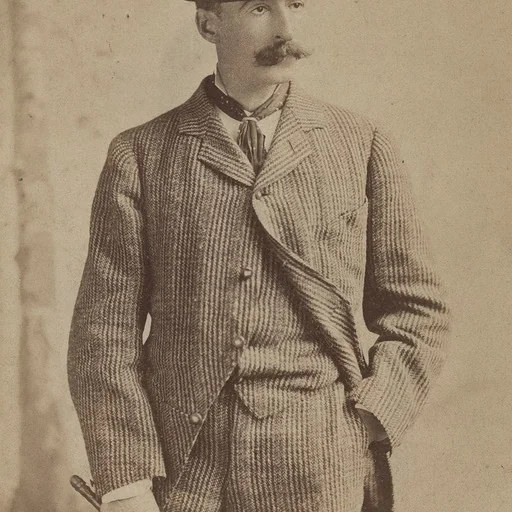
Artist
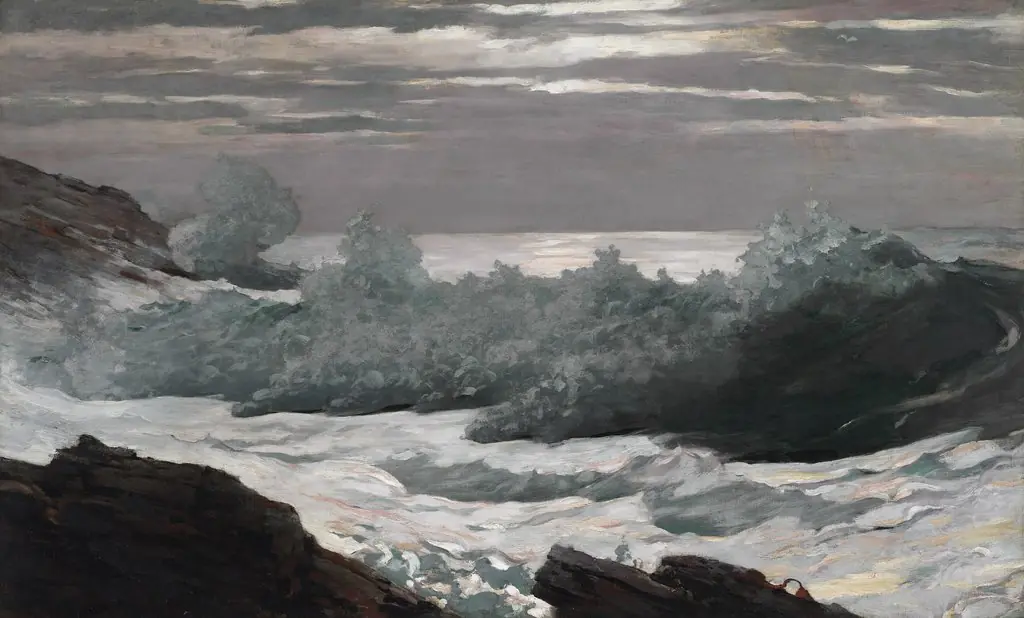
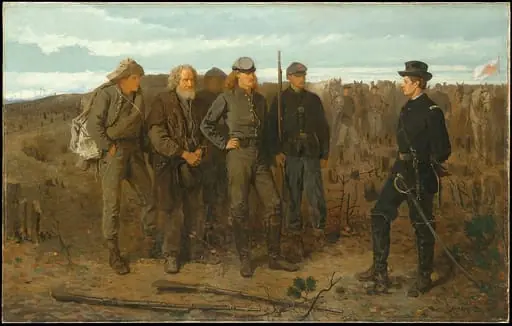
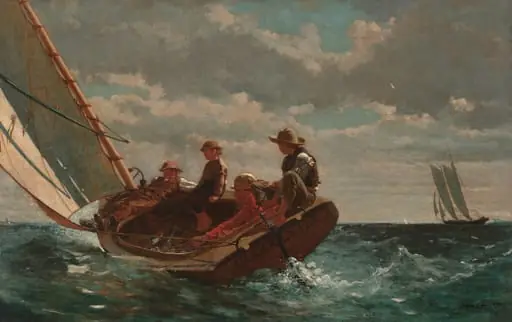
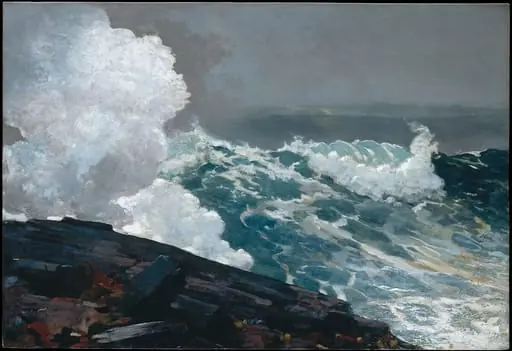
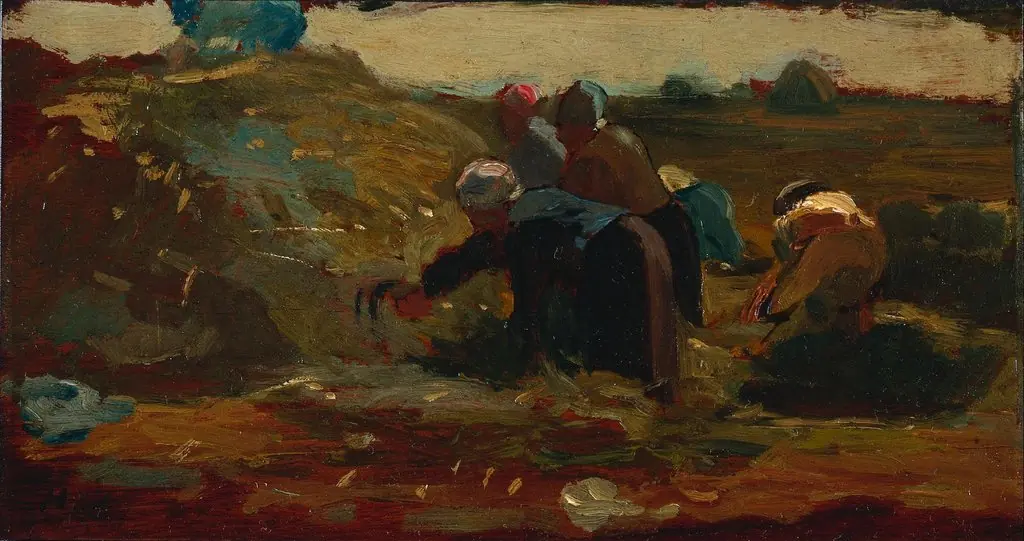
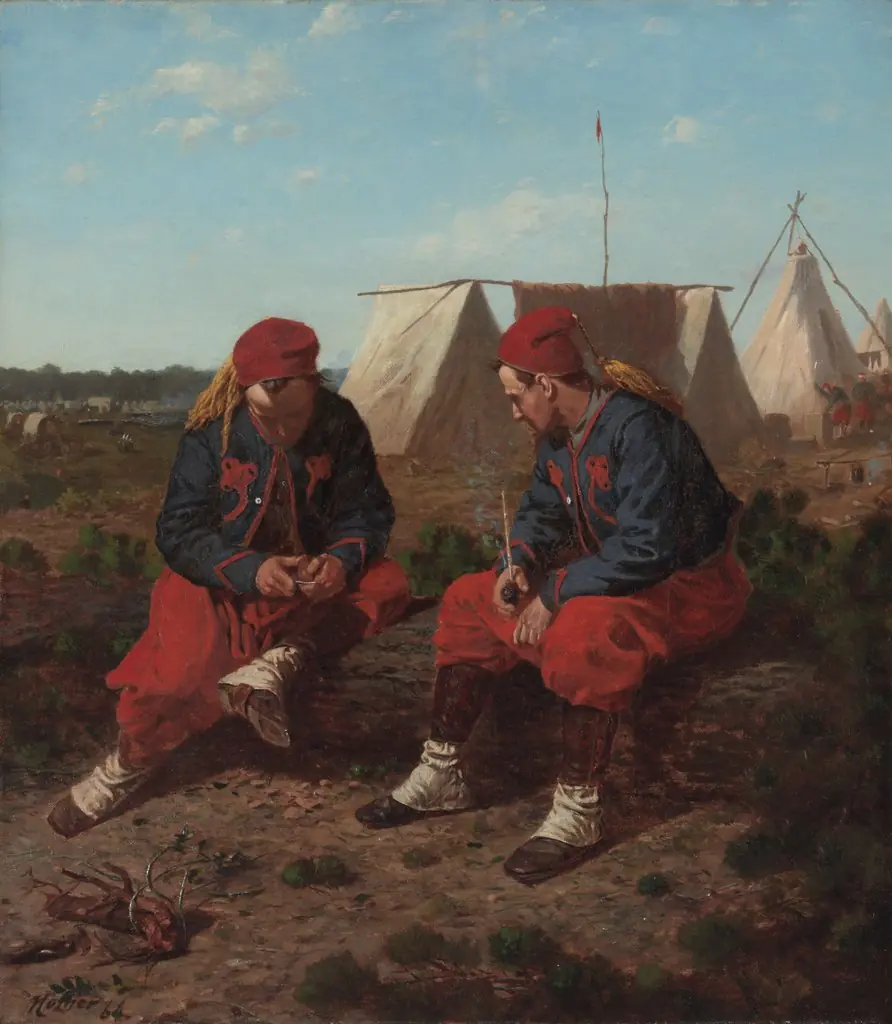
Winslow Homer (February 24, 1836 – September 29, 1910) was an American landscape painter and illustrator, best known for his marine subjects.

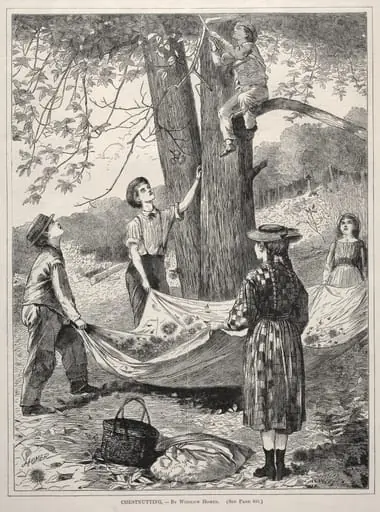 Chestnutting
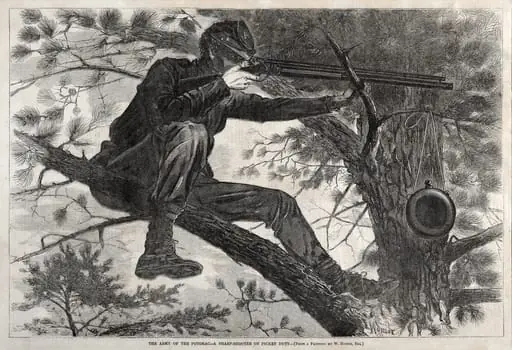 The Army of the Potomac - A Sharpshooter on Picket Duty
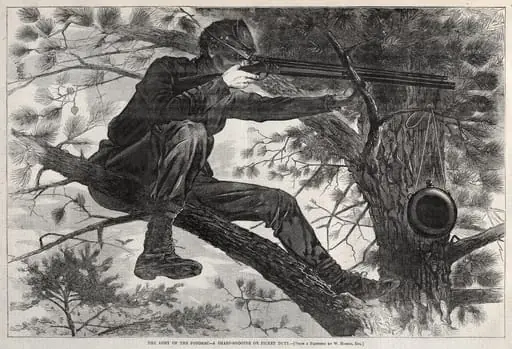 A Sharpshooter on Picket Duty
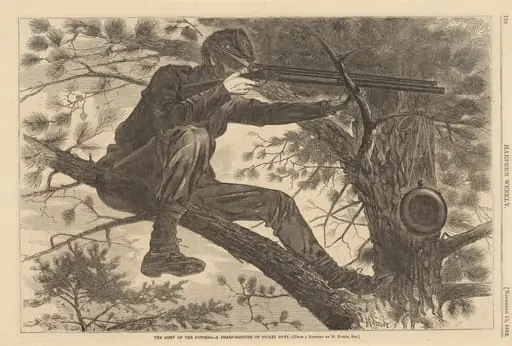 The Army of the Potomac - A Sharp-Shooter on Picket Duty
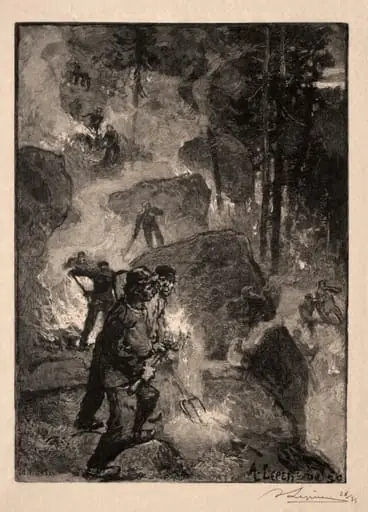 Brûleurs de Fougères
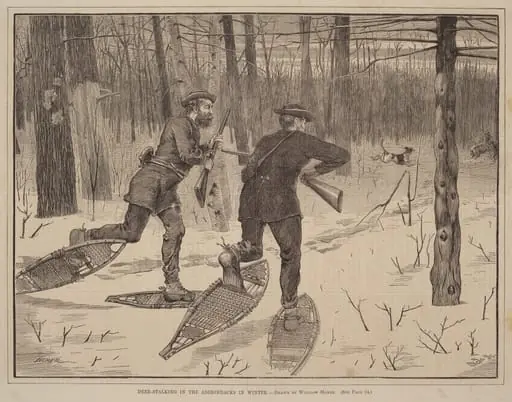 Deer-Stalking in the Adirondacks in Winter
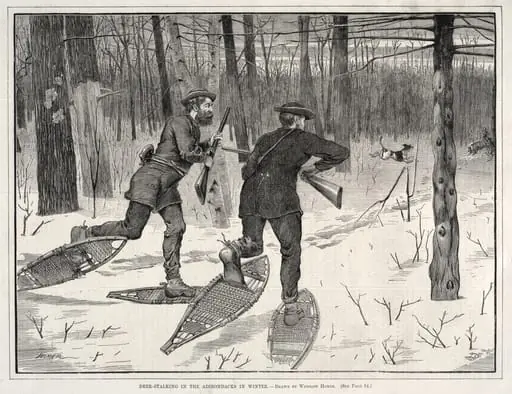 Deer Stalking in the Adirondacks in Winter
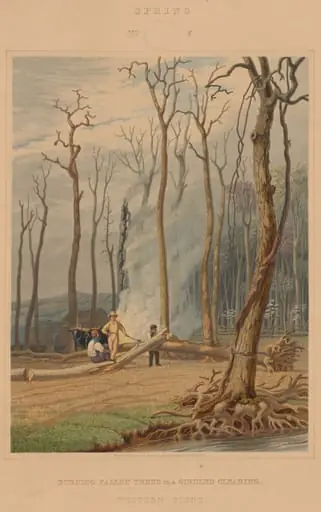 Spring--Burning Fallen Trees in a Girdled Clearing. Western Scene
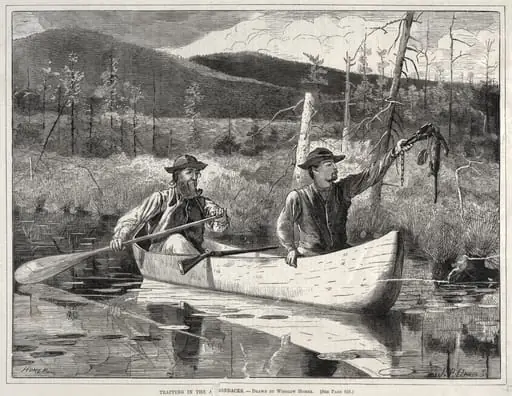 Trapping in the Adirondacks
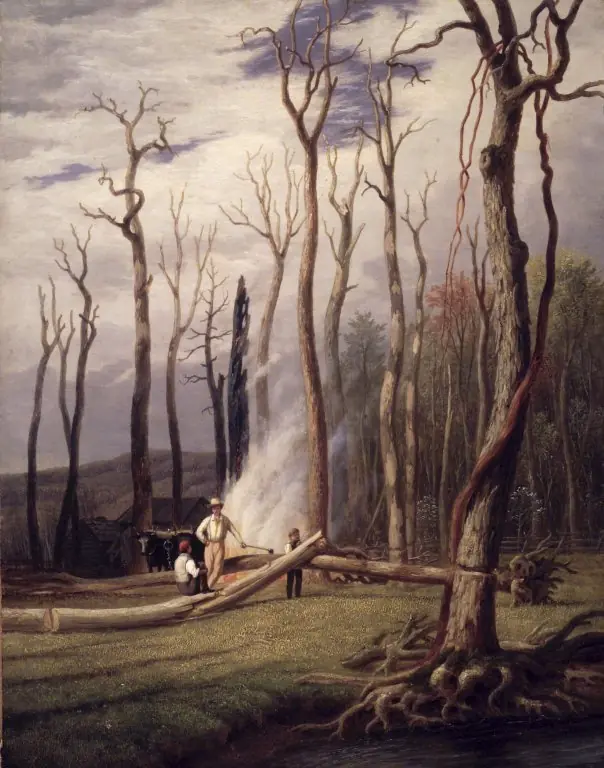 Spring--Burning Trees in a Girdled Clearing, Western Scene
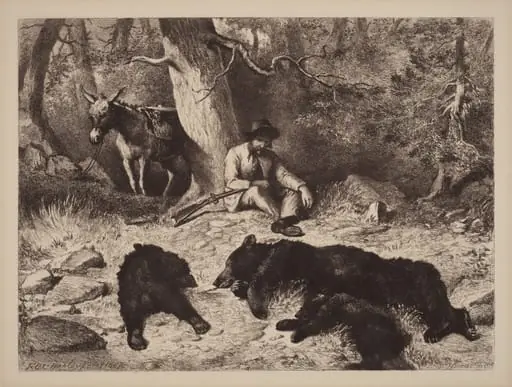 After a Good Day's Sport
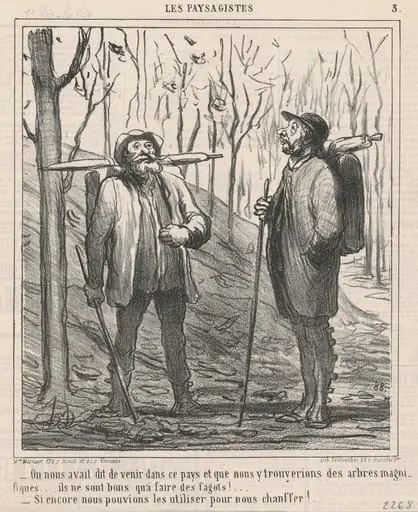 On nous avait dit de venir dans ce pays ...