Artwork
The Wonderful Dutton Children
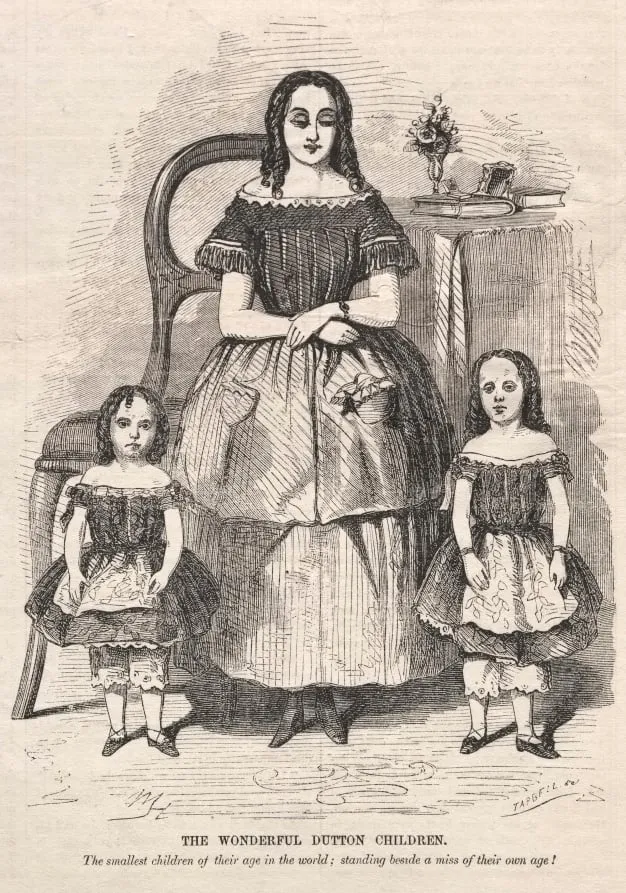
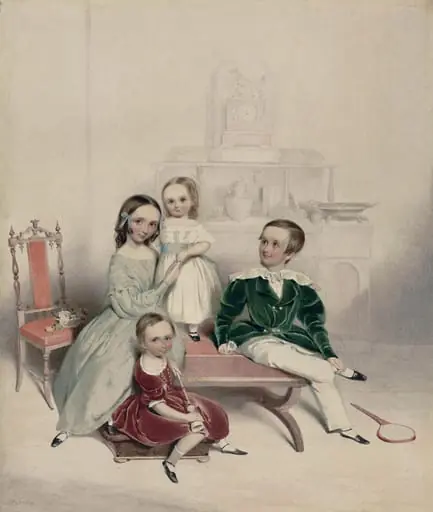
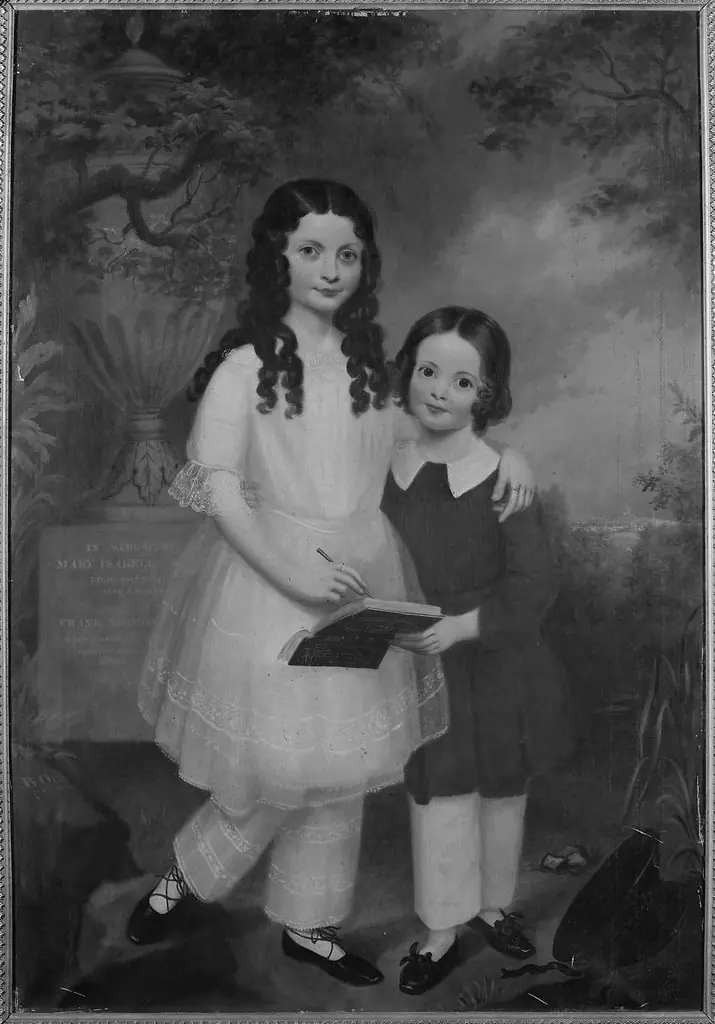
The Wonderful Dutton Children is a print by the Impressionist artist Winslow Homer. It dates from 1859 and is held in the collection of the Cleveland Museum of Art.
About this work
Overview
Winslow Homer produced the print *The Wonderful Dutton Children* in 1859. Executed during his early professional period, the work records a domestic scene of three young girls, rendered with the solid modeling and attention to surface that anticipate his later, more mature paintings.
Subject & Meaning
The image presents three sisters from the Dutton family, dressed in elaborate mid‑nineteenth‑century attire. The eldest sits on a chair, holding a fan, while the two younger stand nearby. Their refined garments, complete with lace and ruffles, emphasize the genteel status of the family and the period’s expectations of childhood propriety.
Technique & Style
Created as a print, the composition relies on careful line work and tonal shading to convey volume and texture. Homer’s handling of the figures shows a weightiness typical of his studio studies, while the delicate rendering of fabrics and accessories reflects the realist interest in precise, everyday detail.
History & Provenance
The piece originates from Homer’s formative years as a commercial illustrator, before he fully embraced oil and watercolor. It was likely commissioned by the Dutton family, a common practice for portraiture in the 1850s, and has since entered the public record as an example of his early output.
Context
Produced at a time when American art was turning toward realistic depictions of ordinary life, the print aligns with the broader realist movement that sought to document contemporary society without idealization. Its focus on a domestic interior and well‑dressed children mirrors similar genre works of the period.
Artist & collection
Artist
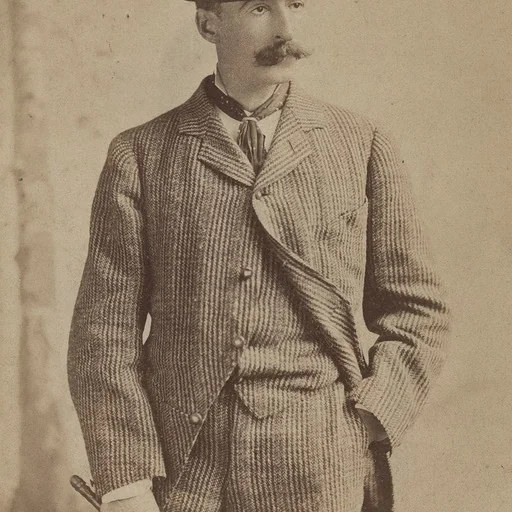
Winslow Homer (February 24, 1836 – September 29, 1910) was an American landscape painter and illustrator, best known for his marine subjects.