Artwork
Twilight at Leeds, New York
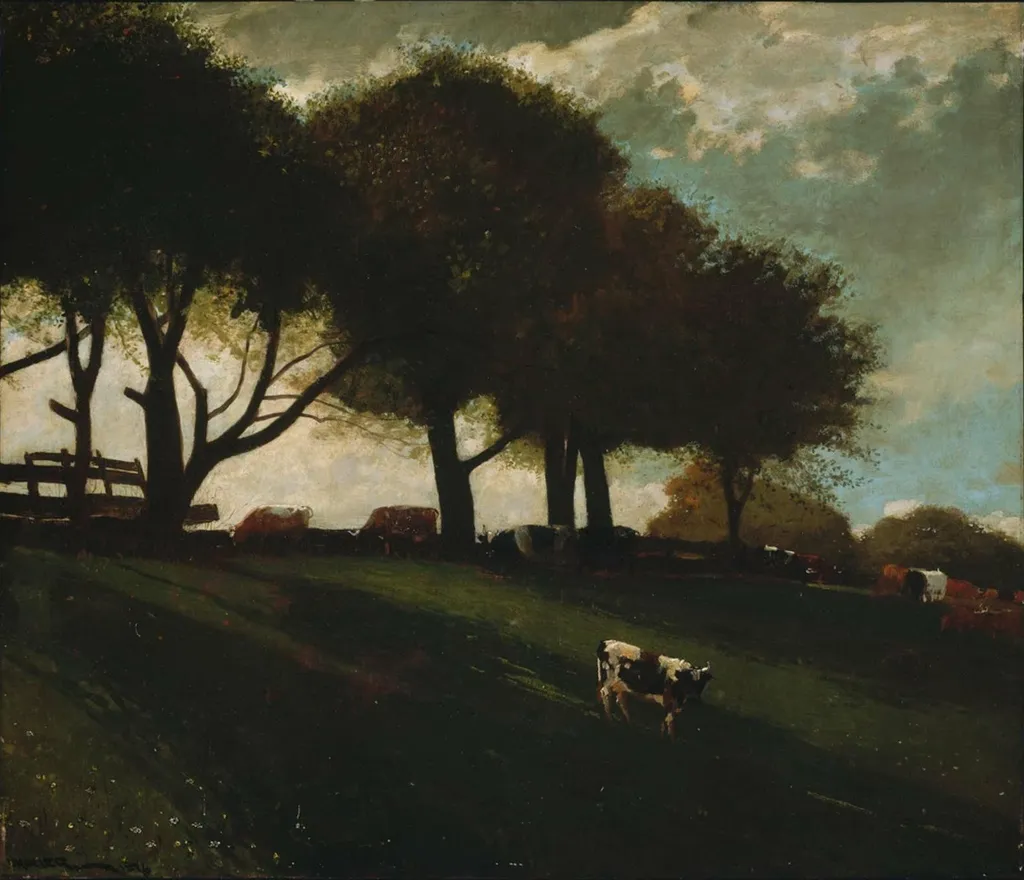
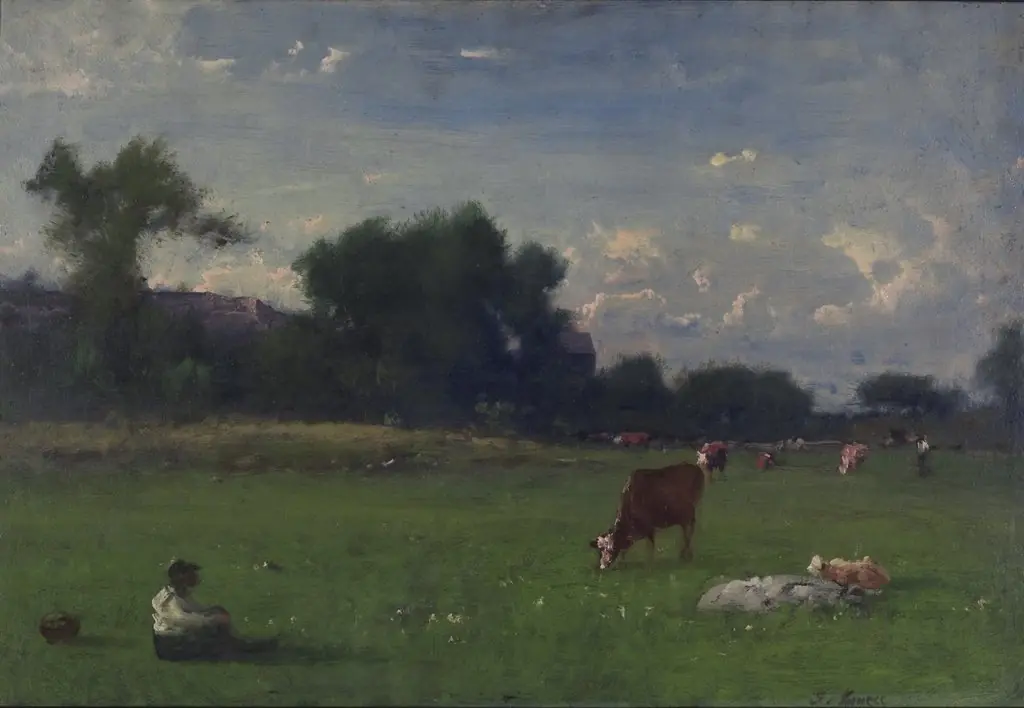
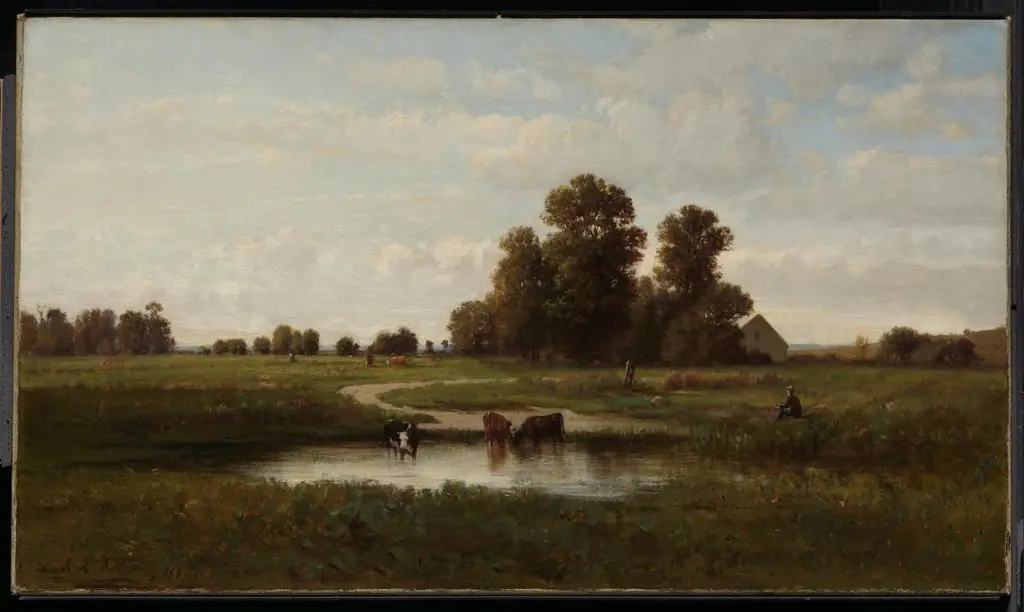
Twilight at Leeds, New York is an oil painting by the American Impressionist artist Winslow Homer. It dates from 1888 and is held in the collection of the Museum of Fine Arts Boston.
About this work
Overview
Though often linked to American Impressionism, Homer’s approach here is more restrained, favoring atmospheric tone over vibrant color.
Painted in 1888, *Twilight at Leeds, New York* is an oil landscape by Winslow Homer that captures a quiet rural moment at day’s end. Though often linked to American Impressionism, Homer’s approach here is more restrained, favoring atmospheric tone over vibrant color. The work reflects his shift from illustration to independent painting, emphasizing mood over narrative. Its scale and quiet composition signal a mature engagement with the natural world.
Subject & Meaning
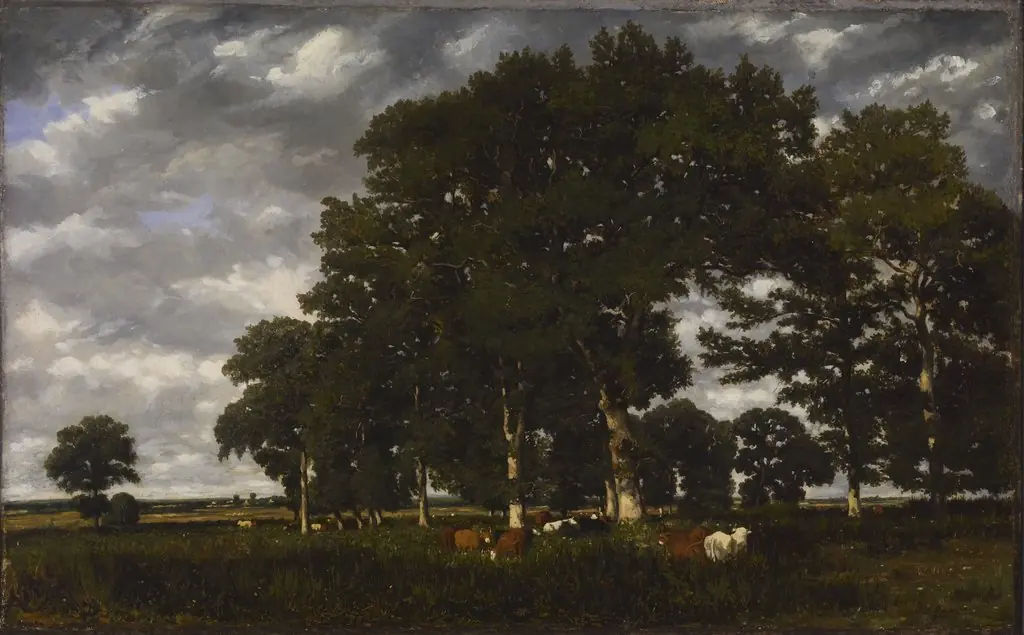
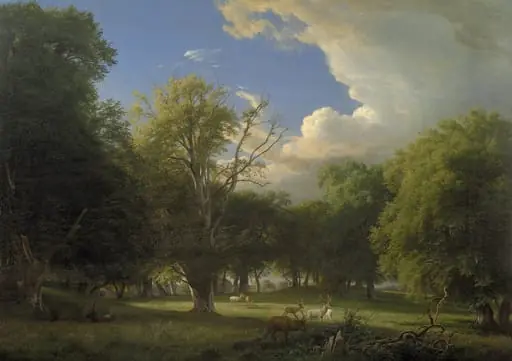
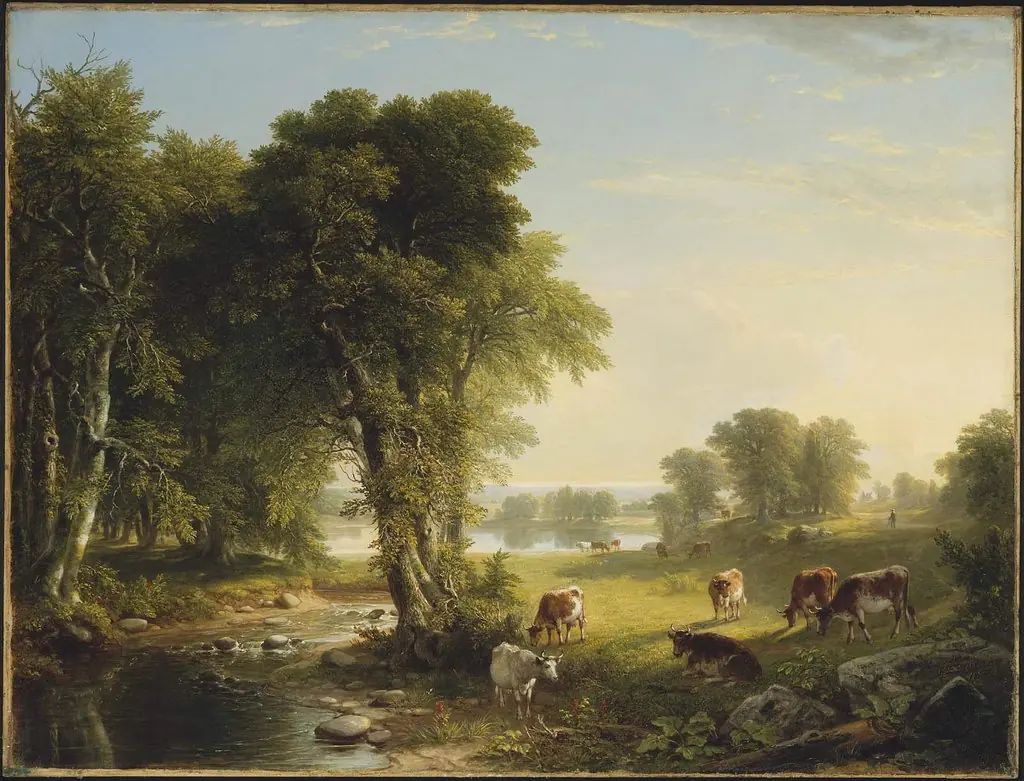
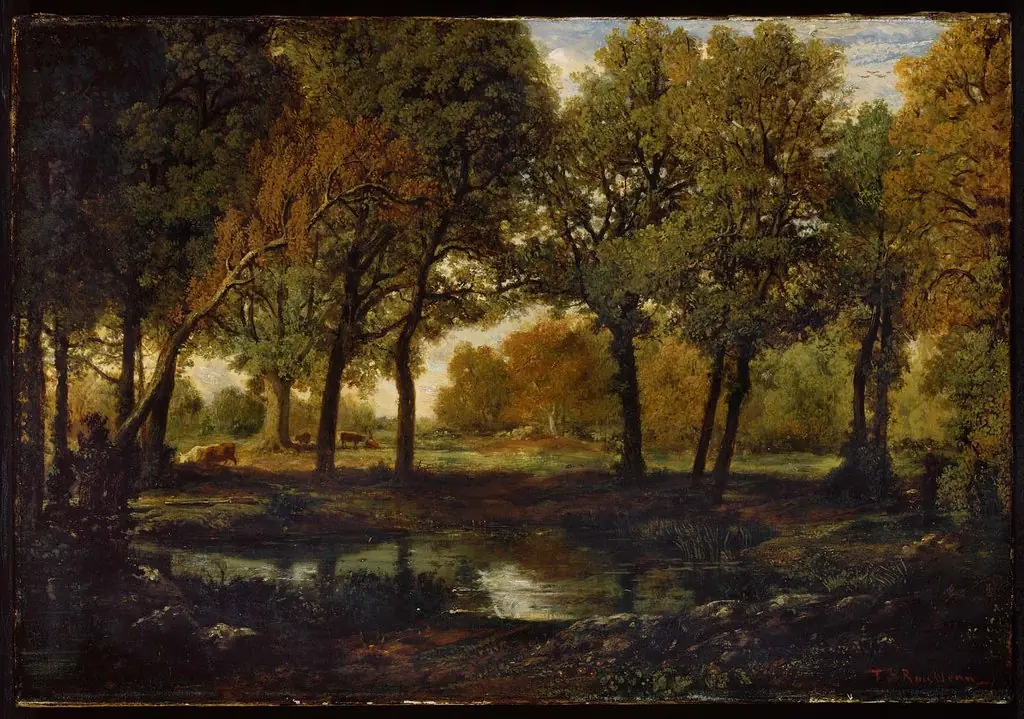
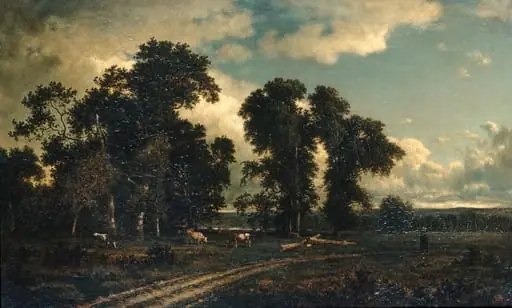
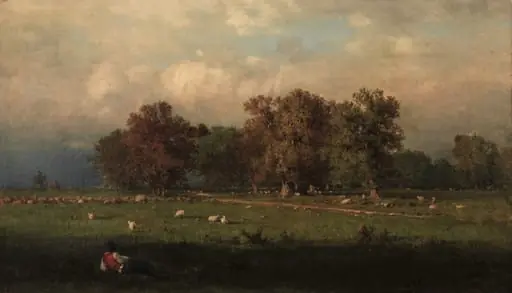
The scene portrays a pasture in upstate New York at twilight, with grazing cattle faintly visible in the distance and sparse trees framing the horizon. There is no human presence, and the absence of activity underscores a sense of solitude. The fading light suggests transition—not just between day and night, but perhaps between an agrarian past and an emerging modernity. The stillness invites contemplation rather than storytelling.
Technique & Style
Homer employed loose, deliberate brushwork to suggest texture in the grass and soft transitions in the sky. He used muted greens and grays to build depth, avoiding bright pigments in favor of tonal variation. Chiaroscuro is subtly applied, with shadowed areas anchoring the composition and guiding the eye toward the horizon. The paint is applied with physical presence, yet never overly textured, preserving the scene’s quiet realism.
History & Provenance
Created during Homer’s period of retreat from urban life, the painting reflects his time spent in rural New York. It was likely painted on-site, consistent with his practice of working directly from nature. The work remained in private hands for decades before entering a public collection. Its provenance is well-documented, with no significant gaps, affirming its authenticity and steady recognition among scholars.
Context
In the late 1880s, American artists were increasingly drawn to rural subjects as industrialization reshaped the landscape. Homer’s focus on twilight and pastoral stillness aligned with broader cultural nostalgia, yet his treatment avoided sentimentality. Unlike European Impressionists, he prioritized structural clarity and emotional restraint, situating his work between realism and a more introspective modernism.
Legacy
Though less celebrated than Homer’s seascapes, *Twilight at Leeds* exemplifies his ability to convey quiet dignity in ordinary landscapes. It influenced later American painters seeking to capture atmosphere without theatricality. The painting remains a touchstone for understanding how 19th-century artists reconciled observation with emotional resonance, contributing to a distinctly American visual language grounded in stillness and light.
Own this work as a print
Artist & collection
Artist
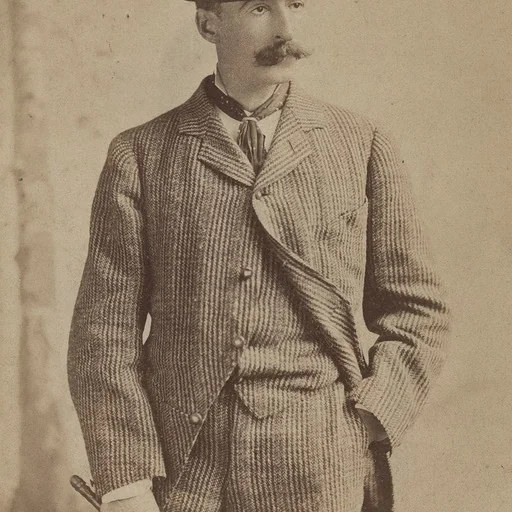
Winslow Homer (February 24, 1836 – September 29, 1910) was an American landscape painter and illustrator, best known for his marine subjects.