Artwork
Figures from the Farnese Palace and from Life
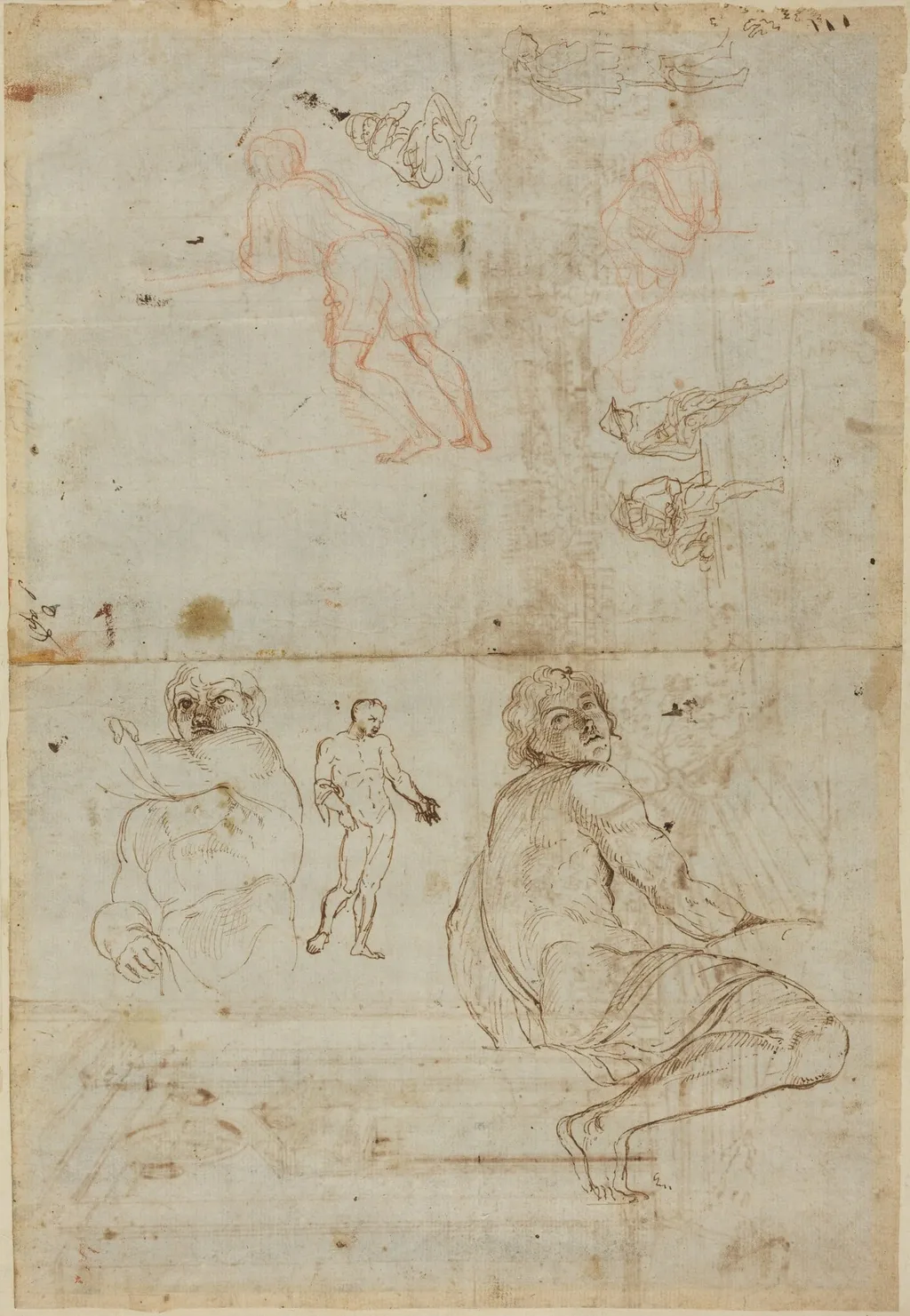
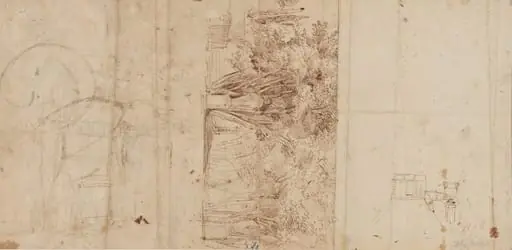
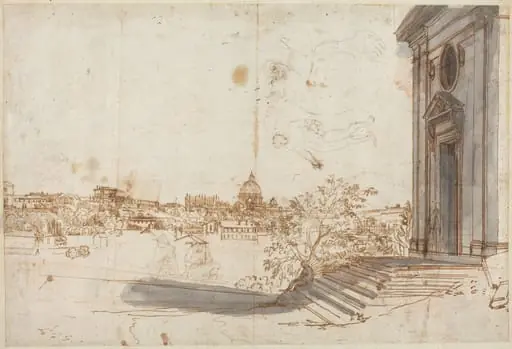
Figures from the Farnese Palace and from Life is an ink drawing by the Baroque artist Gaspar van Wittel. It dates from 1710 and is held in the collection of the National Gallery of Art.
About this work
This drawing is called Figures from the Farnese Palace and from Life.
It was made around 1710 by Gaspar van Wittel.
The artist used a mix of pen, brown ink, red chalk, and graphite on laid paper to create it.
The drawing is part of the Baroque movement, which was popular in Europe during that time.
To learn more about this style, look into the movement: Baroque.
Overview
Figures from the Farnese Palace and from Life is a drawing created around 1710 by Caspar van Wittel, a Dutch artist active in Rome. The work combines pen, brown ink, red chalk, and graphite on laid paper.
Subject & Meaning
The drawing comprises architectural and figural studies, likely sourced from both the Farnese Palace and observations from life, reflecting van Wittel's practice of capturing detailed topographical views and human figures.
Technique & Style
Van Wittel's use of mixed media, including pen, brown ink, and red chalk, is characteristic of his detailed and versatile drawing style, associated with the Baroque movement prevalent in Europe during the early 18th century.
History & Provenance
As a veduta painter, van Wittel spent much of his career in the Papal States, where he developed his skill in capturing detailed topographical views, influencing his work, including Figures from the Farnese Palace and from Life.
Artist & collection
Artist
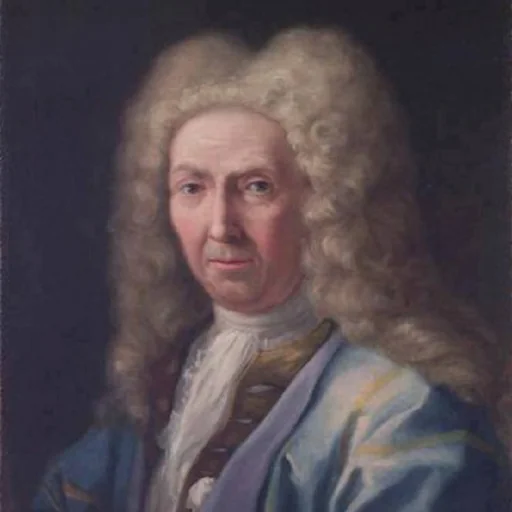
Caspar van Wittel or Gaspar van Wittel (Dutch: ; born Jasper Adriaensz van Wittel; 1652 or 1653 – 13 September 1736), known in Italian as Gaspare Vanvitelli (IPA: ) or Gasparo degli Occhiali (IPA: ), was a Dutch painter…

 Studies of Figures (verso)
![Figure Studies [recto], by Perino del Vaga](https://artifactworldgallery.com/img/perino-del-vaga--figure-studies-recto--c7d34665e14a7057-w320.webp) Figure Studies [recto]
Figure Studies [recto] Sketch of Two Men and Other Various Figures (verso)
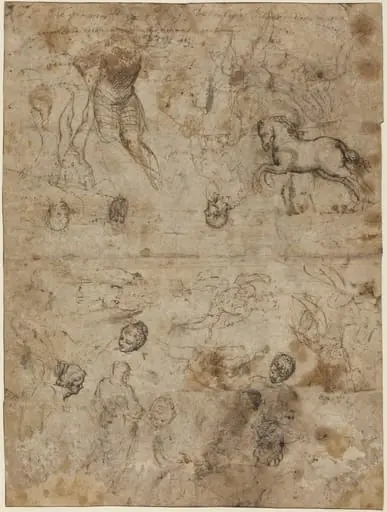 Sheet of Studies
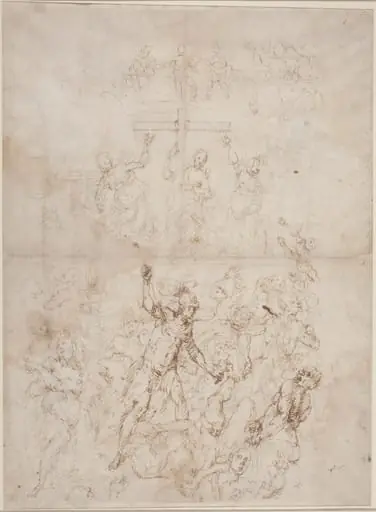 The Last Judgment
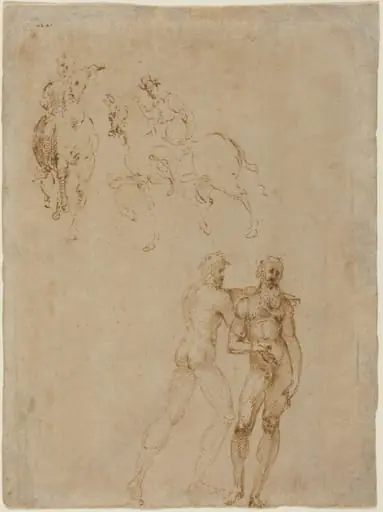 Two Horsemen and Two Male Nudes
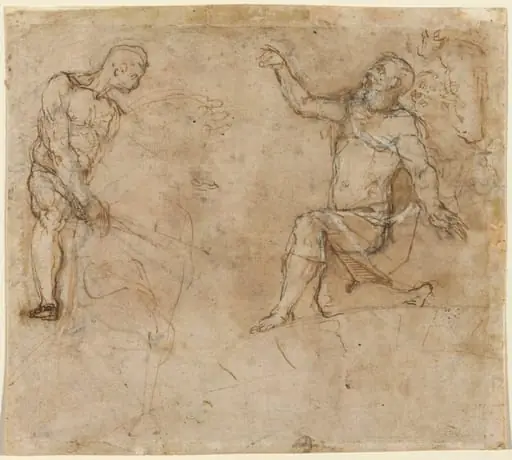 Figure Studies
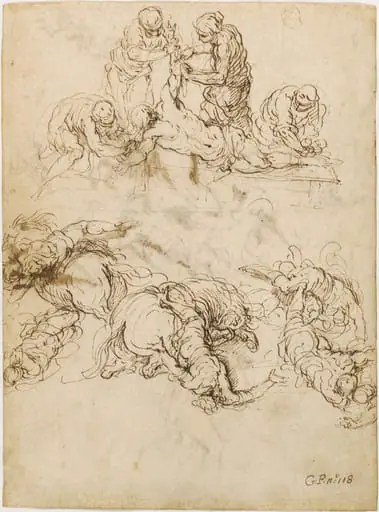 The Martyrdom of Saint Bartholomew; The Conversion of Saint Paul
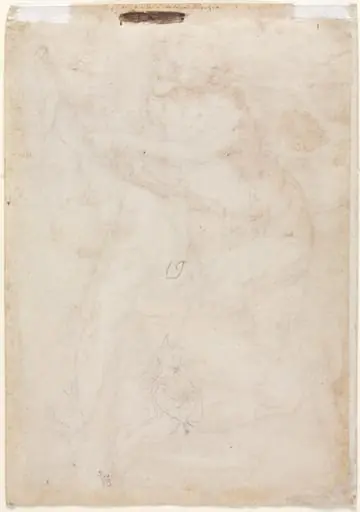 Two Sketches of a Mother and Child (verso)
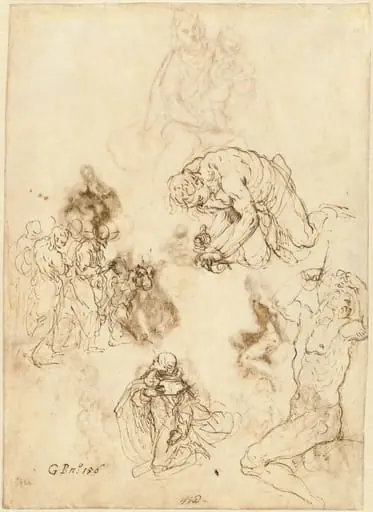 Studies of Christ Healing the Blind Man, Saint Philip Benizzi, and Saint Sebastian
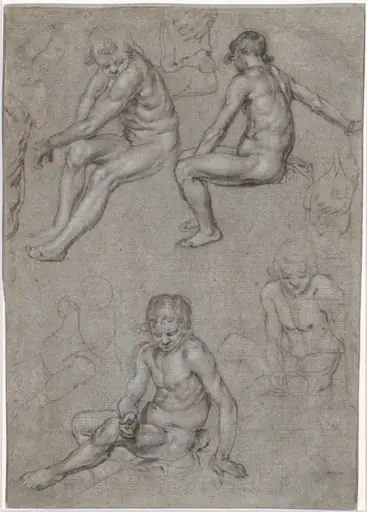 Studies of a Naked Seated Boy
![Saint Matthew and Saint Jerome [verso], by Correggio](https://artifactworldgallery.com/img/correggio--saint-matthew-and-saint-jerome-verso--233cd3c0f2701d8c-w320.webp) Saint Matthew and Saint Jerome [verso]
Saint Matthew and Saint Jerome [verso]