Artwork
View of Tiber in Rome
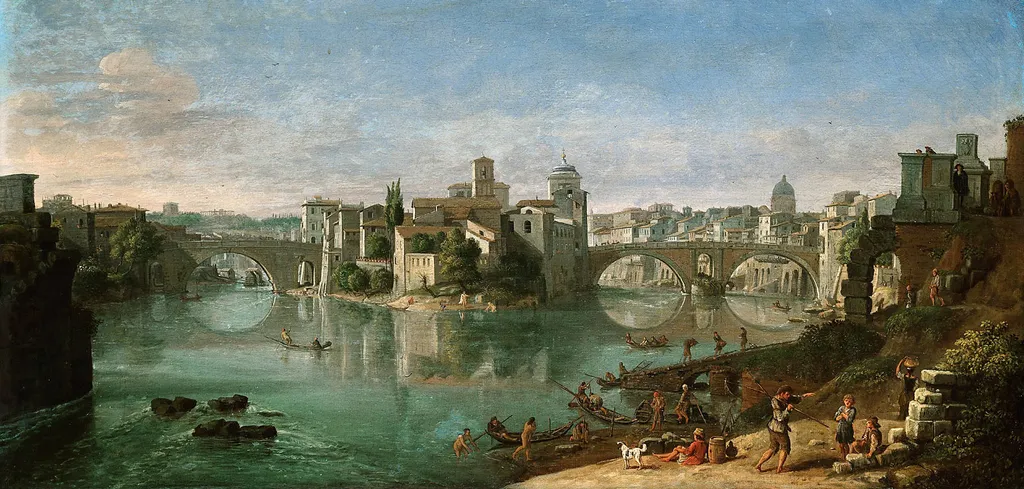
View of Tiber in Rome is an oil painting by the Dutch Golden Age artist Gaspar van Wittel. It dates from 1693 and is held in the collection of the Kunsthistorisches Museum. Painted in 1693, this oil on canvas depicts a quiet stretch of the Tiber River in Rome.
About this work
Overview
It is part of the Kunsthistorisches Museum’s collection and reflects van Wittel’s role in shaping this genre during his decades-long stay in Rome.
Painted in 1693, this oil on canvas depicts a quiet stretch of the Tiber River in Rome. Created by the Dutch artist Gaspar van Wittel, known in Italy as Gaspare Vanvitelli, the work exemplifies the veduta tradition—precise, observational cityscapes that blend topographical accuracy with atmospheric detail. It is part of the Kunsthistorisches Museum’s collection and reflects van Wittel’s role in shaping this genre during his decades-long stay in Rome.
Subject & Meaning
The painting captures everyday life along the Tiber: small boats drift on the water, some occupied by fishermen or rowers, while figures linger on the banks. A stone bridge connects the riverbanks, framing the composition and linking urban structures with natural elements. The scene avoids grandeur, instead emphasizing the quiet rhythm of daily activity, suggesting a documentary intent rather than idealized spectacle.
Technique & Style
Van Wittel employed careful linear perspective and subtle tonal gradations to render depth and spatial coherence. Light falls naturally across the scene, illuminating rooftops and water while casting soft shadows along the riverbank. The use of chiaroscuro enhances the three-dimensionality of architecture and landscape, and the brushwork remains precise yet unobtrusive, supporting the painting’s observational clarity over expressive flourish.
History & Provenance
Gaspar van Wittel settled in Rome around 1675 and produced numerous views of the city over the next fifty years. This painting, dated 1693, is among his early mature works. It entered the Kunsthistorisches Museum’s collection in Vienna through imperial acquisitions, likely during the 18th century, when interest in Italian topographical views grew among European collectors.
Context
Van Wittel worked during a period when European travelers sought accurate visual records of Rome’s ancient and contemporary landscapes. His paintings catered to pilgrims, scholars, and aristocrats interested in the city’s architecture and urban fabric. Unlike romanticized landscapes, his vedute served as visual documents, aligning with broader Enlightenment values of observation and record-keeping.
Legacy
Van Wittel’s method influenced later vedutisti, including Canaletto and Panini, who adopted his emphasis on architectural precision and atmospheric light. His works helped define the veduta as a distinct genre within 18th-century European painting. Though not widely celebrated in his lifetime, his contributions laid the groundwork for topographical painting’s enduring role in art and urban history.
Artist & collection
Artist
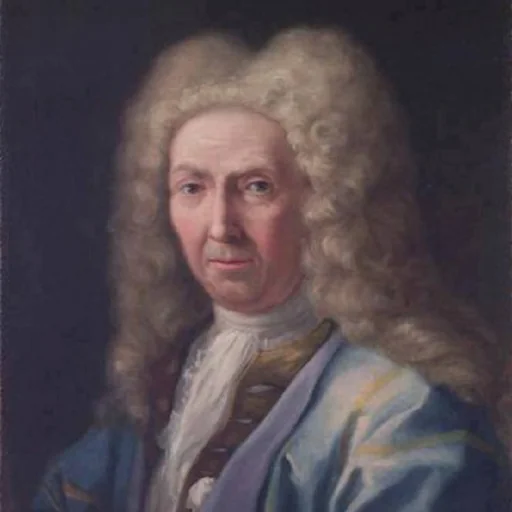
Caspar van Wittel or Gaspar van Wittel (Dutch: ; born Jasper Adriaensz van Wittel; 1652 or 1653 – 13 September 1736), known in Italian as Gaspare Vanvitelli (IPA: ) or Gasparo degli Occhiali (IPA: ), was a Dutch painter…

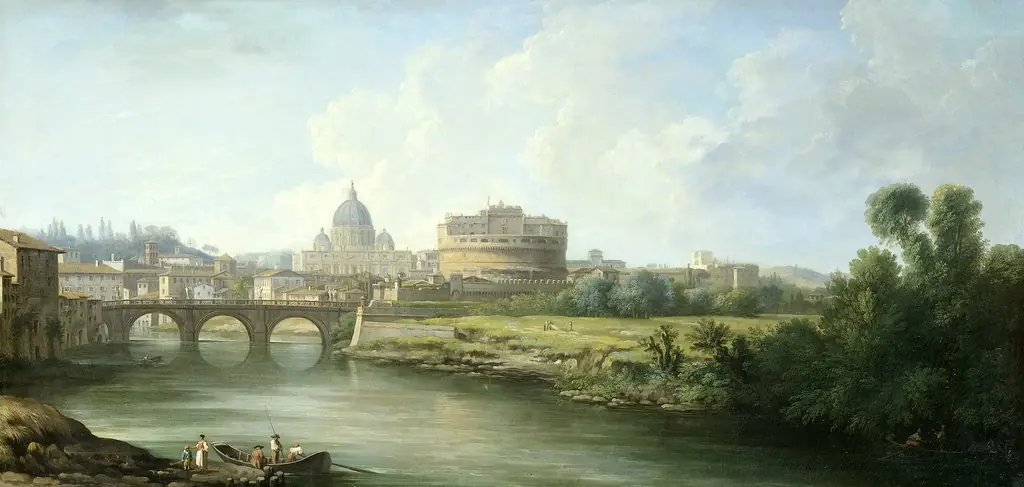 View of the Castel Sant'Angelo in Rome
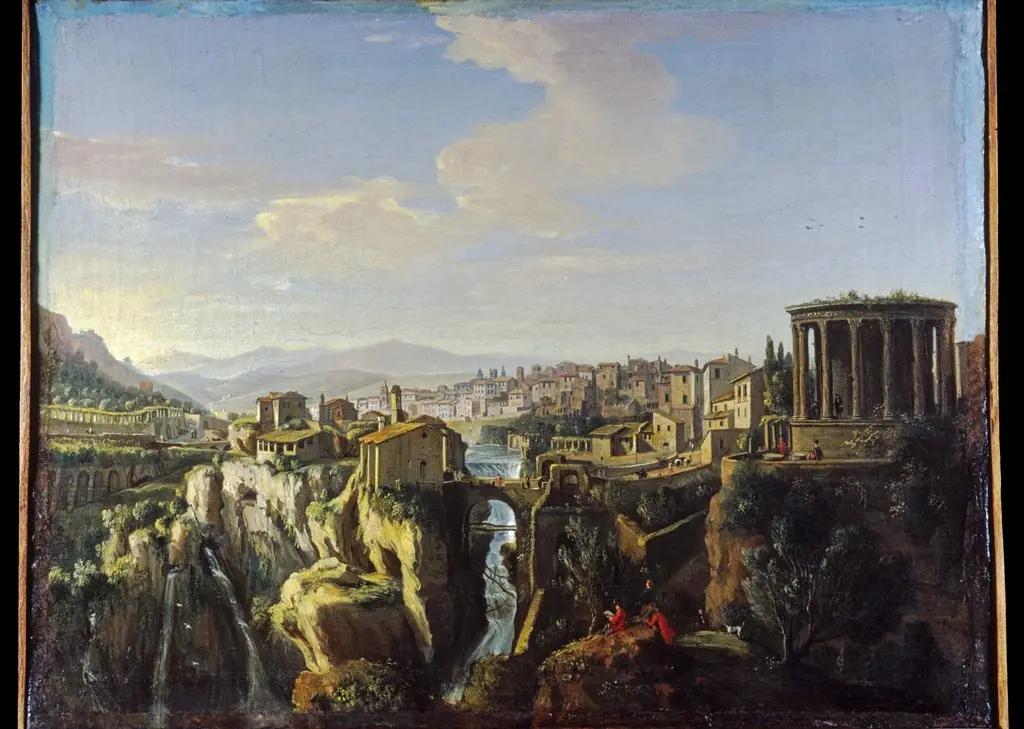 View of Tivoli
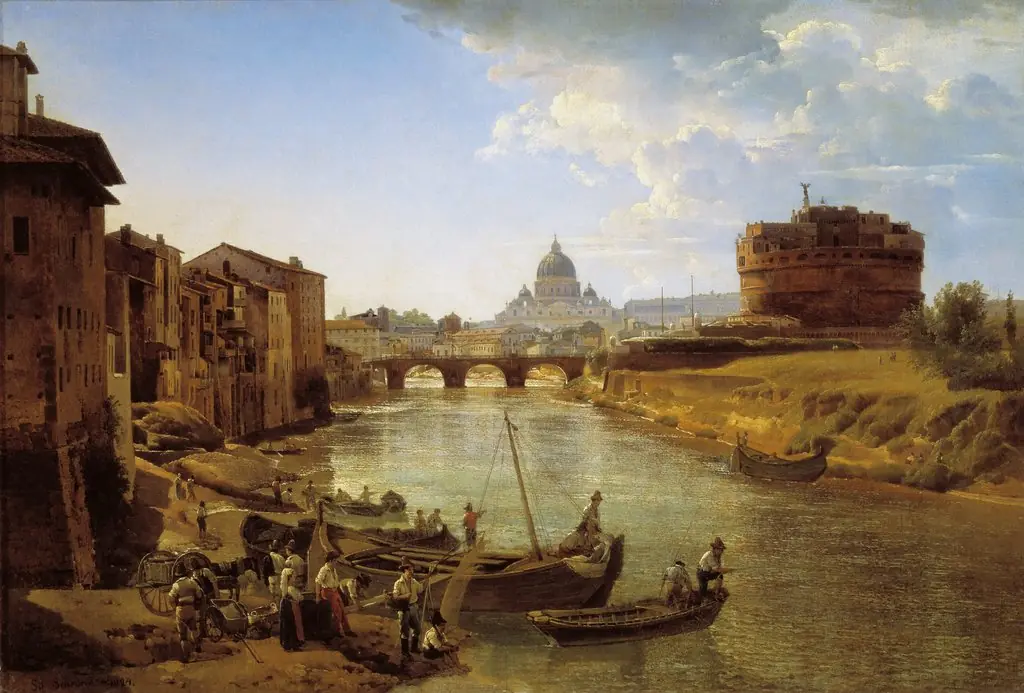 New Rome. The Castle of S.Angelo
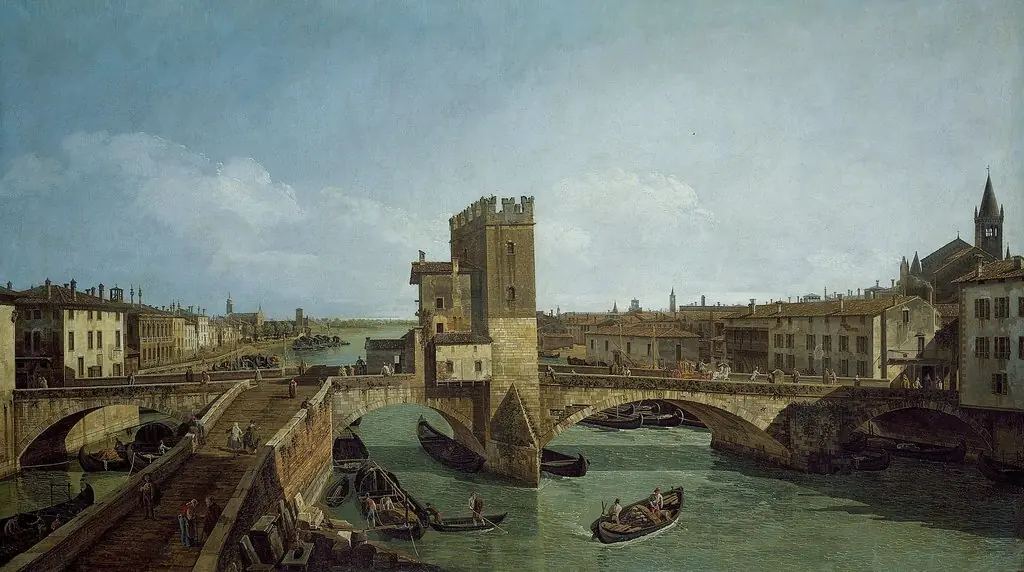 The Old Ponte delle Navi in Verona
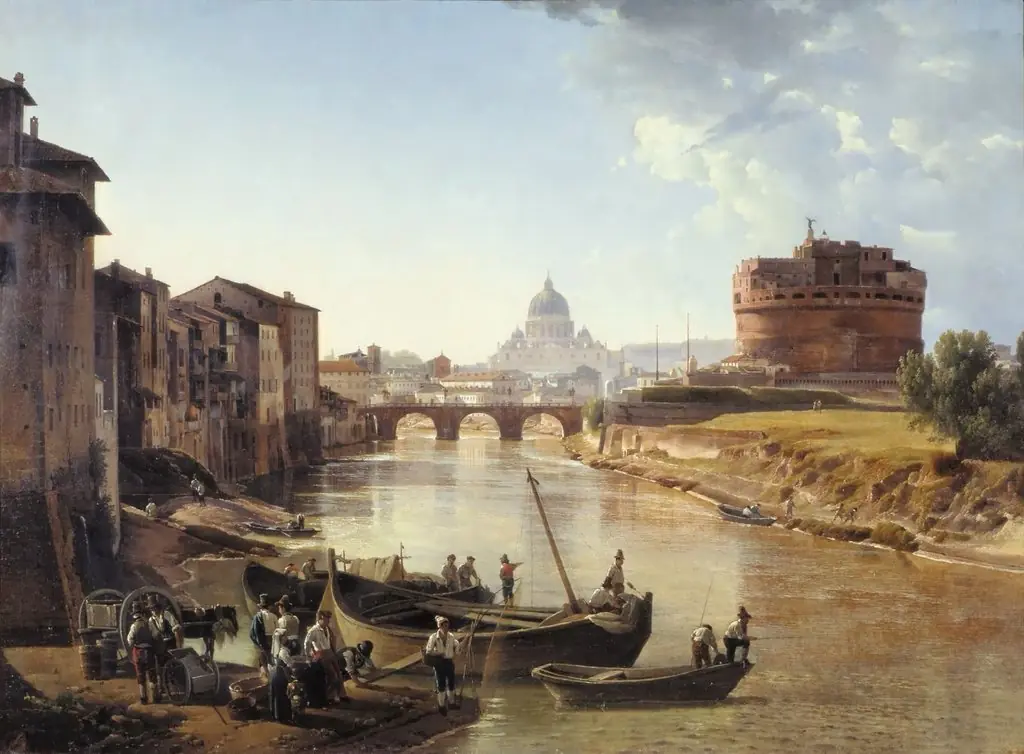 The New Rome. Castel Sant'Angelo
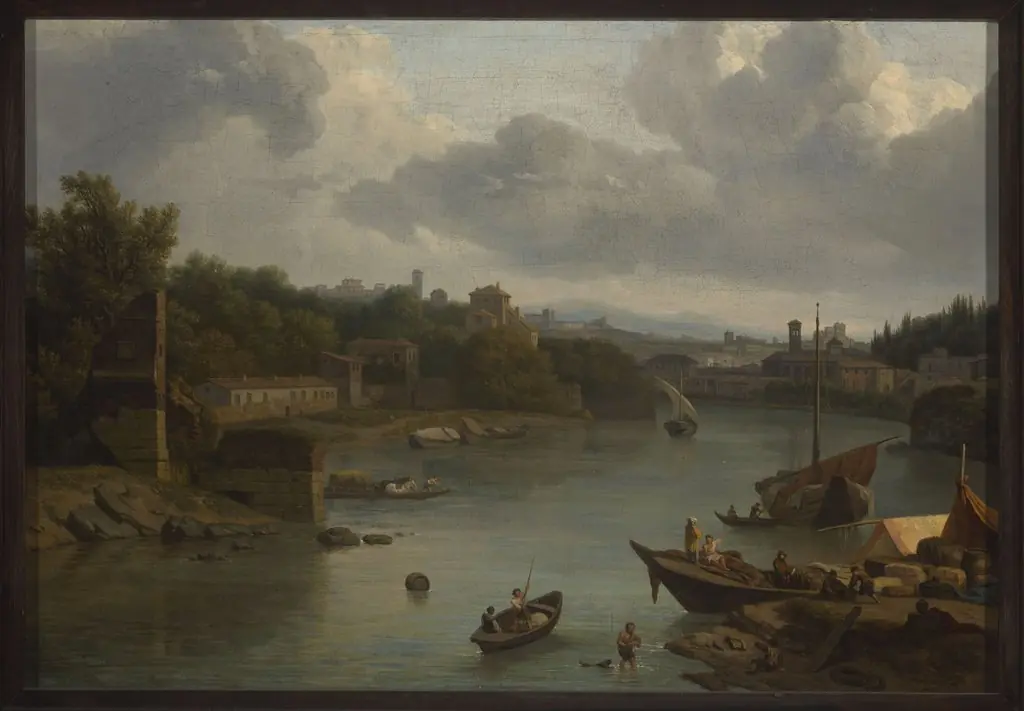 View of the Tiber from the south – Ripa Grande
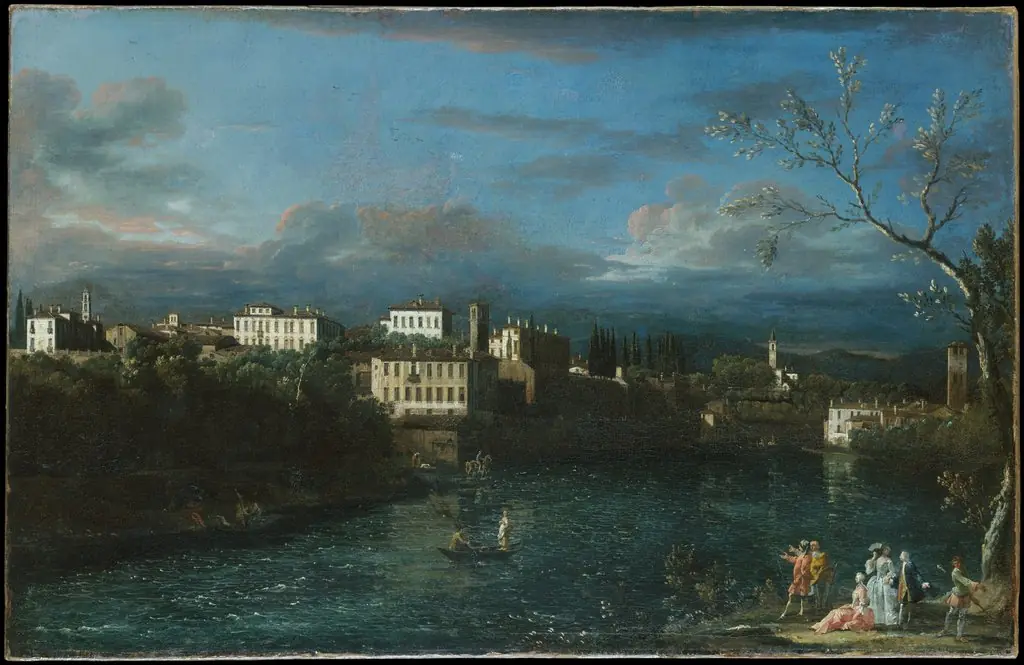 Vaprio d'Adda
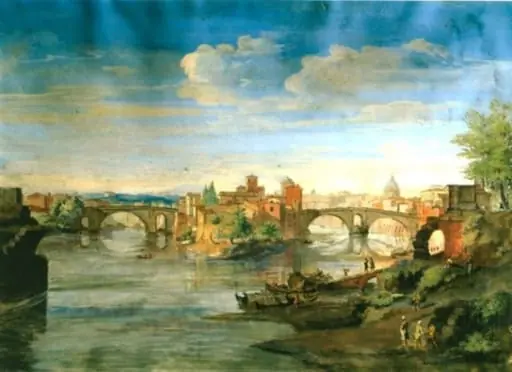 Vedută din Roma cu ponte Sisto
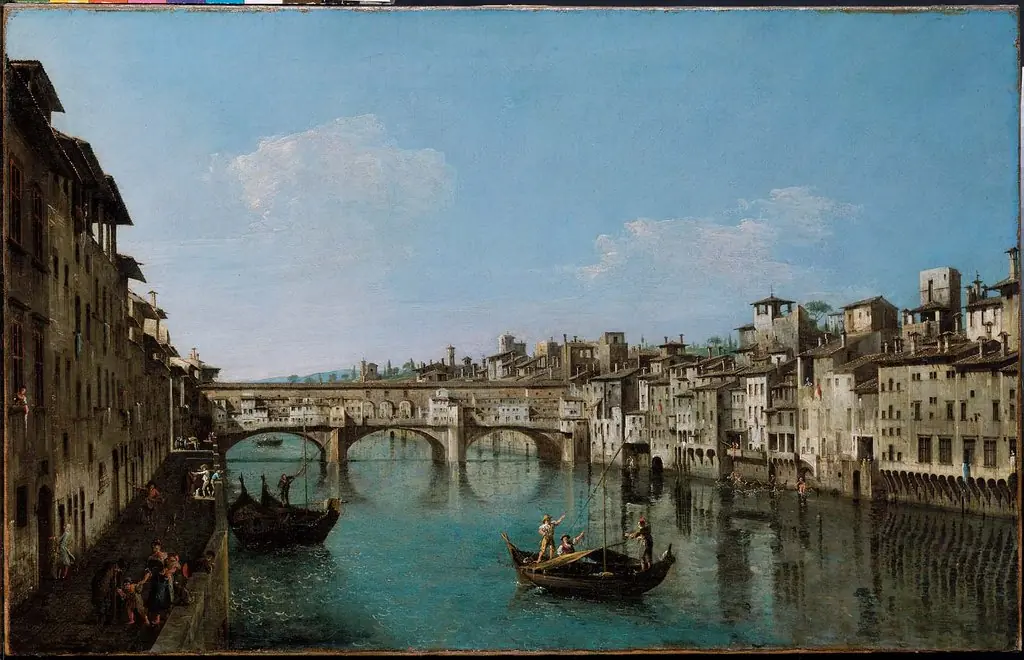 The Ponte Vecchio, Florence
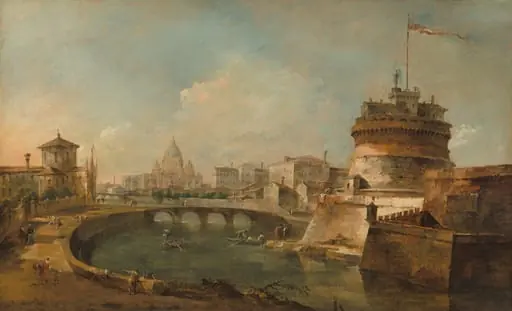 Fanciful View of the Castel Sant'Angelo, Rome