Artwork
White Water Valley in the Tatra Mountains
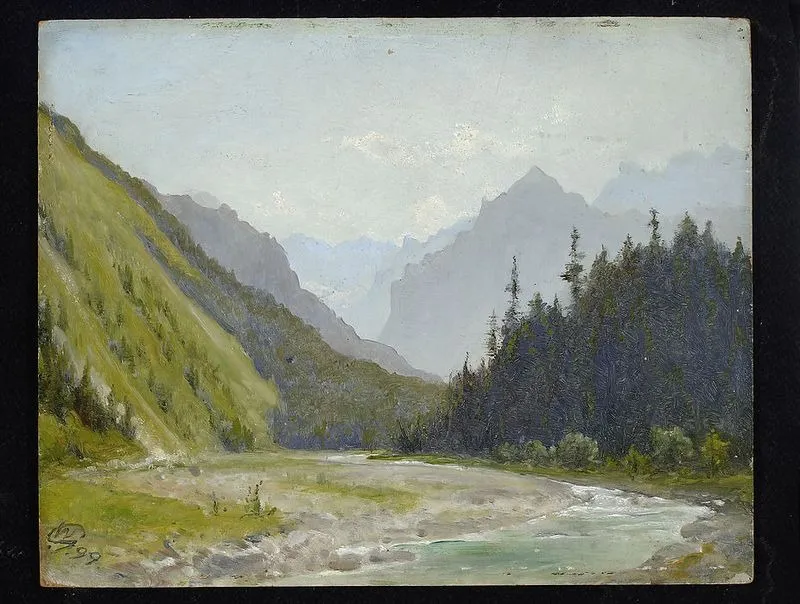
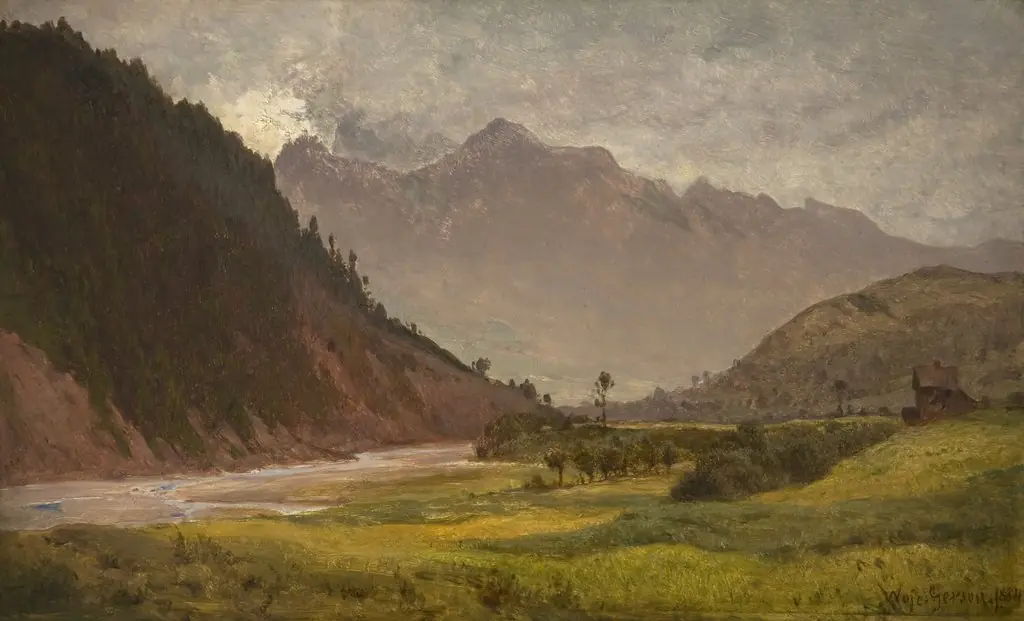
White Water Valley in the Tatra Mountains is an oil painting by Wojciech Gerson. It dates from 1900 and is held in the collection of the National Museum in Warsaw.
About this work
Overview
Gerson, a central figure in 19th-century Polish realism, turned to nature as both subject and spiritual refuge during a time of national fragmentation.
Painted in 1900 by Wojciech Gerson, *White Water Valley in the Tatra Mountains* is an oil-on-canvas landscape that captures a quiet stretch of the Polish highlands. Gerson, a central figure in 19th-century Polish realism, turned to nature as both subject and spiritual refuge during a time of national fragmentation. The work belongs to the National Museum in Warsaw’s permanent collection, reflecting its significance in the nation’s artistic heritage.
Subject & Meaning
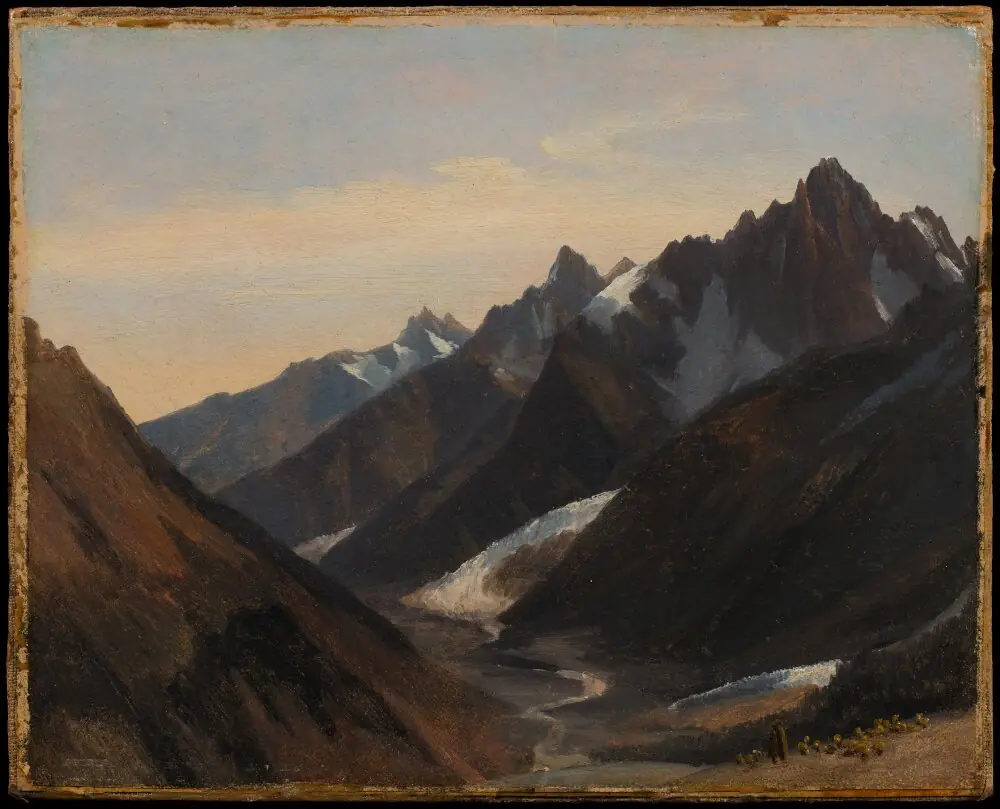
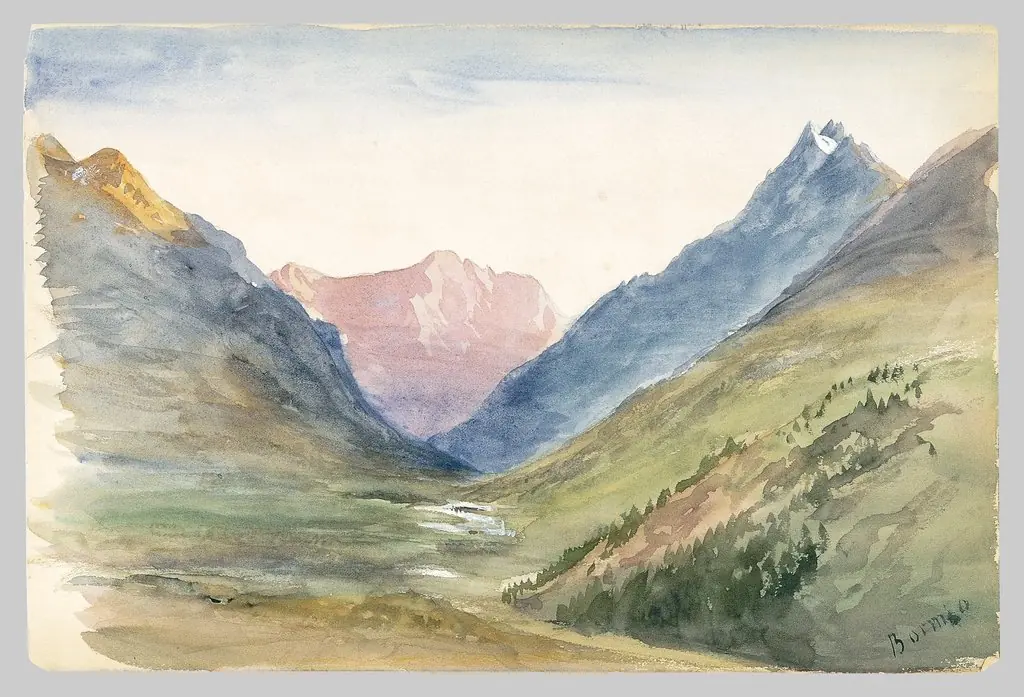
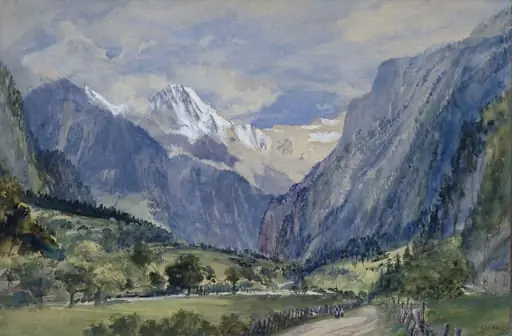
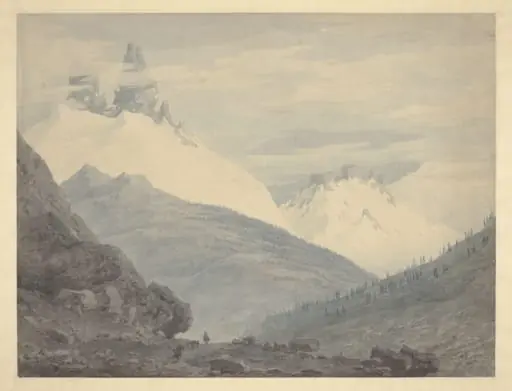
The painting portrays a tranquil river winding through a forested valley, framed by mist-capped peaks of the Tatra Mountains. Rather than emphasizing drama or human presence, Gerson focuses on the quiet harmony of natural elements. The stillness of the water and the layered foliage suggest a contemplative mood, possibly reflecting a longing for enduring beauty amid Poland’s political upheavals during the Partitions.
Technique & Style
Gerson employed bold, textured brushwork to convey the vitality of foliage and the movement of water, while subtle gradations of color create atmospheric depth. He used glazing techniques to build luminous layers in the sky and distant mountains, enhancing the sense of spatial recession. The composition guides the eye along the river’s path, anchoring the viewer in the landscape’s rhythm without artificial focal points.
History & Provenance
Created in the final year of the 19th century, the painting was produced during Gerson’s mature period, after decades of teaching at the Warsaw School of Fine Arts. It entered the National Museum’s collection shortly after its completion, likely through institutional acquisition. Its preservation reflects early 20th-century efforts to document and safeguard Polish cultural identity through art.
Context
Gerson painted this work during a period when Polish artists turned to native landscapes as symbols of cultural continuity under foreign rule. The Tatra Mountains, though geographically distant from Warsaw, held symbolic weight as a natural monument to Polish identity. His depiction avoids romantic idealism, instead offering a grounded, observant view aligned with Realist principles.
Legacy
Though not widely exhibited internationally, the painting remains a touchstone in Polish art history for its quiet integrity and technical discipline. Gerson’s influence as a teacher and writer on artistic anatomy extended beyond his own canvases, shaping generations of Polish painters who valued observation over ornament. This work exemplifies his commitment to truth in representation.
Artist & collection
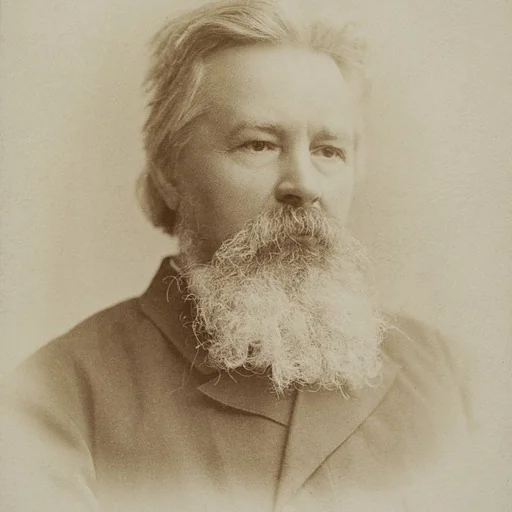
Artist
Wojciech Gerson (Polish: ; 1 July 1831 – 25 February 1901) was a Polish painter, educator, architect and art critic who was one of the foremost representatives of the Polish school of Realism during the foreign Partitions of Poland.