Artwork
Bacchanalia
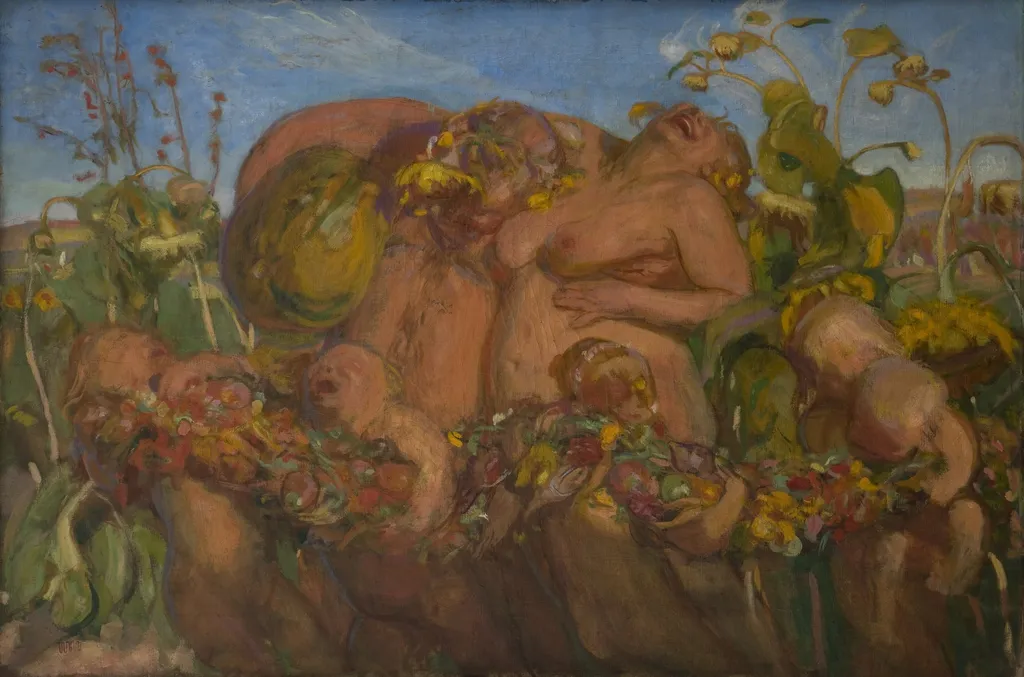
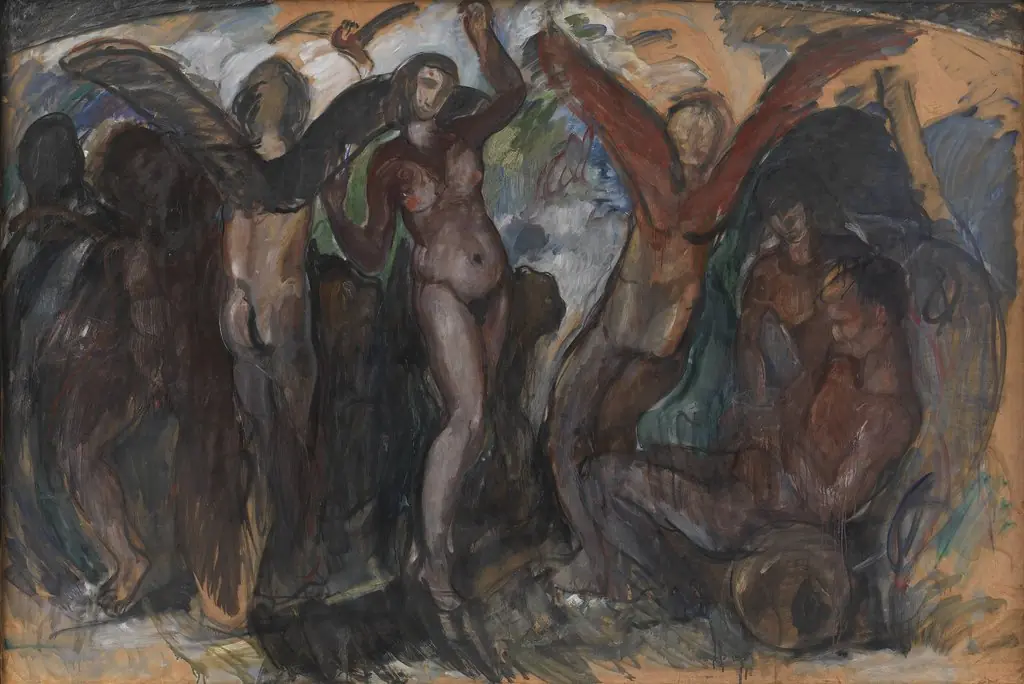
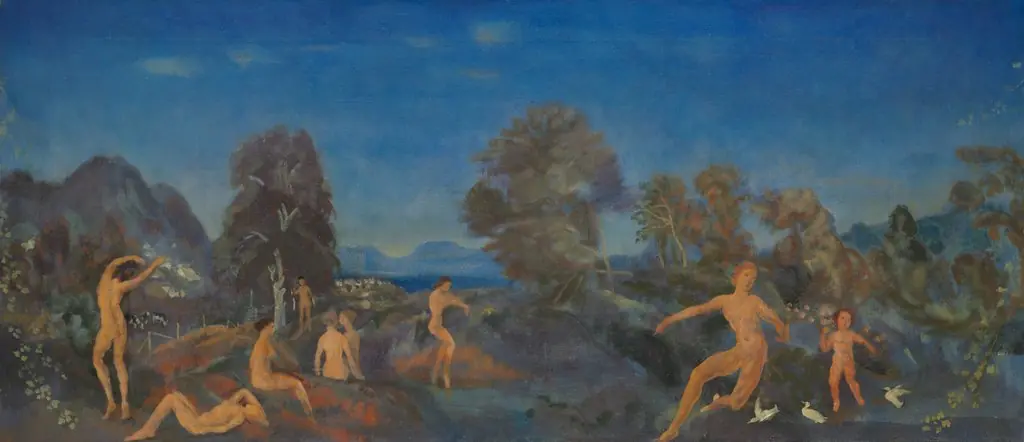
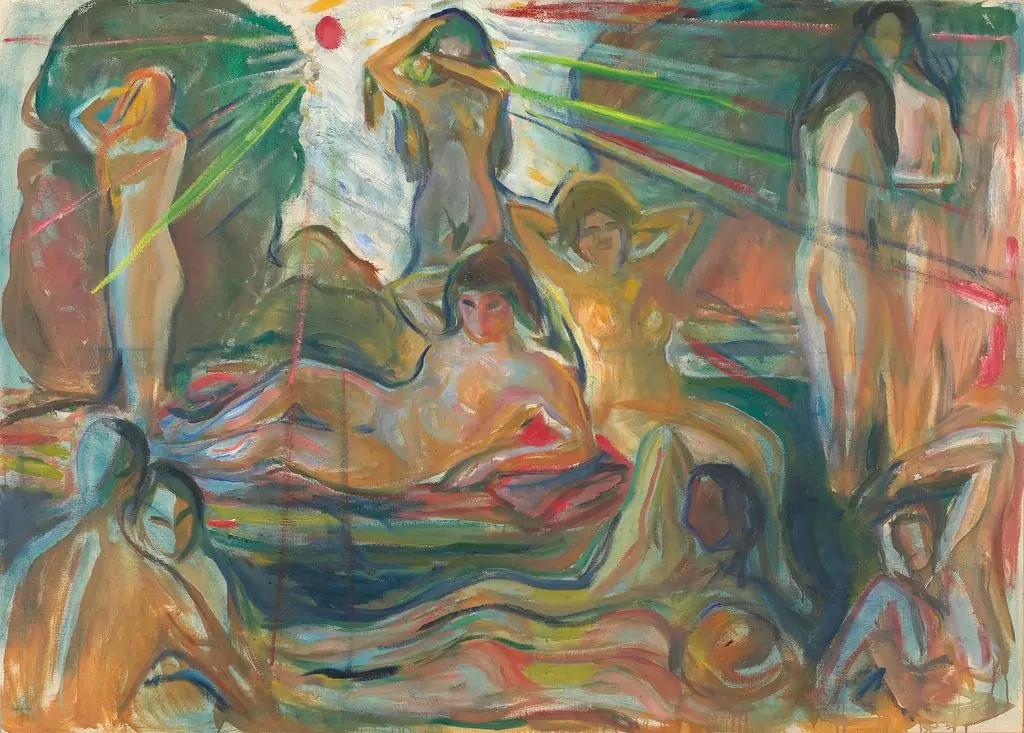
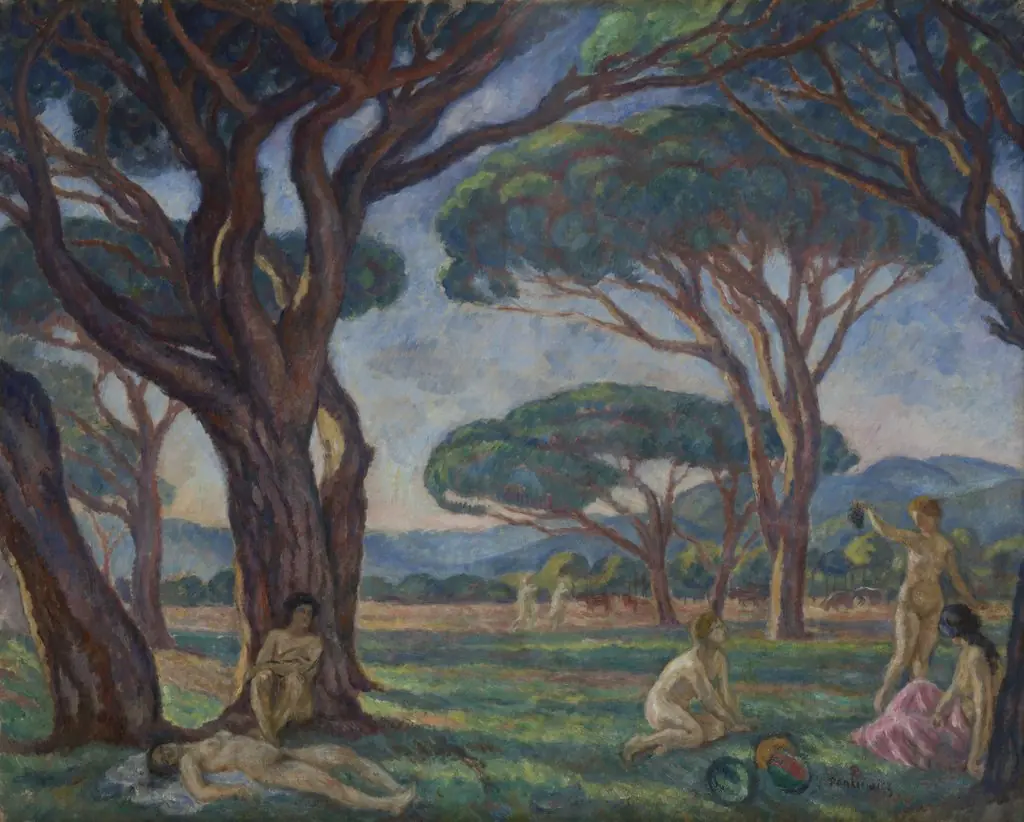
Bacchanalia is an oil painting by the Post-Impressionist artist Wojciech Weiss. It dates from 1903 and is held in the collection of the National Museum in Kraków.
About this work
Overview
A Polish artist linked to the Young Poland movement, Weiss transitioned from mythological themes toward more expressive, emotionally charged subjects.
Wojciech Weiss painted *Bacchanalia* in 1903 using oil on canvas. A Polish artist linked to the Young Poland movement, Weiss transitioned from mythological themes toward more expressive, emotionally charged subjects. The work reflects his evolving style during a period of artistic experimentation, aligning with broader Post-Impressionist tendencies in early 20th-century European art. It is now part of the National Museum in Kraków’s permanent collection.
Subject & Meaning
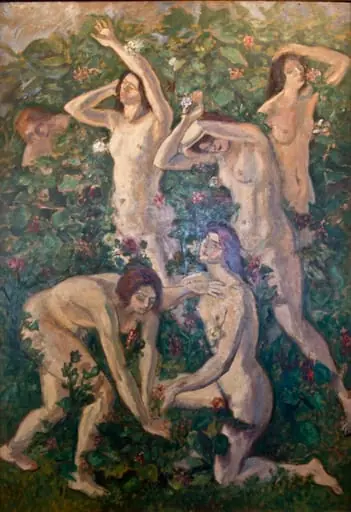
The painting depicts a group of nude figures—men, women, and children—gathered in an open, natural setting. Their postures suggest unrestrained celebration, evoking classical associations with Dionysian rites. Yet Weiss avoids idealized forms, presenting bodies with raw, individualized physiques. The scene conveys a sense of primal release, possibly reflecting contemporary interest in human nature beyond societal constraints, influenced by Symbolist and Expressionist thought.
Technique & Style
Weiss employed thick, textured brushwork and a muted, earth-toned palette to render the figures and landscape. Forms are simplified and slightly distorted, emphasizing emotional intensity over naturalism. The composition lacks clear perspective, drawing attention to the figures’ interwoven bodies and the dense foliage surrounding them. This approach signals a move away from academic tradition toward a more personal, expressive visual language.
History & Provenance
Created in 1903, *Bacchanalia* emerged during Weiss’s shift from historical painting to psychological and symbolic themes under the influence of writer Stanisław Przybyszewski. The work entered the National Museum in Kraków’s collection in the early 20th century and has remained there since. Its preservation reflects its significance within Poland’s modernist art canon, though it received limited public attention during Weiss’s lifetime.
Context
In early 1900s Poland, artists were redefining national identity through modernist forms. *Bacchanalia* responds to broader European trends—Symbolism, Expressionism, and the revival of mythic themes—but filters them through a distinctly Polish lens. Weiss’s focus on the body and nature aligns with contemporaneous critiques of industrialization and moral rigidity, offering a vision of human freedom rooted in instinct rather than doctrine.
Legacy
Though not widely exhibited outside Poland, *Bacchanalia* remains a key example of Weiss’s transition into Expressionism. It illustrates how Polish artists engaged with international modernism while developing unique visual vocabularies. The painting continues to inform scholarly discussions on the intersection of myth, the body, and emotional expression in early 20th-century Central European art.
Own this work as a print
Artist & collection
Artist
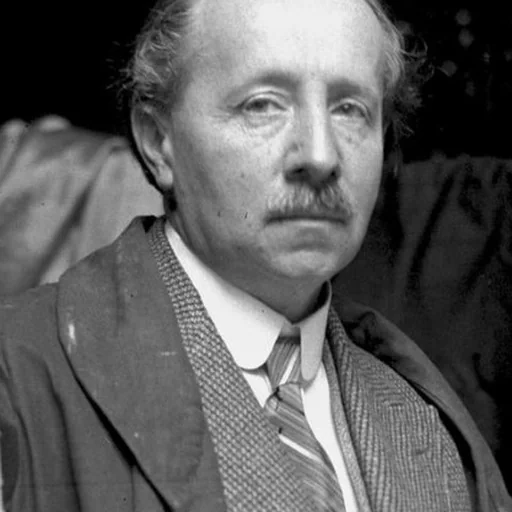
Wojciech Weiss (4 May 1875 – 7 December 1950) was a prominent Polish painter and draughtsman of the Young Poland movement.