Artwork
Figure in Arab dress (probably Lord Kitchener) with a group of Arab men in front of a temple
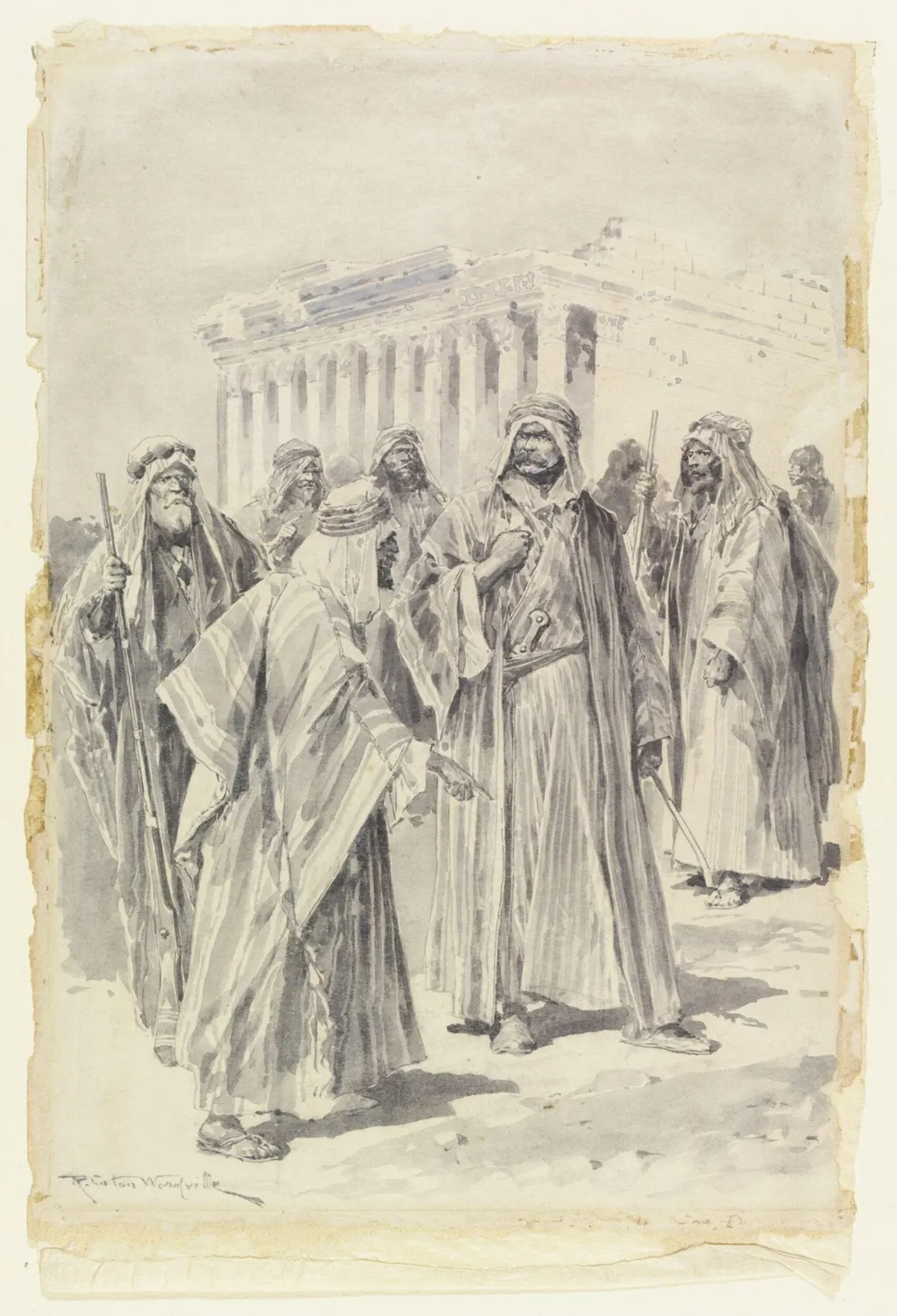
Figure in Arab dress (probably Lord Kitchener) with a group of Arab men in front of a temple is a watercolor work on paper by the Impressionist artist Richard Caton Woodville. It dates from 1874 and is held in the collection of the Victoria and Albert Museum.
About this work
Overview
This watercolour, created in 1874 by Richard Caton Woodville, portrays a European figure in Arab attire standing among local men before a monumental temple.
This watercolour, created in 1874 by Richard Caton Woodville, portrays a European figure in Arab attire standing among local men before a monumental temple. The scene reflects Woodville’s engagement with Middle Eastern travel and documentation during a period of British archaeological interest. The work is one of several related studies, likely prepared as preparatory sketches for publication in illustrated periodicals of the time.
Subject & Meaning
The central figure, widely believed to be Lord Kitchener, is depicted in local dress, suggesting an attempt at cultural immersion or ethnographic observation. Surrounding him, Arab men engage in quiet conversation, their postures and attire grounded in regional specificity. The Temple of Bacchus at Baalbek serves as both backdrop and symbol of ancient continuity, framing the encounter between colonial observer and indigenous context without overt narrative.
Technique & Style
Woodville employed loose, fluid brushwork and transparent watercolour washes to convey the warmth of the Levantine light. The architecture is rendered with careful attention to detail, while the figures are suggested with energetic, less defined strokes. The palette emphasizes earth tones and sunlit hues, enhancing the atmospheric quality without idealizing the scene. The technique prioritizes immediacy over finish, aligning with observational sketching practices of the era.
History & Provenance
Created during Kitchener’s early survey work in the region, the drawing may have been made in connection with the Palestine Exploration Fund or his Sinai expeditions. Two companion sketches, SD.1219 and SD.1220, suggest a series intended for periodical reproduction. The work entered private hands in the 20th century and was acquired by the bookseller Maggs Bros. in February 1970 for £24, indicating its status as a modestly valued historical document at the time.
Context
In the 1870s, British officers and surveyors frequently documented Near Eastern sites as part of imperial and scholarly initiatives. Woodville, known for military and travel illustrations, contributed to this trend by capturing scenes that blended ethnographic interest with topographical record. The depiction of Kitchener in local dress reflects contemporary practices of cultural adaptation among colonial officials, though the image remains observational rather than propagandistic.
Legacy
Though not widely exhibited, the watercolour endures as a quiet record of 19th-century cross-cultural encounters. It offers insight into how Western observers visually negotiated foreign environments, using dress and setting to signal engagement without assimilation. Its survival among archival sketches underscores its role as a working document rather than a finished artwork, preserving the texture of imperial exploration through informal means.
Artist & collection


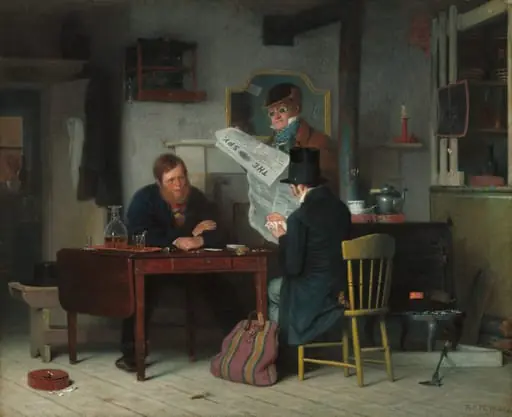
![The Fencing Lesson [recto], by Richard Caton Woodville](https://artifactworldgallery.com/img/richard-caton-woodville--the-fencing-lesson-recto--9e4e91b9c6d045fe-w320.webp)
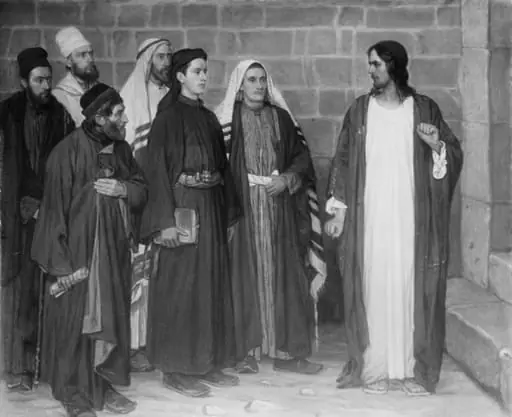 "Ve Eder I skriftkloge"
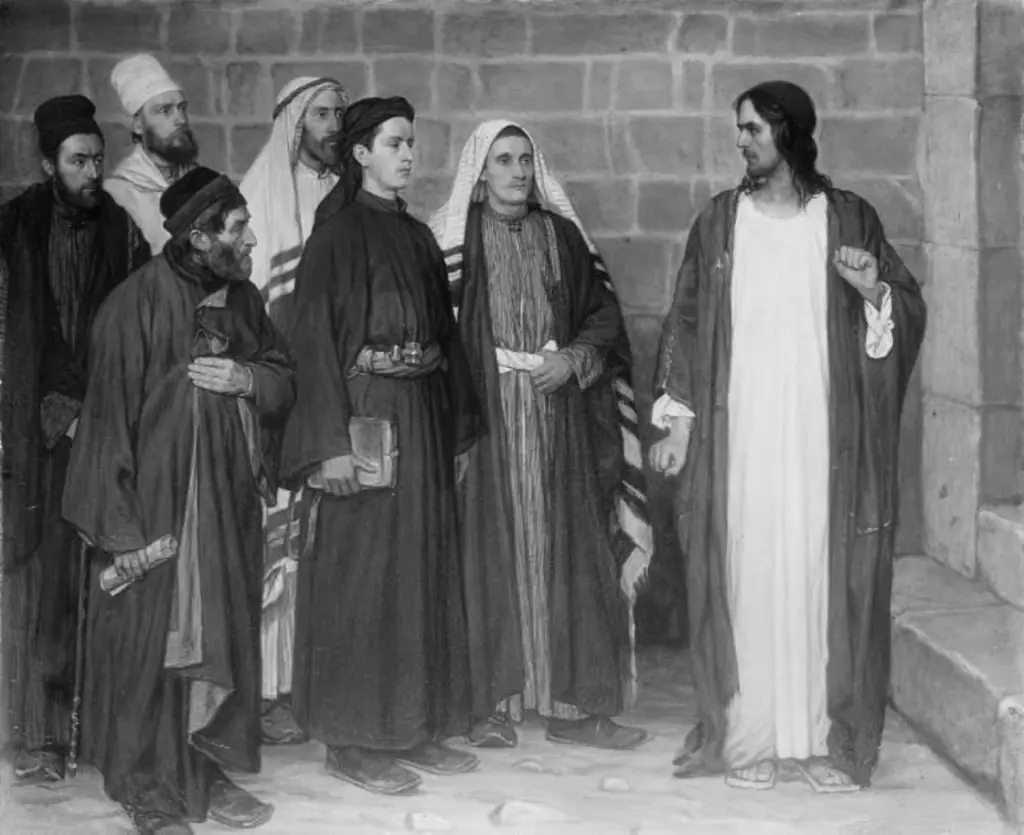 Ve Eder I skriftkloge
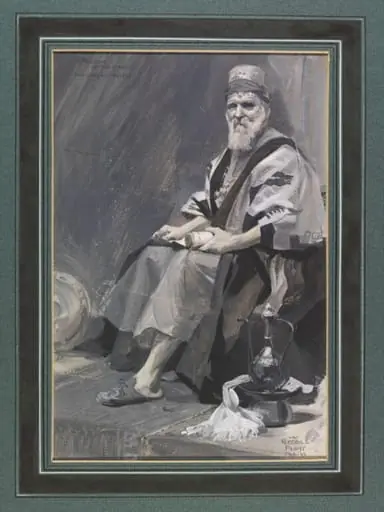 A reader of the Koran
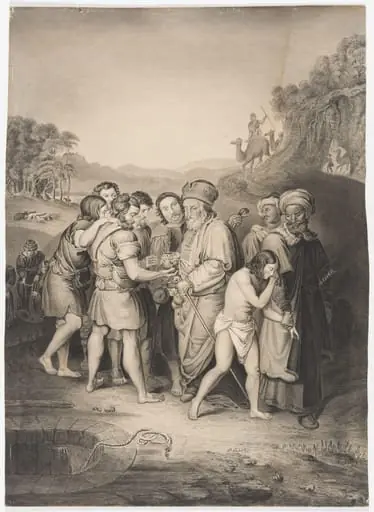 Joseph and his brethren
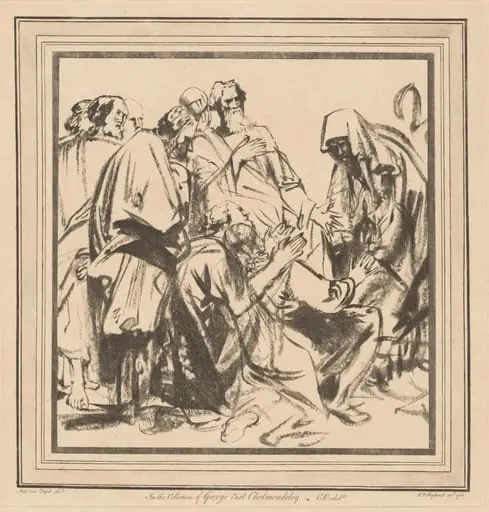 Jacob Persuaded to Send Benjamin with His Brethren into Egypt
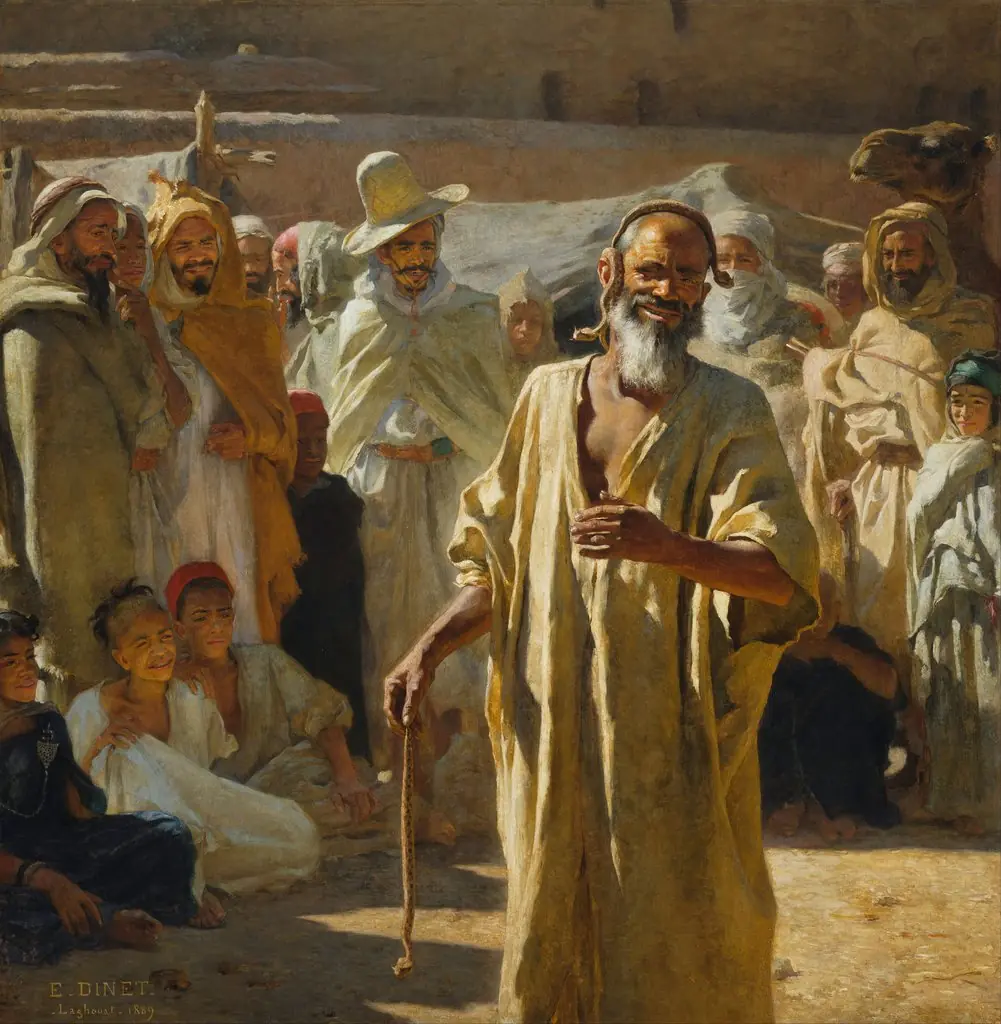 The snake charmer
![Advanced guard & Baggage of the Royal artillery landi[ng] a[t] Alexandria en route for India, by T. B. S.](https://artifactworldgallery.com/img/t-b-s--advanced-guard-baggage-of-the-royal-artillery-landi-ng-a-t-a--605f6f4d9d8dfe93-w320.webp) Advanced guard & Baggage of the Royal artillery landi[ng] a[t] Alexandria en route for India
Advanced guard & Baggage of the Royal artillery landi[ng] a[t] Alexandria en route for India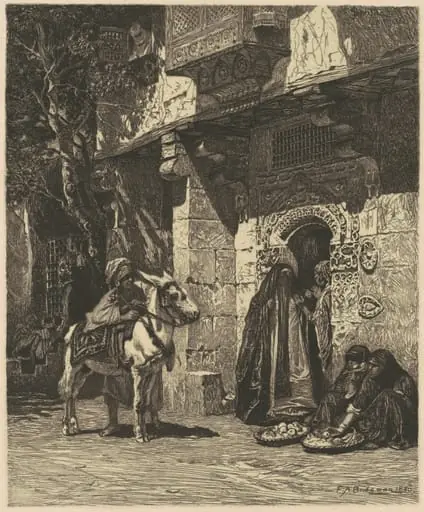 A Lady of Cairo Visiting
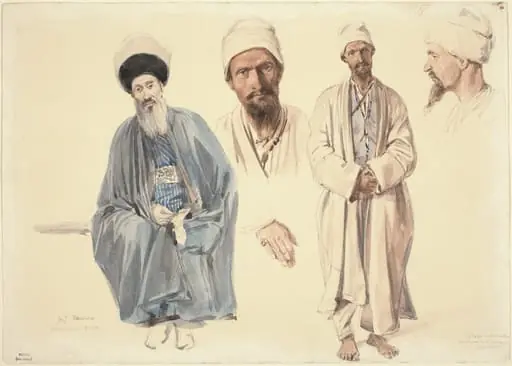 An Elderly Jew and a Muslim Tartar in the Crimea
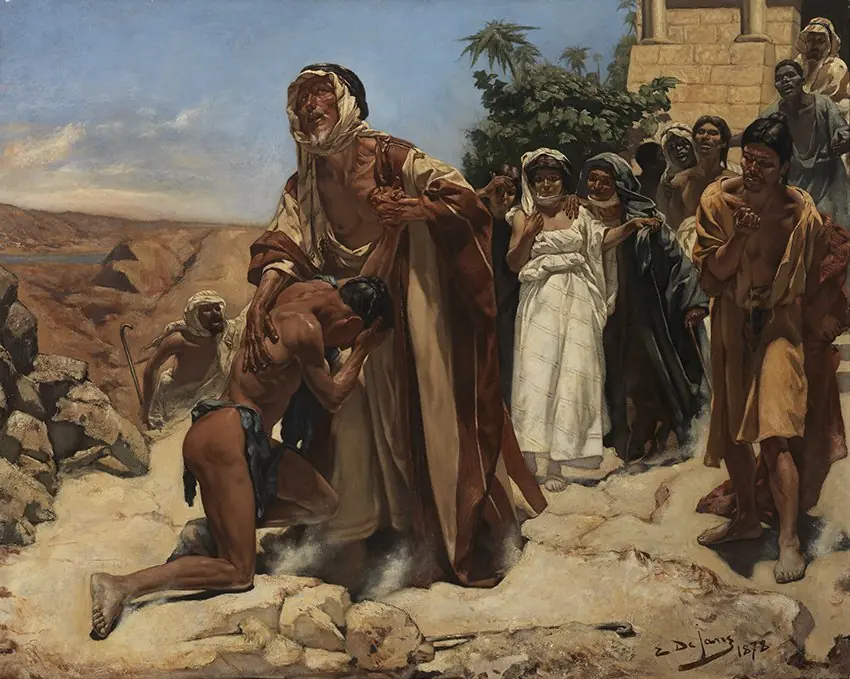 De thuiskomst van de verloren zoon