Artwork
Het Raampoortje in Amsterdam
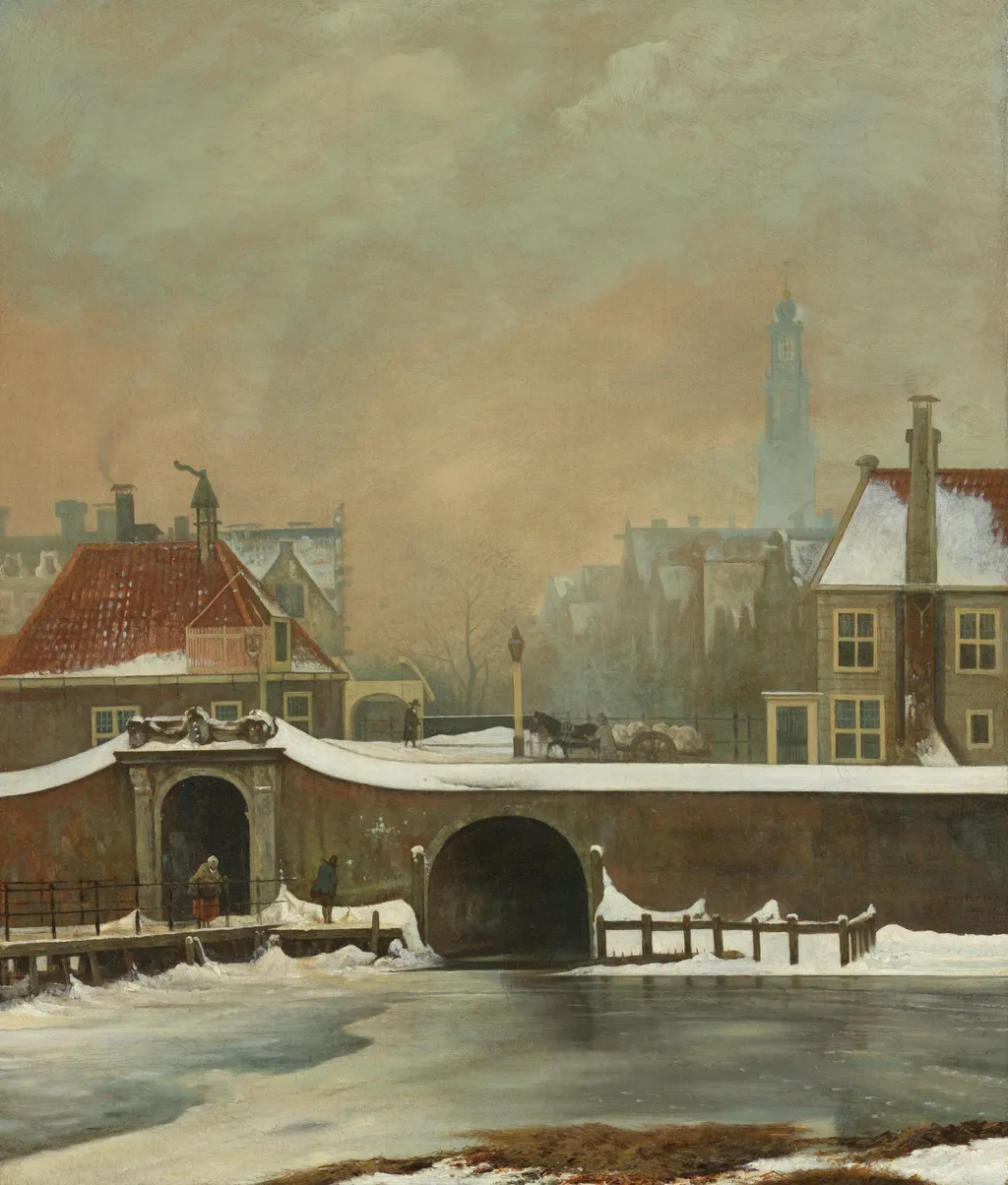
Het Raampoortje in Amsterdam is an unspecified painting by the Biedermeier artist Wouter Johannes van Troostwijk. It dates from 1809 and is held in the collection of the Rijksmuseum. This painting depicts a modest wooden gate in Amsterdam, known as the Raampoortje, situated near the Bloemgracht.
About this work
Overview
It captures a quiet winter scene with laundry suspended above the gate and the distant silhouette of the Westertoren.
This painting depicts a modest wooden gate in Amsterdam, known as the Raampoortje, situated near the Bloemgracht. It captures a quiet winter scene with laundry suspended above the gate and the distant silhouette of the Westertoren. Created shortly before the gate’s demolition, the work preserves a fleeting glimpse of a functional urban feature that once connected the city to its textile-processing outskirts.
Subject & Meaning
The Raampoortje served as a passage to open fields where dyed fabrics were stretched on wooden frames to bleach in the sun and air. The gate’s name derives from these frames, or 'ramen.' The painting emphasizes the gate’s utilitarian role within the city’s economy, framing it not as a monument but as an ordinary threshold between urban life and industrial labor.
Technique & Style
The artist renders the scene with restrained detail and muted tones, favoring atmospheric clarity over dramatic effect. Snow blankets the ground and rooftops, softening architectural edges, while the vertical lines of laundry and spire create subtle rhythm. Light is diffused, suggesting a cold, overcast day, reinforcing the quiet, unidealized character of the urban landscape.
History & Provenance
The Raampoortje was dismantled in 1846 as Amsterdam expanded beyond its medieval defenses. The painting was made in 1809, making it a contemporary record of the structure before its disappearance. Its survival offers a rare visual document of a minor civic element, valued today for its historical specificity rather than artistic ambition.
Context
In early 19th-century Amsterdam, textile processing remained a vital industry, with bleaching fields just beyond the city walls. The Raampoortje was one of several such access points, reflecting the city’s integration of commerce and infrastructure. Its depiction aligns with a growing interest in everyday urban life, distinct from grand historical or religious themes.
Legacy
Though not widely known outside specialized circles, the painting endures as a quiet testament to Amsterdam’s evolving urban fabric. It contributes to a broader archive of 19th-century Dutch topographical art that values observation over spectacle, preserving the ordinary structures that shaped daily life before modernization erased them.
Own this work as a print
Artist & collection
Artist
Wouter Johannes van Troostwijk
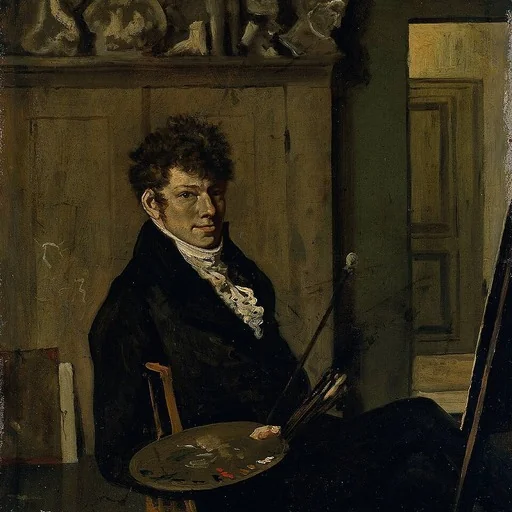
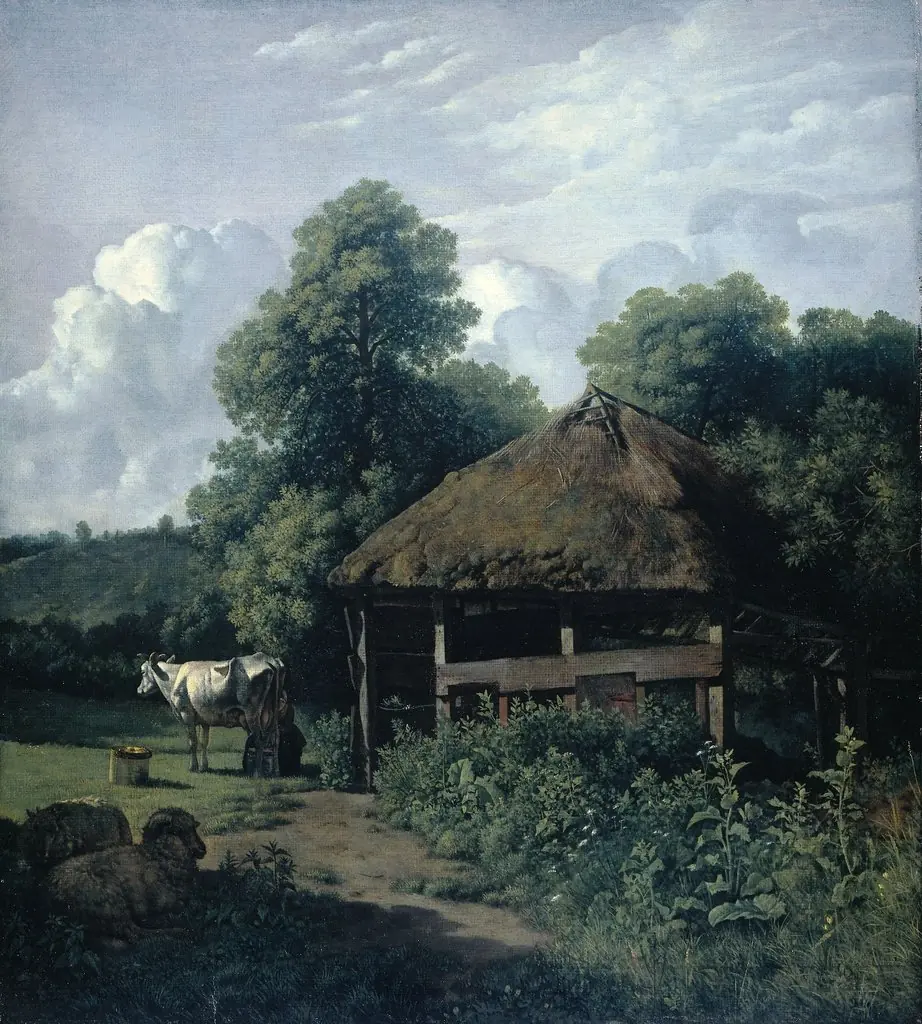
Wouter Johannes van Troostwijk (28 May 1782, Amsterdam - 20 September 1810, Amsterdam) was a Dutch painter and etcher. Most of his works are landscapes (featuring cattle) or cityscapes.

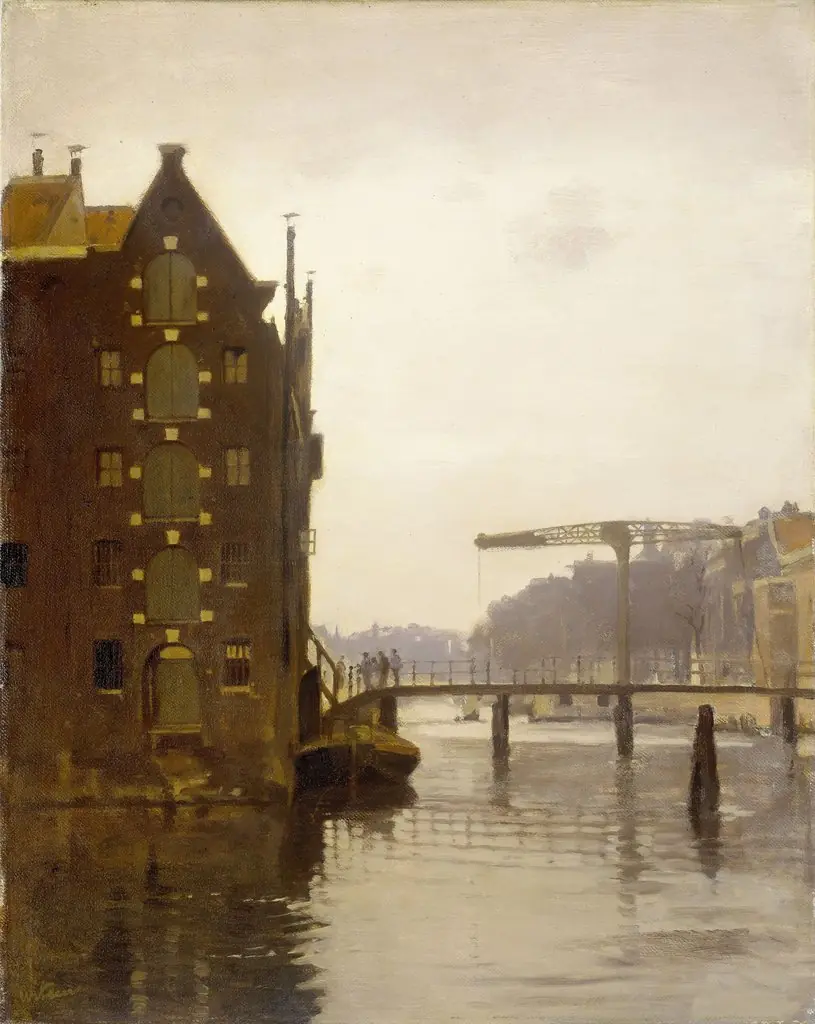 Pakhuizen aan een Amsterdamse gracht op Uilenburg
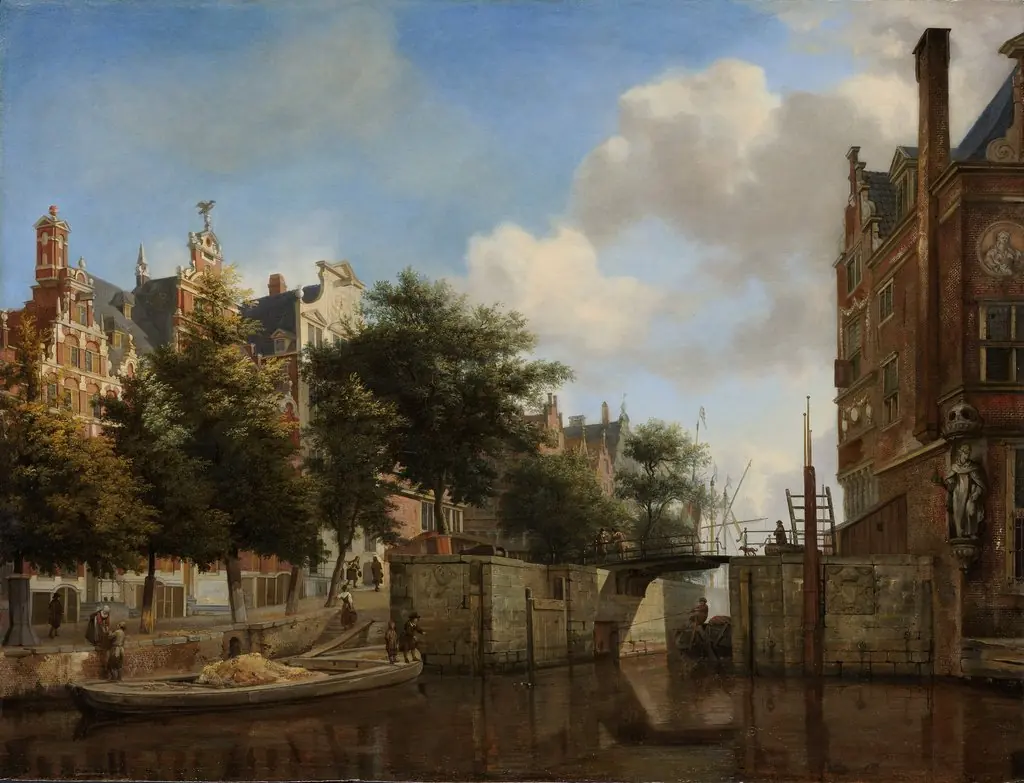 Amsterdam City View with Houses on the Herengracht and the old Haarlemmersluis
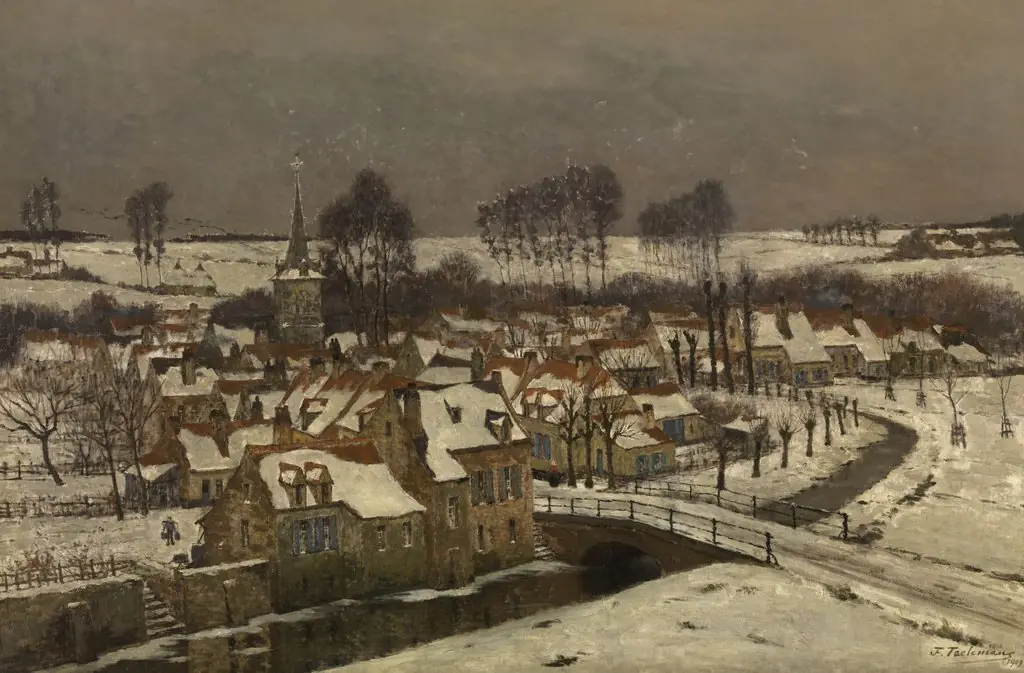 Winter in Brabant
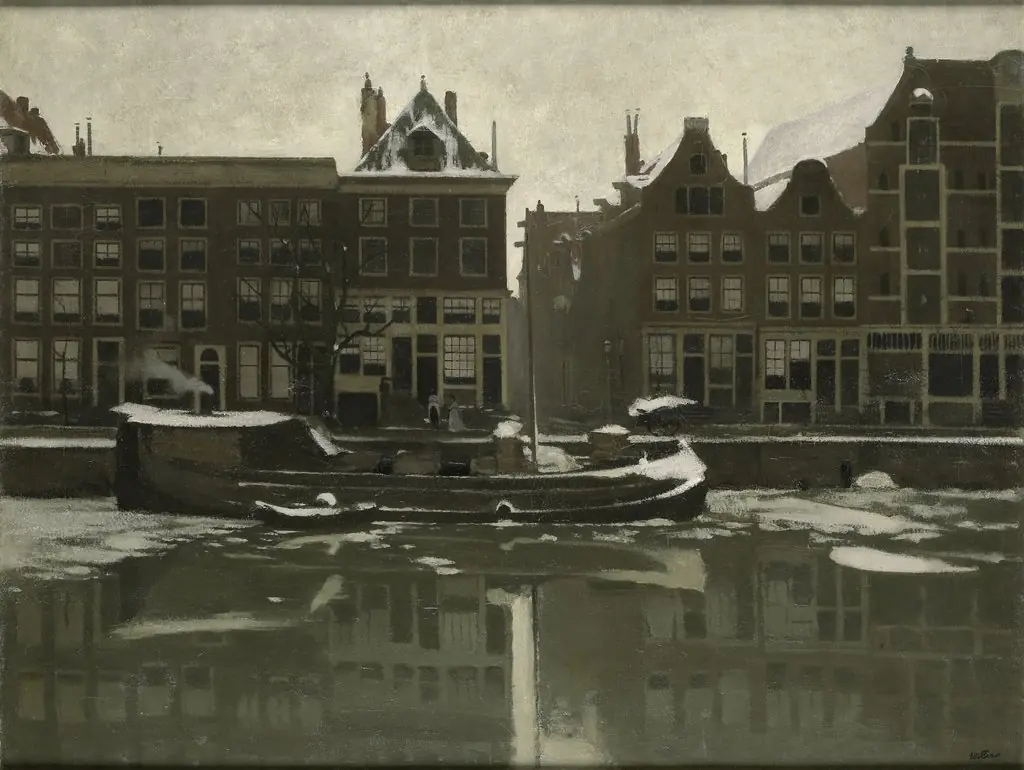 Oude Schans
 Winter in Amsterdam
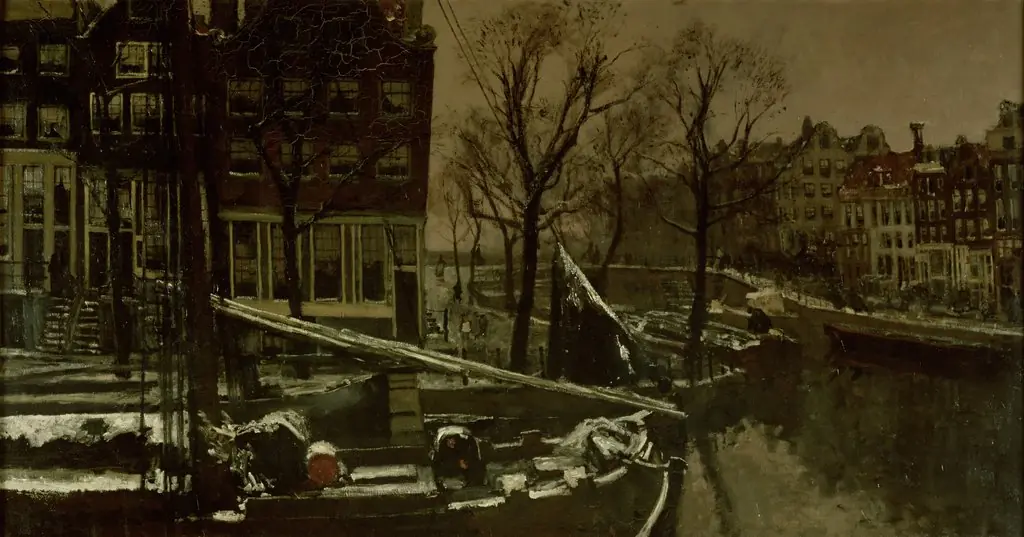 Winter in Amsterdam
 Slijpsteenmarkt (Whetstone Market) in Amsterdam with the Building 'Het Zeerecht' in Winter (The Slypsteenen at Amsterdam)
 Cityscape in winter
 Gezicht op Den Haag