Artwork
Ecce Homo
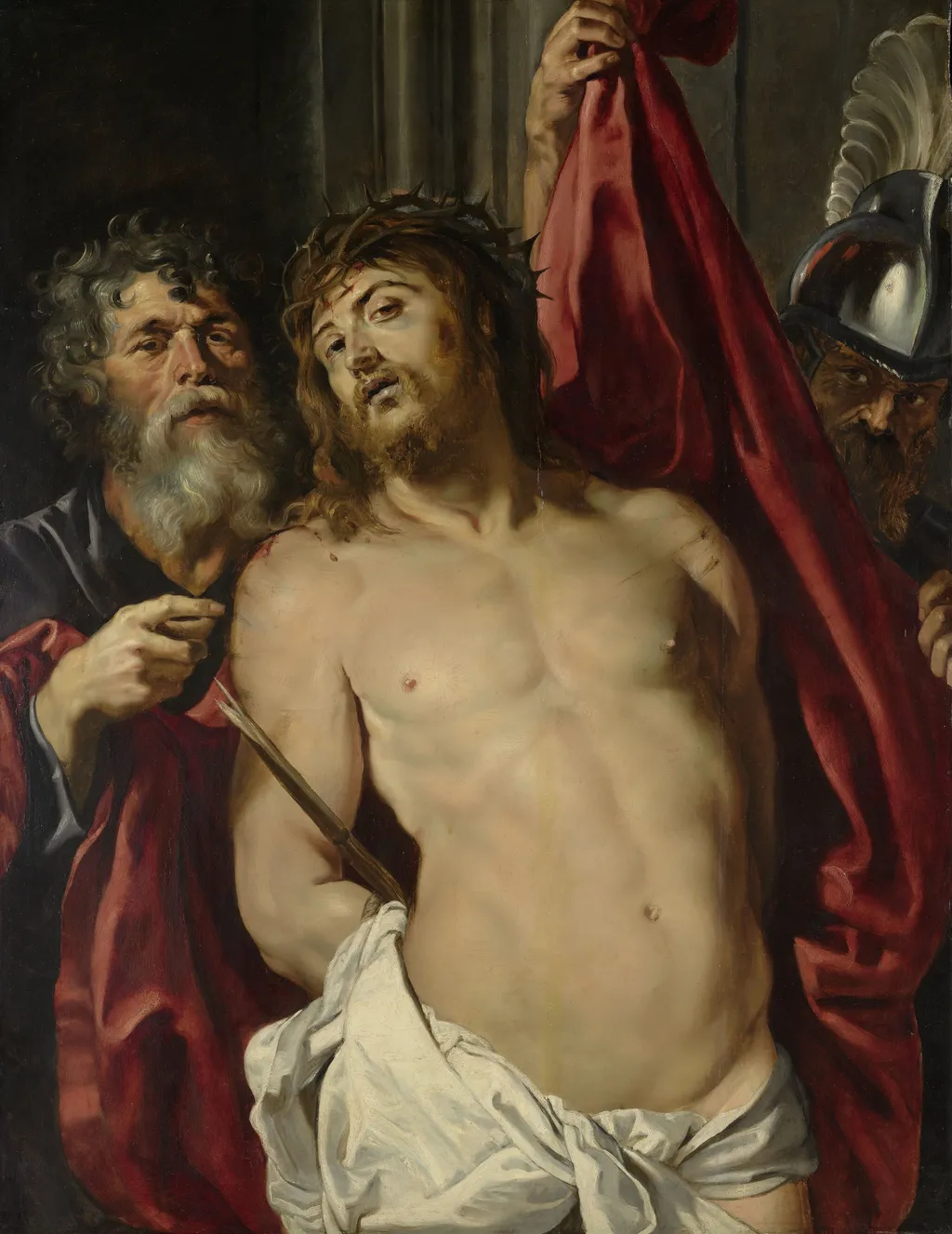
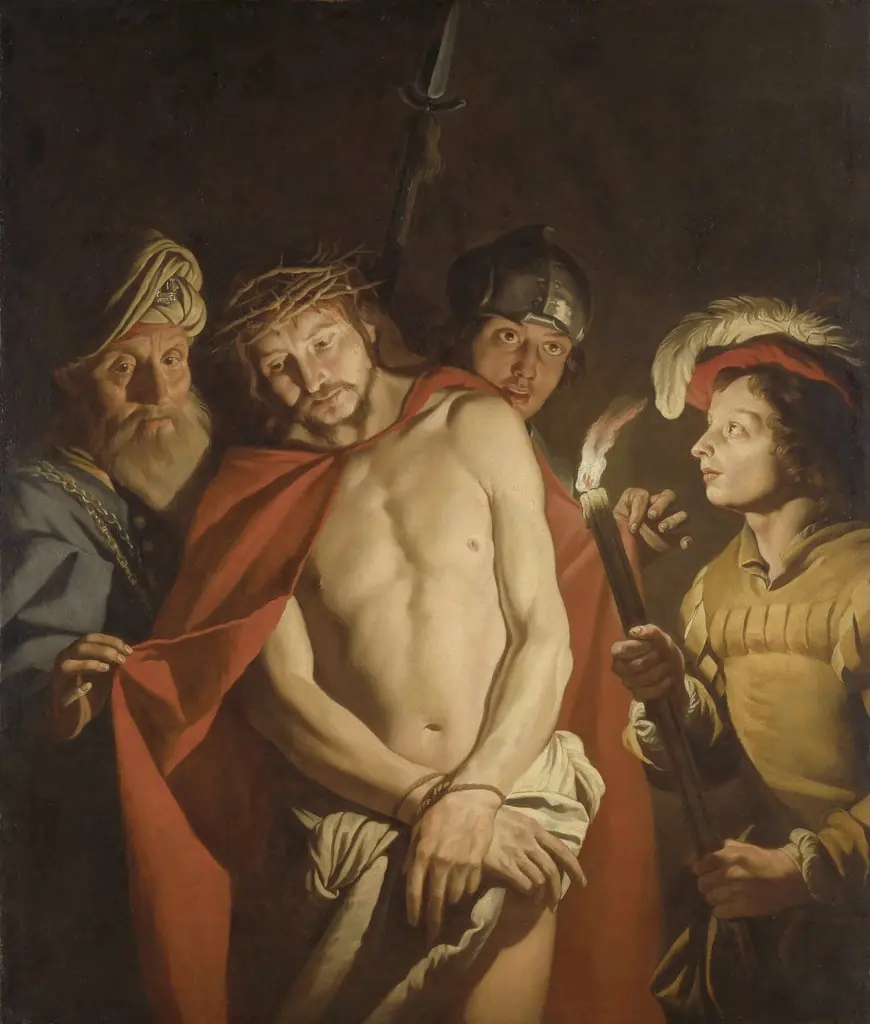
Ecce Homo is an oil painting by Woutherus Mol. It dates from 1810 and is held in the collection of the Rijksmuseum.
About this work
Overview
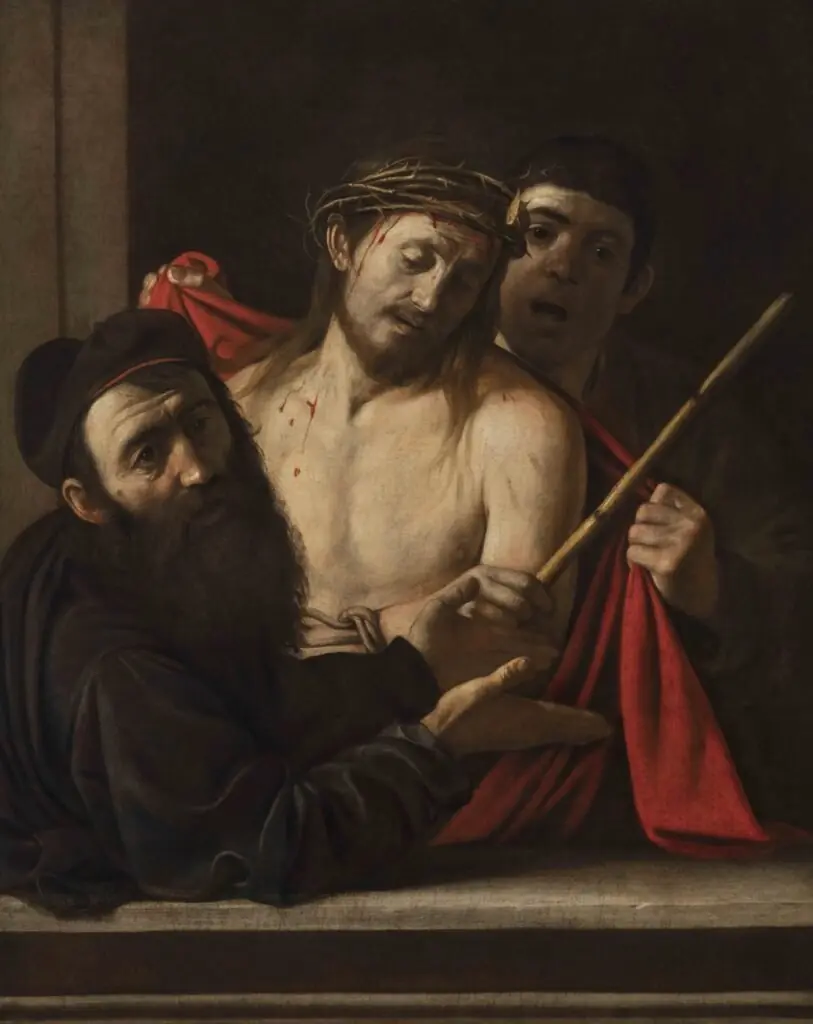
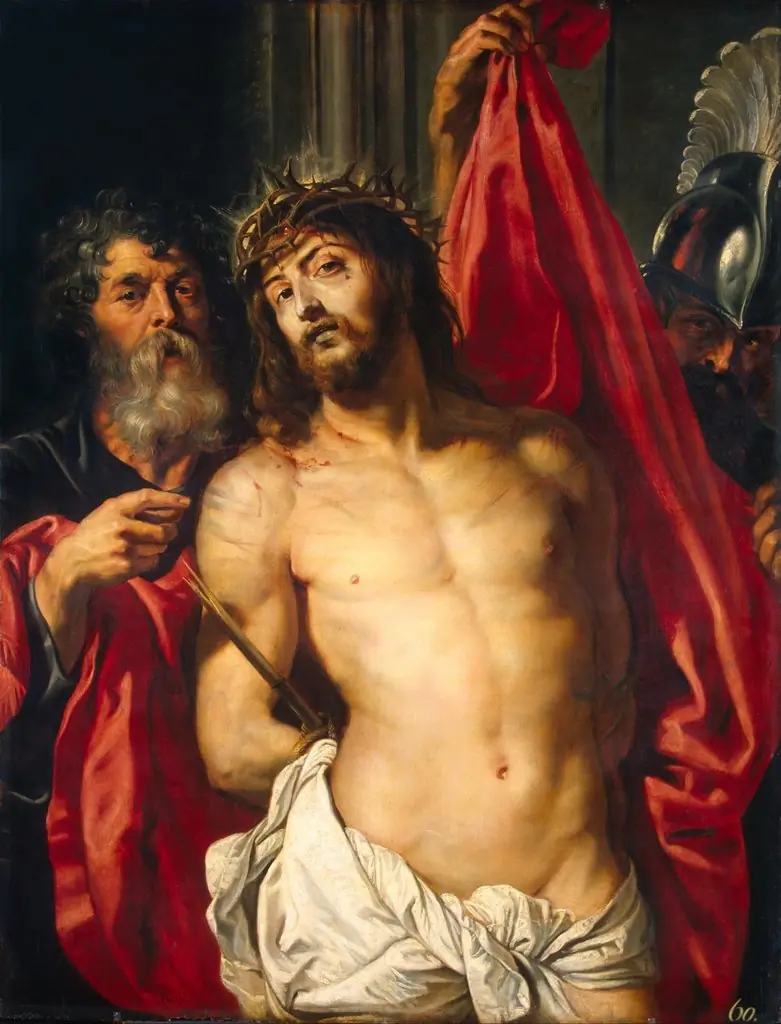
Woutherus Mol’s 1810 oil painting *Ecce Homo* presents a stark, nocturnal scene in which the crucified Christ is shown shirtless, his head crowned with thorns, and his arms bound behind him. The composition is dominated by a dark background that isolates the figures, allowing the red drapery and armor to stand out.
Subject & Meaning
The work captures the moment when Pontius Pilate presents Jesus to the crowd, a traditional biblical episode. Christ’s gaze meets the viewer directly, conveying a calm yet weary resignation, while a soldier in armor holds a red cloth over his shoulders and an older, red‑robed figure looks up at him, emphasizing the tension between suffering and authority.
Technique & Style
Mol employs chiaroscuro to model the bodies, using strong contrasts of light and shadow to heighten drama. The limited palette—deep blacks, muted flesh tones, and vivid reds—focuses attention on the central figures and underscores the emotional intensity of the scene.
History & Provenance
Created early in Mol’s career, the painting reflects his broader interest in interior and genre subjects while engaging a religious theme. It entered the Rijksmuseum’s collection, where it remains part of the Dutch national holdings.
Context
Mol worked within the early‑19th‑century Dutch tradition that valued precise draftsmanship and realistic representation. *Ecce Homo* aligns with contemporary European interest in biblical narratives rendered with heightened naturalism and theatrical lighting.
Own this work as a print
Artist & collection
Artist
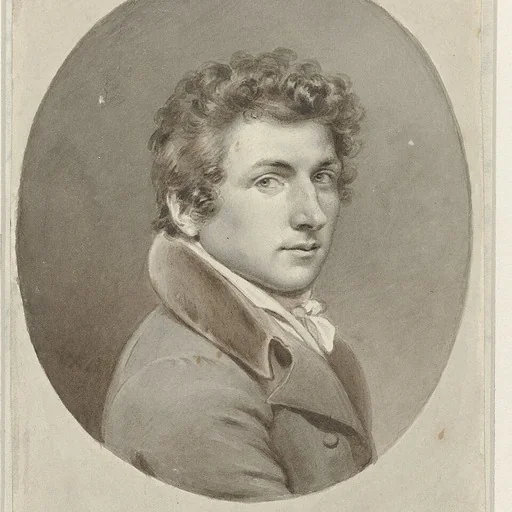
Woutherus Mol (21 March 1785 – 30 August 1857) was a painter and draftsman from the Netherlands. He is known for interiors and genre scenes.