Artwork
Crown of Thorns
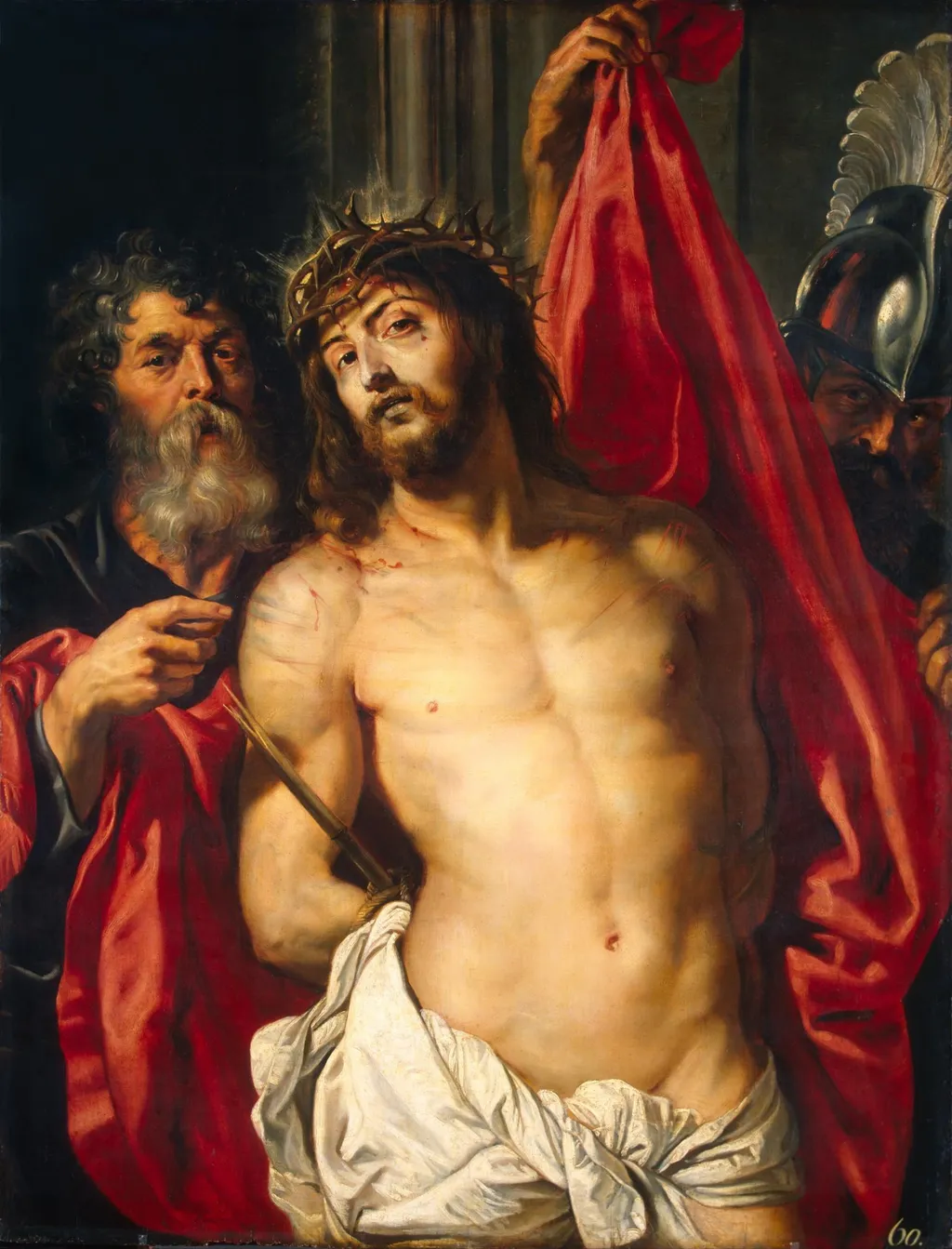
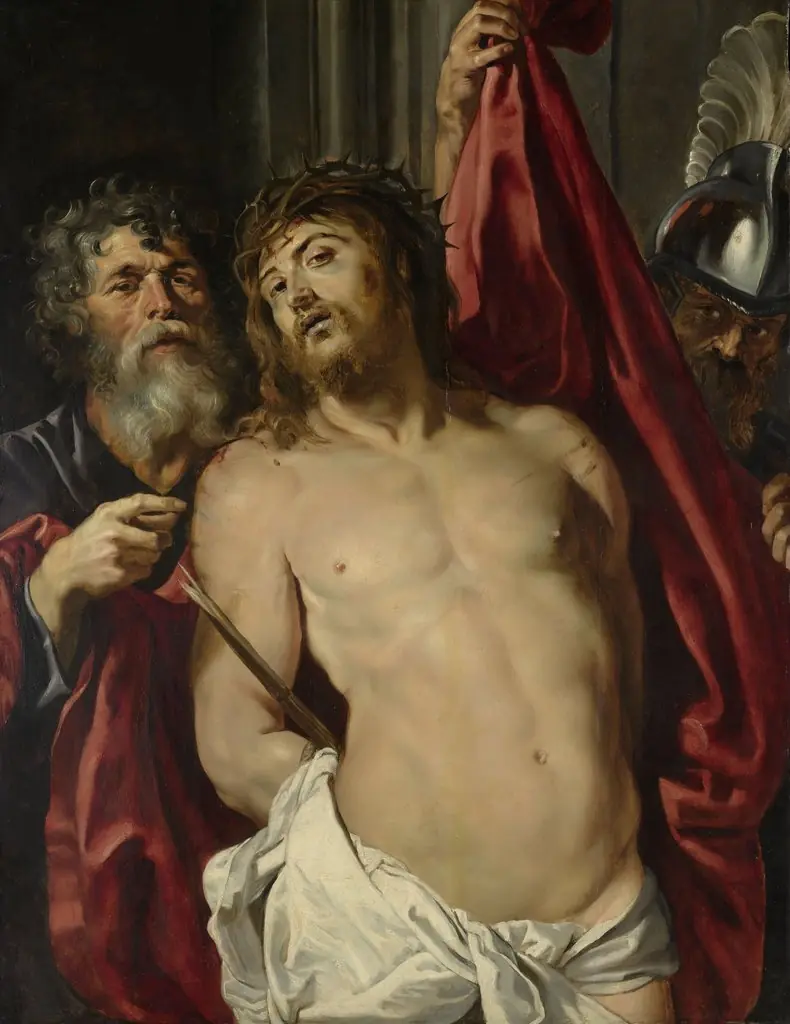
Crown of Thorns is an oil painting by the Flemish Baroque painting artist Peter Paul Rubens. It dates from 1612 and is held in the collection of the Hermitage Museum.
About this work
Overview
Peter Paul Rubens painted an oil work on oak around 1612 that depicts the biblical Ecce Homo scene. The composition centers on a wounded Christ crowned with thorns, flanked by a gesturing older figure and a soldier in armor. The stark illumination highlights the flesh against a deep red backdrop, creating a dramatic visual focus.
Subject & Meaning
The image presents Christ at the moment of his public humiliation, his torn garments and bloodied chest emphasizing his suffering. The bearded man, traditionally identified as Pontius Pilate, points toward the wound, underscoring the accusation and the theological theme of sacrifice. The soldier’s presence adds a sense of authority and the surrounding darkness amplifies the spiritual tension.
Technique & Style
Rubens applied a dense, impasto layer of pigment to render the texture of skin and fabric, giving the figures a palpable physicality. The chiaroscuro effect—sharp contrasts between illuminated flesh and shadowed background—enhances the three‑dimensionality of the scene. The composition draws on classical sculpture, echoing the pose of a centaur statue Rubens saw in Rome.
History & Provenance
Commissioned by Cardinal Massimego, the painting later entered the collection of Prince Bezborodko in Saint Petersburg by the late 1700s. It passed through the Kushelev family and, after Count Nikolai Kushelev‑Bezborodko’s death in 1862, was bequeathed to the Academy of Arts. Today the work resides in the Hermitage Museum, alongside a preparatory study of Pilate’s figure.
Own this work as a print
Artist & collection
Artist
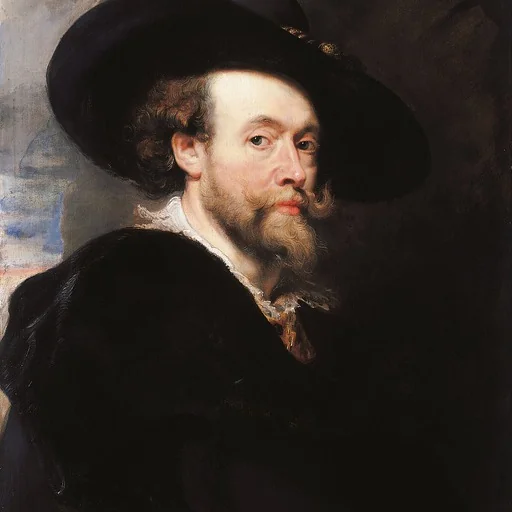
Sir Peter Paul Rubens ( ROO-bənz; Dutch: ; 28 June 1577 – 30 May 1640) was a Flemish artist and diplomat.