Artwork
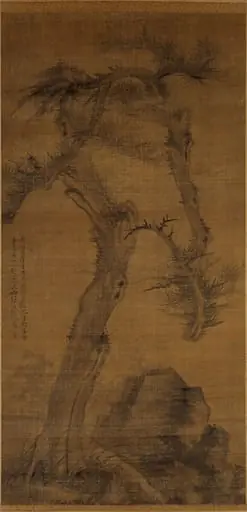
Twin Pines
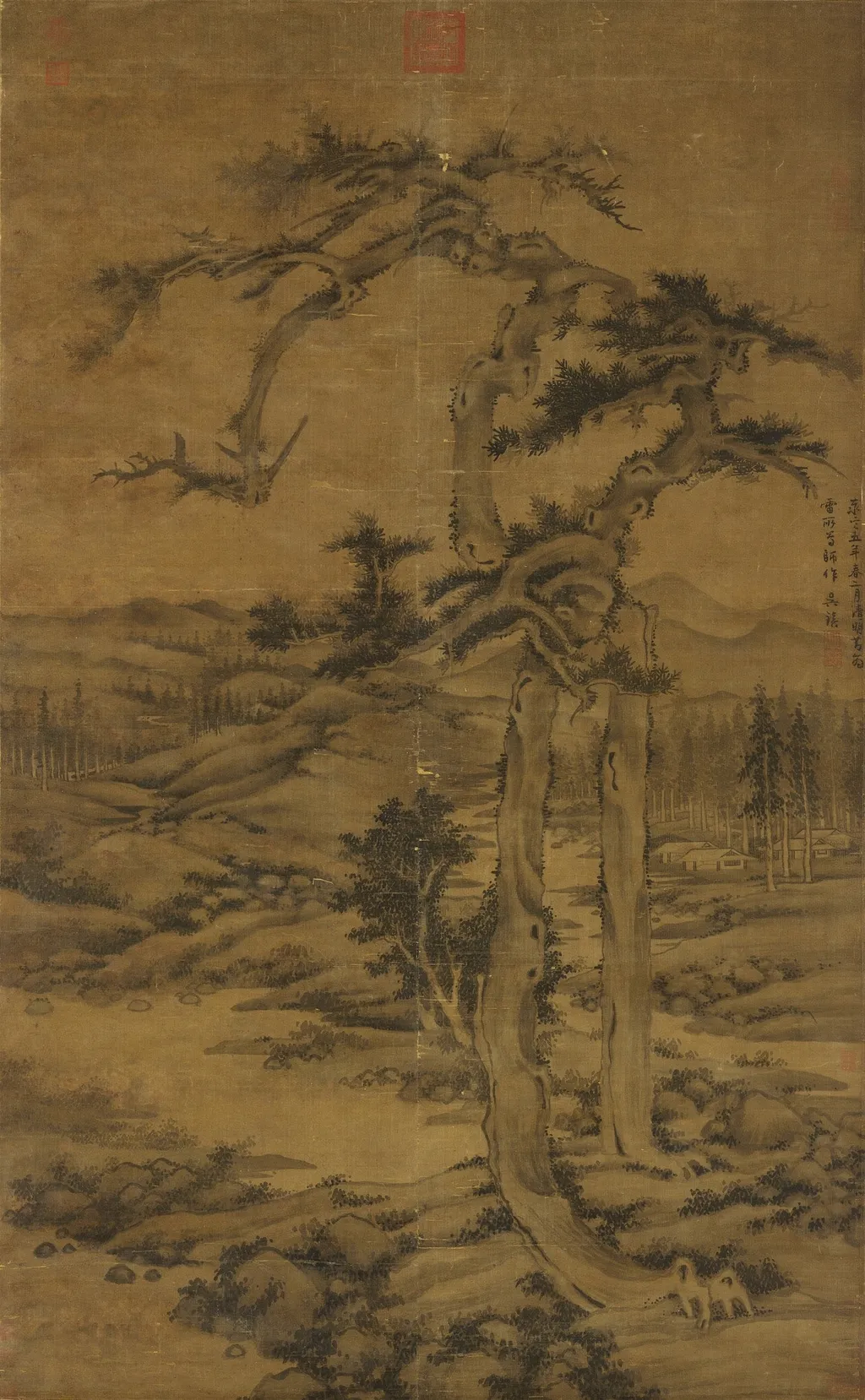
Twin Pines is an unspecified painting by Wu Zhen. It dates from 1328 and is held in the collection of the National Palace Museum.
About this work
Overview
Twin Pines, painted by Wu Zhen in 1328, is a landscape composition that centers on two prominent trees amid a quiet natural setting. Executed in ink and light color on silk, the work reflects the literati tradition of Yuan dynasty painting. Its subdued palette of earthy browns and muted greens conveys a contemplative atmosphere, while the composition balances structure with spontaneous brushwork.
Subject & Meaning
The painting’s central pines, robust and enduring, symbolize resilience and moral integrity—common themes in scholar-official art. Surrounding vegetation and distant hills frame the scene without overwhelming it, suggesting harmony between human presence and nature. The small structure in the background hints at solitude or retreat, aligning with Daoist ideals of withdrawal from worldly affairs.
Technique & Style
Wu Zhen employed dynamic, fluid brushstrokes to define foliage and terrain, emphasizing texture over precise detail.
Wu Zhen employed dynamic, fluid brushstrokes to define foliage and terrain, emphasizing texture over precise detail. Ink washes create depth in the hills, while dry-brush techniques suggest rough bark and rocky surfaces. The handling of paint is deliberate yet expressive, avoiding ornamental flourish in favor of rhythmic energy—a hallmark of Yuan literati aesthetics that valued personal expression over decorative precision.
History & Provenance
Created during Wu Zhen’s later years, the painting remained within private collections before entering the imperial holdings of the Qing court. It was later transferred to the National Palace Museum in Taipei following the relocation of the imperial collection in the mid-20th century. Its continuous preservation reflects its recognized significance among Chinese scholarly paintings.
Context
Wu Zhen was one of the Four Masters of the Yuan dynasty, artists who turned to painting after abandoning official careers. Their works rejected courtly refinement, favoring introspective landscapes that conveyed personal philosophy. Twin Pines exemplifies this shift, emerging from a cultural moment when painting became a vehicle for moral and spiritual expression beyond political service.
Legacy
The painting influenced later generations of literati painters who valued expressive brushwork and symbolic content over realism. Its emphasis on natural forms as metaphors for character helped solidify the link between landscape and personal virtue in East Asian art. Though not widely exhibited, it remains a touchstone in studies of Yuan dynasty ink painting traditions.
Artist & collection




 Waiting for the Ferry on an Autumn River
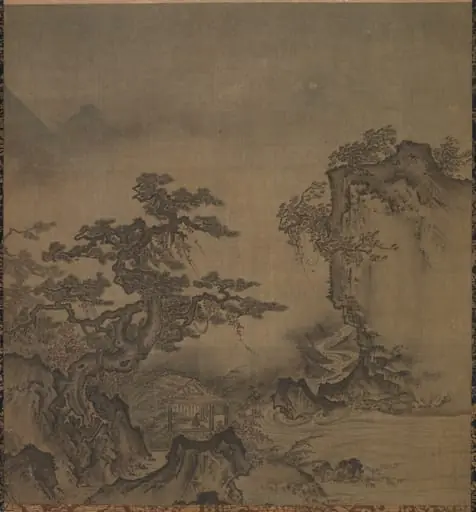 Landscape
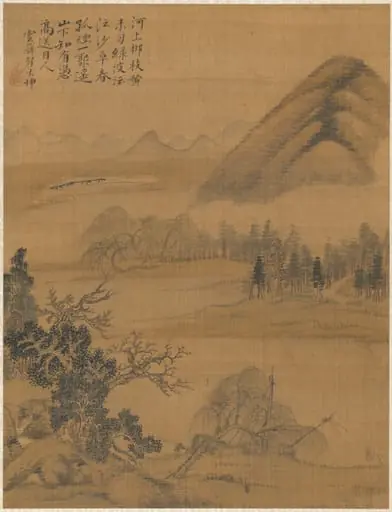 Landscape
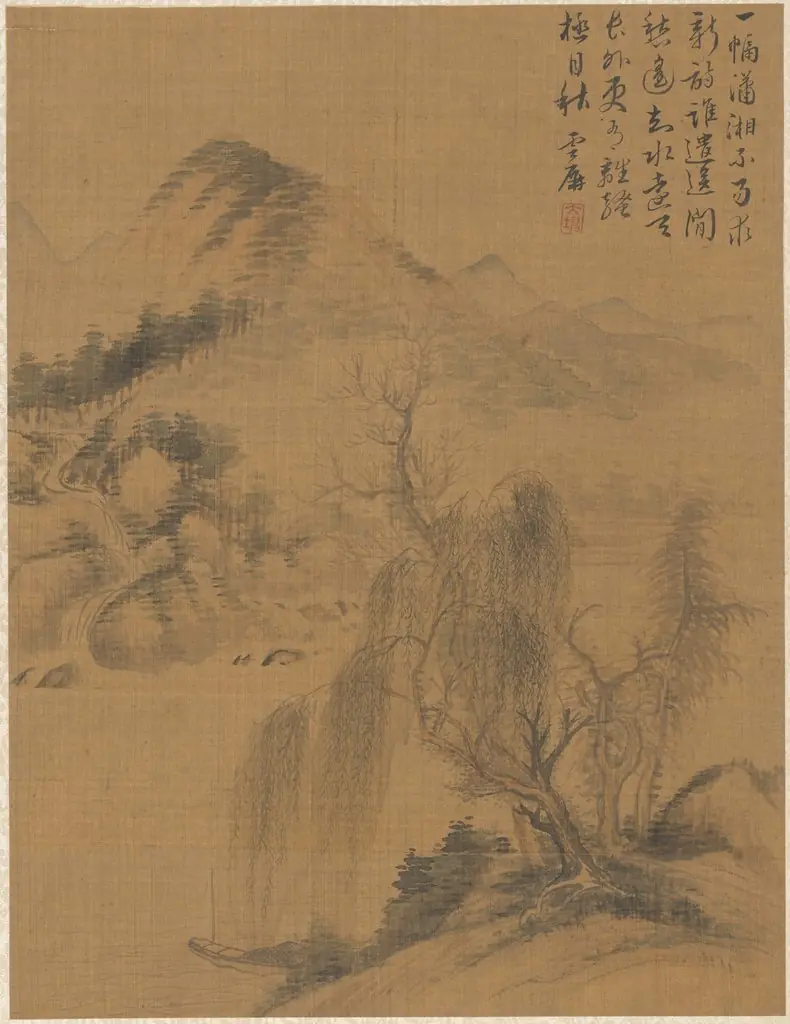 Landscape
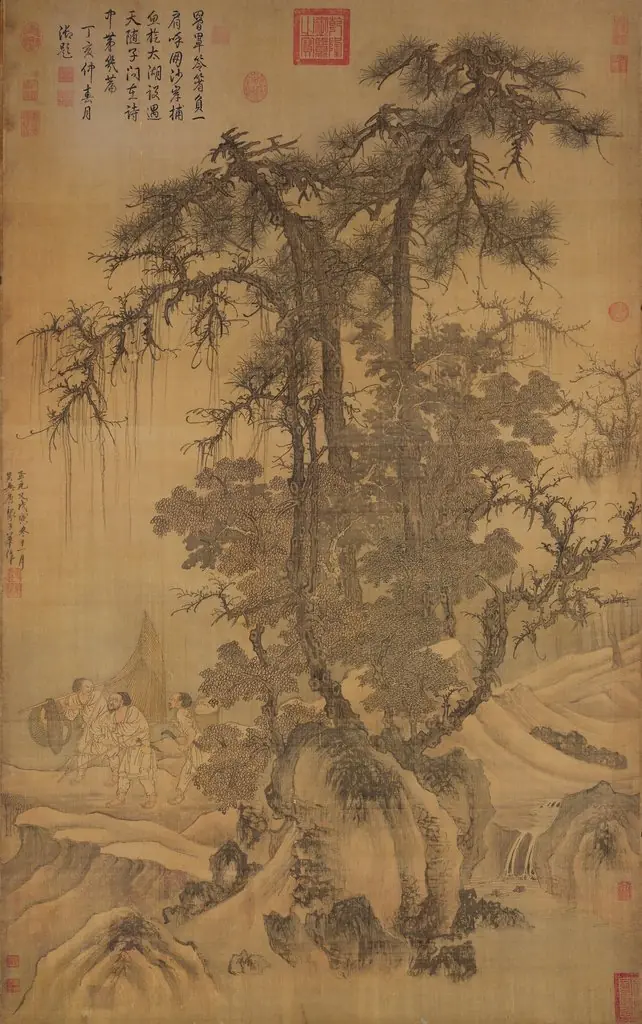 Fishermen Returning on a Frosty Bank
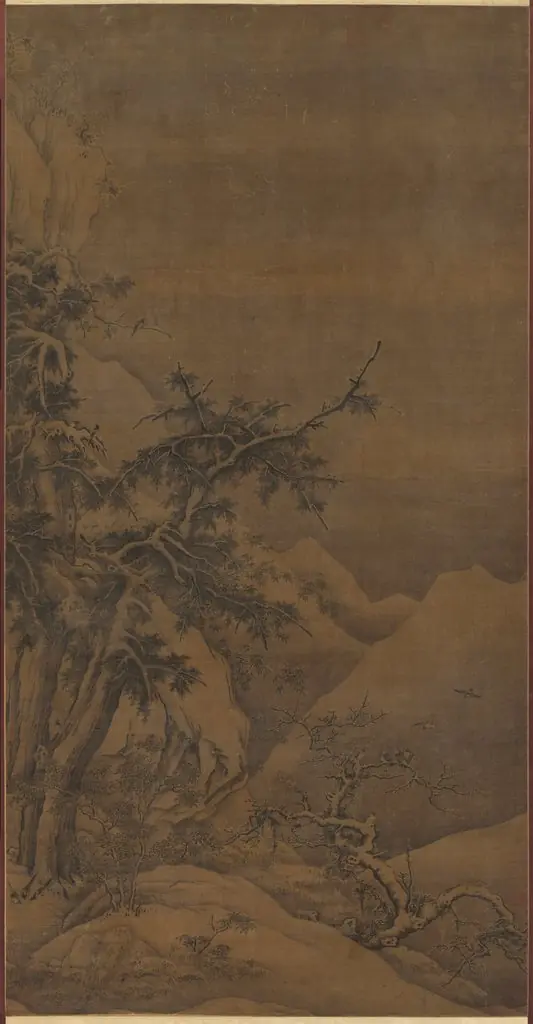 Birds in a Grove in a Mountainous Winter Landscape
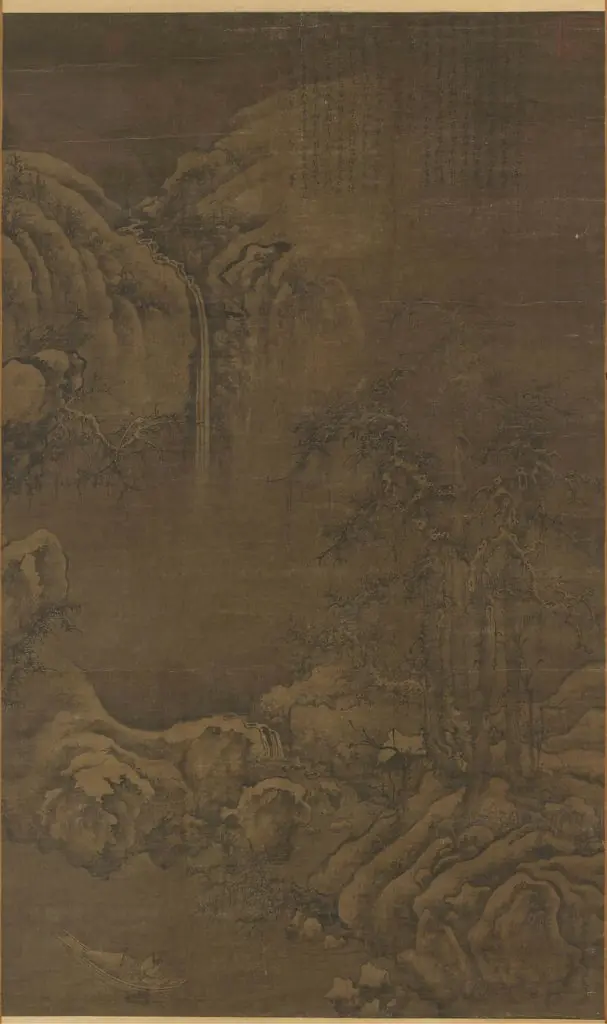 Fishing Boat on a Wintry River
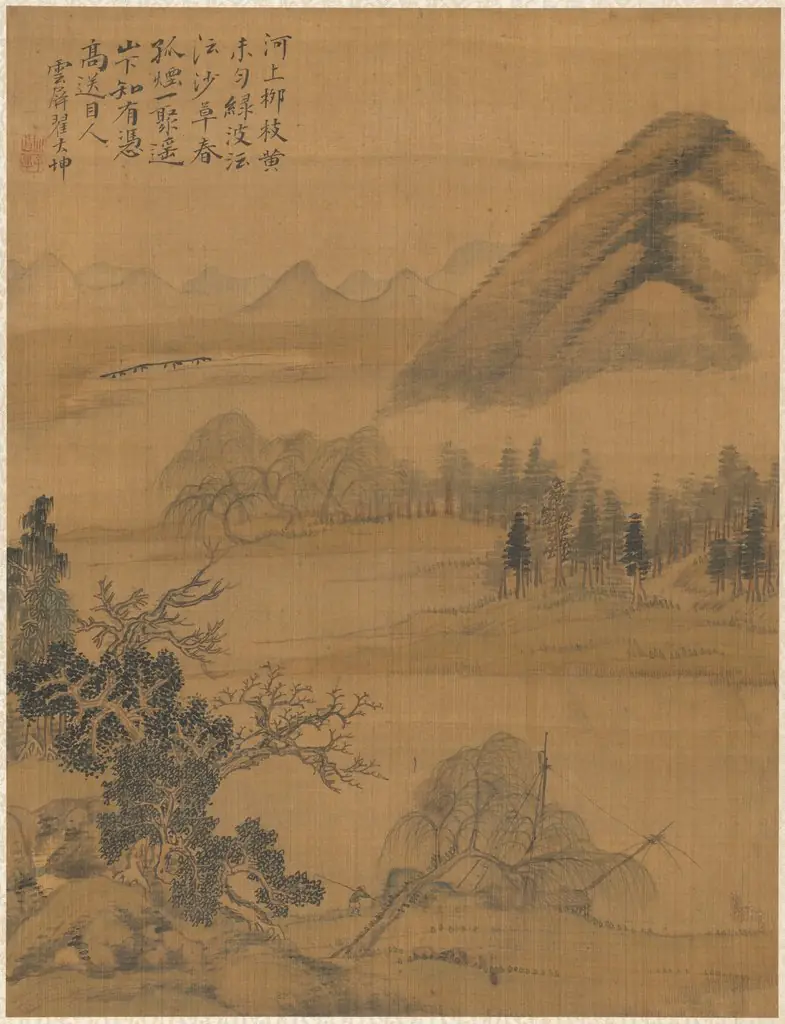 Landscape
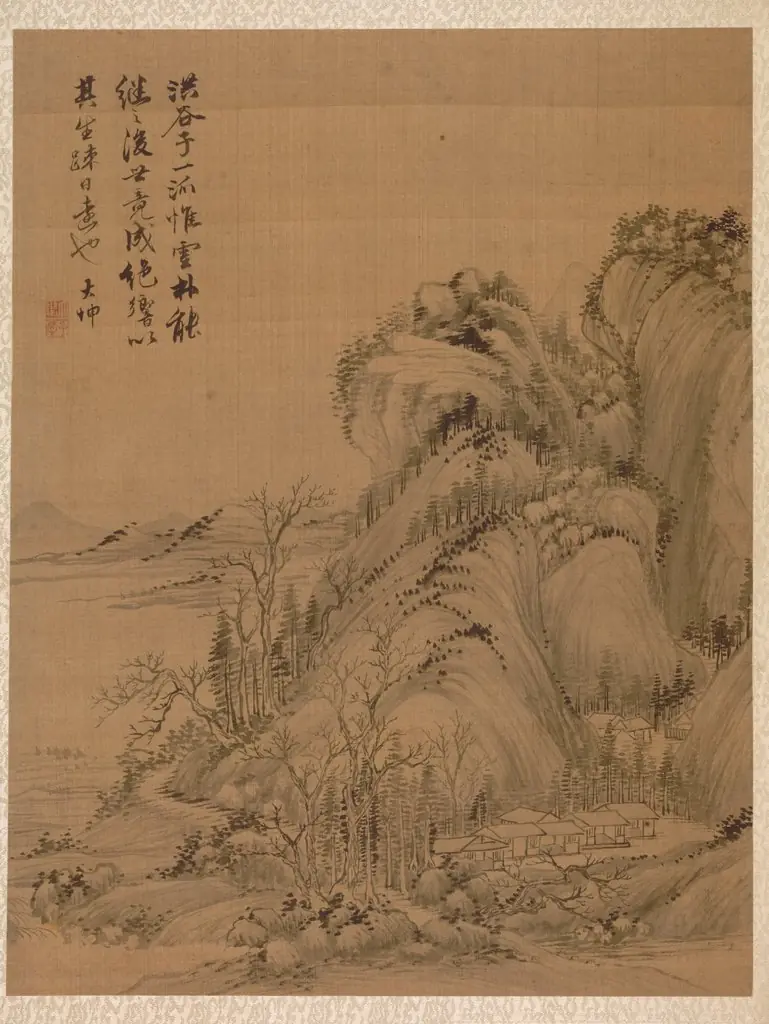 Landscape in the Style of Ching Hao
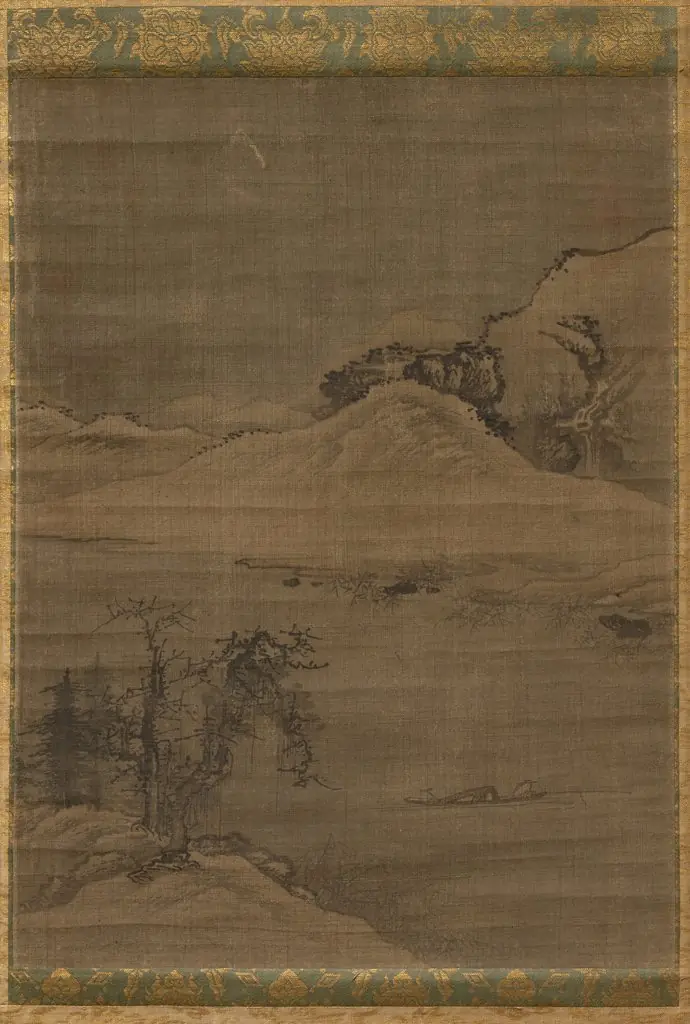 Landscape with Fishermen
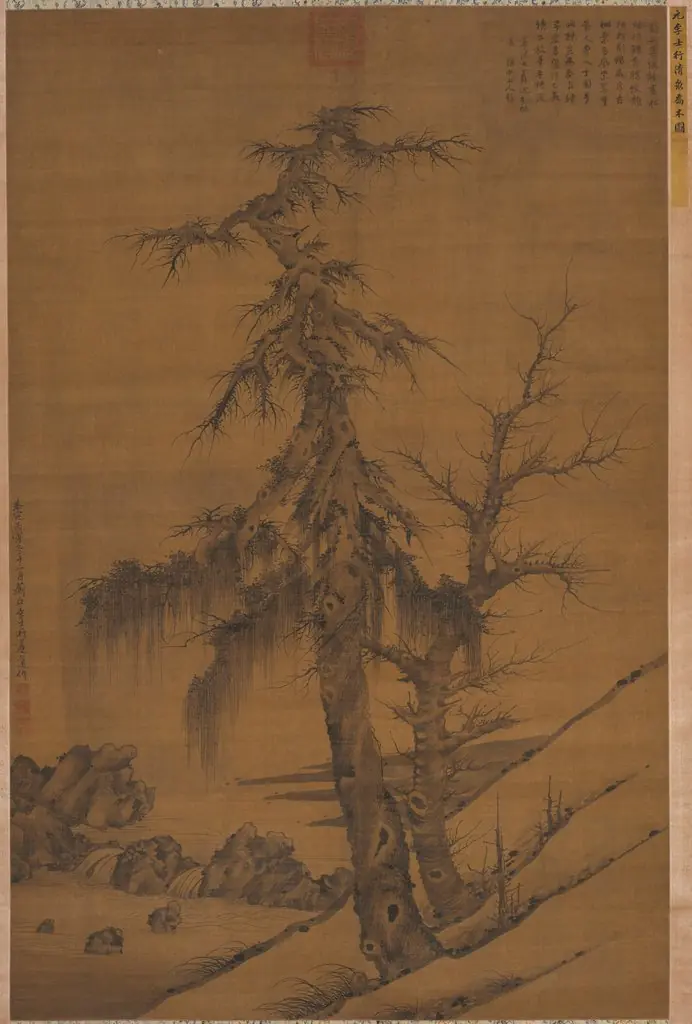 Old Trees by a Cool Spring
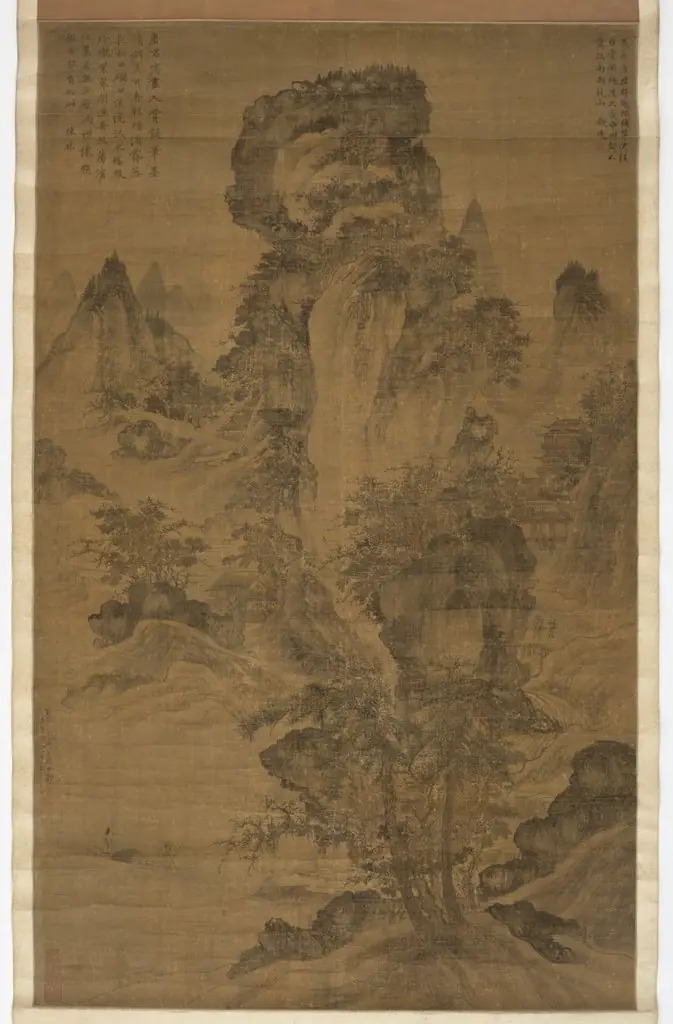 Fishing on an Autumn River