Artwork
Bamboo-Covered Stream in Spring Rain
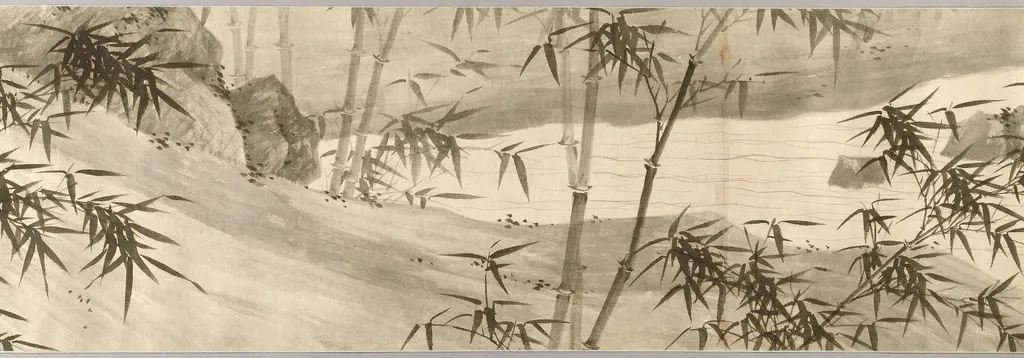
Bamboo-Covered Stream in Spring Rain is an unspecified painting by the Ming Painting artist Xia Chang. It dates from 1441 and is held in the collection of the Art Institute of Chicago.
About this work
One interesting detail is the way the artist has used different brushstrokes to convey the movement of the water and the swaying of the bamboo.
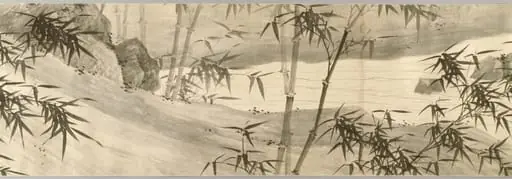
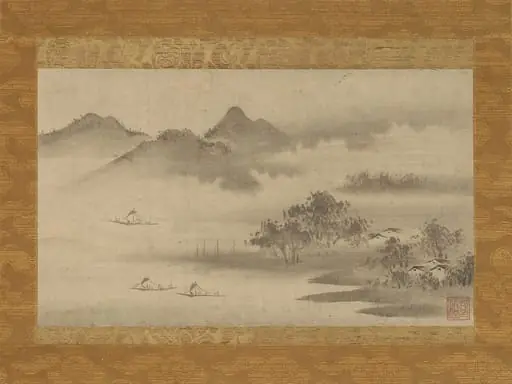
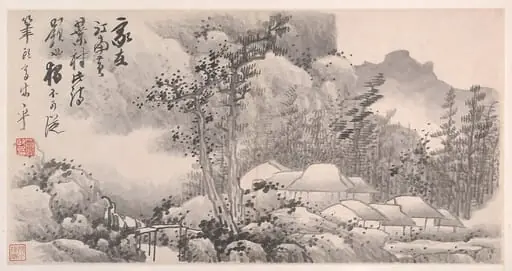
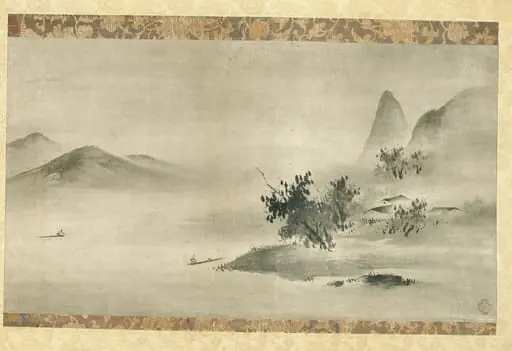
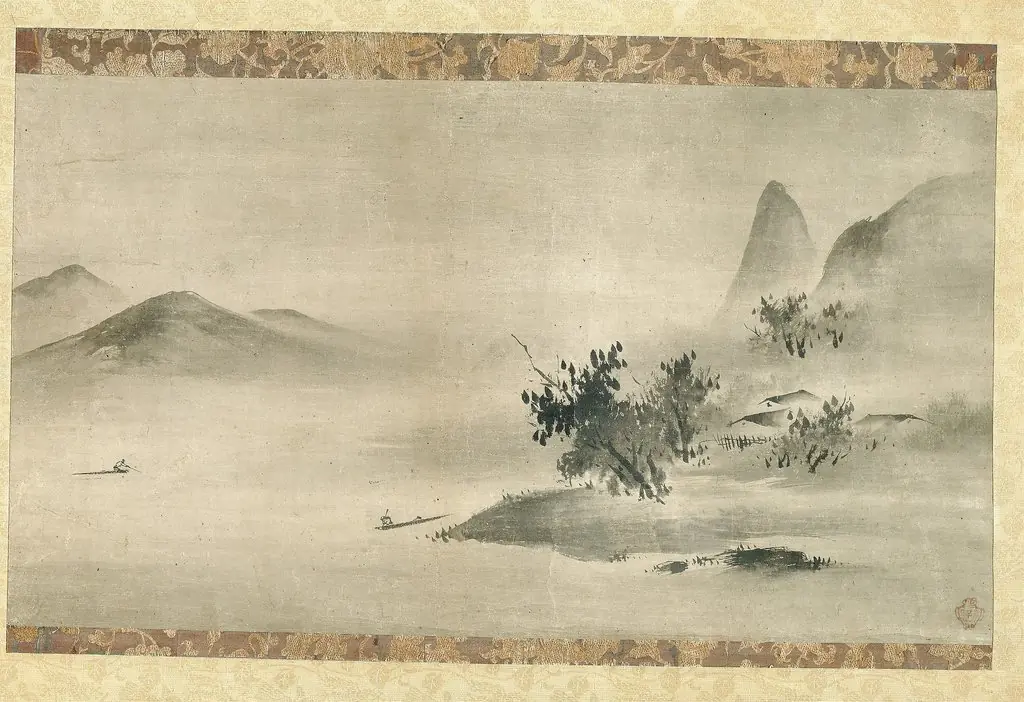
This painting shows a serene landscape with bamboo plants in the foreground and a stream running through the center. The scene is depicted in various shades of gray, with subtle variations in tone that create a sense of depth and texture. In the background, there are rocks and hills that add to the natural beauty of the scene.
One interesting detail is the way the artist has used different brushstrokes to convey the movement of the water and the swaying of the bamboo. The brushstrokes are bold and expressive, giving the painting a sense of energy and life.
If you're interested in learning more about Chinese landscape painting, you might want to look up the artist Xia Chang, who created this beautiful piece in 1441.
Overview
Painted in 1441 by Xia Chang, this ink-on-paper work depicts a quiet stream winding through a grove of bamboo under spring rain. Executed in monochrome tones, the composition balances delicate textures with restrained brushwork, capturing the atmosphere of a damp, mist-laden landscape. The painting resides in the collection of the Art Institute of Chicago.
Subject & Meaning
The scene presents a tranquil natural setting, where bamboo bends gently under rainfall and water flows steadily over stones. Rather than emphasizing grandeur, the work invites contemplation of quiet, recurring natural rhythms. Bamboo, a symbol of resilience in Chinese culture, is rendered not as ornament but as an integral part of the ecosystem, harmonizing with the flow of water and the stillness of the hills.
Technique & Style
Xia Chang employs varying ink washes and brush pressures to suggest moisture, movement, and form. The bamboo stalks are defined by sharp, vertical strokes, while the water is rendered with fluid, interrupted lines that imply motion. Subtle gradations in gray create spatial depth without perspective, adhering to traditional Chinese ink painting conventions that prioritize atmospheric effect over realistic representation.
History & Provenance
Created during the Ming dynasty, the painting reflects Xia Chang’s reputation as a skilled ink artist and civil official. It entered the Art Institute of Chicago’s collection in the 20th century, likely through early 20th-century acquisitions of Chinese art by Western institutions. Its preservation in good condition allows continued study of 15th-century literati aesthetics.
Context
Xia Chang worked within the literati tradition, where painting was an extension of scholarly self-cultivation. His landscapes often responded to poetic ideals of harmony and restraint. This piece aligns with contemporaneous works that favored understated expression over decorative detail, reflecting the influence of earlier Song dynasty masters and the Confucian value of quiet observation.
Legacy
The painting exemplifies how Ming-era artists refined ink techniques to convey emotional and natural nuance. Though not widely known outside scholarly circles, Xia Chang’s approach influenced later generations of Chinese painters who sought to capture transient atmospheric conditions through controlled brushwork and tonal subtlety.
Artist & collection

Artist
Xia Chang spent most of his life in the Ming dynasty, working as a painter and a government official in China.