Artwork
Landscapes for Liu Songfu
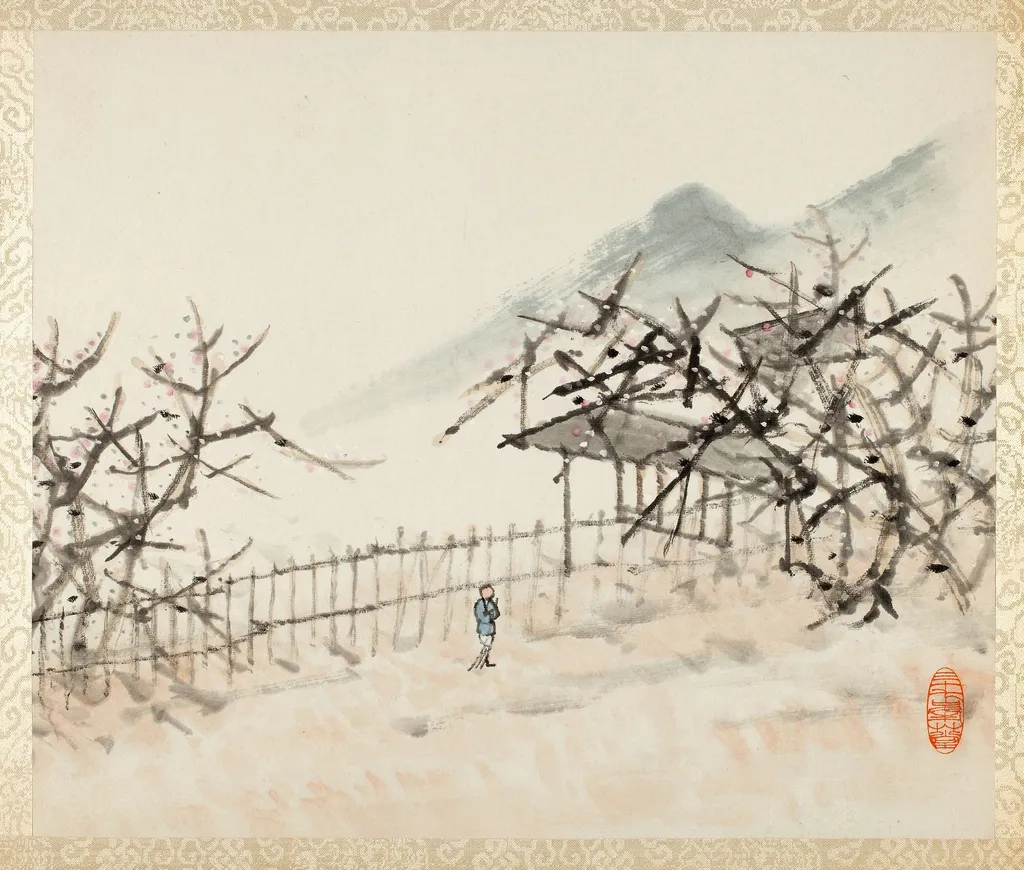
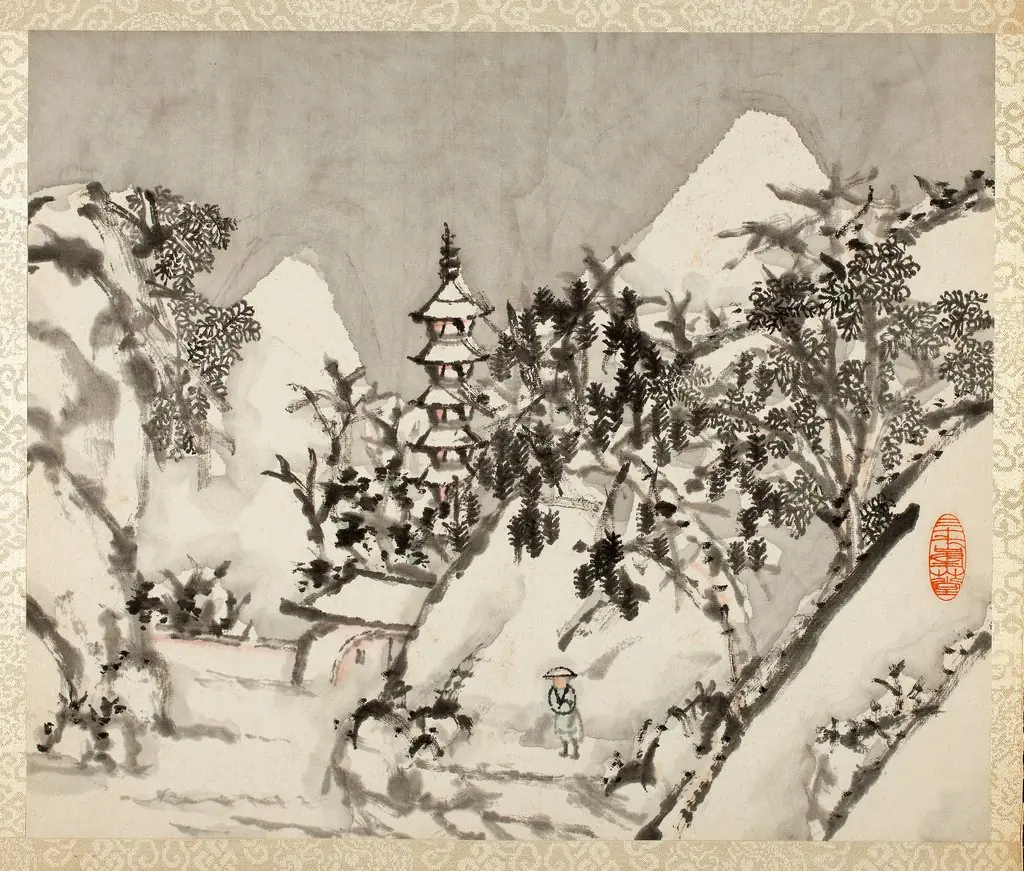
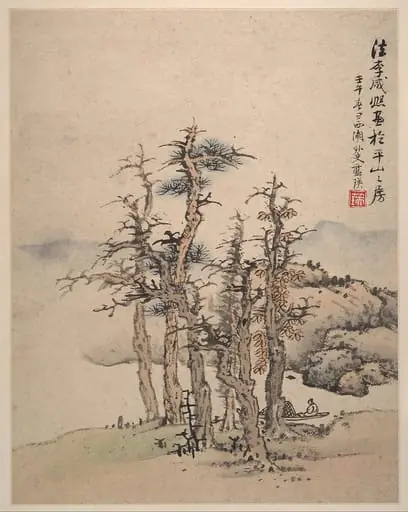
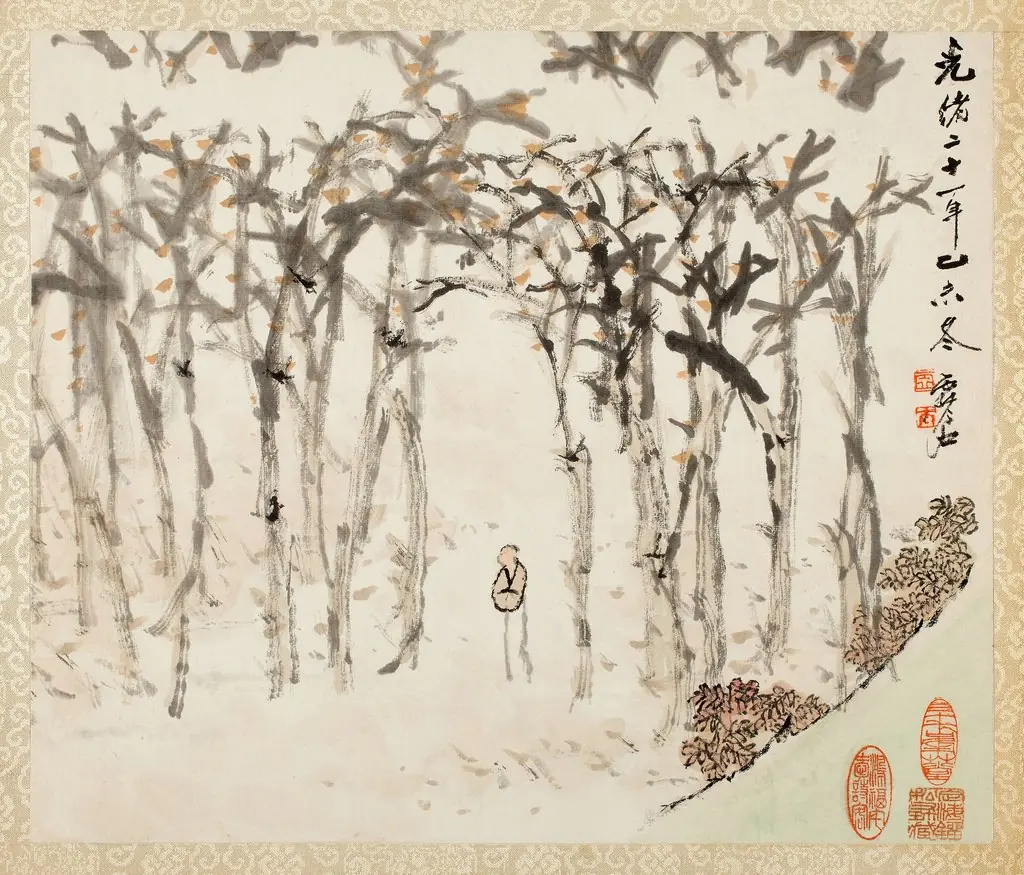
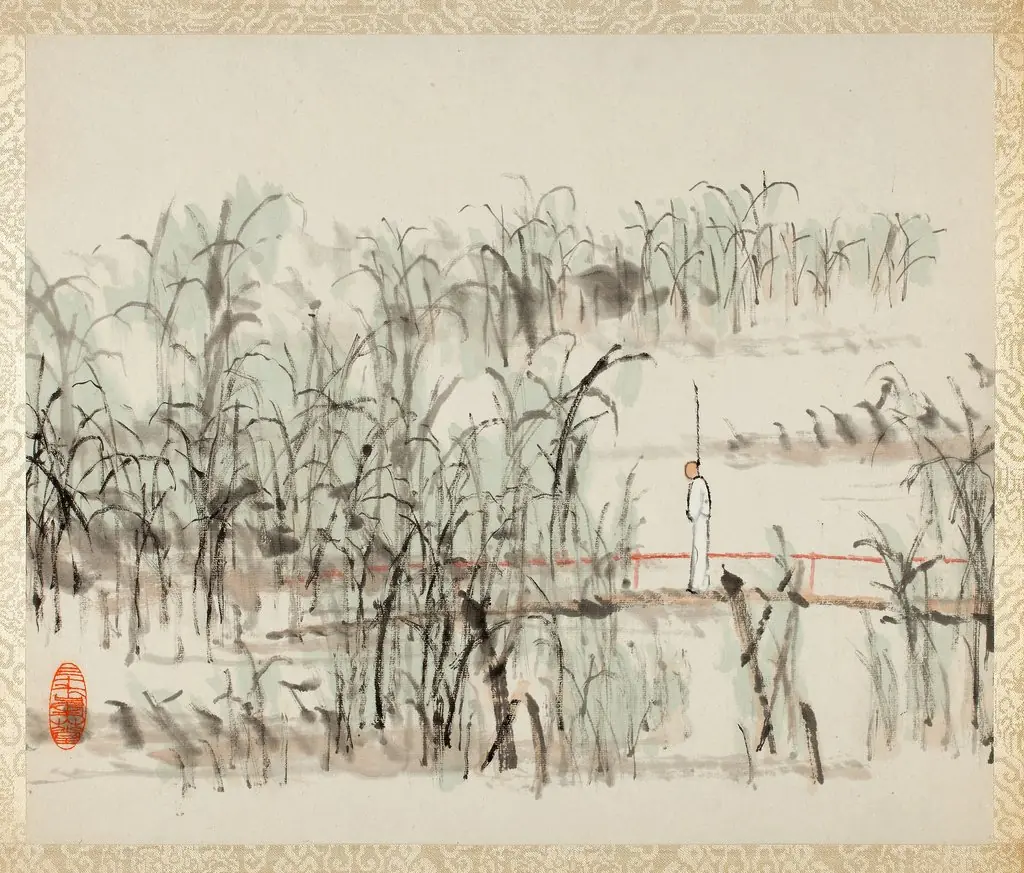
Landscapes for Liu Songfu is an unspecified painting by the Qing Painting artist Xugu. It dates from 1898 and is held in the collection of the Art Institute of Chicago.
About this work
Overview
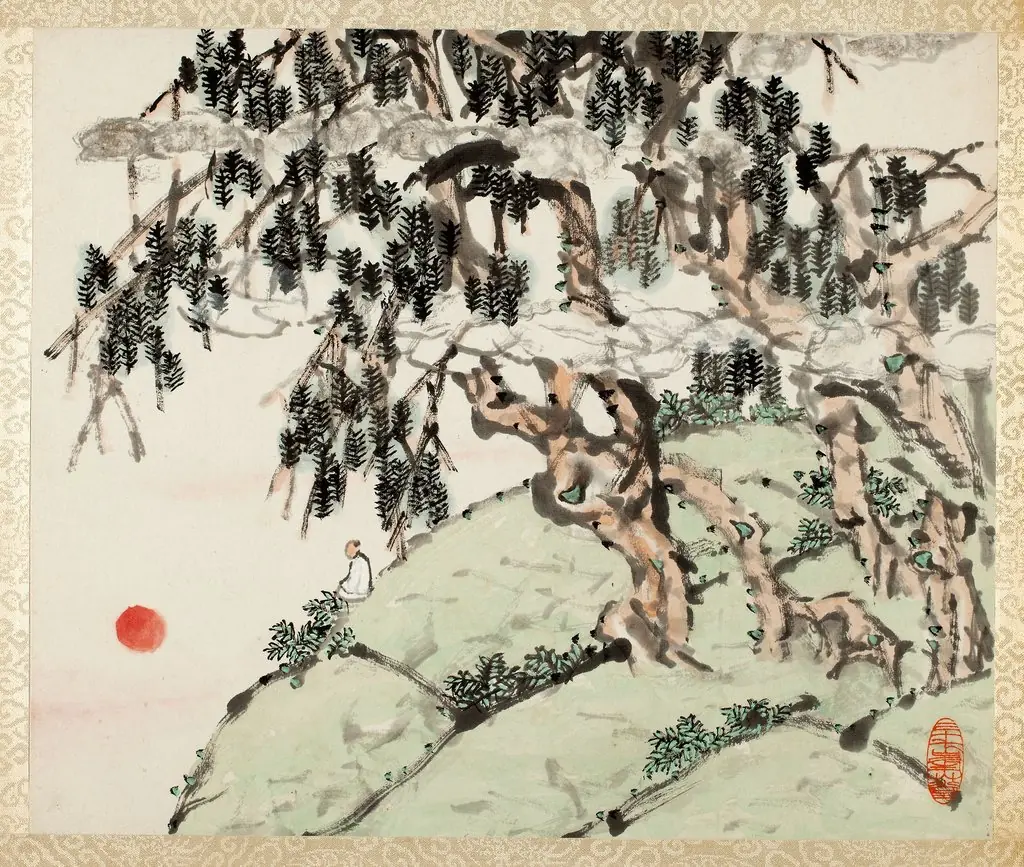
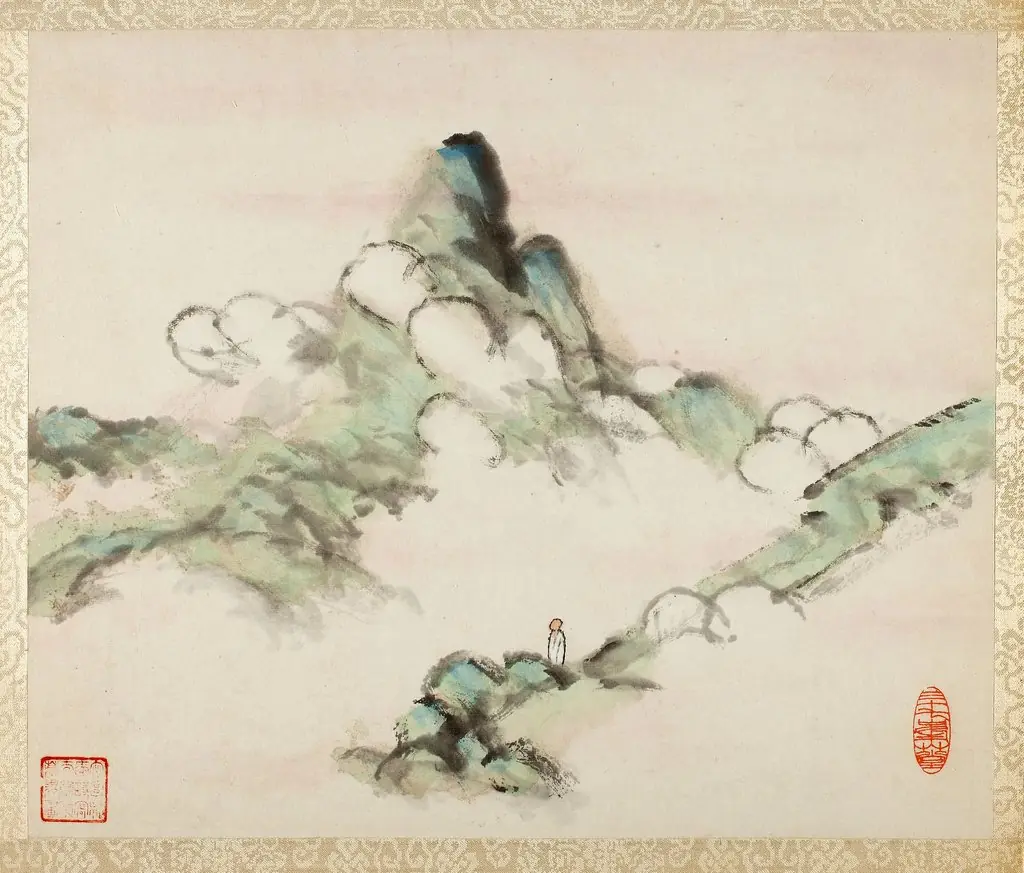
Created in 1898 by the Qing‑era painter‑poet Xu Gu, "Landscapes for Liu Songfu" is a modestly sized ink painting now in the Art Institute of Chicago. The work presents a solitary traveler moving along a narrow path beside stark, twisted trees, under a pale sky that recedes to a faint mountain ridge. A simple fence borders the way, lending the composition a quiet, contemplative atmosphere.
Subject & Meaning
The scene depicts a lone figure navigating a desolate landscape, a motif often used to evoke introspection and the transience of human life amid nature’s endurance. The barren trees, rendered with skeletal branches, suggest a season of dormancy, while the soft, distant horizon invites a sense of openness and solitude, encouraging viewers to contemplate the relationship between the individual and the wider environment.
Technique & Style
The overall approach blends traditional literati brushwork with a personal, expressive touch characteristic of late‑Qing artistic experimentation.
Xu Gu employs loose, sketch‑like brushstrokes that give the trees a wild, almost skeletal quality, contrasting with the delicate rendering of the sky and distant mountains. A small red seal in the corner functions as a signature, a customary mark of authenticity in Qing painting. The overall approach blends traditional literati brushwork with a personal, expressive touch characteristic of late‑Qing artistic experimentation.
History & Provenance
The painting was executed for Liu Songfu, a contemporary patron, and remained in private hands before entering the Art Institute of Chicago’s collection. Its acquisition reflects the museum’s broader effort to represent late Qing artistic production, offering insight into the period’s cross‑regional networks of artists, scholars, and collectors.
Context
During the late nineteenth century, Qing painters often merged classical techniques with individual expression, responding to both internal literary traditions and external influences. Xu Gu’s work exemplifies this synthesis, situating a personal, poetic vision within the established landscape genre. The piece thus illustrates the evolving aesthetic priorities of Qing art as it approached the modern era.
Artist & collection


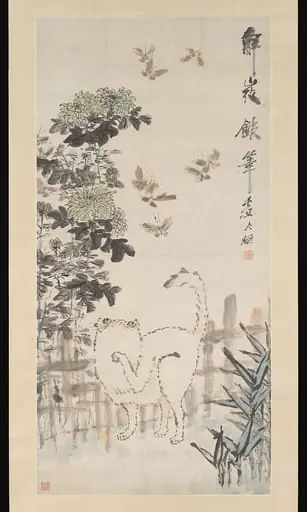 清 虛谷 蝶貓圖 軸|Cat and Butterfly
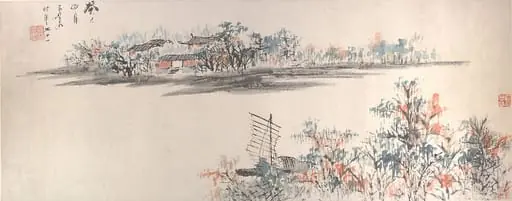 清 虛谷 秋帆圖 冊頁|Sailing in Autumn
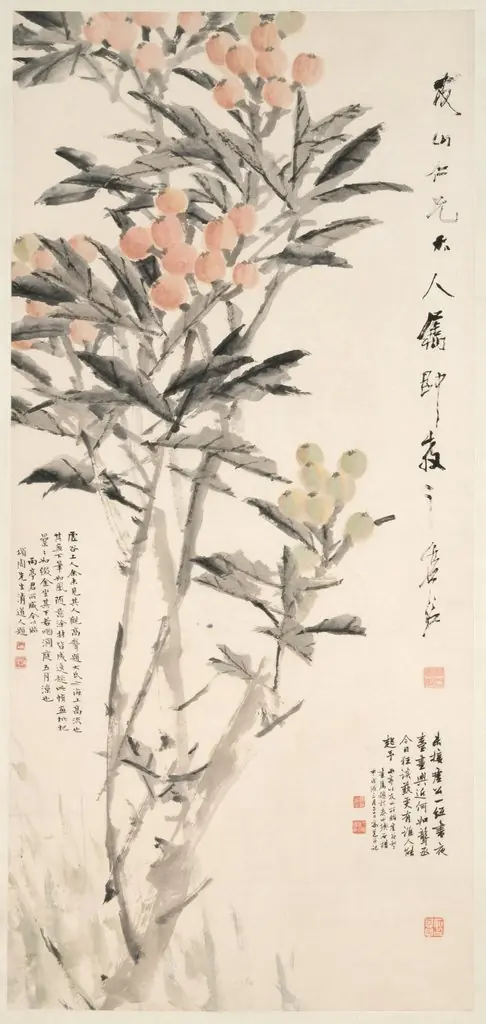 Pipa (Loquats)
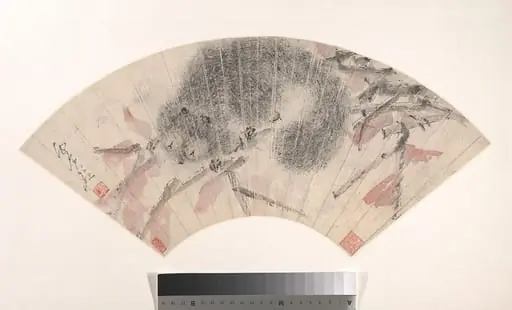 清 虛谷 松鼠 扇面|Squirrel on an Autumn Branch
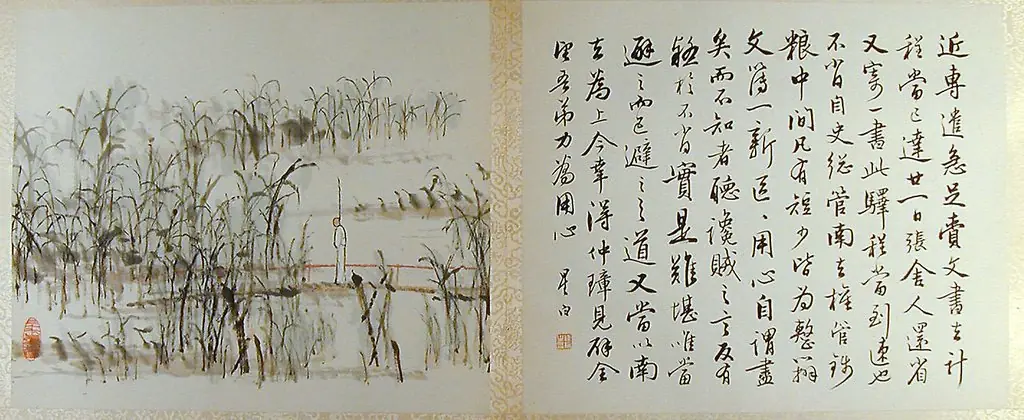 Bridge on a Reed Pond, from an album of Landscapes and Calligraphy for Liu Songfu
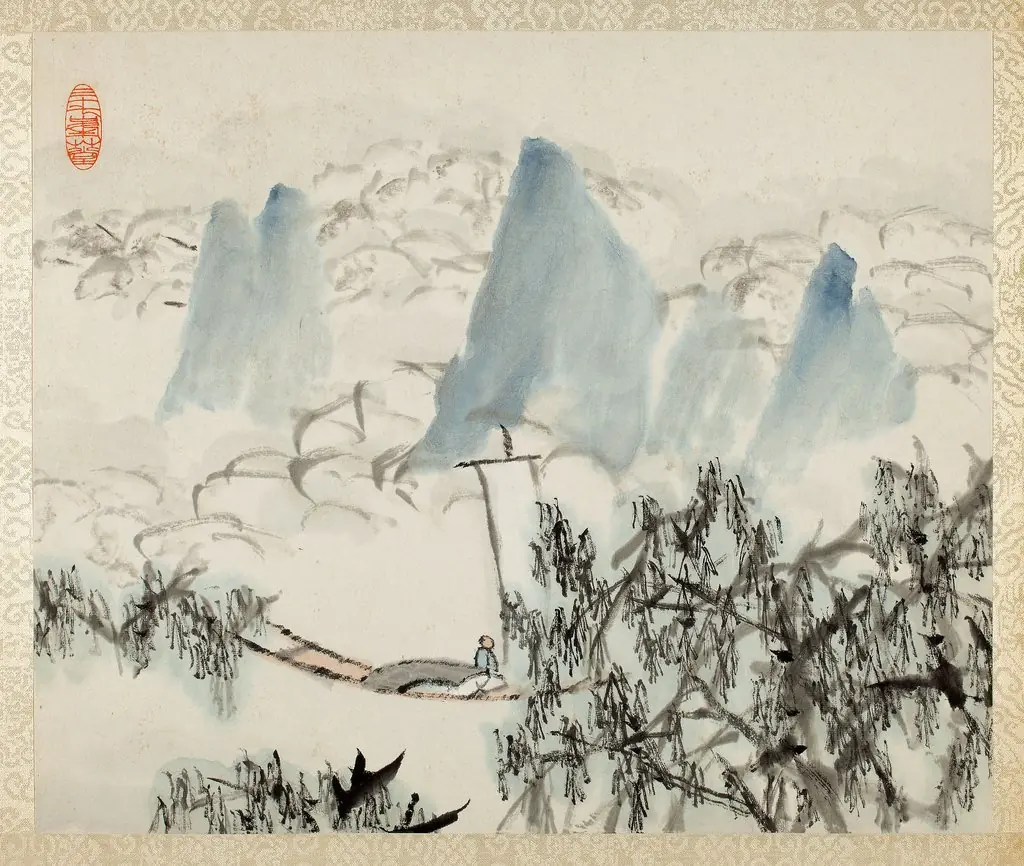 Landscape with Figure, from an album of Landscapes and Calligraphy for Liu Songfu
 Landscape and Figure, from an album of Landscapes and Calligraphy for Liu Songfu
 Landscapes for Liu Songfu