Artwork
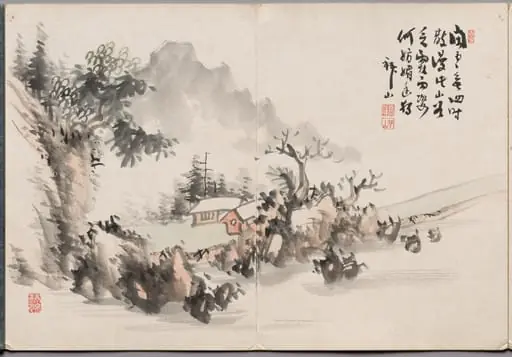
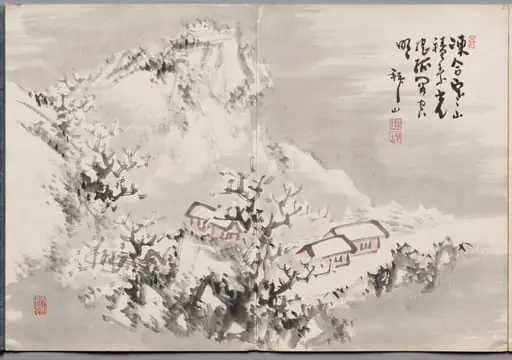
Painting Eight from Album of Paintings by Haizan
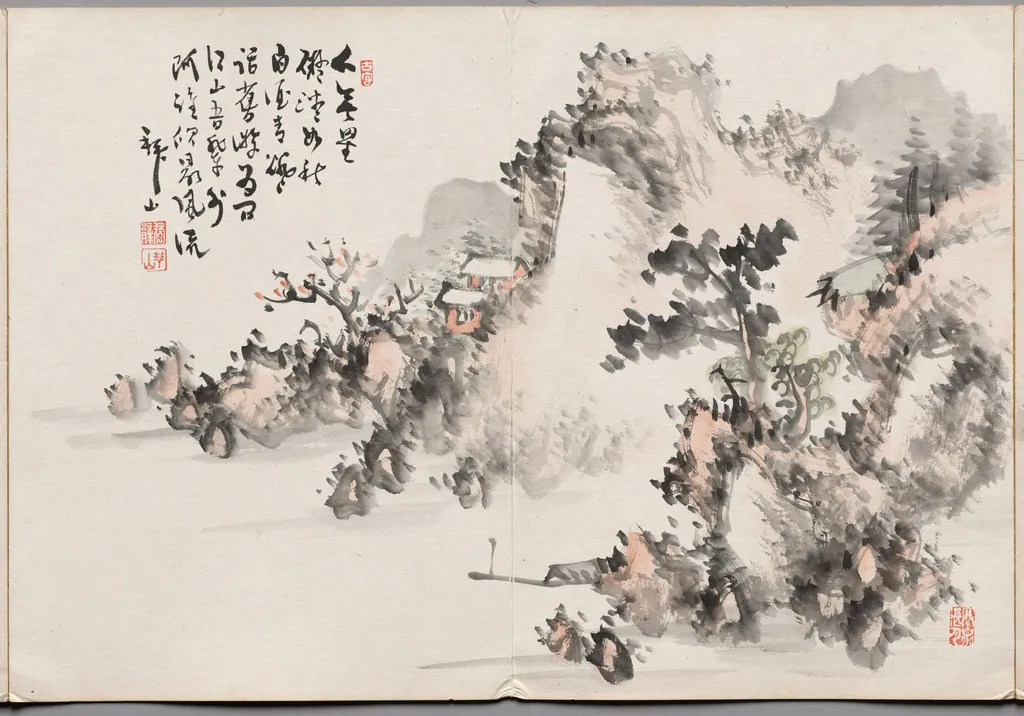
Painting Eight from Album of Paintings by Haizan is an unspecified painting by the Impressionist artist Yoshitsugu Haizan. It dates from 1892 and is held in the collection of the Cleveland Museum of Art.
About this work
Overview
It is currently held in the collection of The Cleveland Museum of Art, where it is preserved as an example of late 19th-century Japanese ink and color painting.
Painting Eight from the Album of Paintings by Haizan is one of a series created in 1892 by Yoshitsugu Haizan, a Japanese artist active during the Meiji period. The work is part of a bound album, reflecting the tradition of intimate, hand-held picture collections. It is currently held in the collection of The Cleveland Museum of Art, where it is preserved as an example of late 19th-century Japanese ink and color painting.
Subject & Meaning
The painting presents a quiet, contemplative landscape centered on a large, gnarled tree whose limbs rise toward the upper edge of the composition. A modest structure, barely visible among the foliage, suggests human presence without intrusion. The scene evokes solitude and harmony with nature, themes common in Japanese artistic traditions. There is no narrative, only a mood of stillness, inviting quiet reflection rather than storytelling.
Technique & Style
Haizan employs fine, controlled brushwork to render foliage and bark with delicate precision. The palette is restrained, using muted greens, grays, and browns to suggest natural tones without bold contrast. Light is implied through subtle gradations and sparse ink washes, creating dappled shadows beneath the branches. The composition balances negative space with detailed elements, reflecting influences from both ink-wash traditions and emerging naturalistic tendencies of the era.
History & Provenance
The painting was produced in 1892 as part of a private album, likely intended for personal or scholarly appreciation rather than public display. It entered the Cleveland Museum of Art’s collection through documented acquisition, though its immediate provenance prior to museum ownership remains unrecorded in public sources. Its preservation in album form suggests it was valued as a refined, portable artwork rather than a monumental piece.
Context
Created during Japan’s Meiji era, the work reflects a period of cultural negotiation between traditional Japanese aesthetics and Western artistic influences. While Haizan’s technique remains rooted in ink painting, the attention to naturalistic light and atmospheric depth hints at exposure to new visual ideas. Unlike overtly Westernized art of the time, this piece retains its connection to classical Japanese landscape conventions, subtly adapting them to contemporary sensibilities.
Legacy
Haizan’s album paintings, including this one, are recognized for their quiet mastery and restraint. Though not widely known outside specialist circles, they represent a significant thread in the evolution of Japanese painting during modernization. The work contributes to understanding how traditional forms persisted and adapted without adopting Western styles wholesale, preserving a distinct visual language through subtle innovation.
Artist & collection

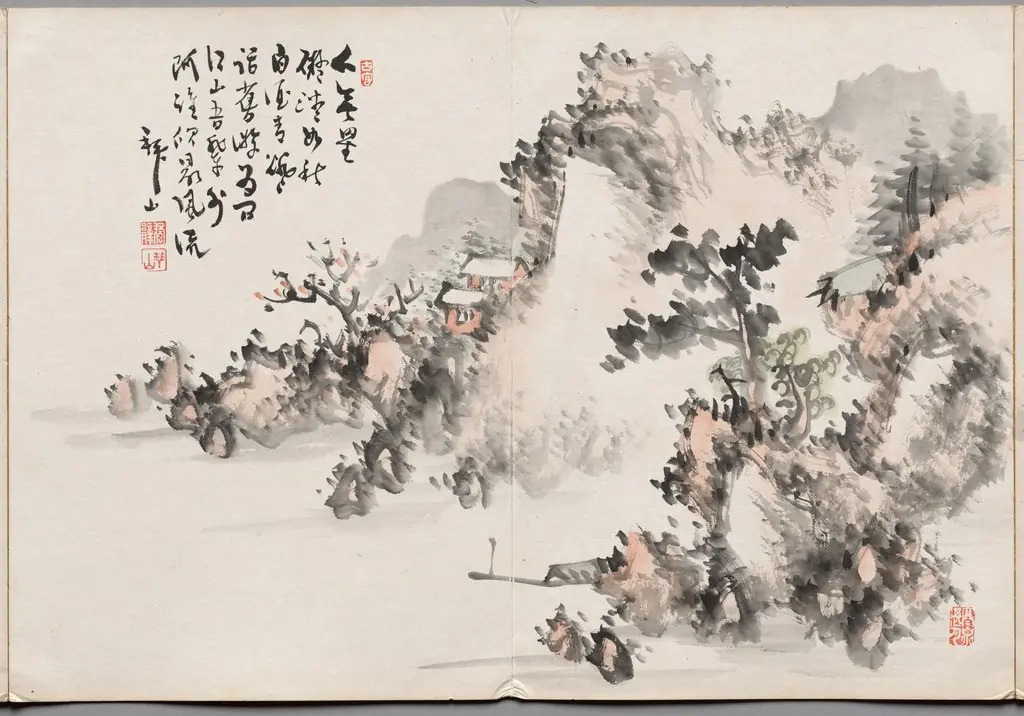 Painting Eight from Album of Paintings by Haizan
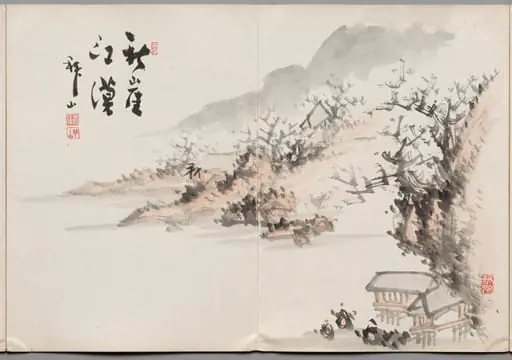
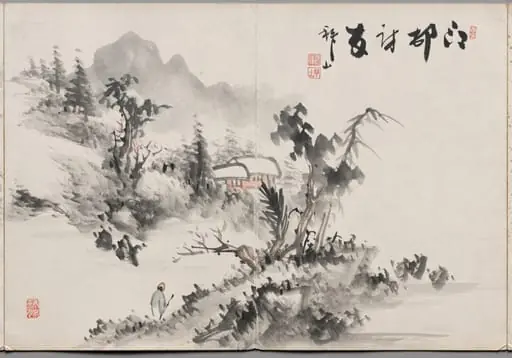
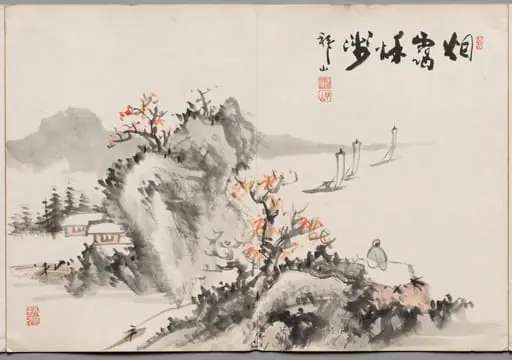
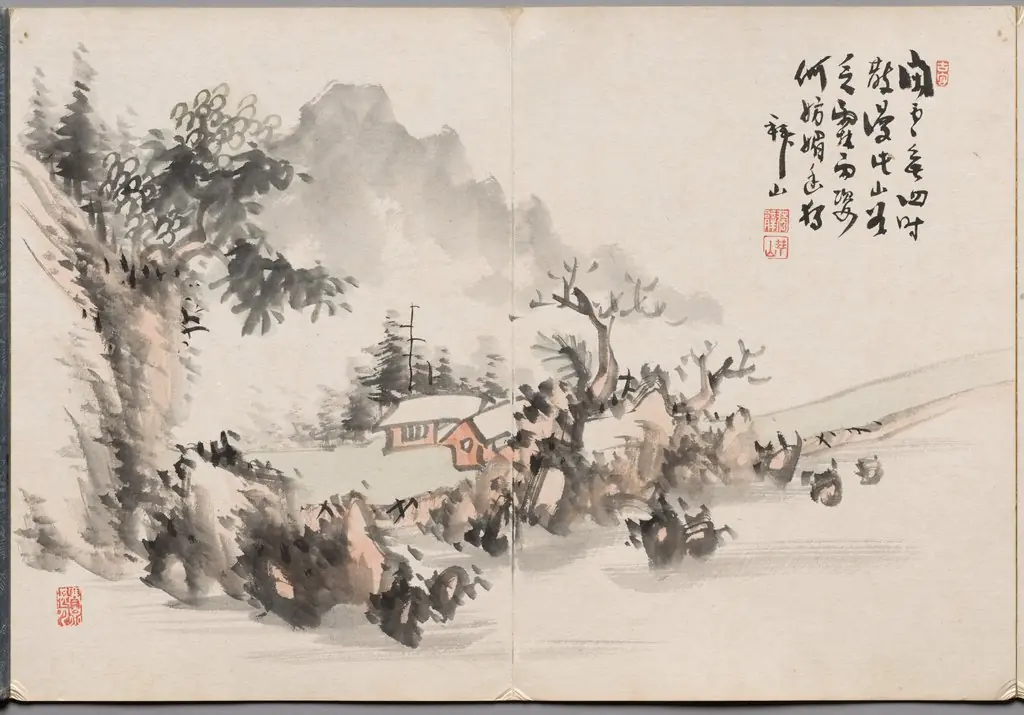 Painting Six from Album of Paintings by Haizan
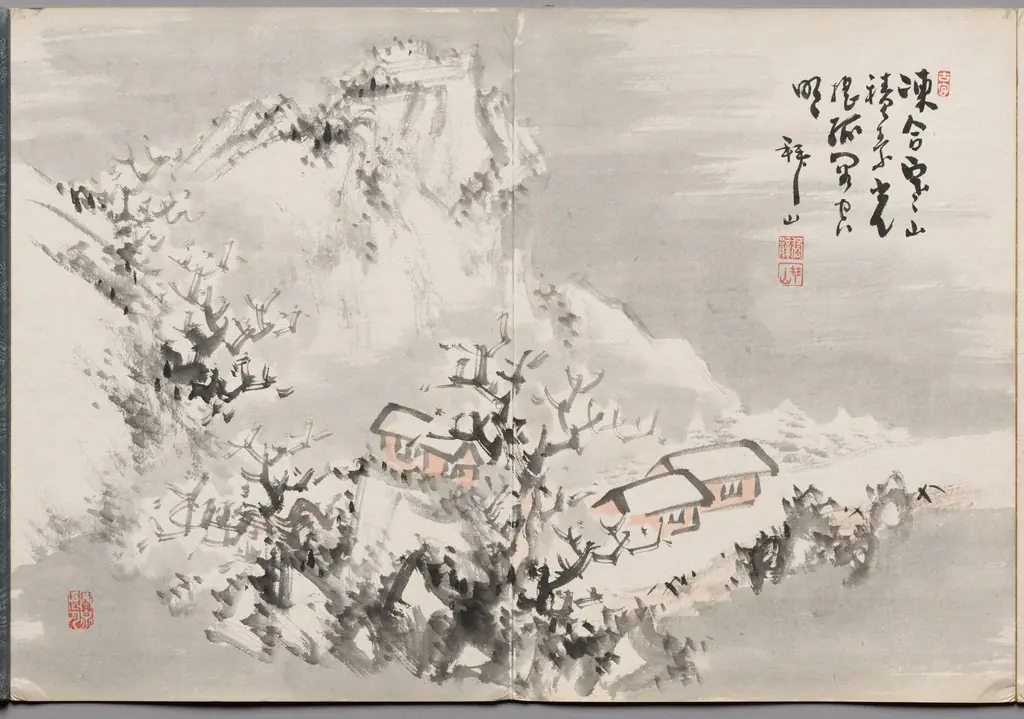 Painting Thirteen from Album of Paintings by Haizan
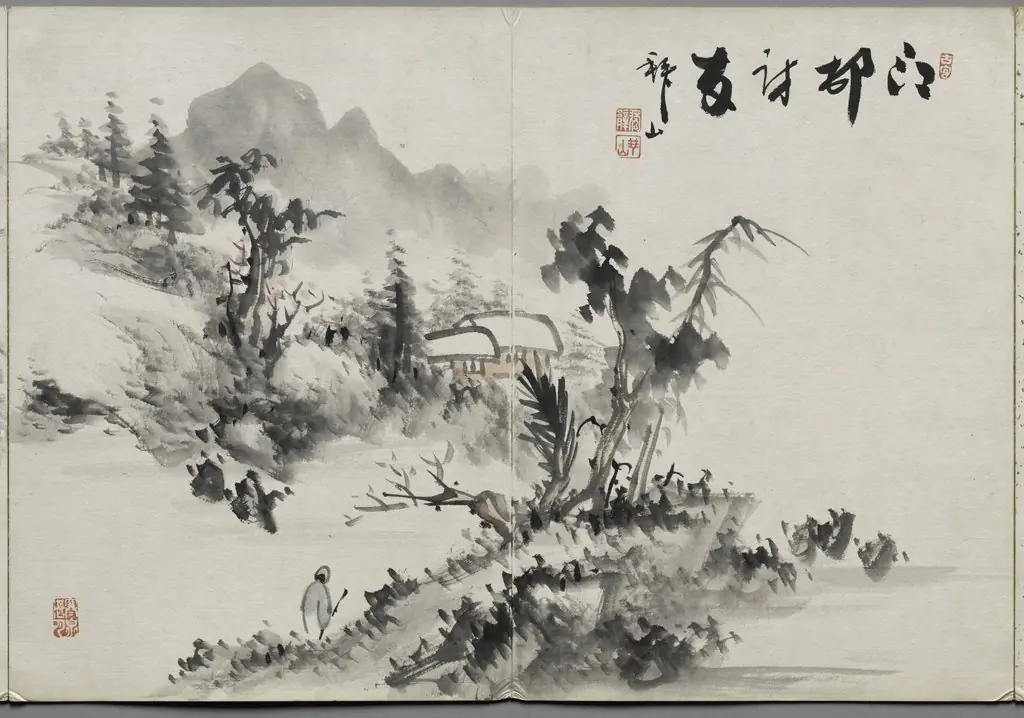 Painting Seven from Album of Paintings by Haizan
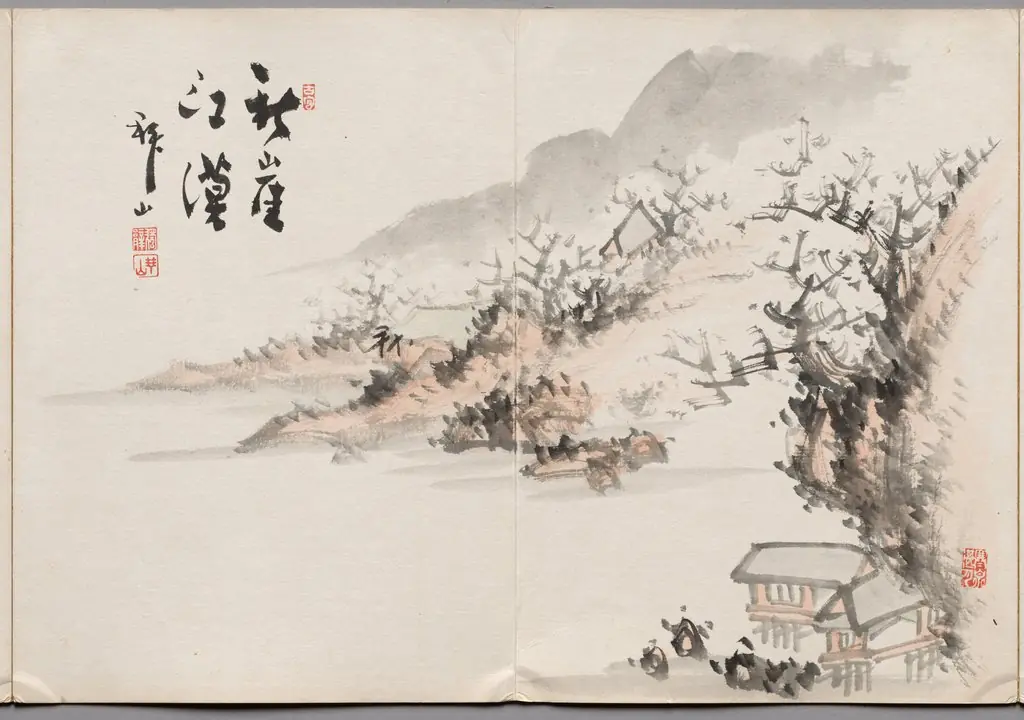 Painting Eleven from Album of Paintings by Haizan
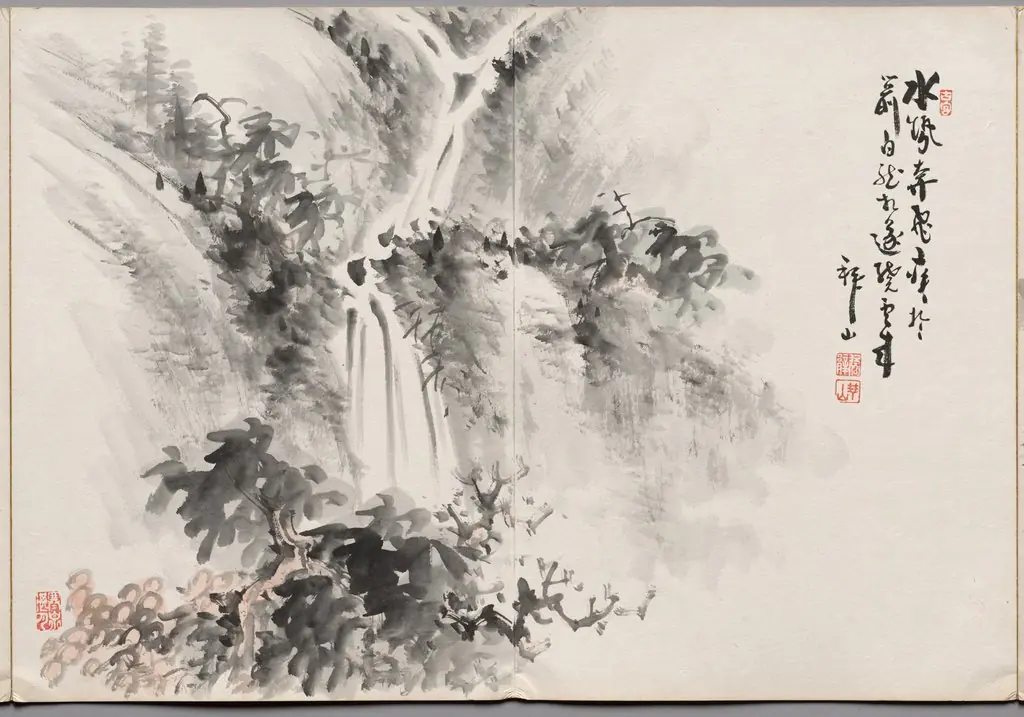 Painting Ten from Album of Paintings by Haizan
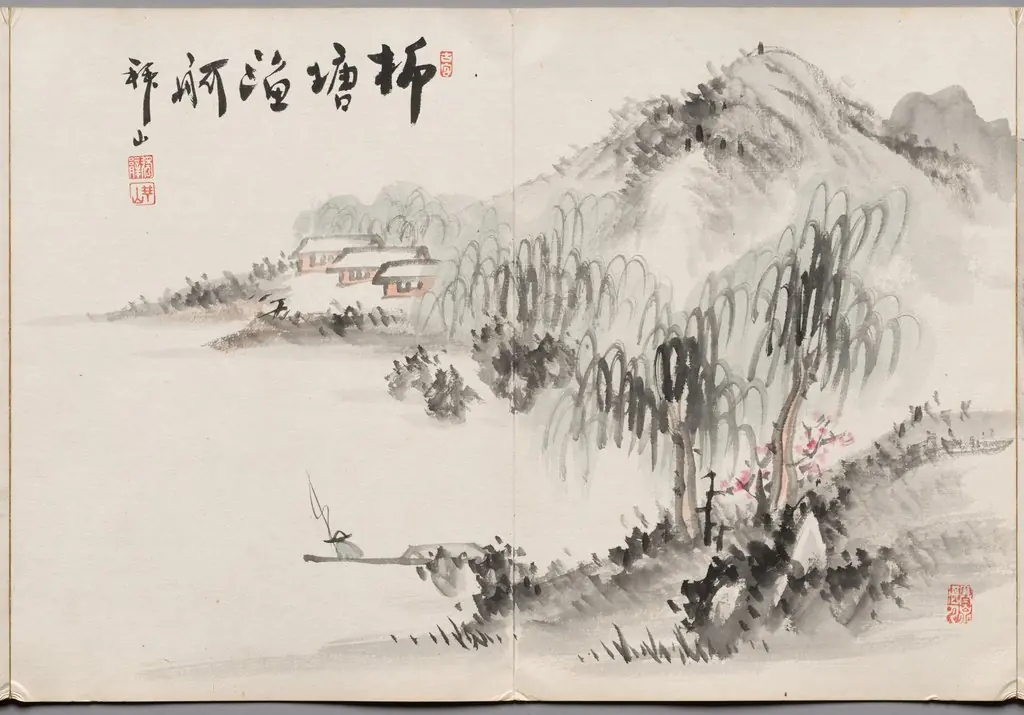 Painting Four from Album of Paintings by Haizan
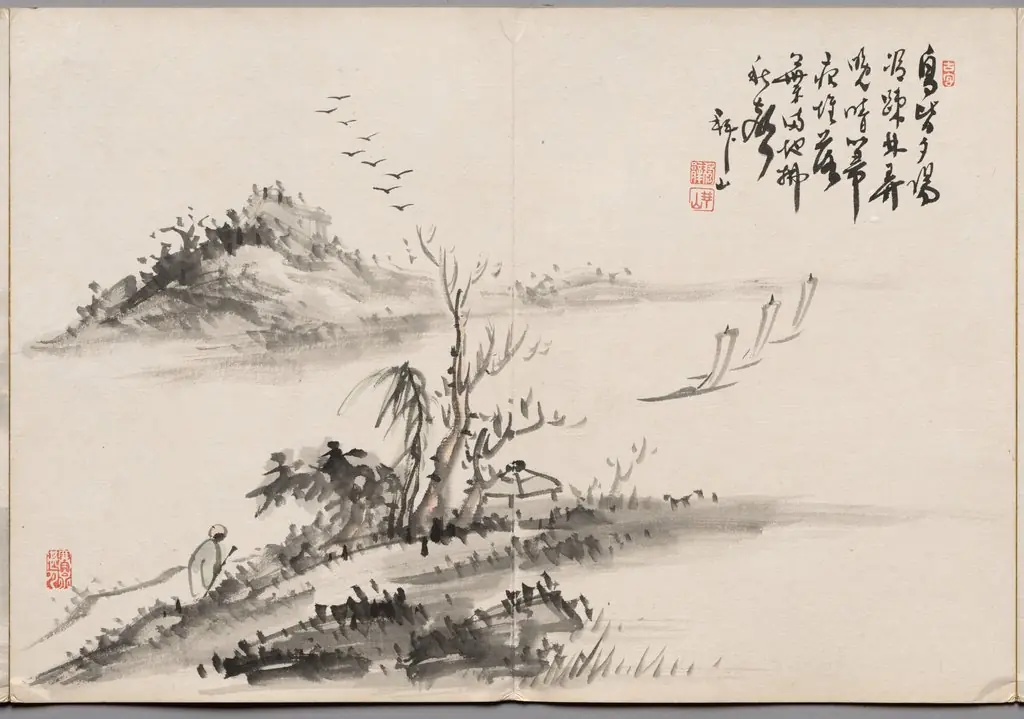 Painting Twelve from Album of Paintings by Haizan