Artwork
Painting Eleven from Album of Paintings by Haizan
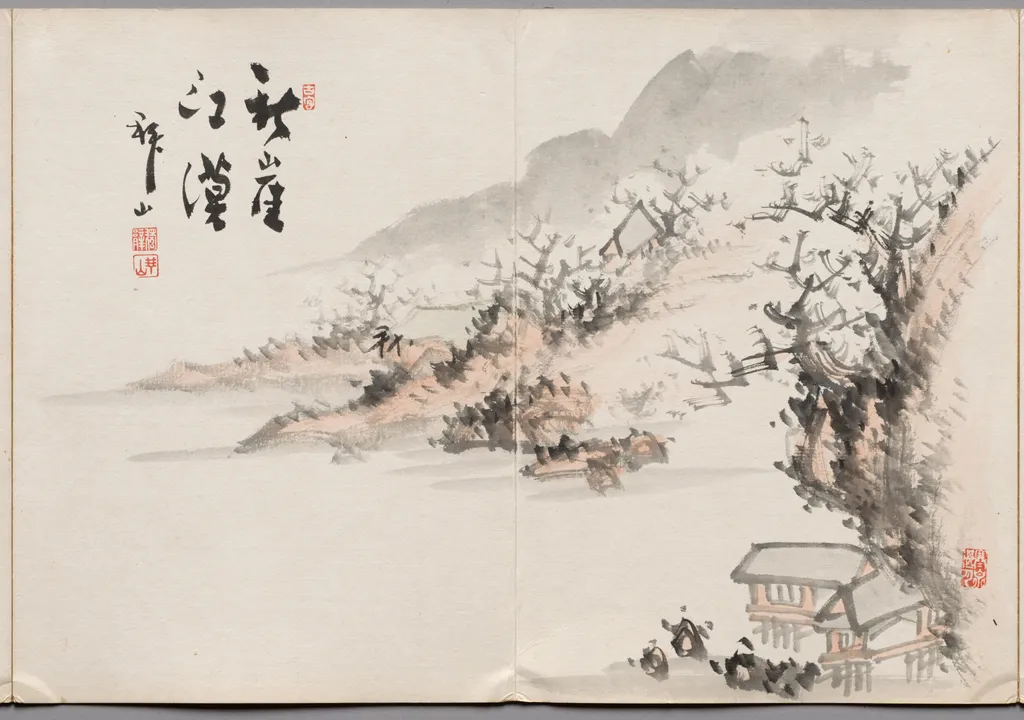
Painting Eleven from Album of Paintings by Haizan is an unspecified painting by Yoshitsugu Haizan. It dates from 1890 and is held in the collection of the Cleveland Museum of Art.
About this work
Overview
Created around 1890 by Yoshitsugu Haizan, Painting Eleven belongs to the artist’s Album of Paintings and is part of the collection at the Cleveland Museum of Art. The work presents a tranquil rural landscape rendered in muted earth tones, inviting viewers to contemplate a quiet moment in a secluded valley.
Subject & Meaning
The composition depicts a small village set in a low‑lying valley, its modest structures gathered along a winding river. Bare, slender trees frame the water’s edge, while distant mountains loom through a veil of mist, suggesting a harmonious relationship between human habitation and the surrounding natural environment.
Technique & Style
Haizan employs brisk, loosely applied brushstrokes that convey the subtle movement of water and the sway of foliage. The palette is dominated by browns and grays, punctuated by pale blues and greens, creating a subdued atmosphere that emphasizes the scene’s stillness while hinting at underlying dynamism.
History & Provenance
The painting entered the Cleveland Museum of Art’s holdings after being acquired from private collections, though specific details of its early ownership remain limited. Its inclusion in the museum’s Asian art department reflects the institution’s broader effort to represent Meiji‑era Japanese painting.
Context
Produced during Japan’s Meiji period, the work reflects contemporary interest in landscape painting that combined traditional techniques with Western influences. Haizan’s focus on everyday rural life aligns with a broader cultural shift toward documenting the country’s changing scenery amid rapid modernization.
Artist & collection

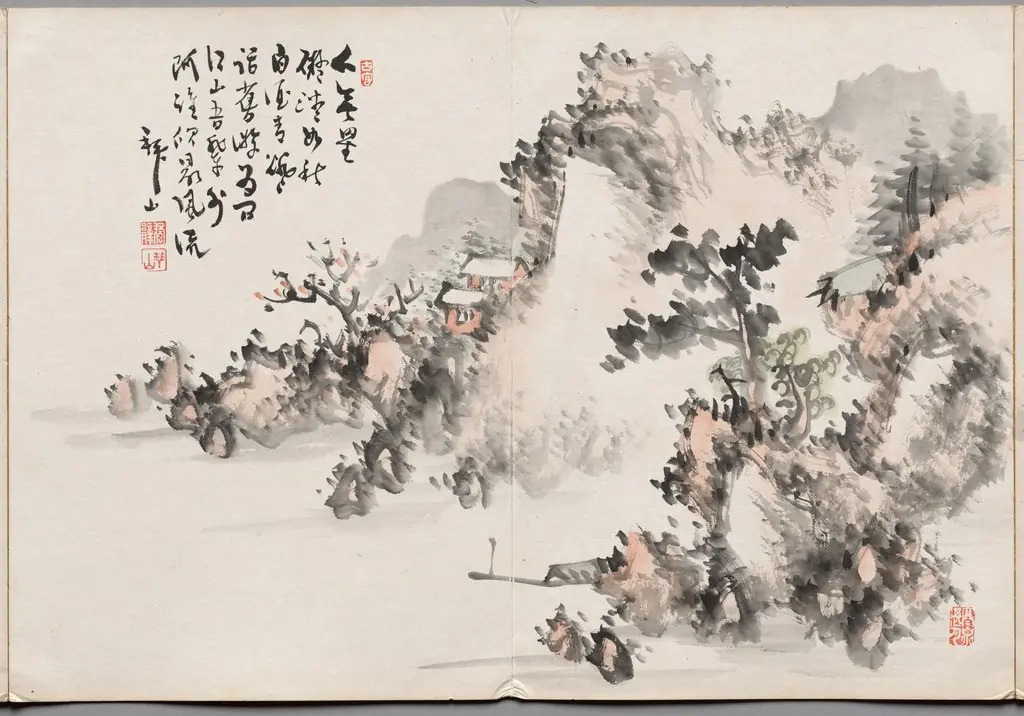 Painting Eight from Album of Paintings by Haizan
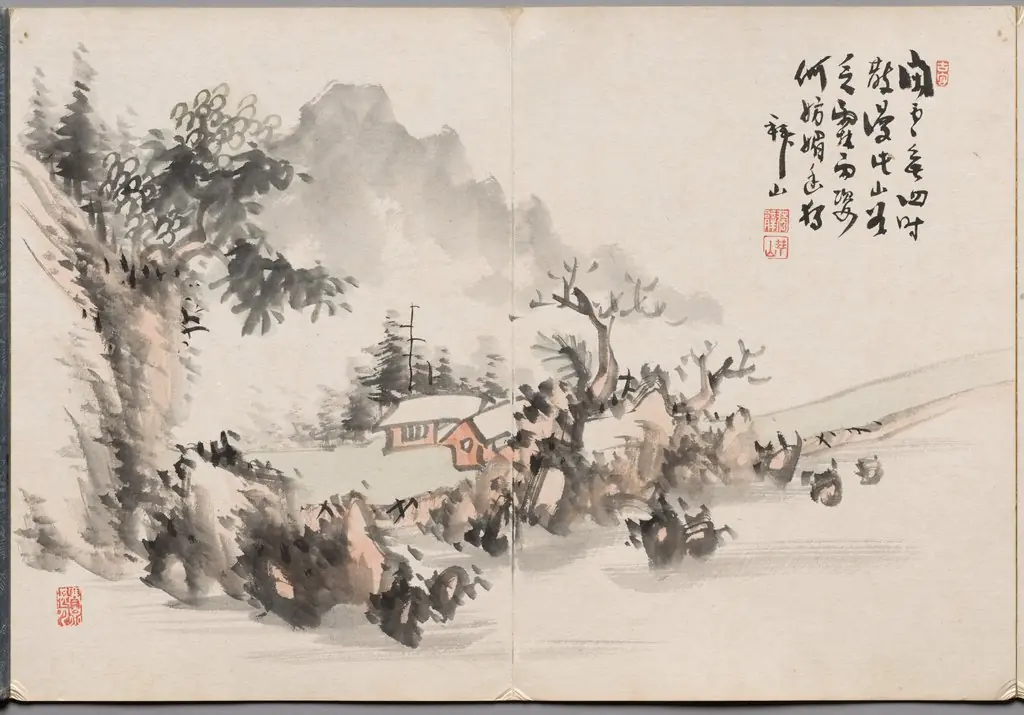 Painting Six from Album of Paintings by Haizan
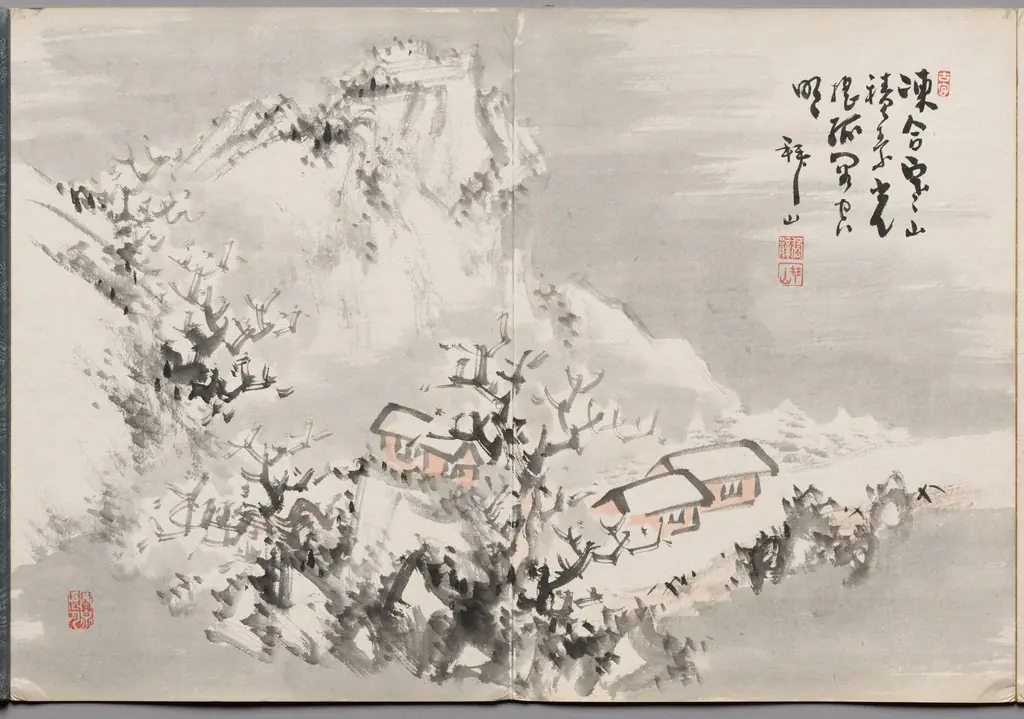 Painting Thirteen from Album of Paintings by Haizan
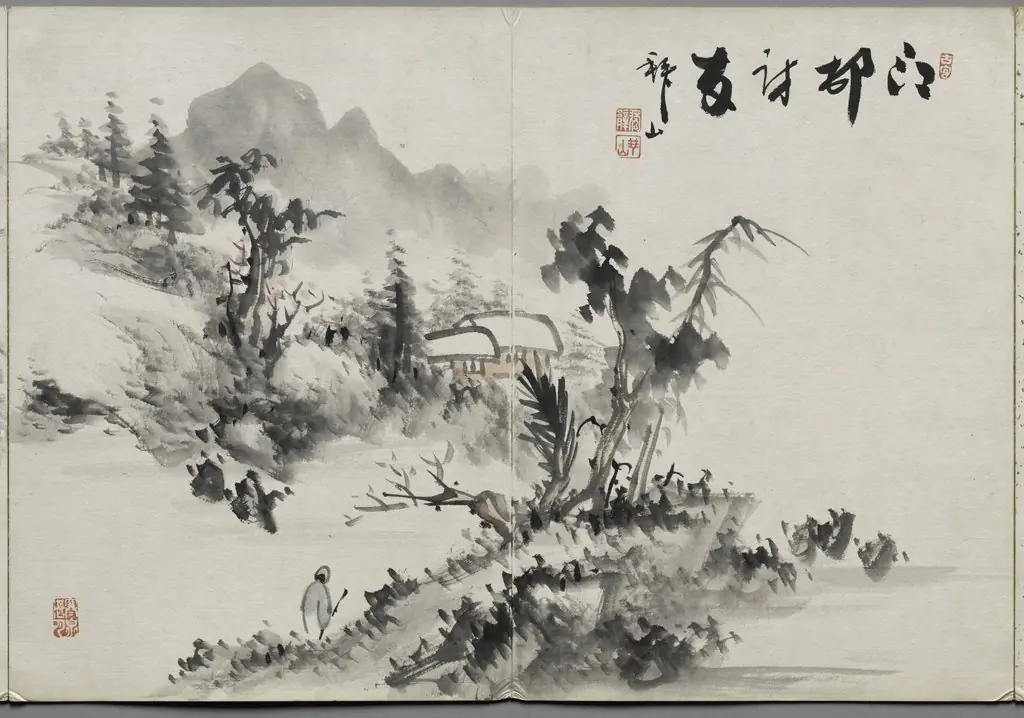 Painting Seven from Album of Paintings by Haizan
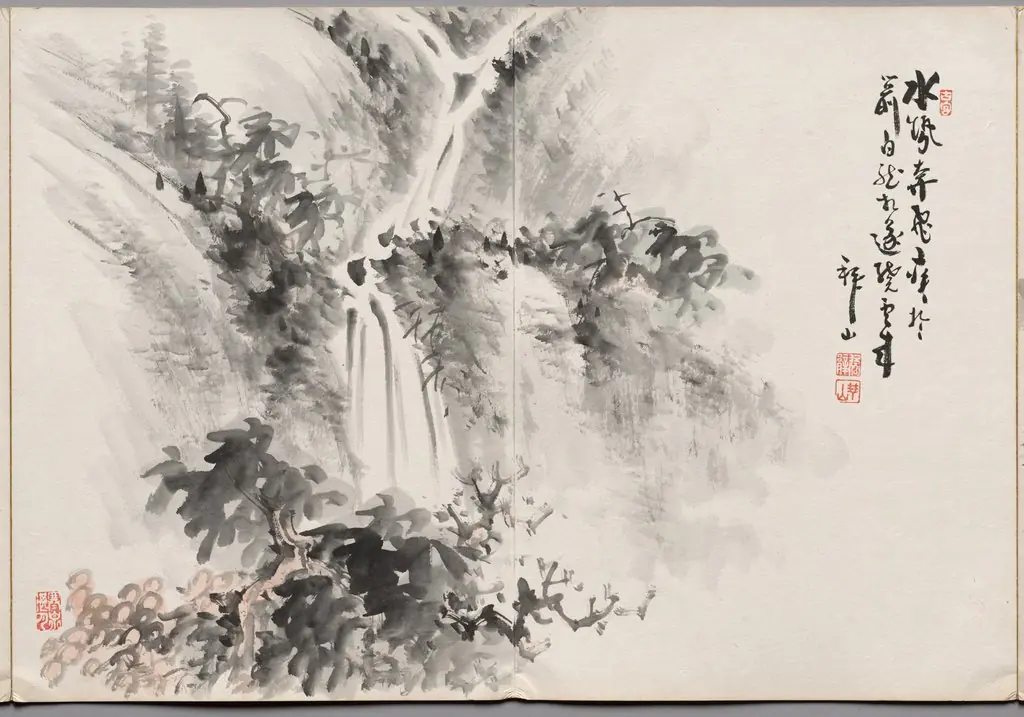 Painting Ten from Album of Paintings by Haizan
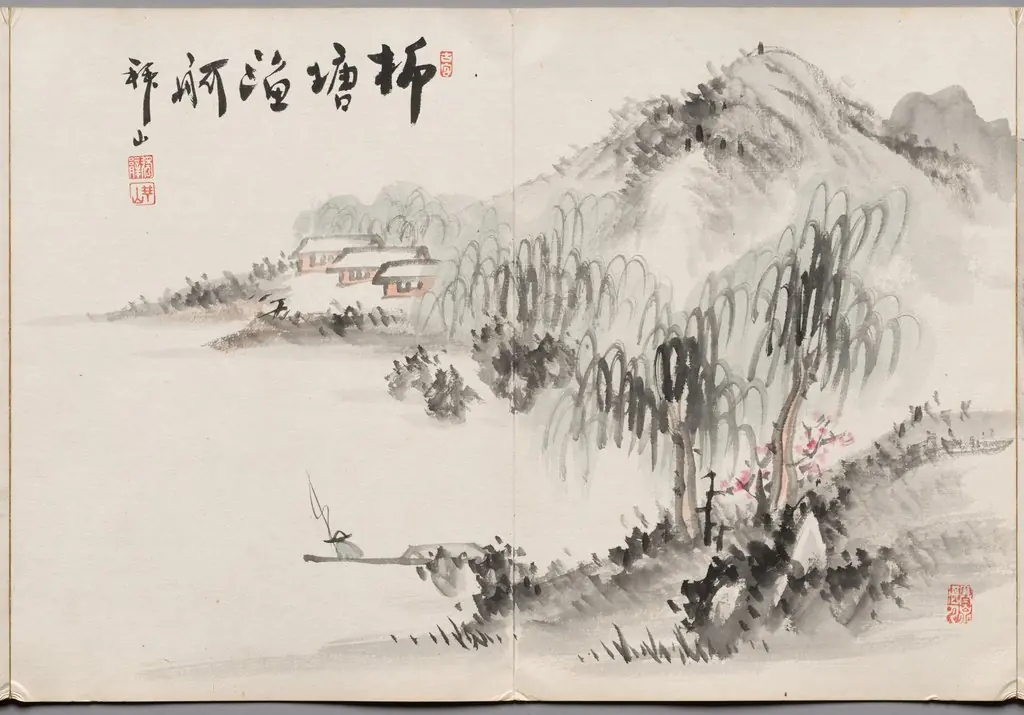 Painting Four from Album of Paintings by Haizan
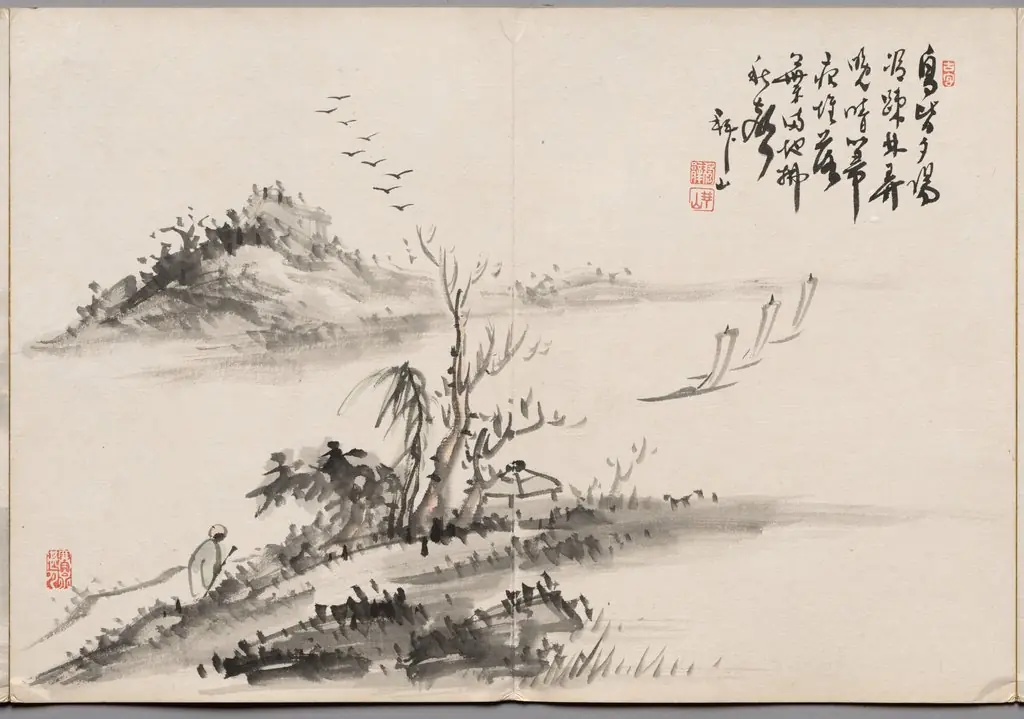 Painting Twelve from Album of Paintings by Haizan
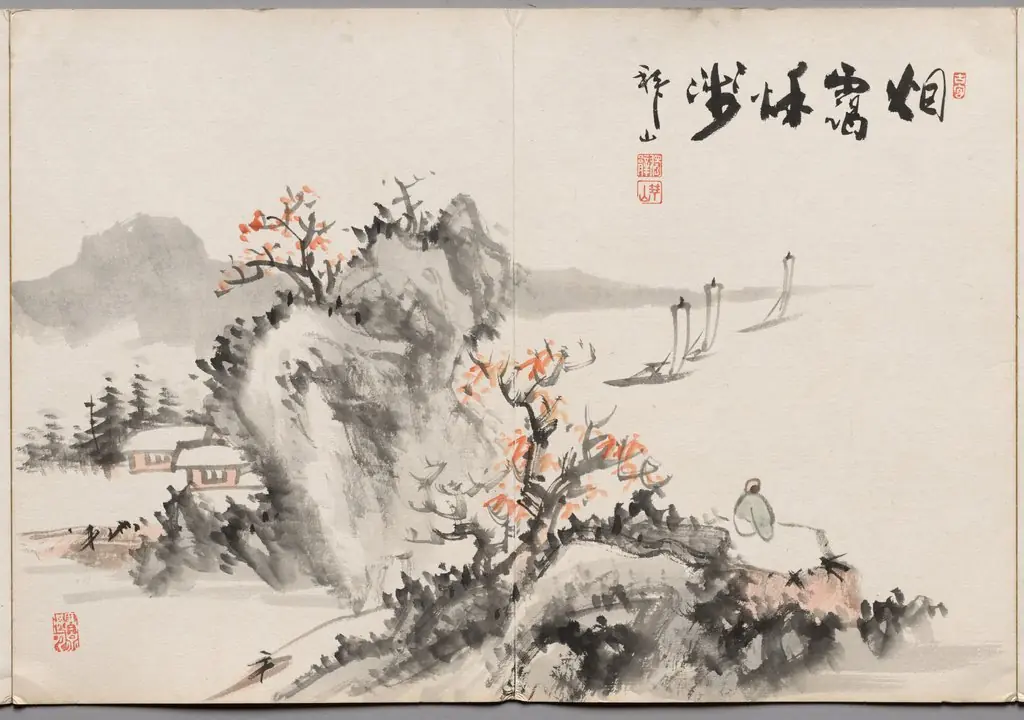 Painting Nine from Album of Paintings by Haizan
 Painting Nine from Album of Paintings by Haizan
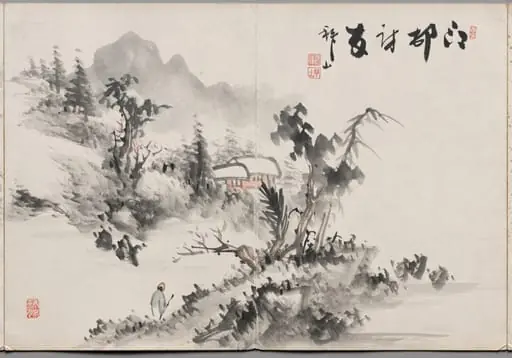 Painting Seven from Album of Paintings by Haizan
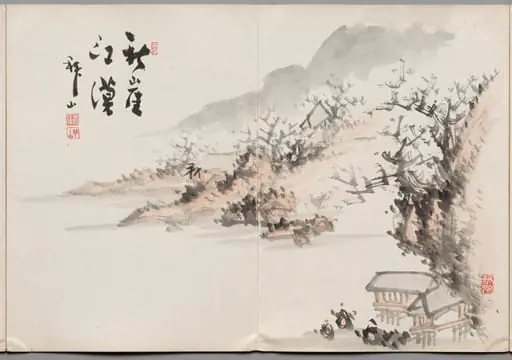 Painting Eleven from Album of Paintings by Haizan
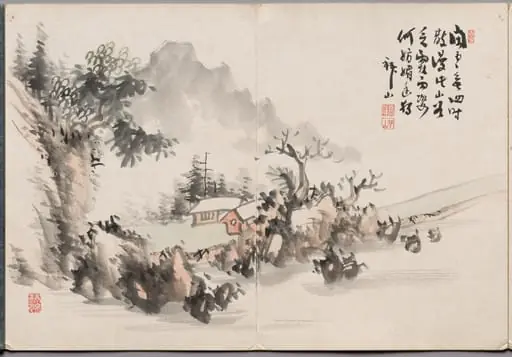 Painting Six from Album of Paintings by Haizan
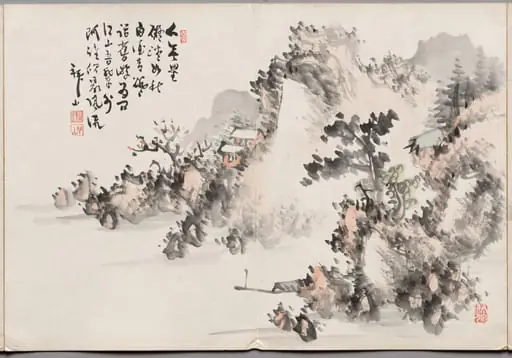 Painting Eight from Album of Paintings by Haizan
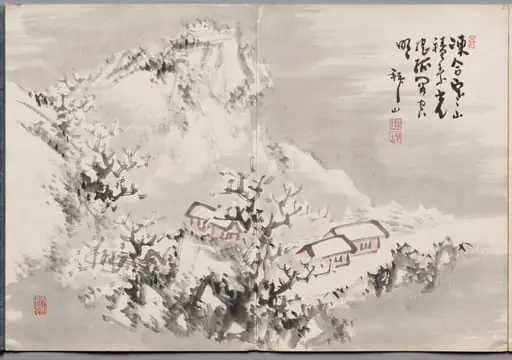 Painting Thirteen from Album of Paintings by Haizan
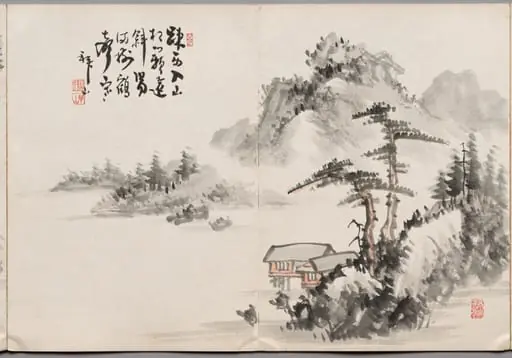 Painting One from Album of Paintings by Haizan