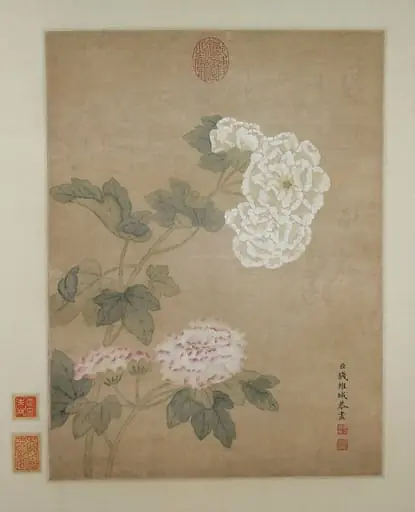
Artwork
清 惲冰 花卉圖 册页|Flower Study
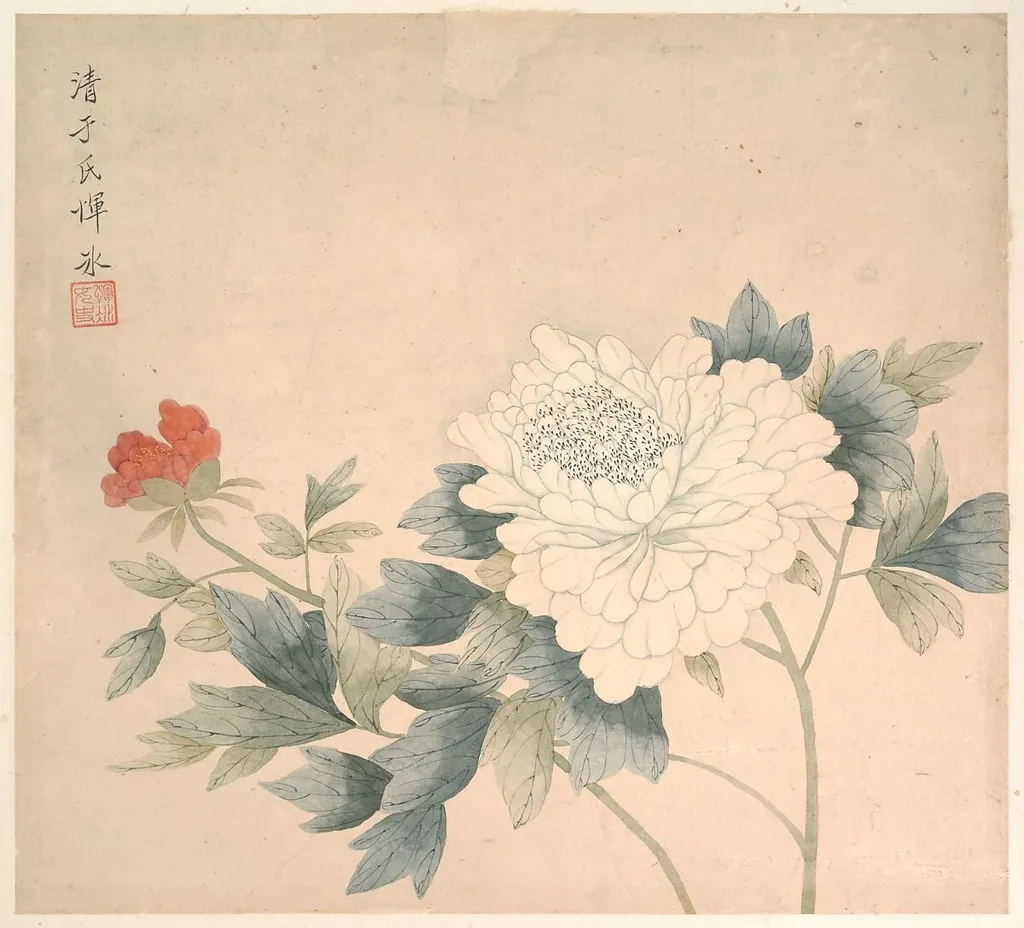
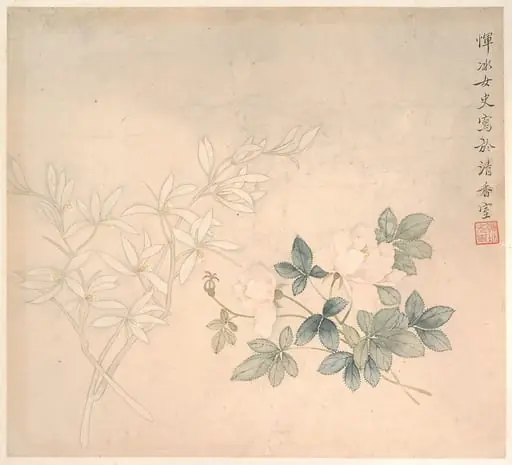
清 惲冰 花卉圖 册页|Flower Study is an ink painting by the Baroque artist Yun Bing. It dates from 1671 and is held in the collection of the Metropolitan Museum of Art.
About this work
Overview
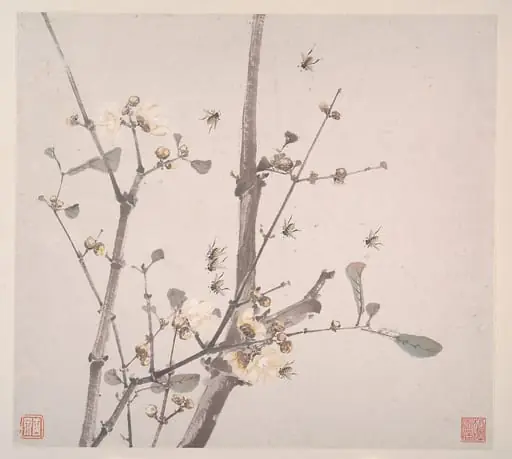
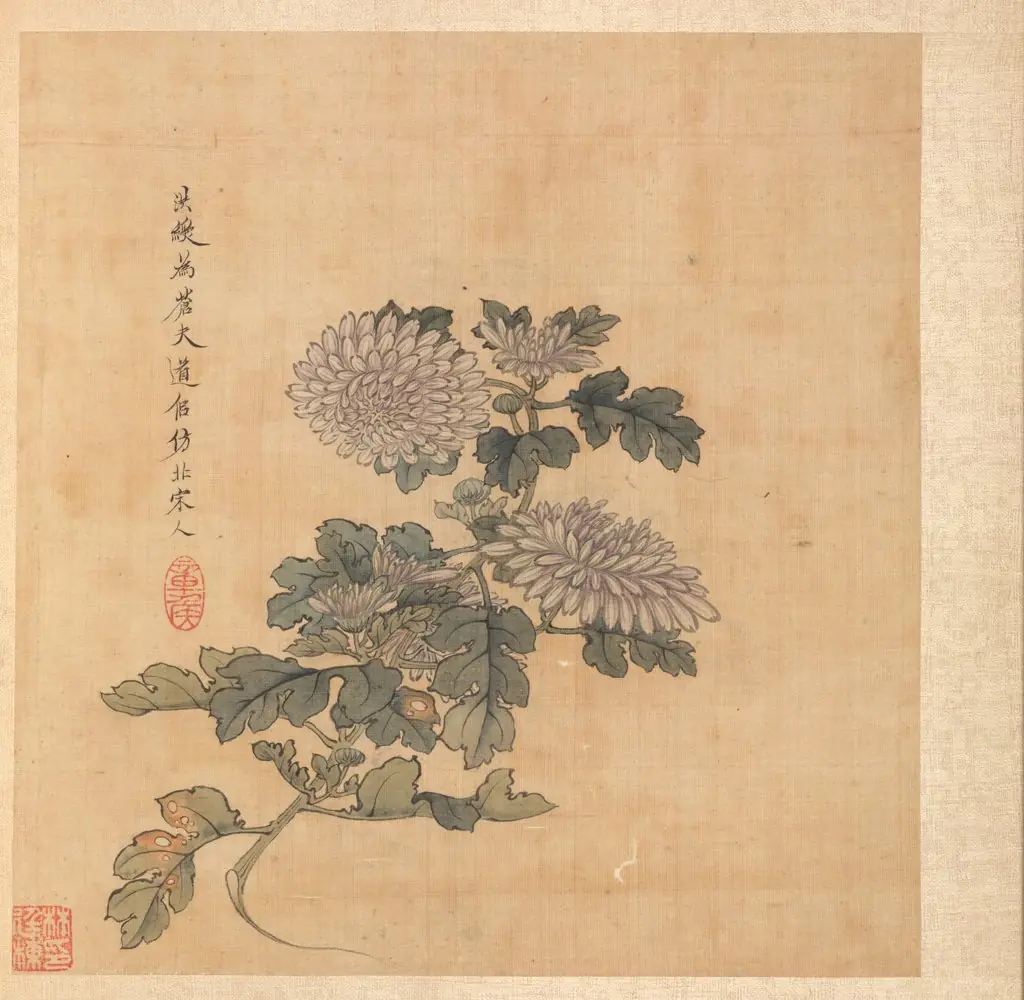
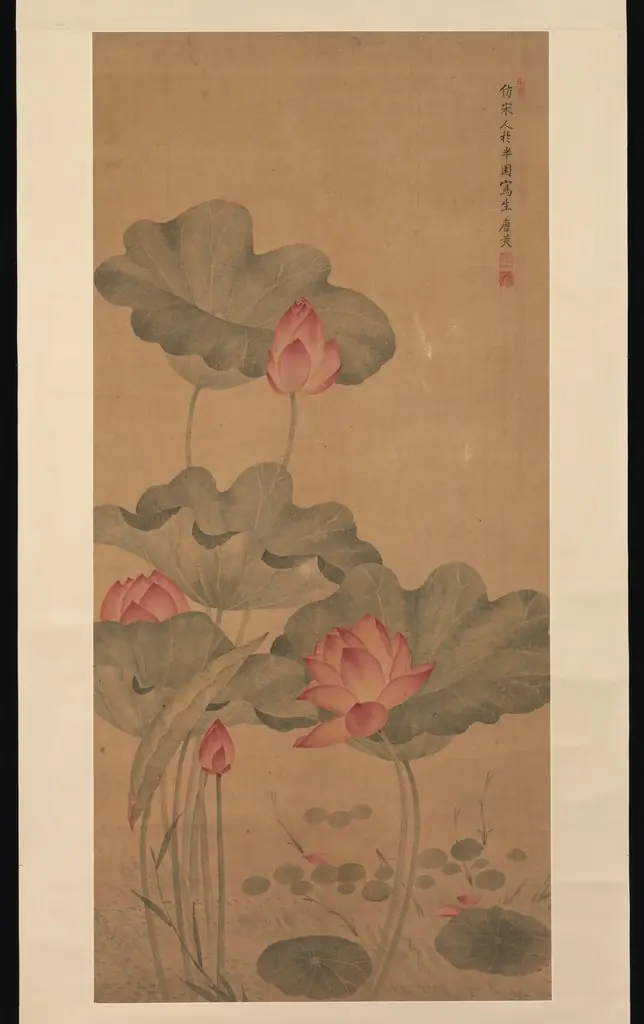
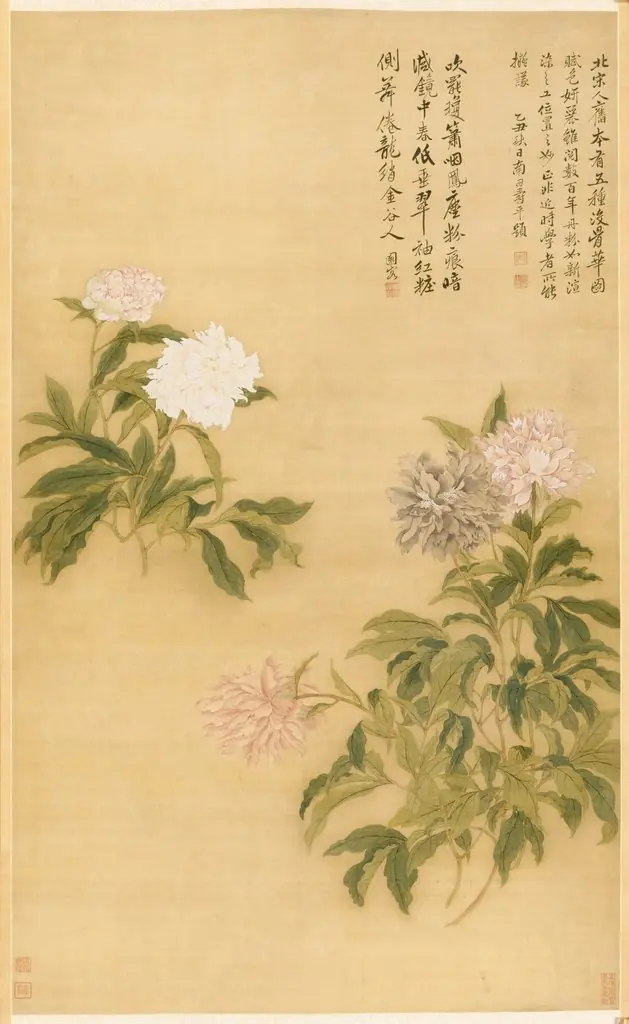
Created in 1671, this album leaf by the Qing‑era painter Yun Bing presents a single pink peony rendered on paper with ink and subtle washes of colour. The composition is intimate, focusing on the blossom and its slender branch, and exemplifies the small‑scale format typical of private Chinese albums.
Subject & Meaning
The work captures a momentary bloom, the peony symbolising elegance and feminine virtue in Chinese visual culture. By isolating the flower, Yun Bing emphasizes its fleeting beauty, inviting contemplation of nature’s transience rather than delivering a narrative scene.
Technique & Style
Yun Bing employs delicate ink lines to define the stem and petals, then applies a watery pink pigment that softens the edges and suggests the translucency of the blossom. The restrained palette and light brushwork reflect the refined aesthetic of literati album painting, where simplicity conveys depth.
History & Provenance
Yun Bing, active in the mid‑17th century, was among the few women artists whose work circulated in private circles rather than public exhibitions. This leaf likely formed part of a personal album intended for a limited audience of friends and family, a common practice for female painters of the period.
Context
During the Qing dynasty, societal constraints limited women’s participation in official artistic institutions. Consequently, many female artists, including Yun Bing, expressed their creativity through modest formats such as album leaves, focusing on subjects like flowers that were socially acceptable and suited intimate viewing.
Artist & collection