Artwork
Landscape Album in Various Styles: Traveling in Autumn Mountains
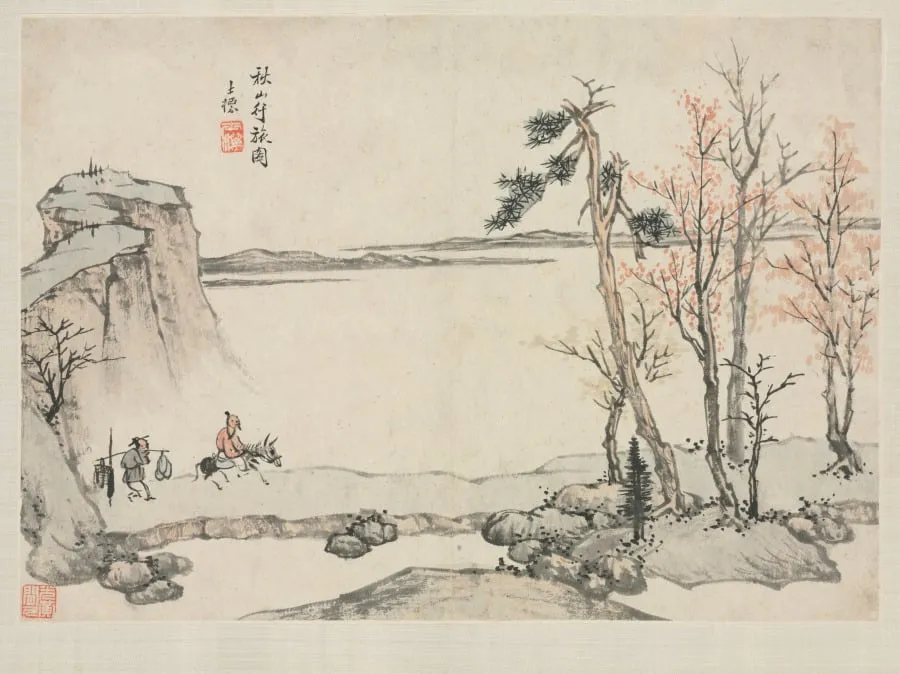
Landscape Album in Various Styles: Traveling in Autumn Mountains is an unspecified painting by the Baroque artist Zha Shibiao. It dates from 1684 and is held in the collection of the Cleveland Museum of Art.
About this work
The artist painted it when he was 68, which is interesting because he was still creating new work at an older age.
This painting shows scenes of everyday life in the Chinese countryside.
It's an album of landscapes with people doing ordinary things.
The artist painted it when he was 68, which is interesting because he was still creating new work at an older age.
He used fresh colors and wet strokes to depict typical scenes of Jiangnan.
The artist's use of color and style is notable, especially in the way he shows the changing seasons.
Check out the work of artist: Zha Shibiao (Chinese, 1615–1698)
Overview
Zha Shibiao, born in Anhui and later active in Yangzhou, completed this album of landscape paintings at age 68, demonstrating sustained artistic engagement late in life. The work comprises multiple scenes rendered in varied styles, each capturing a moment in the autumn season across the Jiangnan region. Executed with lively brushwork and vivid pigments, the album reflects both technical versatility and a deep familiarity with local topography and daily rhythms.
Subject & Meaning
The album portrays unidealized rural life: a herdsman crossing a stream on buffalo, scholars traveling by donkey, travelers boating toward mist-shrouded shores, and figures sipping tea while observing migratory birds. These scenes do not idealize nature but embed human activity within it, suggesting harmony between labor, leisure, and the seasonal landscape. The inclusion of literary allusions, like the Peach Blossom Spring, subtly layers the mundane with cultural memory.
Technique & Style
Zha employed wet, fluid brushstrokes and fresh, uncluttered color to evoke atmosphere rather than detail. Each panel adapts its technique to the mood—soft washes for mist, sharper lines for tree branches, loose ink for water. The variation in style across the album reflects his command of traditional modes while avoiding rigid formula, allowing each scene to breathe with its own temporal and emotional tone.
History & Provenance
Created in the late 17th century, the album emerged during Zha’s later years in Yangzhou, a cultural hub attracting literati from Anhui. Its survival suggests it was valued within scholarly circles, though its early ownership remains undocumented. The work aligns with a broader trend among retired officials and scholars who turned to painting as a private, reflective practice after public life.
Context
Zha’s album reflects the Jiangnan region’s status as a center of literati culture, where nature and poetry intertwined. The scenes echo classical themes but ground them in observable reality—seasonal change, travel, quiet contemplation. His choice to depict ordinary moments, rather than grand vistas, aligns with a growing preference among late Ming and early Qing artists for intimate, personal expression over monumental grandeur.
Legacy
Though not widely exhibited in his time, Zha’s album exemplifies the quiet resilience of literati painting in the post-Ming era. Its emphasis on personal observation and stylistic flexibility influenced later regional artists in the Yangzhou school. The work endures as a testament to the enduring capacity of painting to capture fleeting, everyday moments with dignity and precision.
Artist & collection


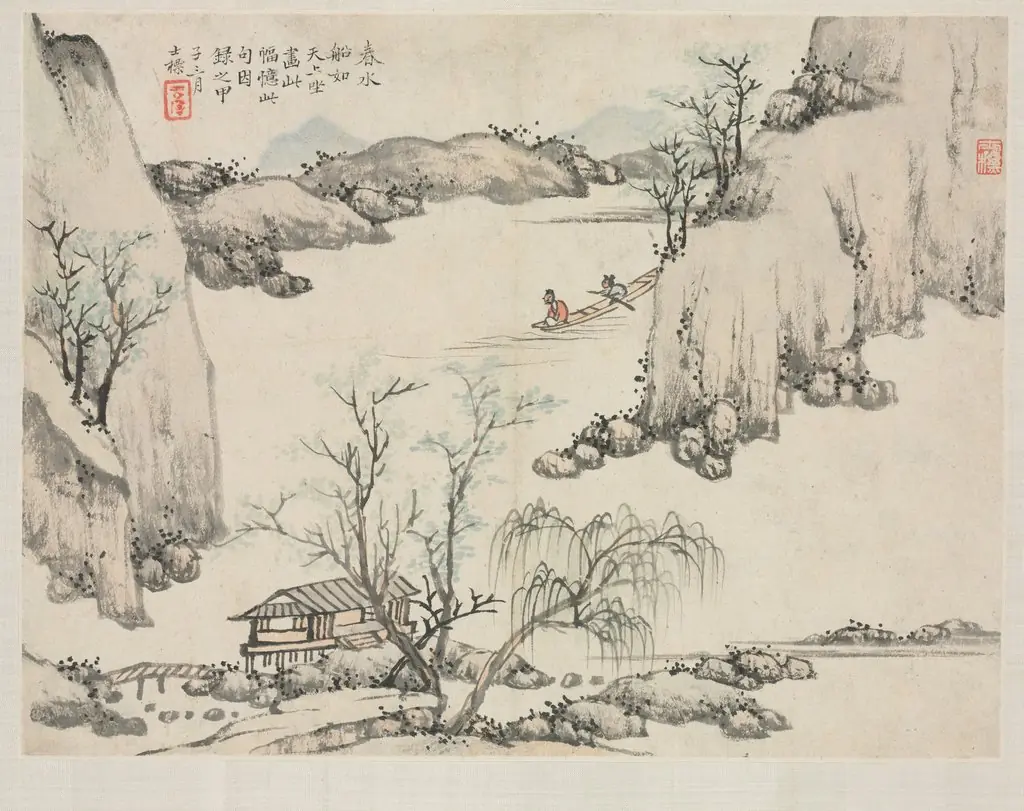 Landscape Album in Various Styles: Boating in Spring Water
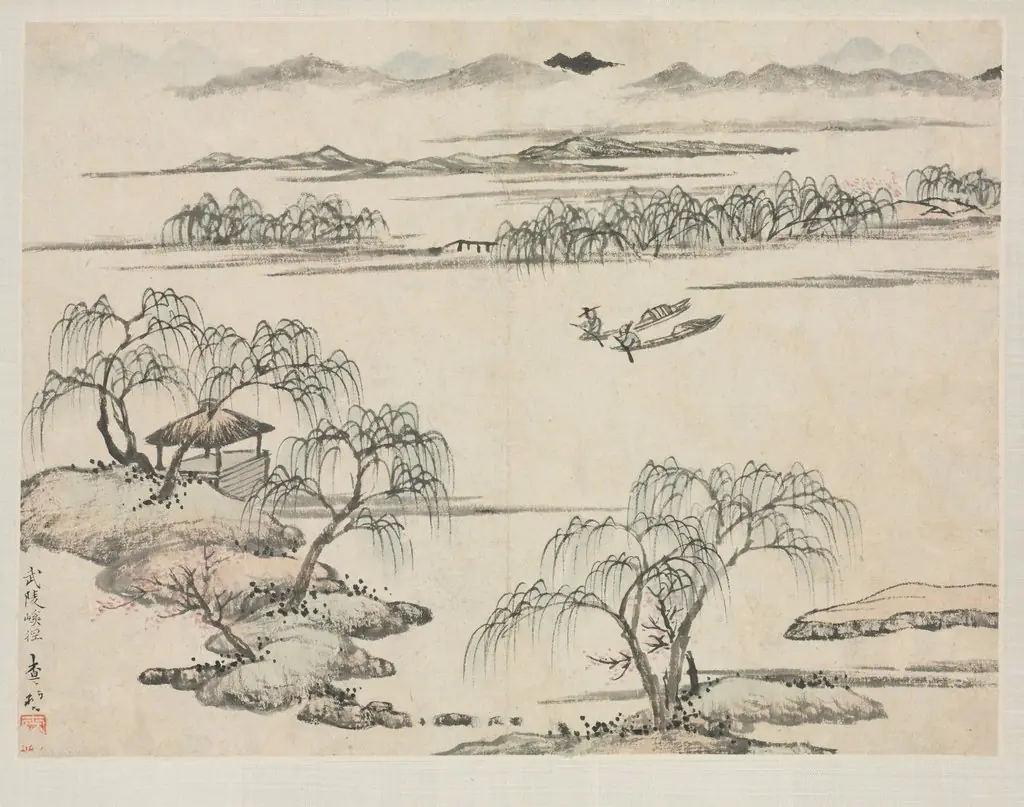 Landscape Album in Various Styles: The Stream of Wuling
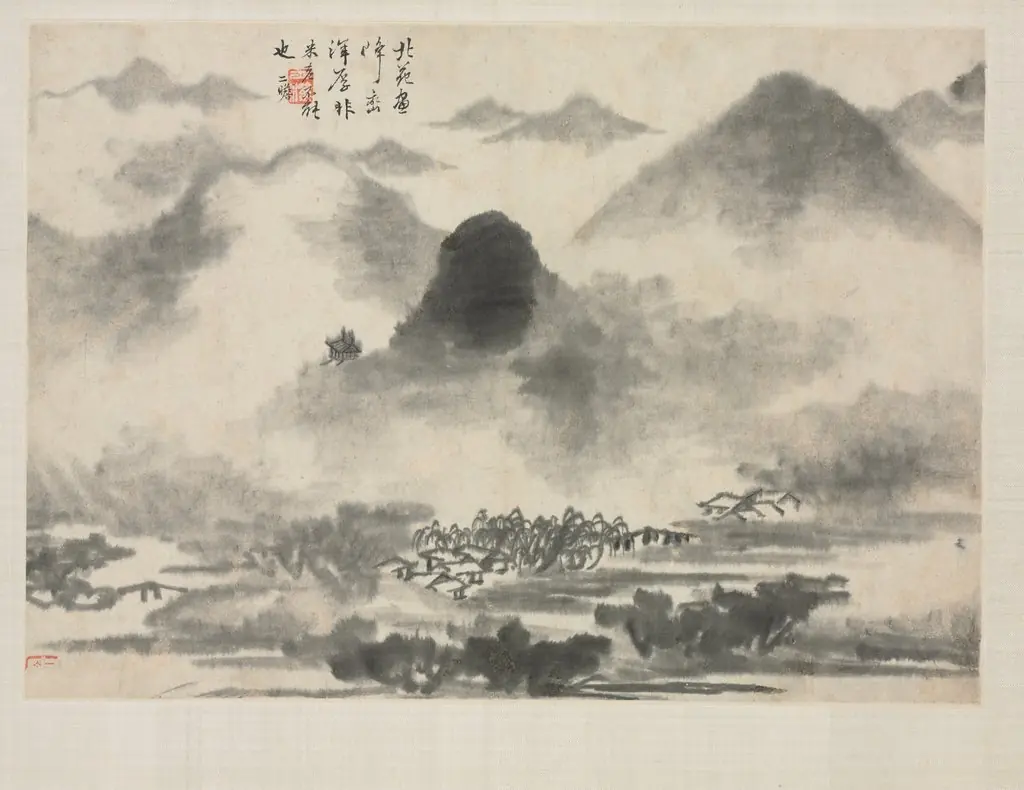 Landscape Album in Various Styles: Landscape after Mi Fei
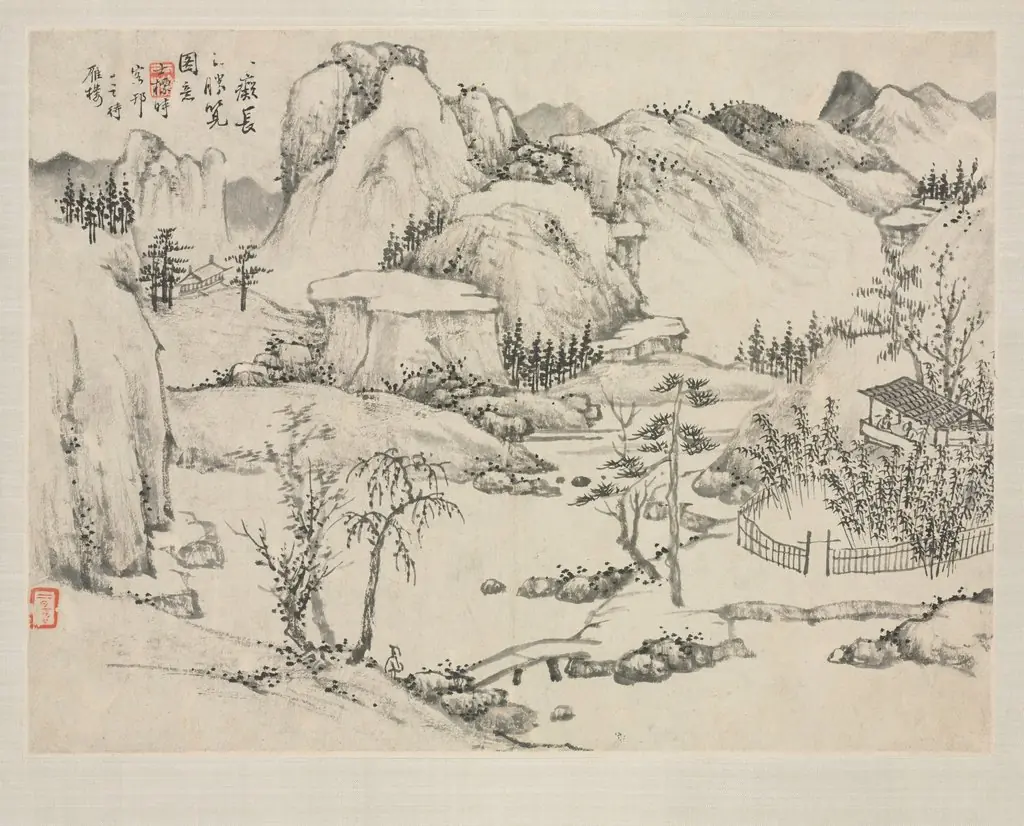 Landscape Album in Various Styles: Scenery of Mt. Changbai after Huang Gongwang
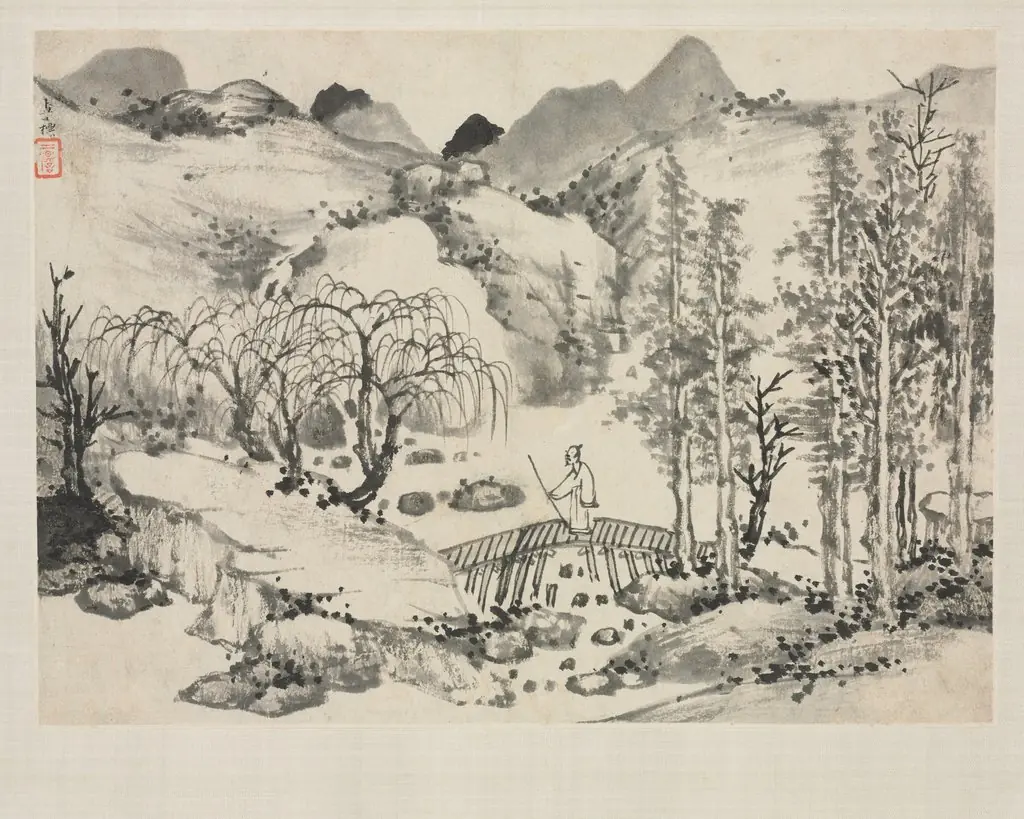 Landscape Album in Various Styles: Landscape with Artist on a Bridge
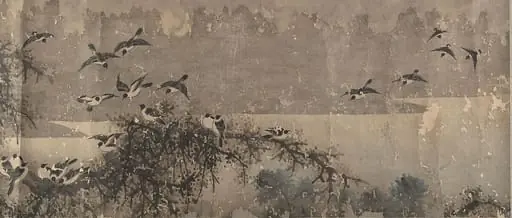 Untitled
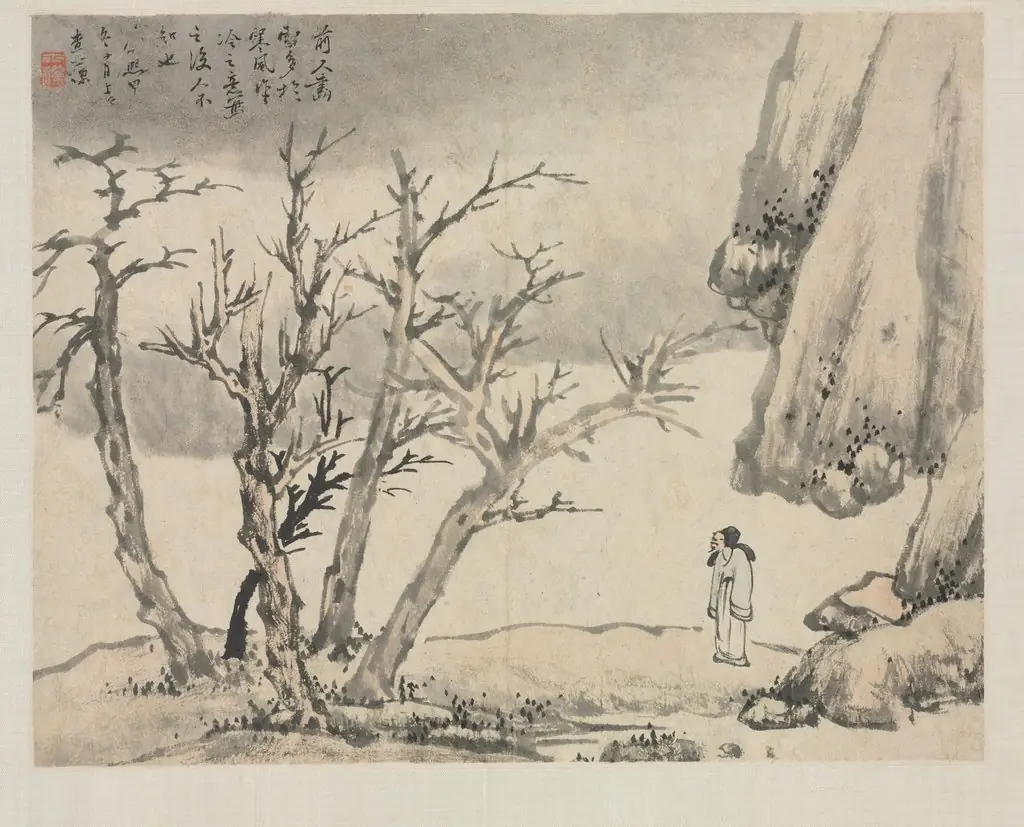 Landscape Album in Various Styles: Snowy Landscape
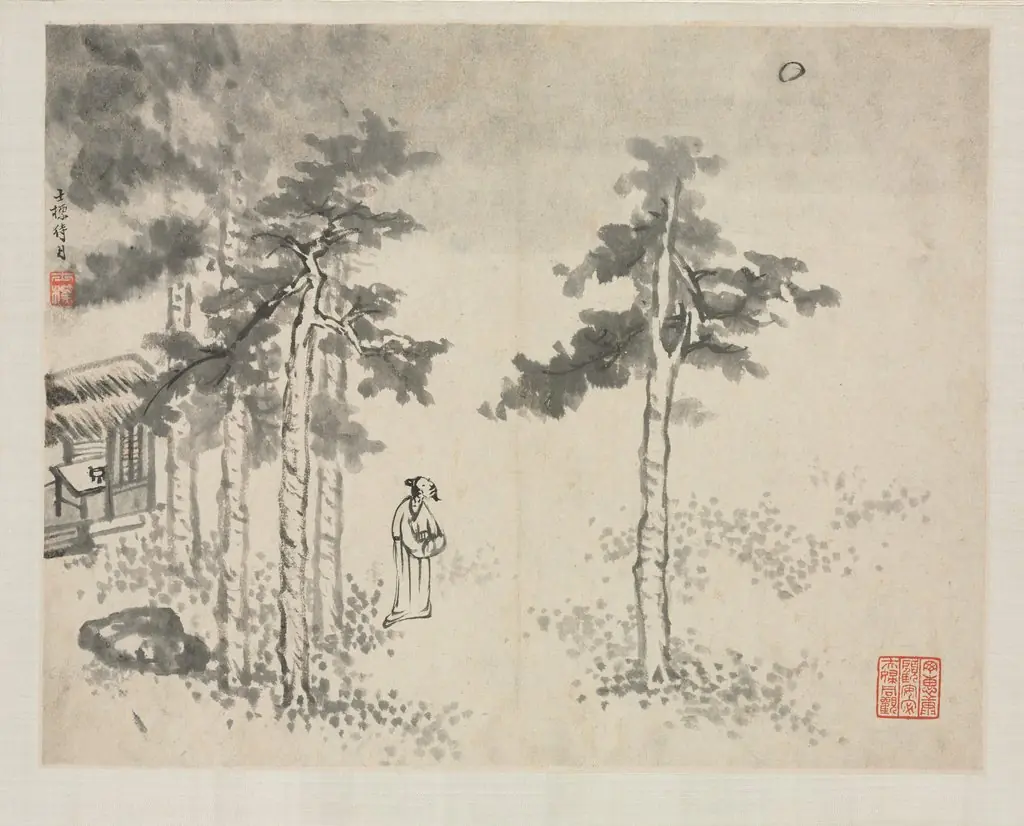 Landscape Album in Various Styles: Shibiao Waiting for the Moon
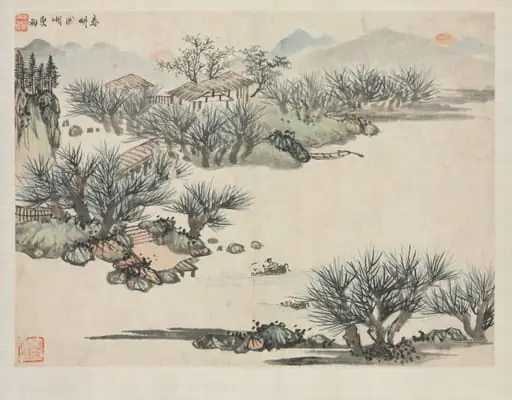 Landscape Album in Various Styles: Spring Plowing
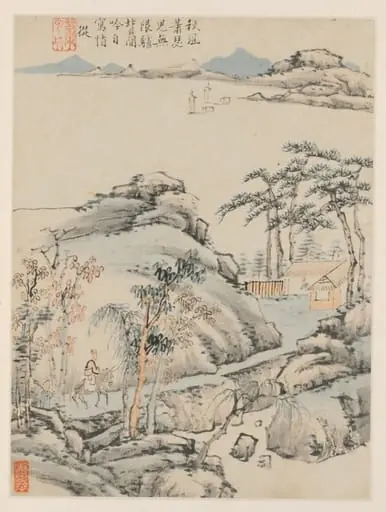 Album of Seasonal Landscapes, Leaf F (previous leaf 5)
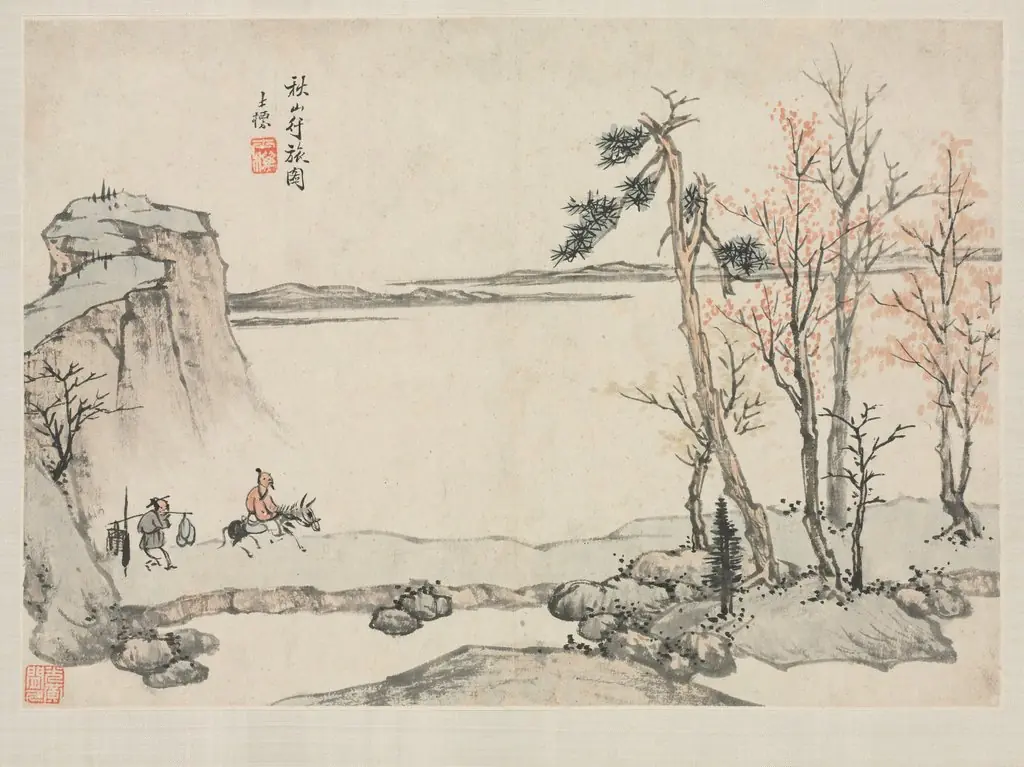 Landscape Album in Various Styles: Traveling in Autumn Mountains
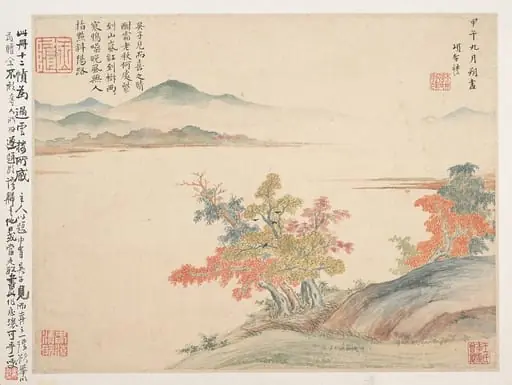 明/清 項聖謨 秋景圖 冊頁|Autumn Landscape, leaf from Album for Zhou Lianggong
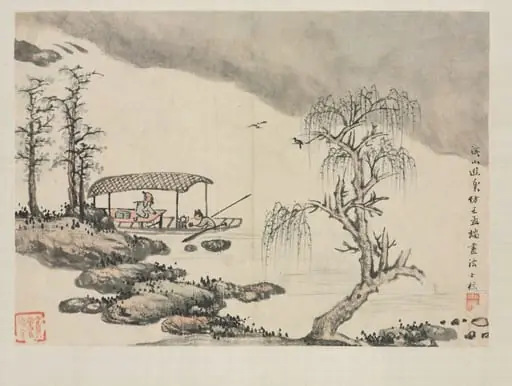 Landscape Album in Various Styles: Pleasure in a Mountain Brook
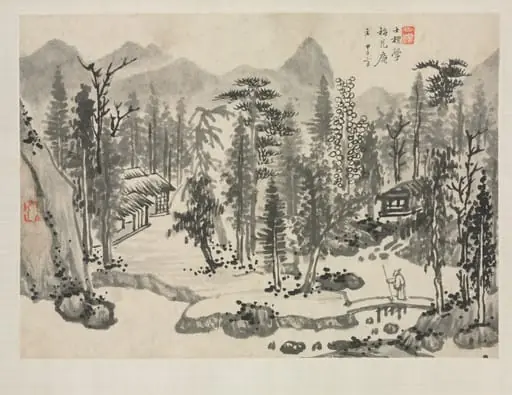 Landscape Album in Various Styles: Landscape after Wu Zhen
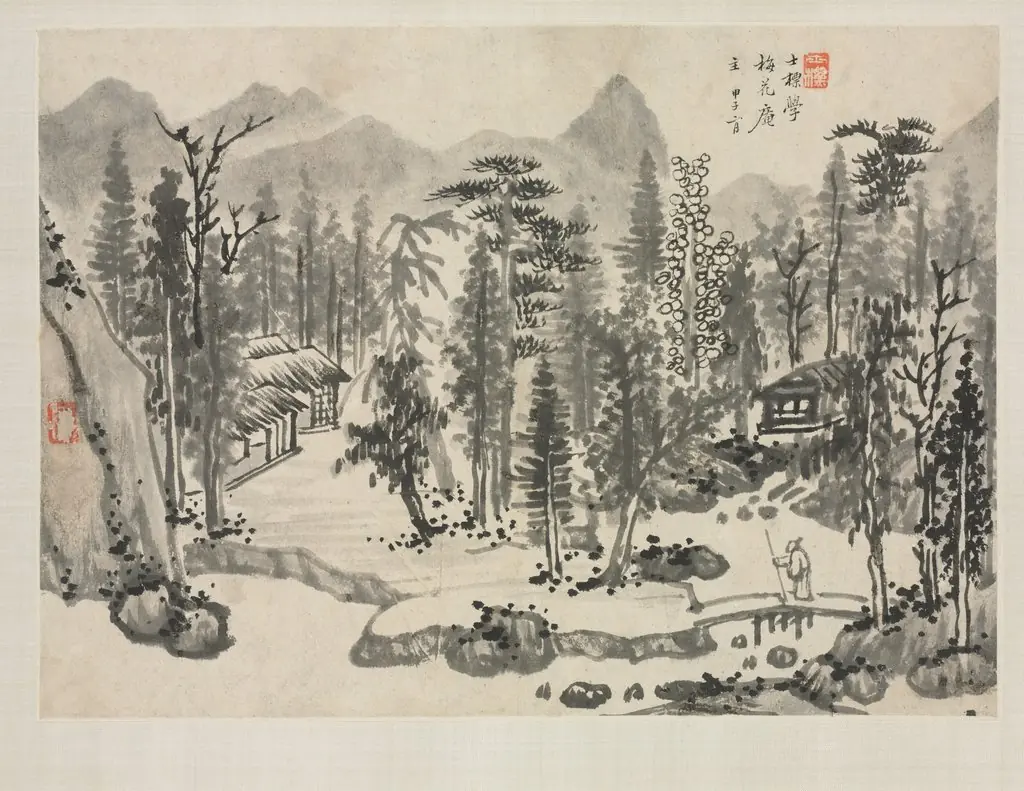 Landscape Album in Various Styles: Landscape after Wu Zhen
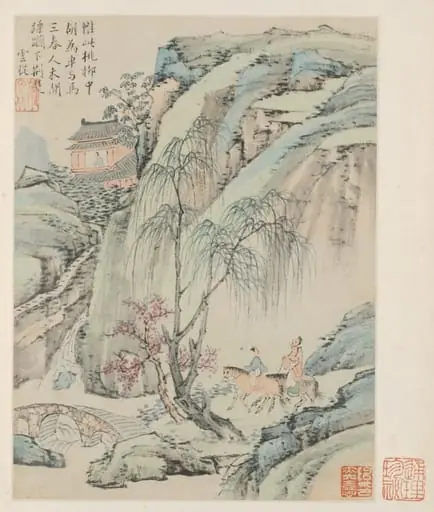 Album of Seasonal Landscapes, Leaf B (previous leaf 1)
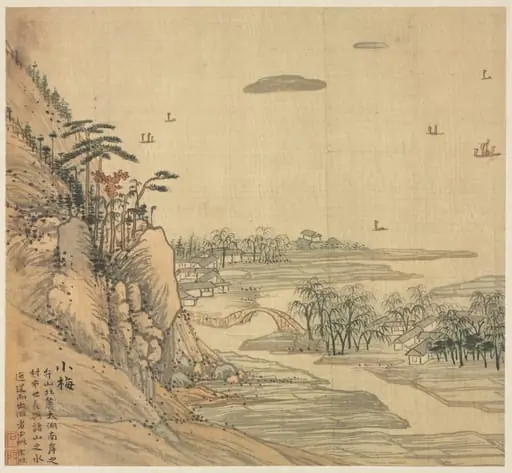 Xiaomei
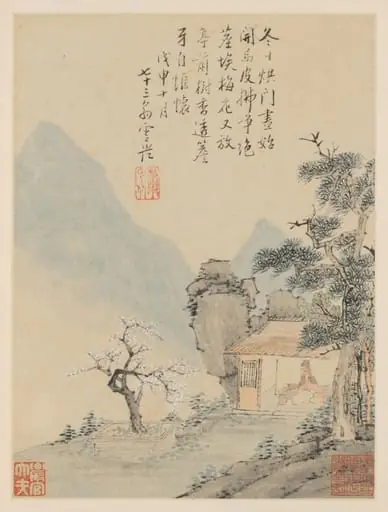 Album of Seasonal Landscapes, Leaf H (previous leaf 8)