Artwork
Untitled
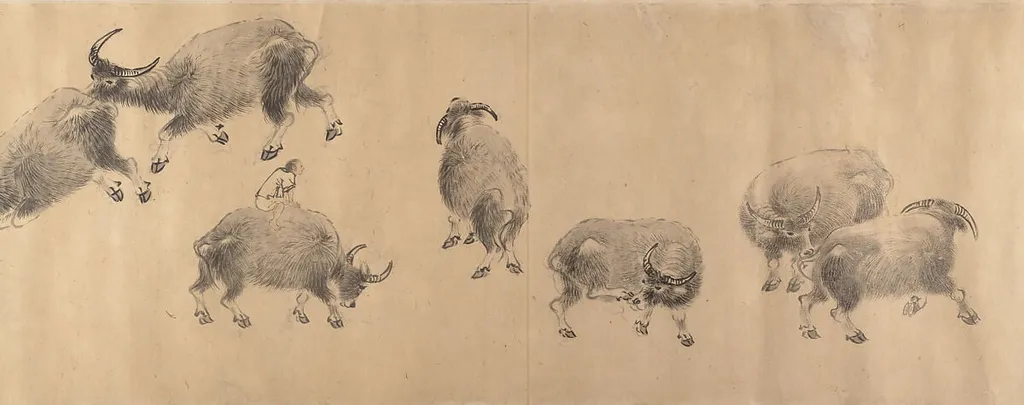
Untitled is an ink painting by the Baroque artist Zhang Hong. It dates from 1639 and is held in the collection of the Metropolitan Museum of Art.
About this work
If you like how ink can feel alive, look up *cross-hatching*—the way lines build shape without shading.
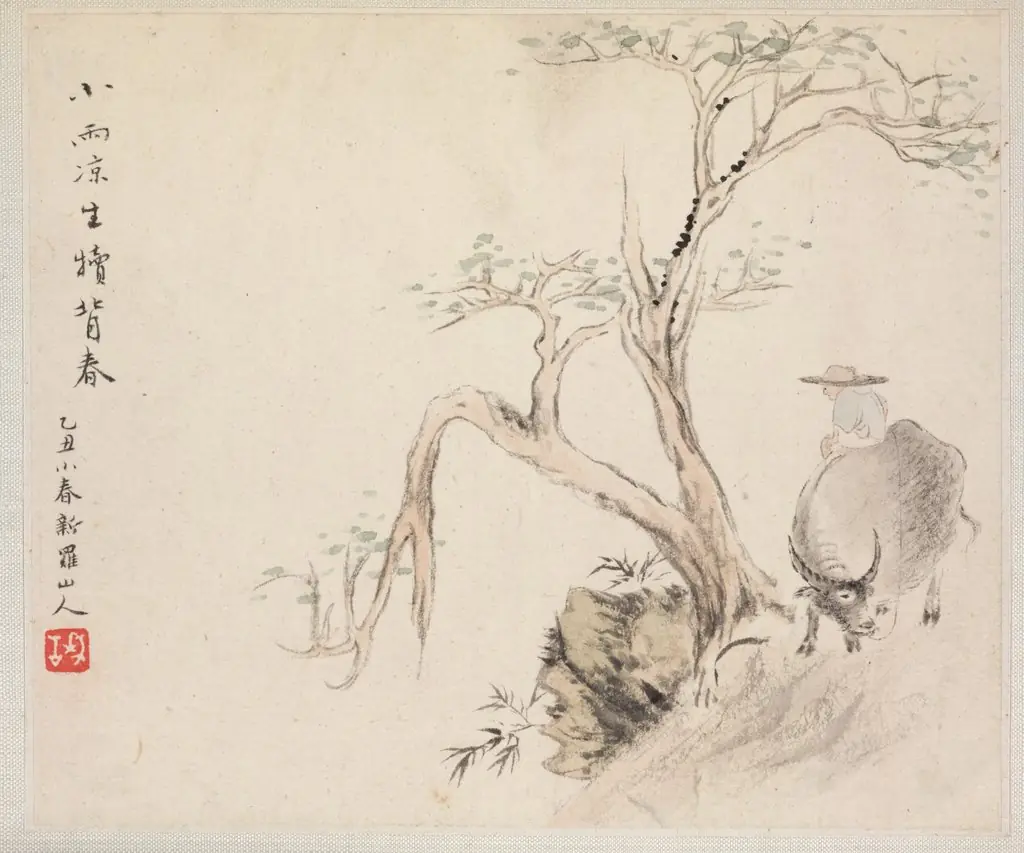
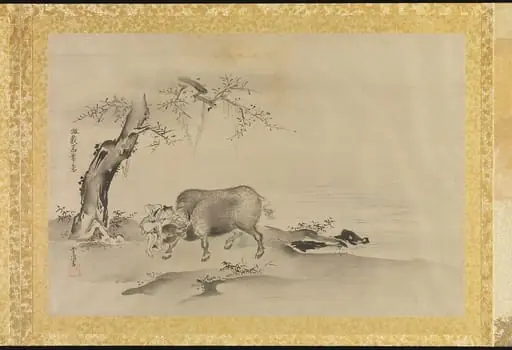
A buffalo stands knee-deep in a shallow river, its horns curling back like old branches. The scene is quiet—just ink on paper, no color.
Zhang Hong painted this in 1639, when most artists in China were busy with mountains and scholars. Here, the buffalo is the star. Its body is built with quick, dark strokes, while the water ripples in lighter lines. The paper around it stays empty, like the animal is alone in the world.
If you like how ink can feel alive, look up *cross-hatching*—the way lines build shape without shading.
Overview
Created in 1639, this hand‑scroll by Zhang Hong presents a solitary buffalo standing knee‑deep in a shallow river. Executed solely in ink on paper, the composition relies on the contrast between dark, decisive brushwork and the sparse, unfilled surrounding space to convey a quiet, contemplative scene.
Subject & Meaning
The central figure is a buffalo, its curved horns reminiscent of aged tree branches, positioned alone in the water. By isolating the animal against an almost empty backdrop, the work emphasizes the creature’s presence and suggests a meditation on solitude and the natural world, diverging from the era’s typical focus on scholars and mountains.
Technique & Style
Zhang Hong employs brisk, dark strokes to render the buffalo’s robust form, while lighter, more fluid lines suggest the rippling water. The minimal use of ink and the deliberate emptiness of the paper create a sense of depth through negative space, illustrating the artist’s command of cross‑hatching and line variation to suggest volume without color.
Context
At a time when Chinese painters were largely preoccupied with idealized landscapes and literati subjects, this scroll’s focus on a working animal marks a notable departure. The piece reflects a broader 17th‑century interest in everyday subjects, offering insight into the shifting artistic priorities of the late Ming period.
Artist & collection