Artwork
Desk Album: Flower and Bird Paintings (Preening Bird)
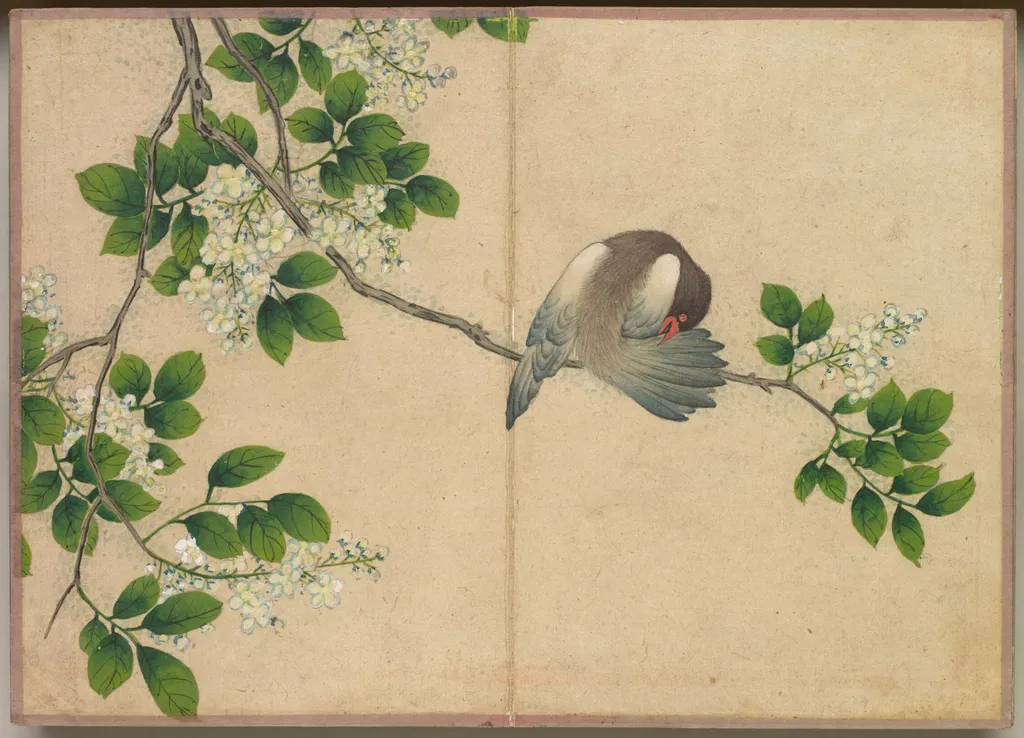
Desk Album: Flower and Bird Paintings (Preening Bird) is an unspecified painting by the Baroque artist Zhang Ruoai. It dates from 1704 and is held in the collection of the Cleveland Museum of Art.
About this work
Overview
Created around 1704 by Zhang Ruoai, this painting is one panel from a desk album featuring floral and avian subjects. Executed in ink and color on paper, it reflects the refined tradition of Chinese courtly painting. The work is part of a small, intimate format designed for personal contemplation rather than public display, typical of scholar-artist albums from the early Qing dynasty.
Subject & Meaning
The painting depicts a small bird in the act of preening its feathers, perched on a slender branch adorned with delicate white blossoms and green leaves. This quiet moment of self-grooming evokes themes of harmony and natural order, values central to Chinese aesthetic philosophy. The bird’s calm demeanor and precise rendering suggest an idealized observation of nature, not mere decoration.
Technique & Style
Zhang Ruoai employed fine brushwork to capture subtle textures: the softness of the bird’s plumage, the crisp edges of petals, and the delicate veins of leaves. Color is applied with restraint—brown, white, and faint blue tones dominate, while a single red mark on the beak adds focal contrast. The neutral background isolates the subject, emphasizing clarity and precision over atmospheric depth.
History & Provenance
The painting entered the collection of The Cleveland Museum of Art as part of a larger album of works by Zhang Ruoai. Its survival in near-original condition reflects careful preservation by collectors over centuries. Though little is documented about its early ownership, its inclusion in a scholar’s desk album suggests it was valued for its artistic subtlety and technical mastery.
Context
Zhang’s approach aligns with this tradition, balancing realism with symbolic restraint, a hallmark of refined Chinese painting at the time.
During the early Qing dynasty, flower-and-bird painting flourished among court artists and literati as a vehicle for expressing moral and philosophical ideals through natural forms. These works often avoided dramatic narratives, instead favoring quiet, observed moments. Zhang’s approach aligns with this tradition, balancing realism with symbolic restraint, a hallmark of refined Chinese painting at the time.
Legacy
Zhang Ruoai’s work exemplifies the enduring influence of Ming and early Qing naturalism on Chinese painting. His attention to detail and compositional restraint influenced later artists who sought to capture the essence of nature without embellishment. Today, such albums remain important for understanding how aesthetic ideals were cultivated in private, scholarly settings rather than public spaces.
Artist & collection

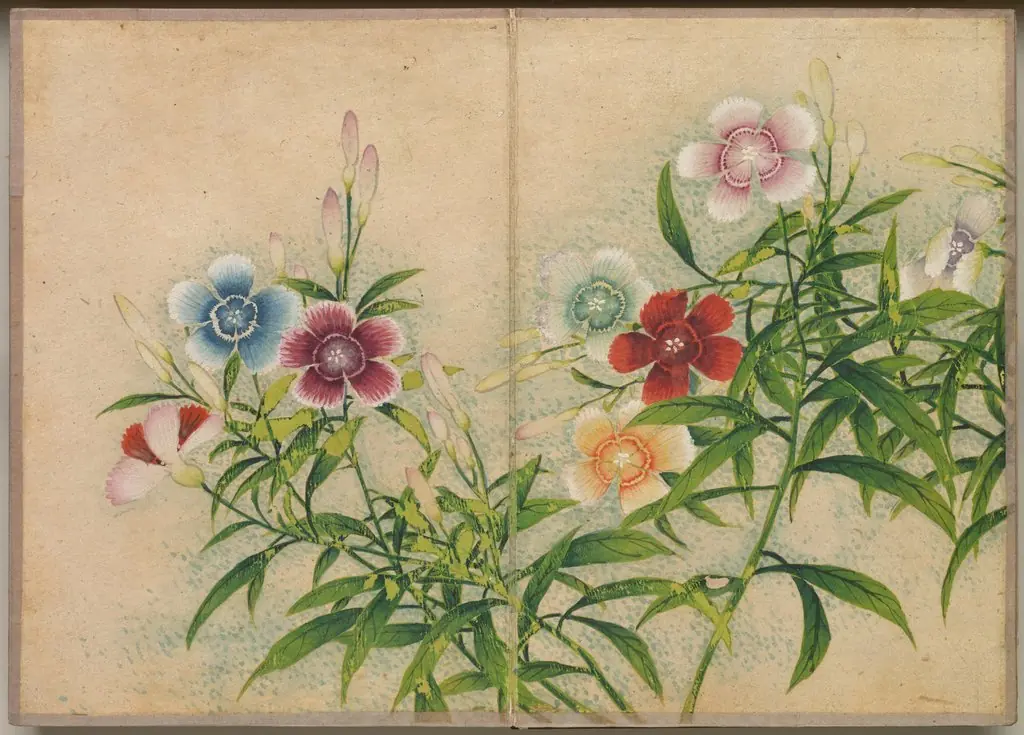 Desk Album: Flower and Bird Paintings (Pinks)
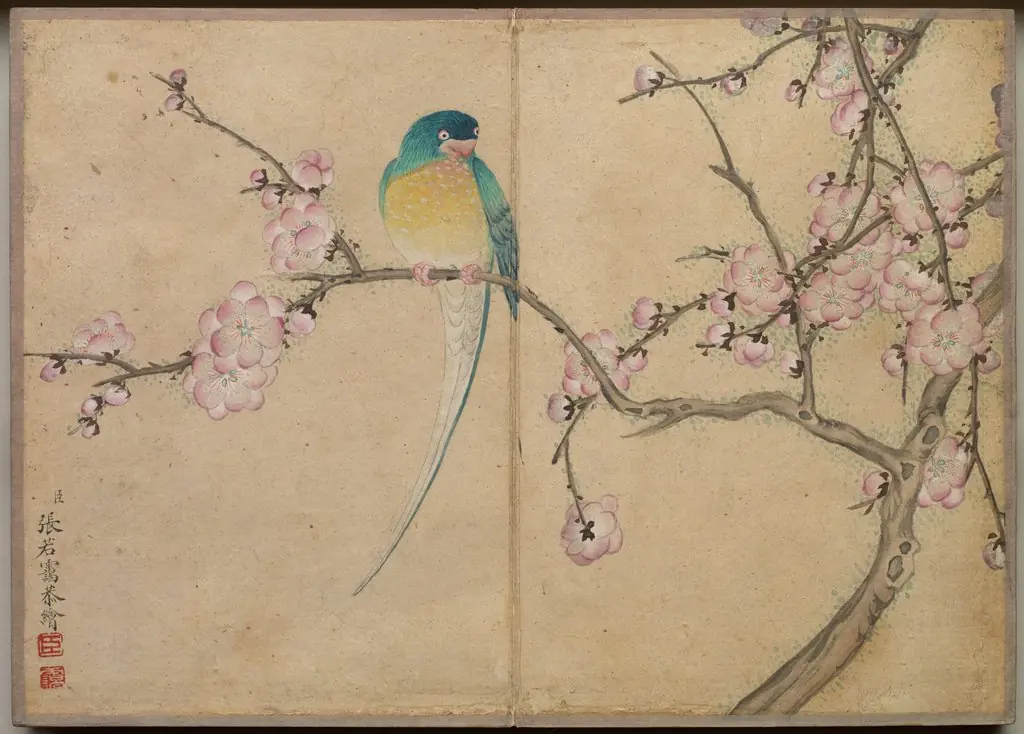 Desk Album: Flower and Bird Paintings (Bird with Plum Blossoms)
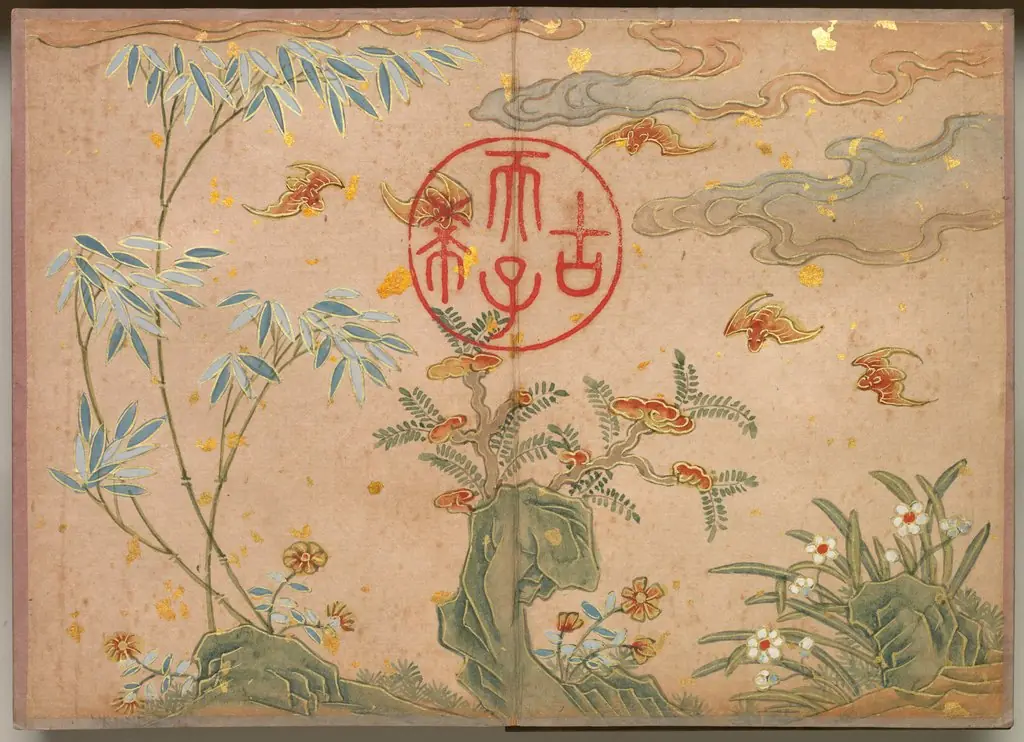 Desk Album: Flower and Bird Paintings (Bats, rocks, flowers circular calligraphy)
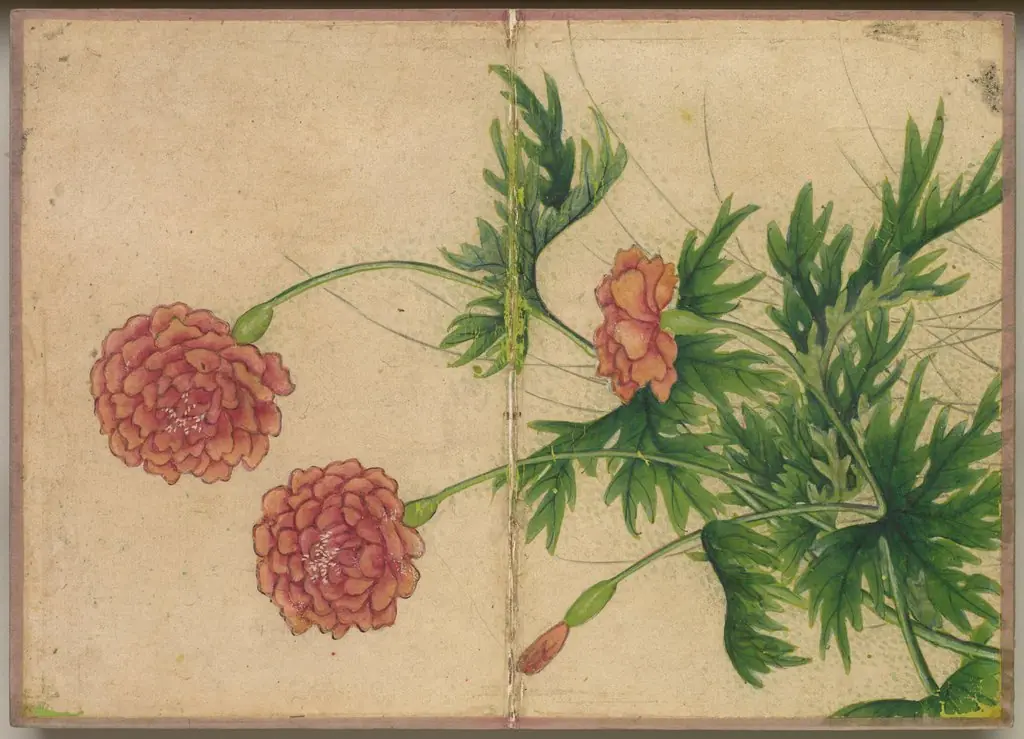 Desk Album: Flower and Bird Paintings (Peony)
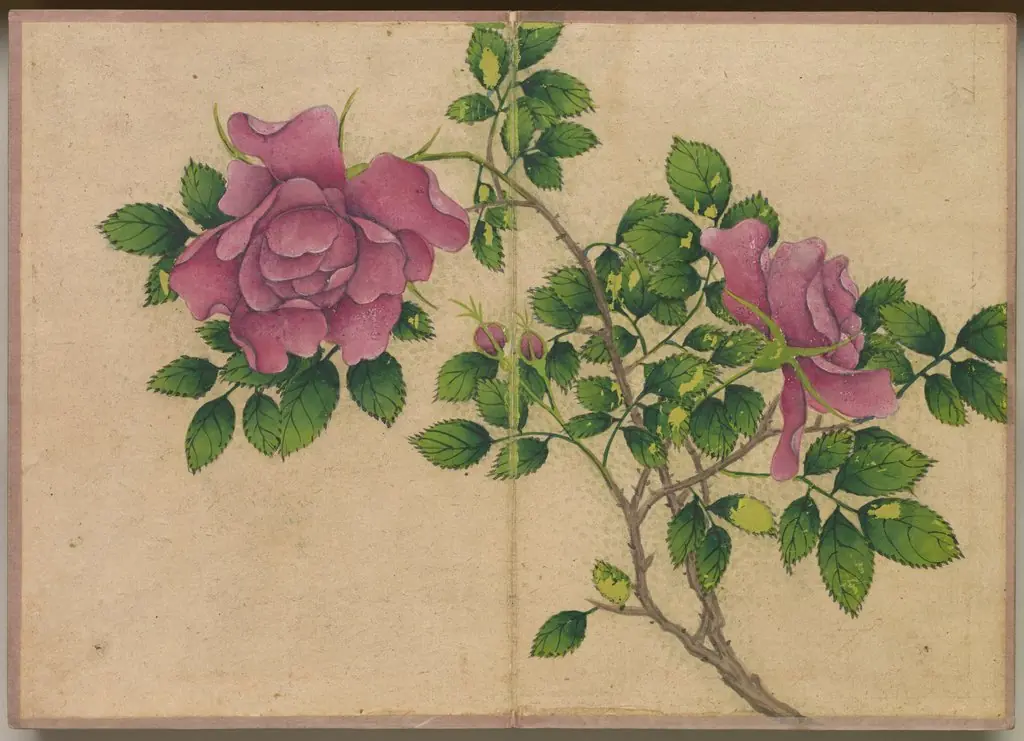 Desk Album: Flower and Bird Paintings (Rose)
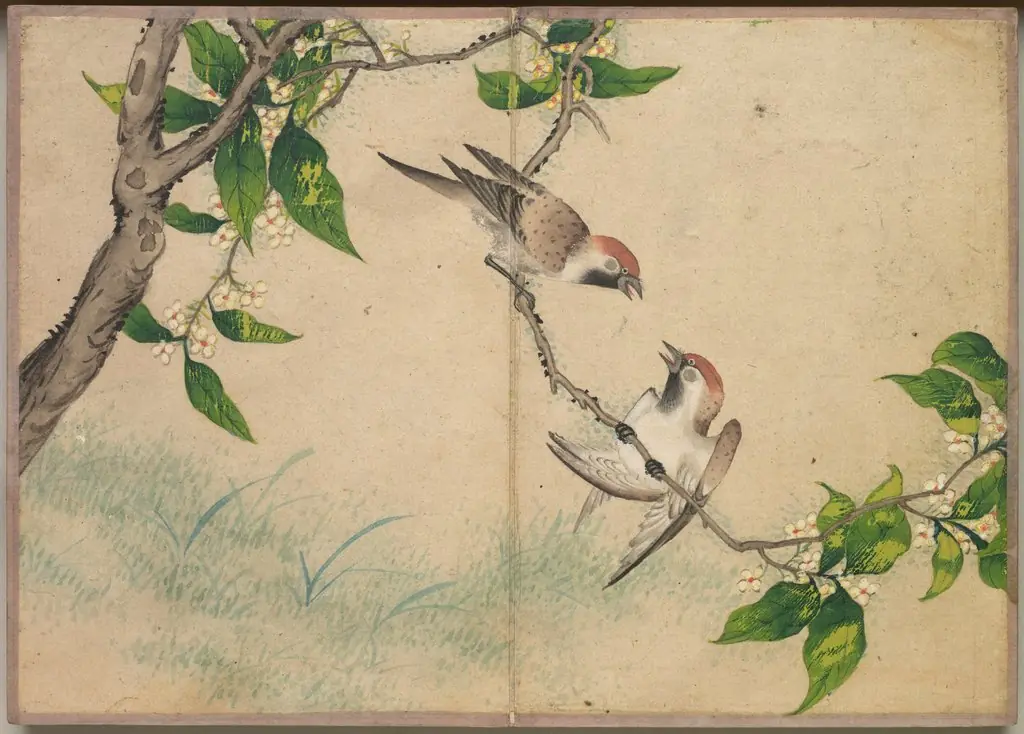 Desk Album: Flower and Bird Paintings (Gossiping Sparrows)
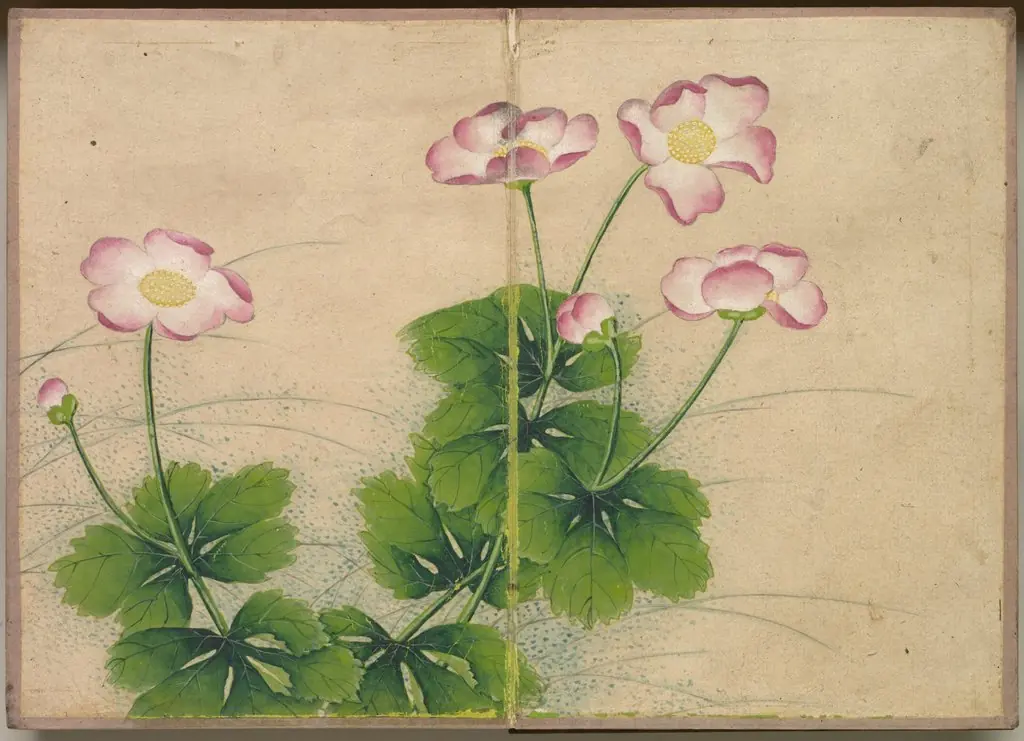 Desk Album: Flower and Bird Paintings (mallow flowers)
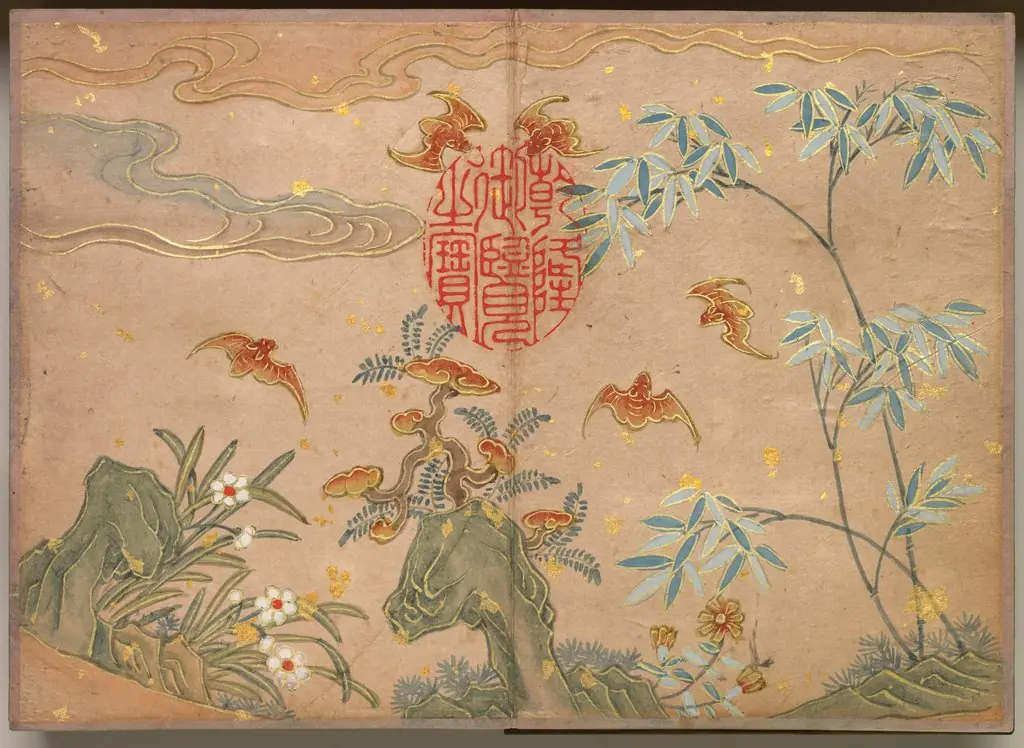 Desk Album: Flower and Bird Paintings (Bats, rocks, flowers oval calligraphy)
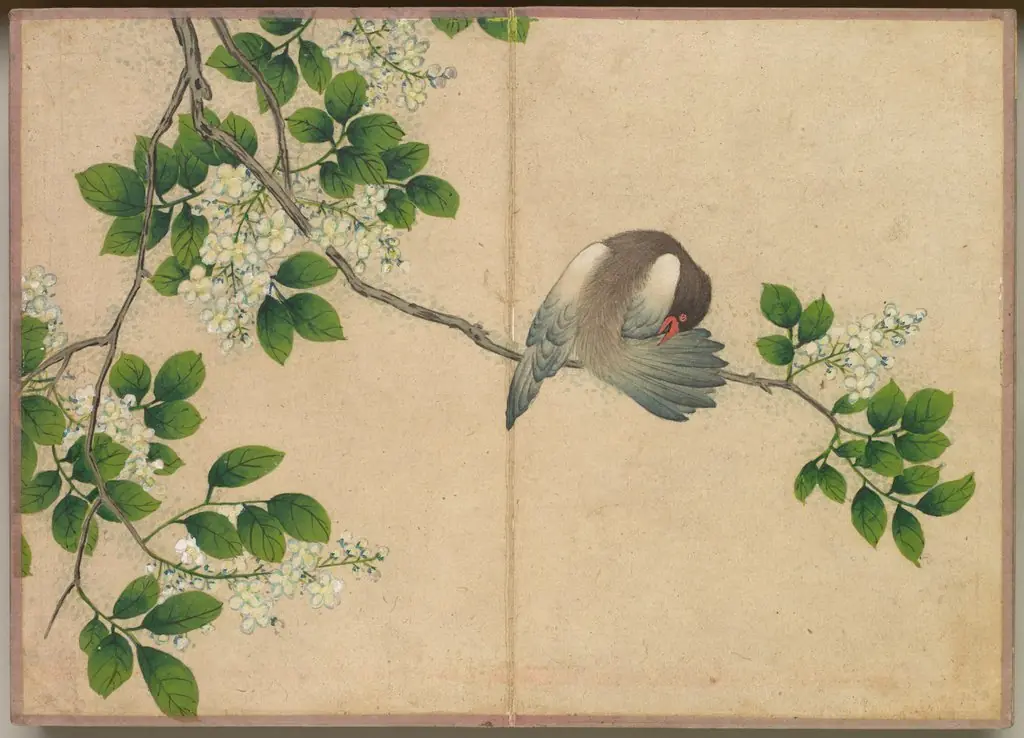 Desk Album: Flower and Bird Paintings (Preening Bird)
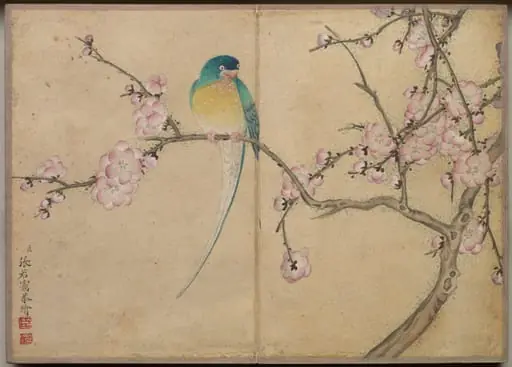 Desk Album: Flower and Bird Paintings (Bird with Plum Blossoms)
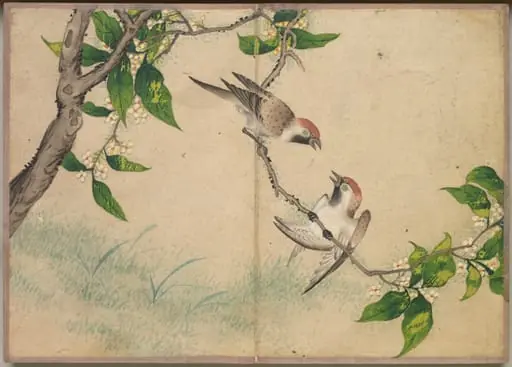 Desk Album: Flower and Bird Paintings (Gossiping Sparrows)
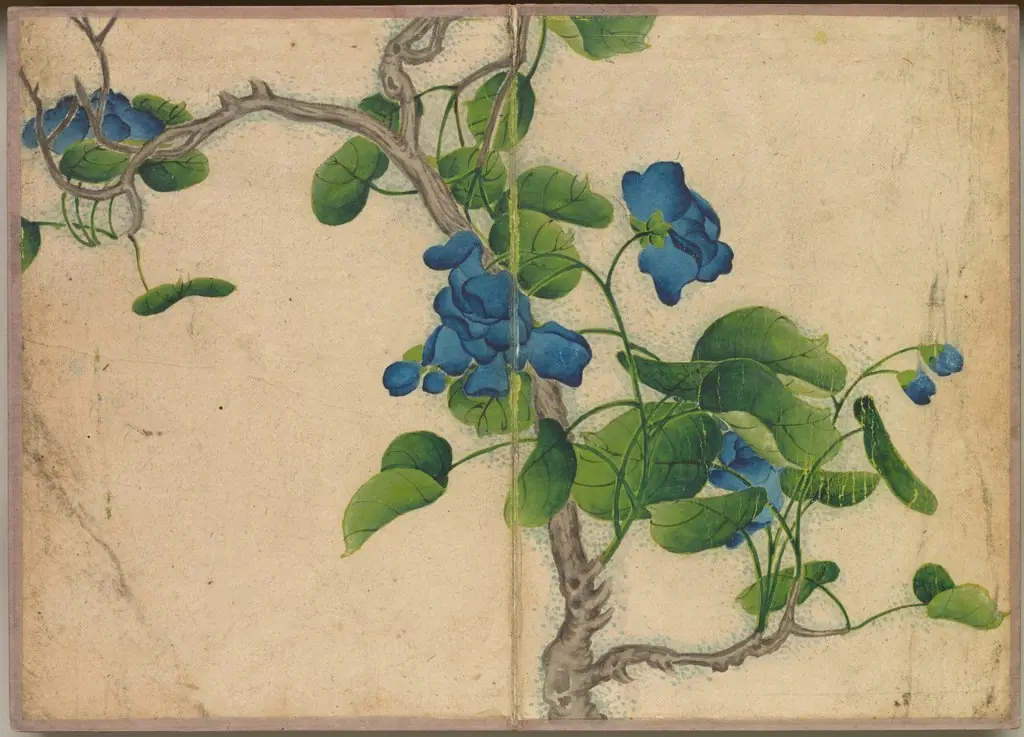 Desk Album: Flower and Bird Paintings (Climbing Blue Flowers)
 Flowers and Birds
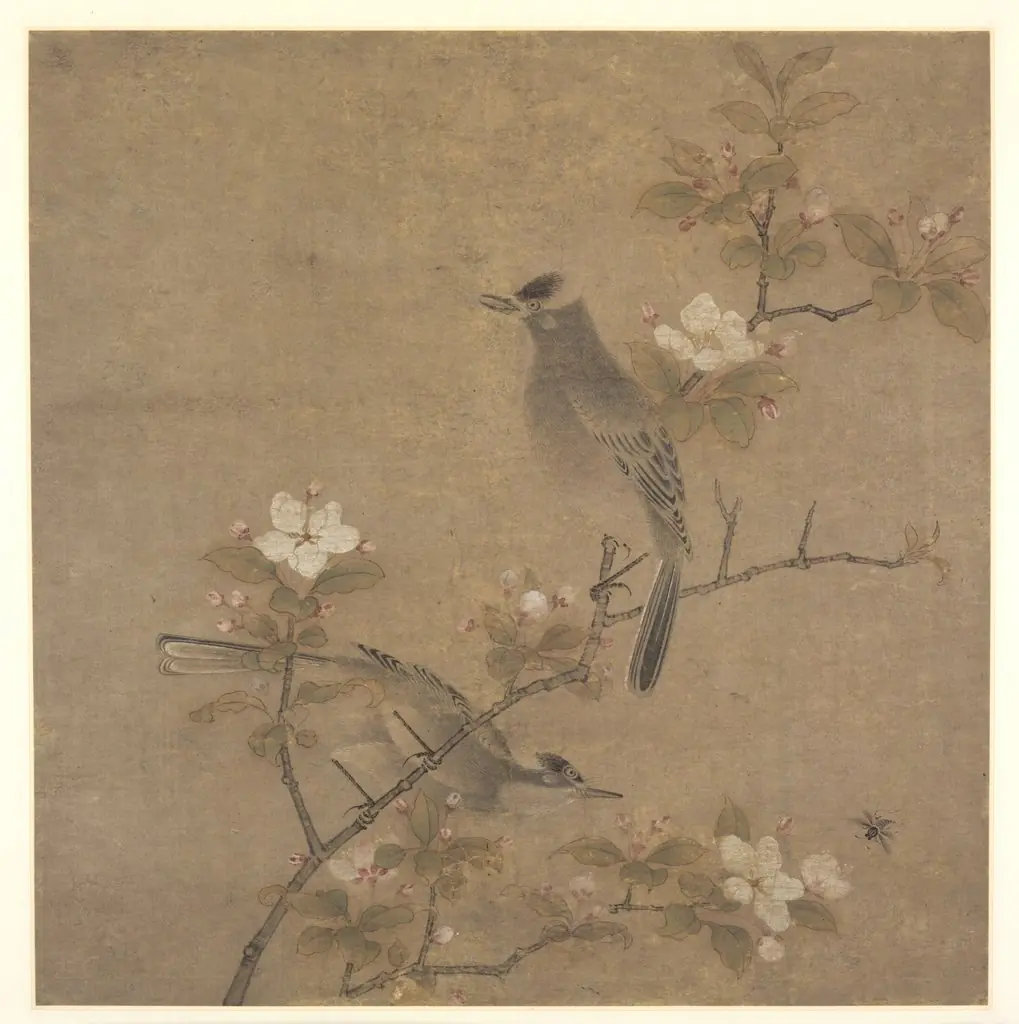 Flowers and Birds
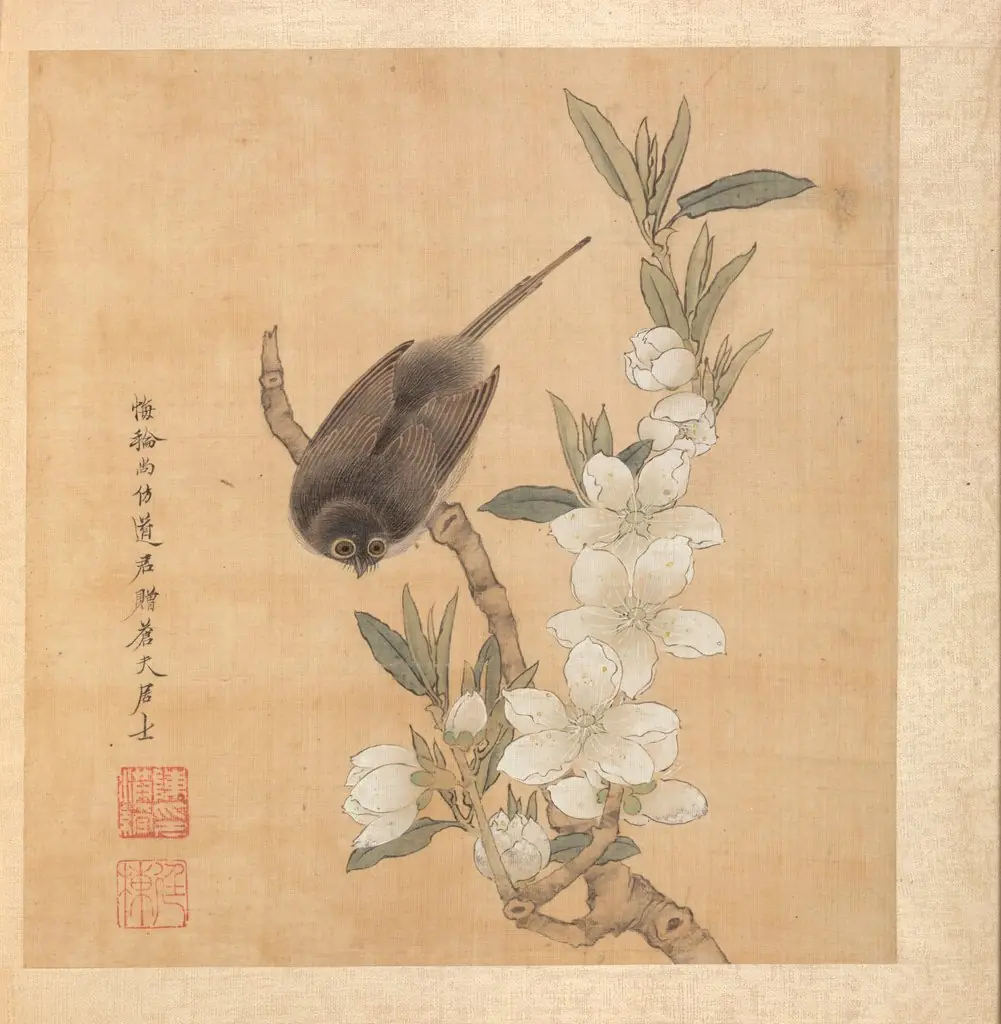 Paintings after Ancient Masters: A Bird and Peach-Blossom Branch
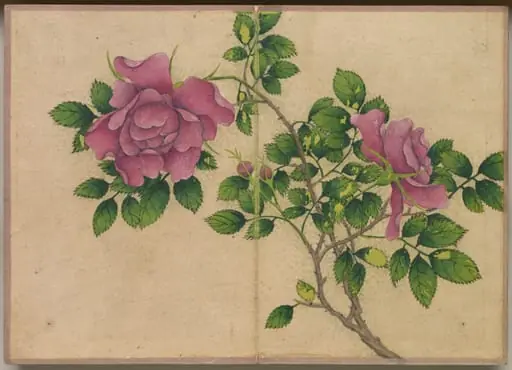 Desk Album: Flower and Bird Paintings (Rose)