Artwork
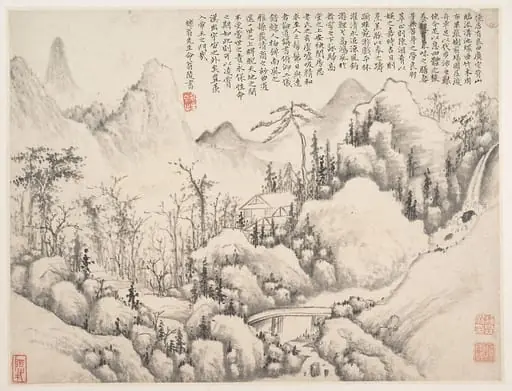
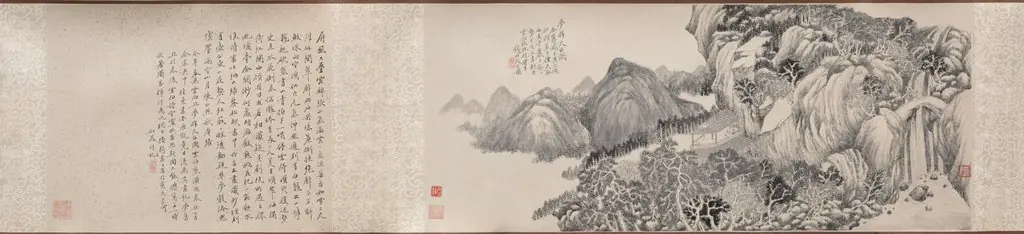
明 趙左 谿山無盡圖 卷|Streams and Mountains without End
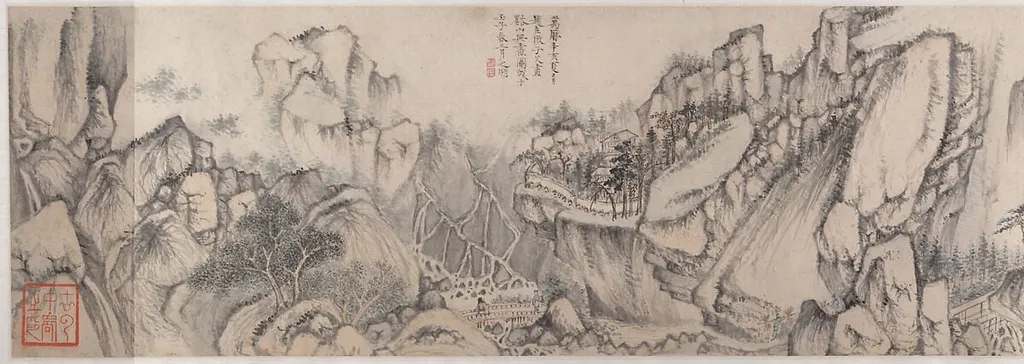
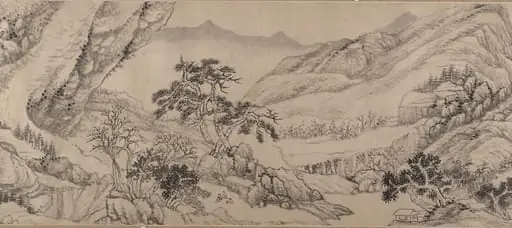
明 趙左 谿山無盡圖 卷|Streams and Mountains without End is an ink painting by the Baroque artist Zhao Zuo. It dates from 1612 and is held in the collection of the Metropolitan Museum of Art.
About this work
Overview
Although the artist did not sign the work, the scroll functions as a historical document through the addition of later collector inscriptions and seals.
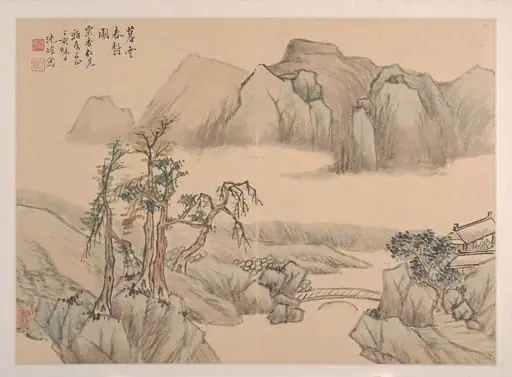
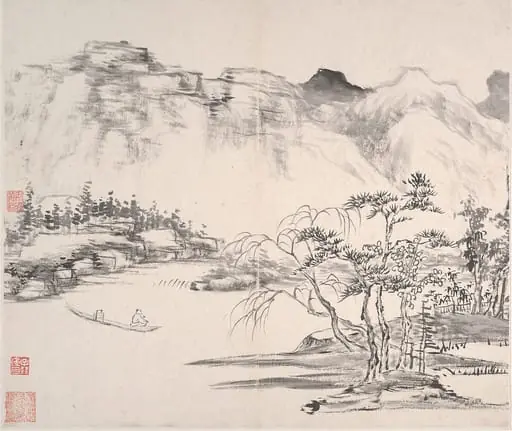
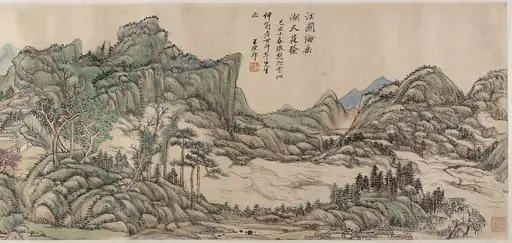
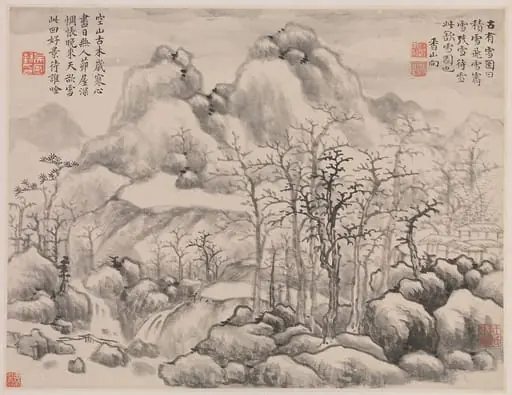
Streams and Mountains without End, created in 1612 by Zhao Zuo, is a handscroll executed in ink and color on paper. A prominent figure of the Wu School and a key member of the Dong-Qian school, Zhao Zuo produced this work during the late Ming dynasty, a period defined by the revival of literati painting traditions. The composition unfolds horizontally, depicting a continuous, rhythmic landscape where misty mountain ranges rise in layered succession, separated by winding rivers and deep, empty valleys. Tiny trees cling precariously to steep cliffs, emphasizing the scale and grandeur of the natural world. Although the artist did not sign the work, the scroll functions as a historical document through the addition of later collector inscriptions and seals. These annotations, including poetic verses and ownership marks, transform the painting into a cumulative record of appreciation spanning centuries. Stylistically, the work reflects Zhao Zuo's mastery of the 'muddy' brush technique and his ability to synthesize the styles of earlier masters like Huang Gongwang and Ni Zan. The piece stands as a significant example of early 17th-century Chinese landscape painting, illustrating the era's preference for evocative, atmospheric depth over strict topographical realism.
Subject & Meaning
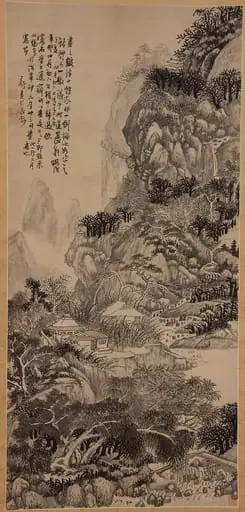
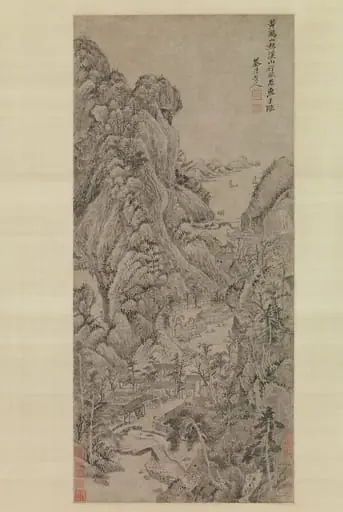
The scroll depicts an idealized mountain realm where towering cliffs dissolve into layered clouds, suggesting the endless continuity of nature. Sparse foliage clings to the rock faces, while a sinuous river carves a path through the valleys, evoking the Daoist notion of harmony between humanity and the natural world. The title “Streams and Mountains without End” reinforces the theme of perpetual, boundless scenery.
Technique & Style
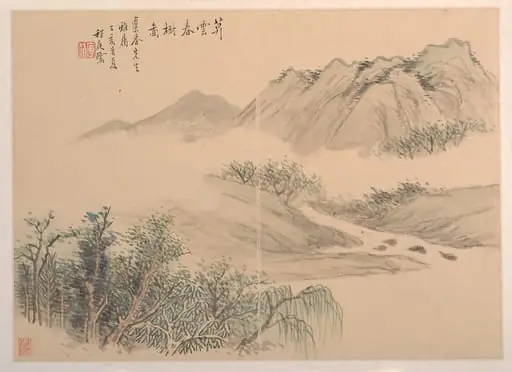
Executed with brushwork that balances delicate ink washes and subtle color accents, the piece employs layered shading to convey mist and distance. Fine, controlled strokes render the trees and rock textures, while broader washes suggest atmospheric perspective. The use of color is restrained, highlighting only key elements such as foliage and water, in keeping with Ming‑period landscape conventions.
History & Provenance
Although Zhao Zuo did not sign the scroll, successive owners inscribed poems, colophons, and seals directly onto the paper, turning the artwork into a living record of its custodians. These marginal notes span several centuries, effectively creating a guestbook that documents the scroll’s passage through private collections and scholarly circles.
Artist & collection