Artwork
Portretul lui Ferdinand de Bourbon, duce de Parma
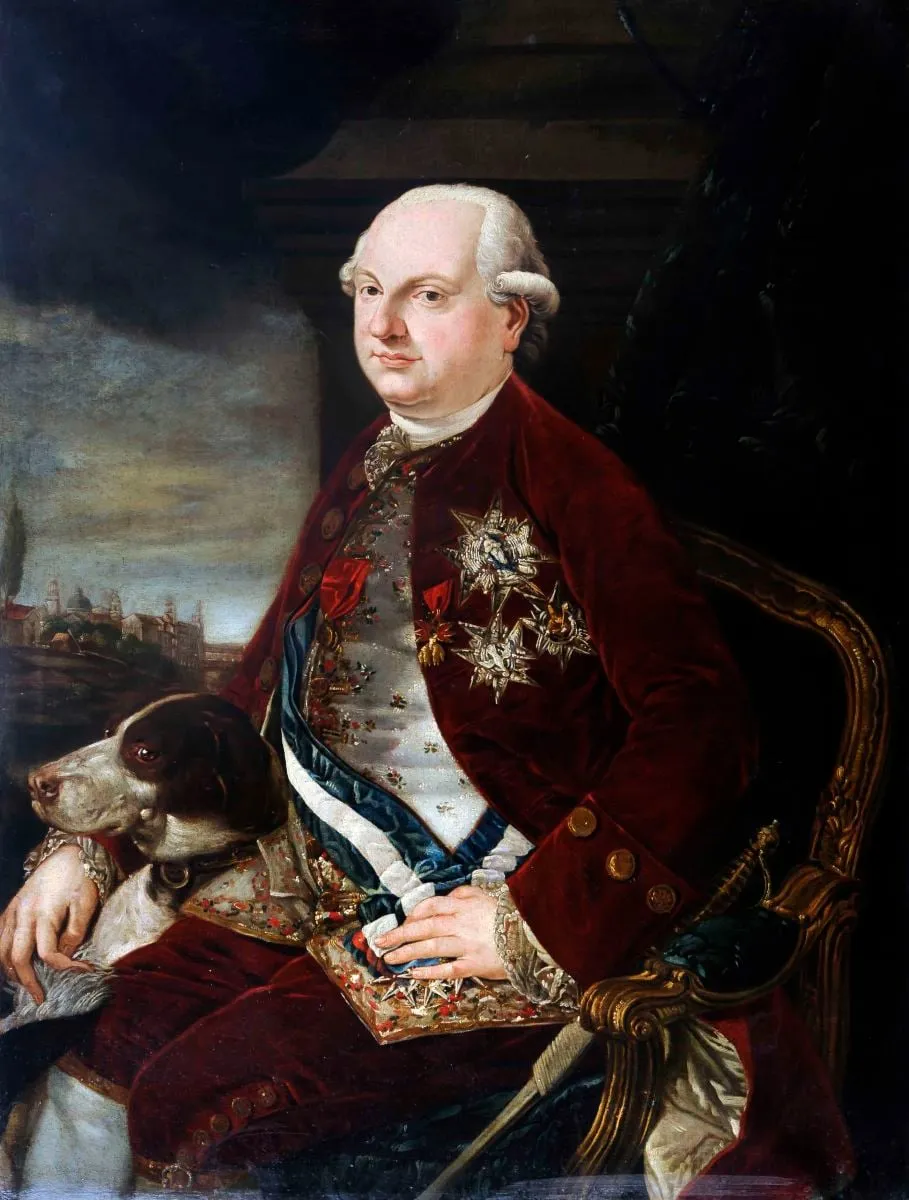
Portretul lui Ferdinand de Bourbon, duce de Parma is a print by the Rococo painting artist Johann Zoffany. It dates from 1780 and is held in the collection of the National Museum of Art of Romania.
About this work
Overview
Painted circa 1780 by Johann Joseph Zoffany, this portrait captures Ferdinand de Bourbon, Duke of Parma, during the later phase of the artist’s career.
Painted circa 1780 by Johann Joseph Zoffany, this portrait captures Ferdinand de Bourbon, Duke of Parma, during the later phase of the artist’s career. Zoffany, a German-born painter active across Europe, was known for his precise depictions of aristocratic subjects. The work exemplifies his refined approach to portraiture, blending formal dignity with subtle domestic elements, characteristic of his style after years of serving royal and noble patrons.
Subject & Meaning
Ferdinand de Bourbon is portrayed in the uniform of a high-ranking military official, adorned with gold embroidery and ribbons that signify his status and honors. The small dog resting calmly on his lap introduces a note of personal intimacy, suggesting both companionship and the controlled elegance expected of noble life. His powdered white hair and pale complexion reflect contemporary ideals of aristocratic refinement, reinforcing his position within the European elite.
Technique & Style
Zoffany employs a controlled, detailed brushwork typical of late 18th-century portraiture, emphasizing texture in the fabric of the coat and the softness of the dog’s fur. The background is rendered in muted tones with indistinct architectural forms, directing focus to the figure. The lighting is even and naturalistic, avoiding theatricality, which aligns with Zoffany’s preference for restrained composition over dramatic flair.
History & Provenance
Commissioned during Ferdinand’s tenure as Duke of Parma, the portrait likely served to affirm his authority and lineage within the Bourbon dynasty. It remained in European noble collections before entering its current institutional holding. Zoffany’s documented travels to Italy and his connections to royal courts support the likelihood of a direct commission, consistent with his practice of painting continental nobility during his time abroad.
Context
In the late 1700s, European courts valued portraiture as a tool of political and social representation. Zoffany, though based in England, frequently worked for continental aristocrats, bridging British and Italian artistic traditions. This portrait reflects the transnational nature of noble patronage and the shared visual language of power across monarchies, where military attire and symbolic animals conveyed legitimacy and refinement.
Legacy
The portrait stands as a representative example of Zoffany’s contribution to aristocratic portraiture beyond Britain. It illustrates his ability to adapt his style to diverse cultural expectations while maintaining a consistent emphasis on decorum and detail. Though less celebrated than his group compositions, this work underscores his role in documenting the visual culture of European nobility during a period of shifting political landscapes.
Artist & collection
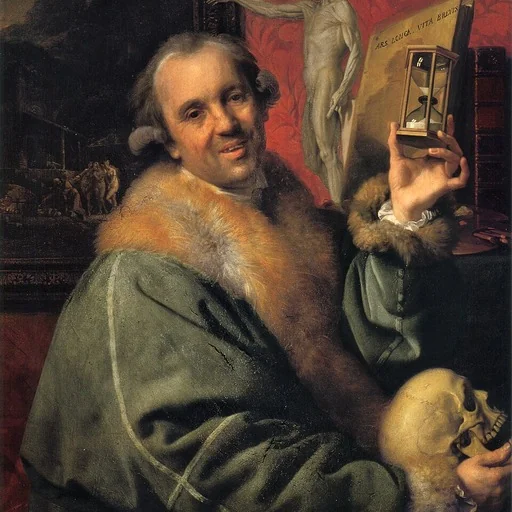
Artist
Johan / Johann Joseph Zoffany (born Johannes Josephus Zaufallij; 13 March 1733 – 11 November 1810) was a German neoclassical painter who was active mainly in England, Italy, and India.

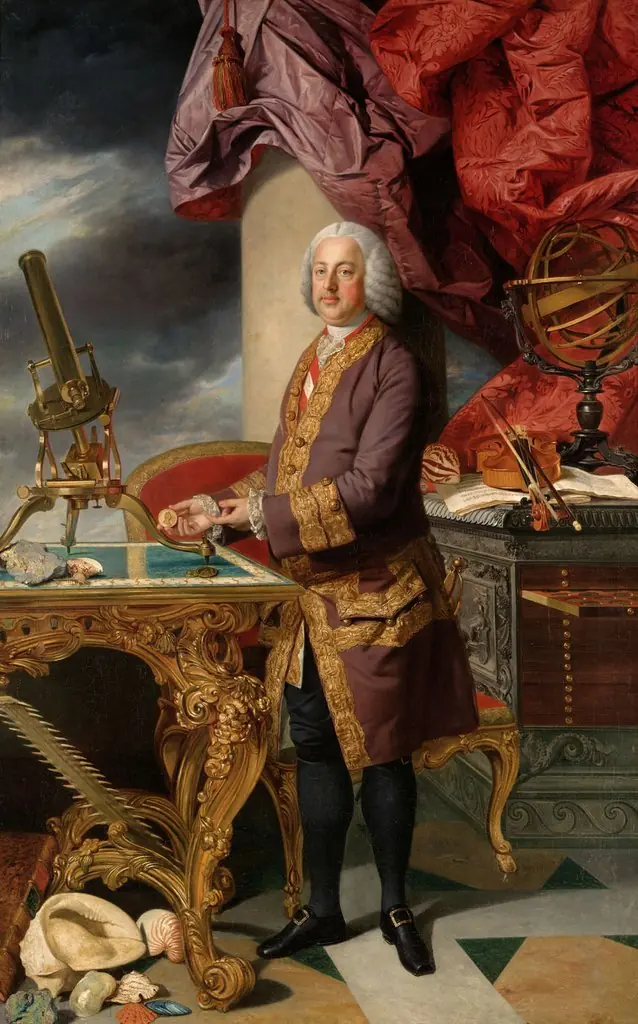 François Ier du Saint-Empire et sa collection d'histoire naturelle
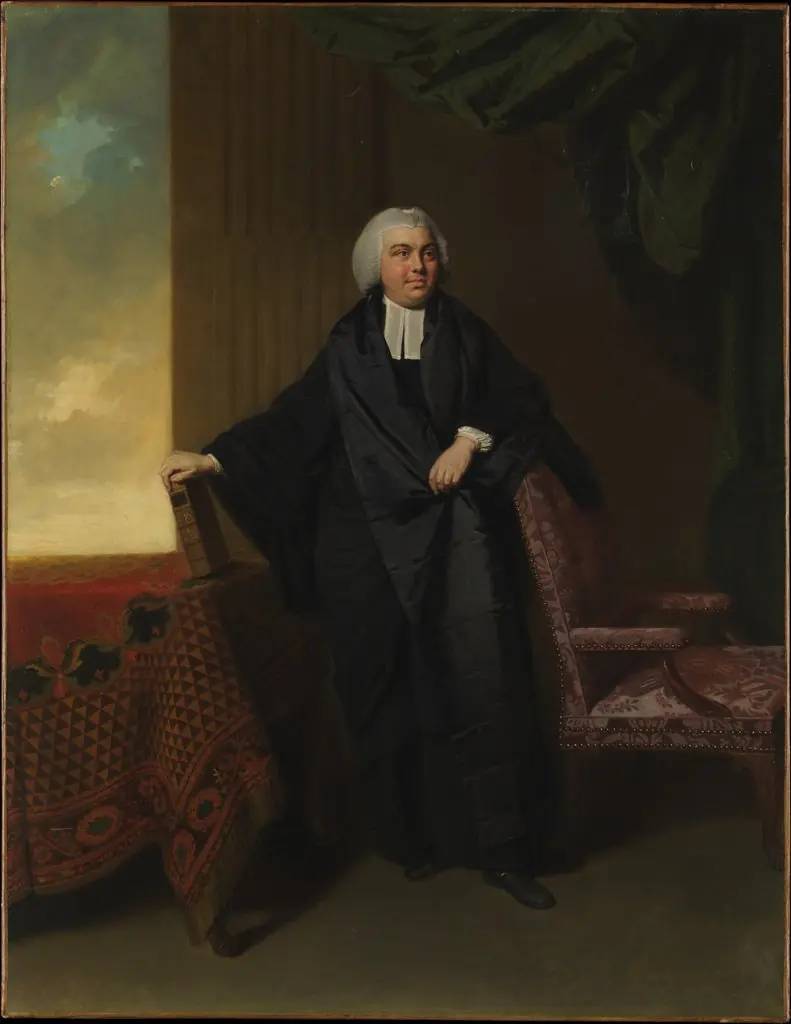 The Reverend Philip Cocks (1735–1797)
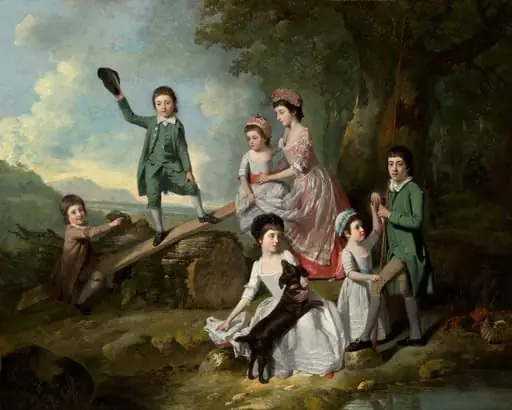 The Lavie Children
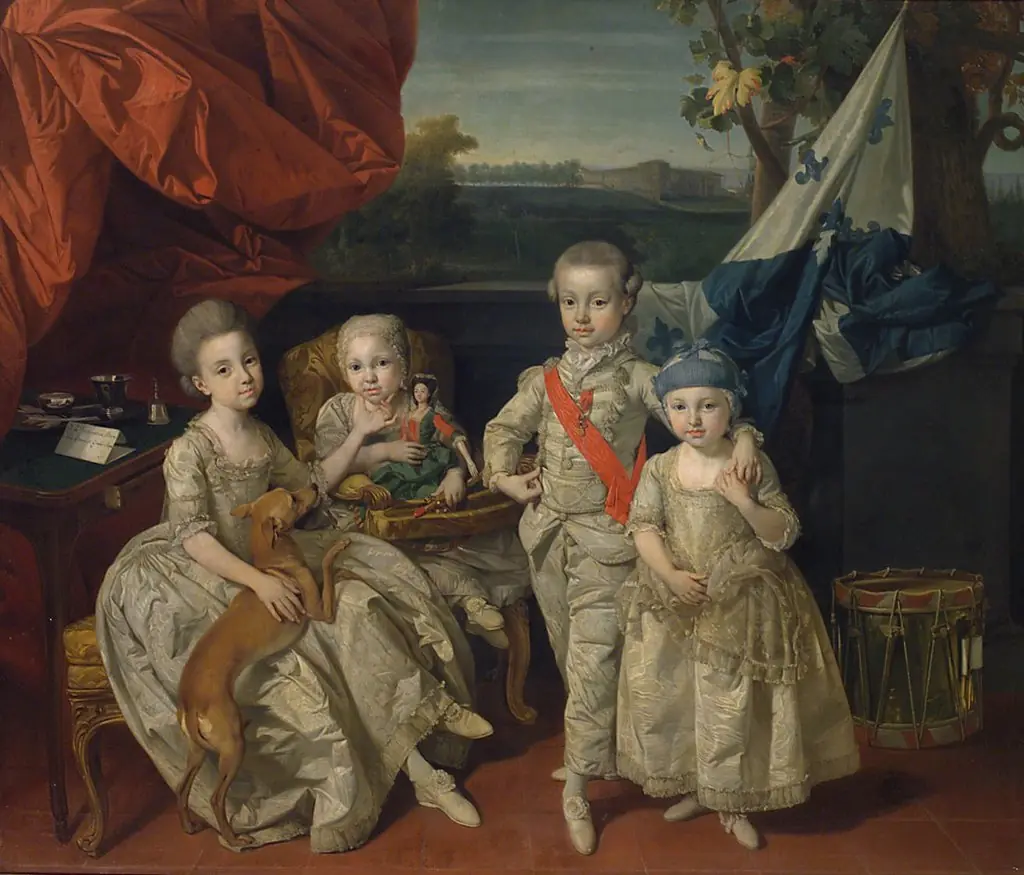 Prinz Ludwig von Parma (1773-1803) mit seinen drei ältesten Geschwistern Karoline (1770-1804), Marie Antonie (1774-1841) und Charlotte (1777-1813)
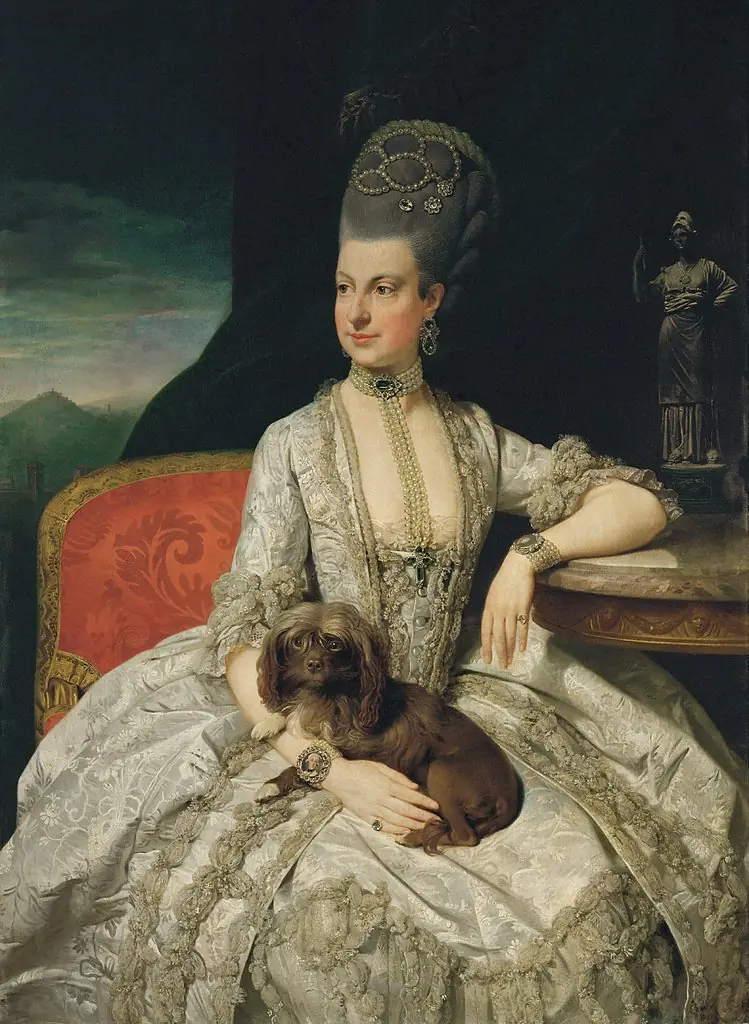 Archduchess Maria Christina, Duchess of Teschen, (1742-1798)
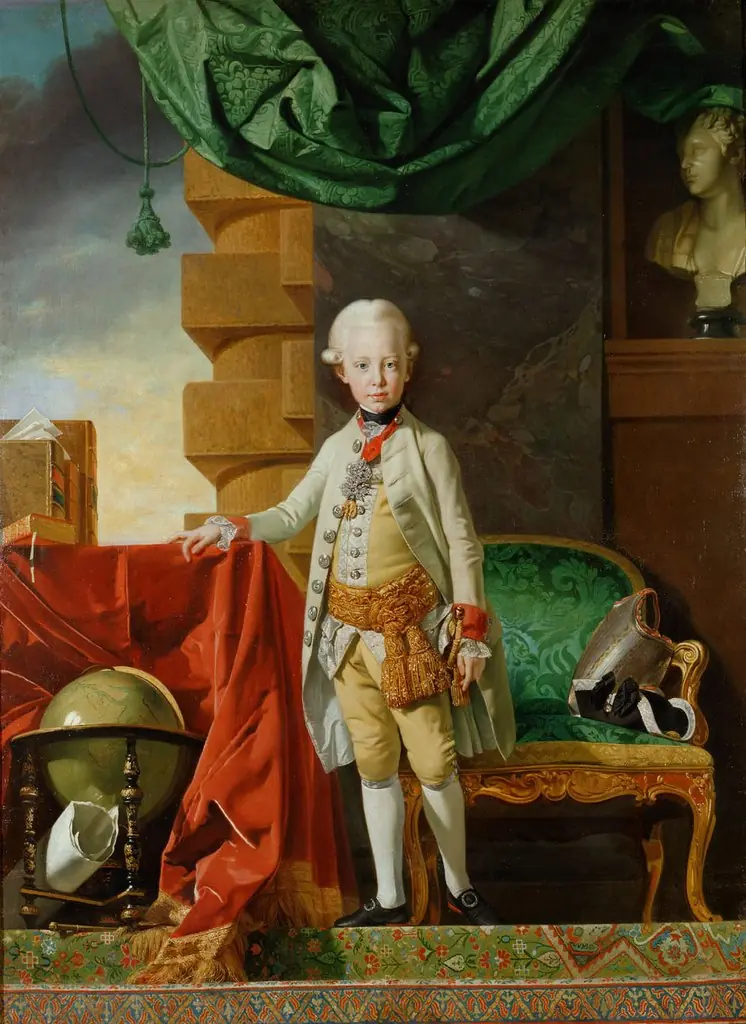 Portrait of Francis of Austria (1768-1835)
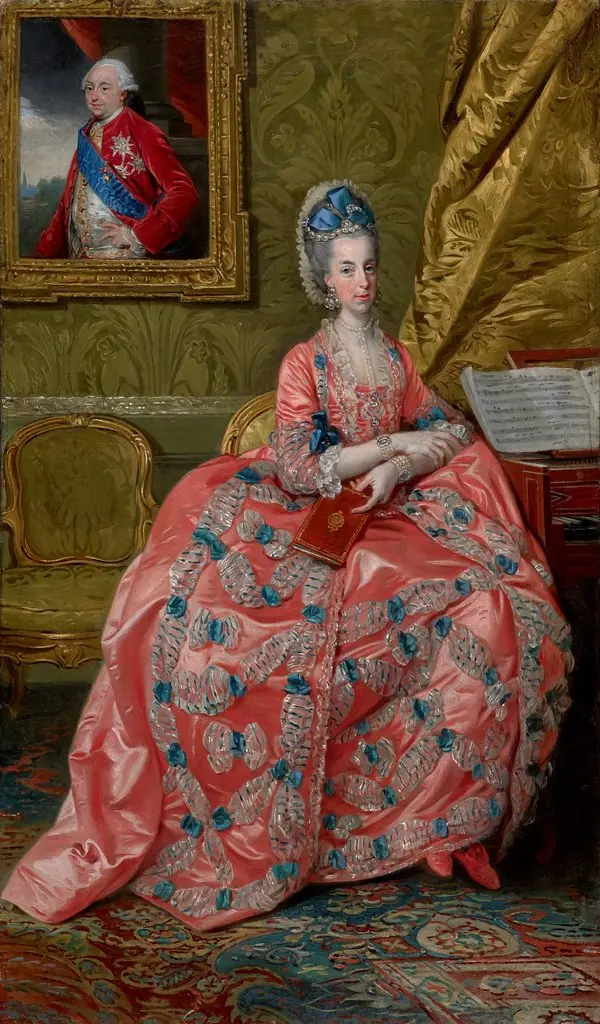 Portrait of the Archduchess Maria Amalia of Austria, Duchess of Parma
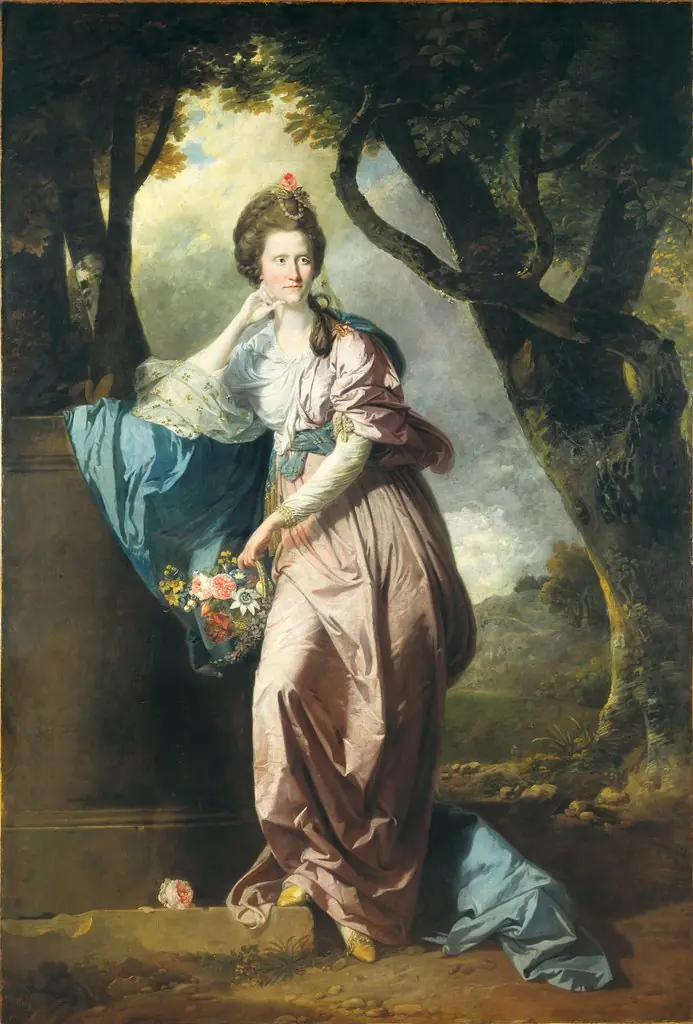 Mrs Woodhull
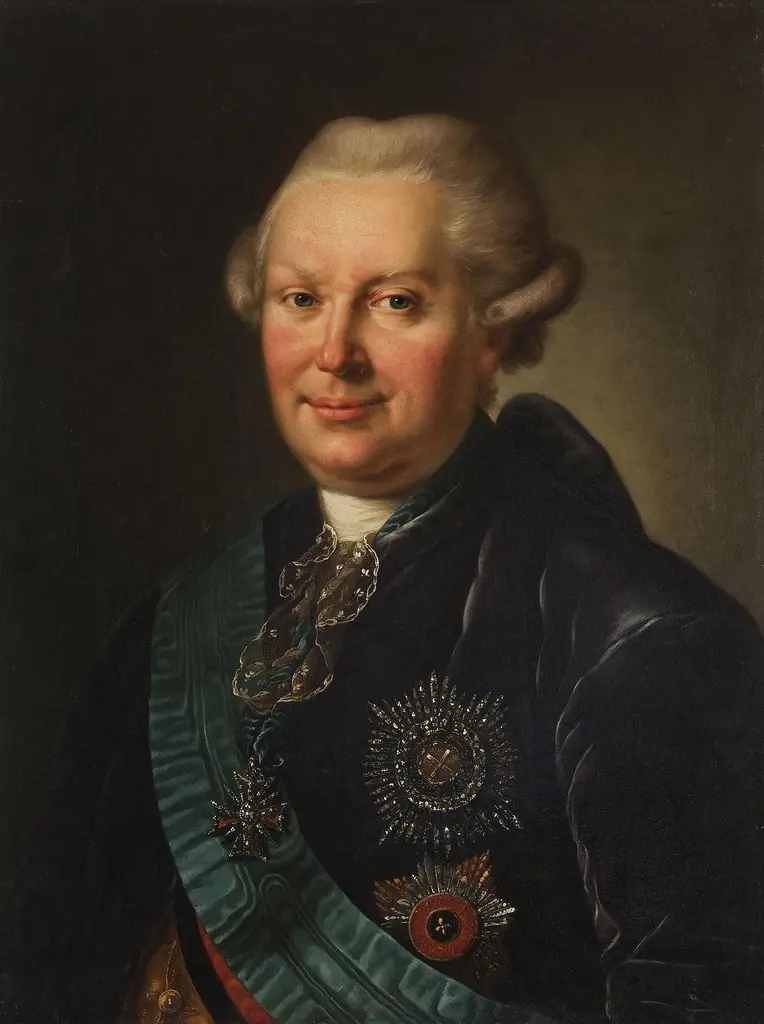 Portrait of Procurator-General Alexander Vyazemsky
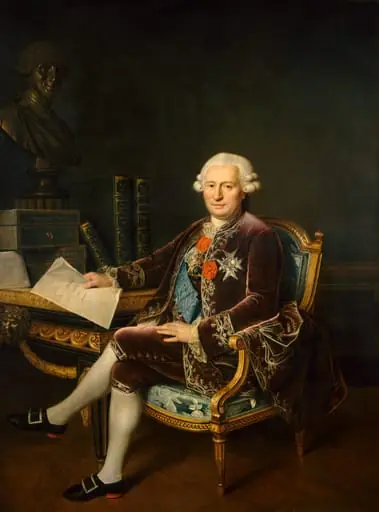 The Marquis d'Ossun
 Portrait of Procurator-General Alexander Vyazemsky
 Louis, Dauphin of France
 Don José Moñino y Redondo, Conde de Floridablanca
 Samuel af Ugglas (1750-1812), greve, landshövding, överståthållare, kammarkollegiepresident, en av rikets herrar
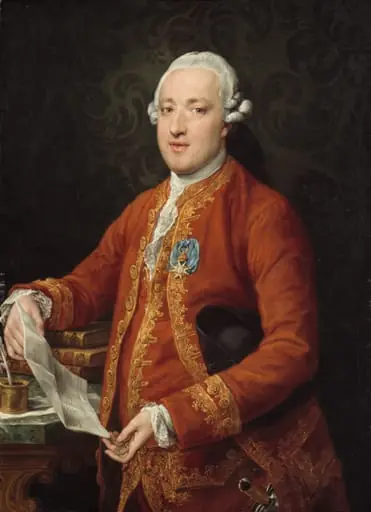 Don José Moñino y Redondo, Conde de Floridablanca
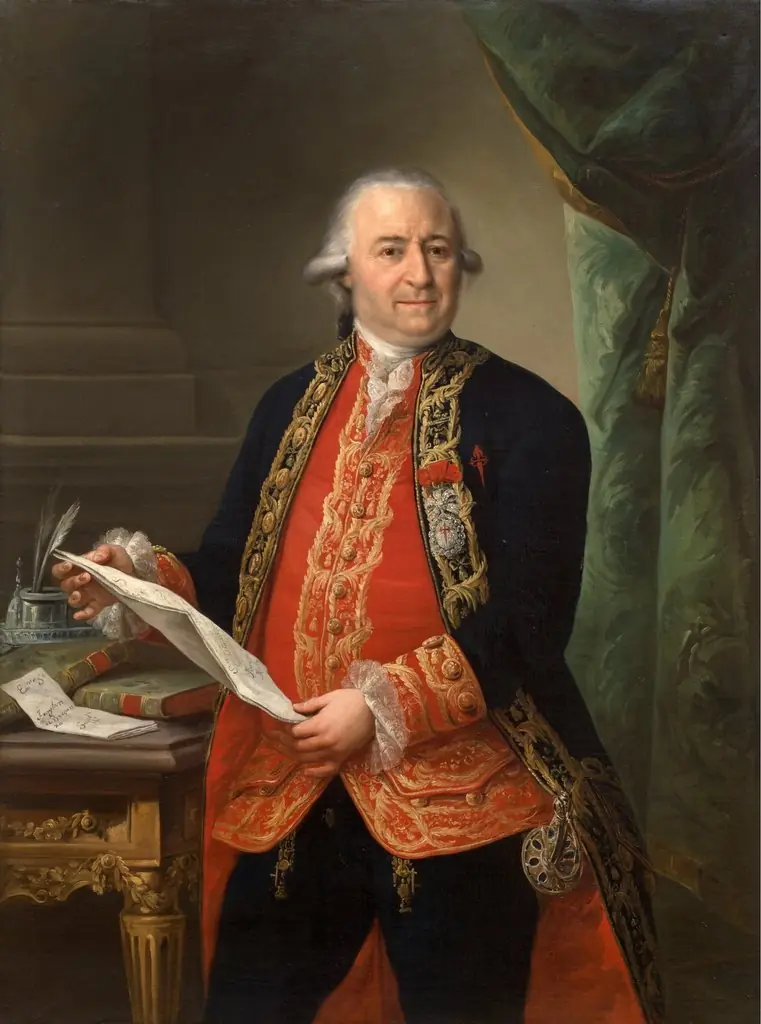 D Pedro López de Lerena, I Count of Lerena
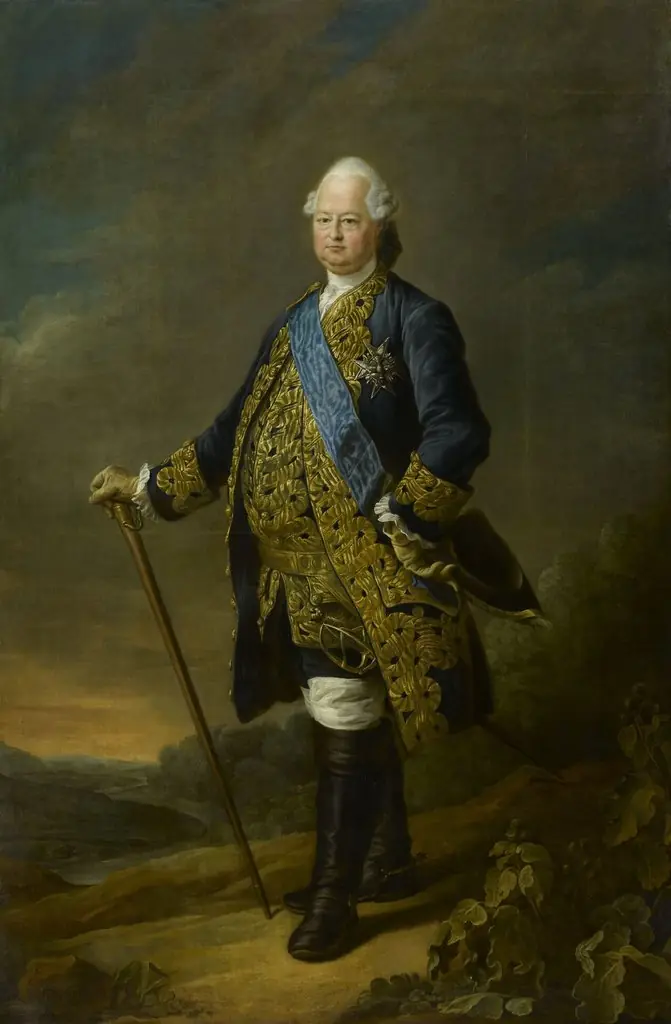 Louis de Bourbon-Condé, Count of Clermont (1709-1771)
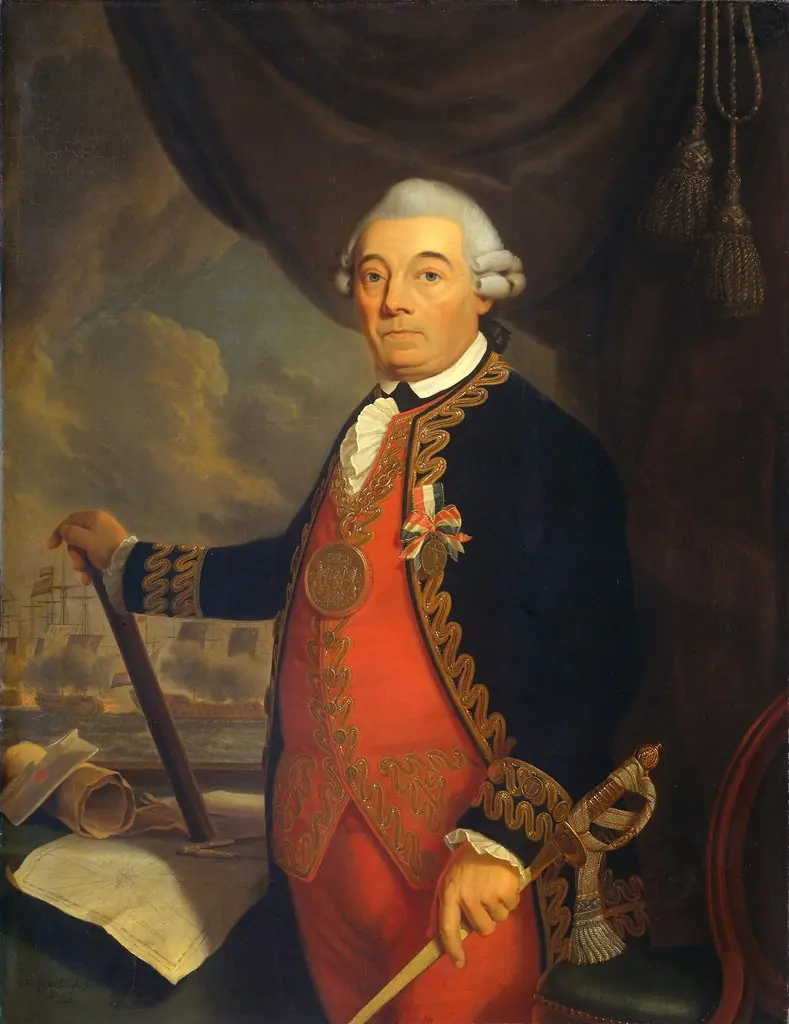 Portrait of Johan Arnold Zoutman