Artwork
Luhdin ovella
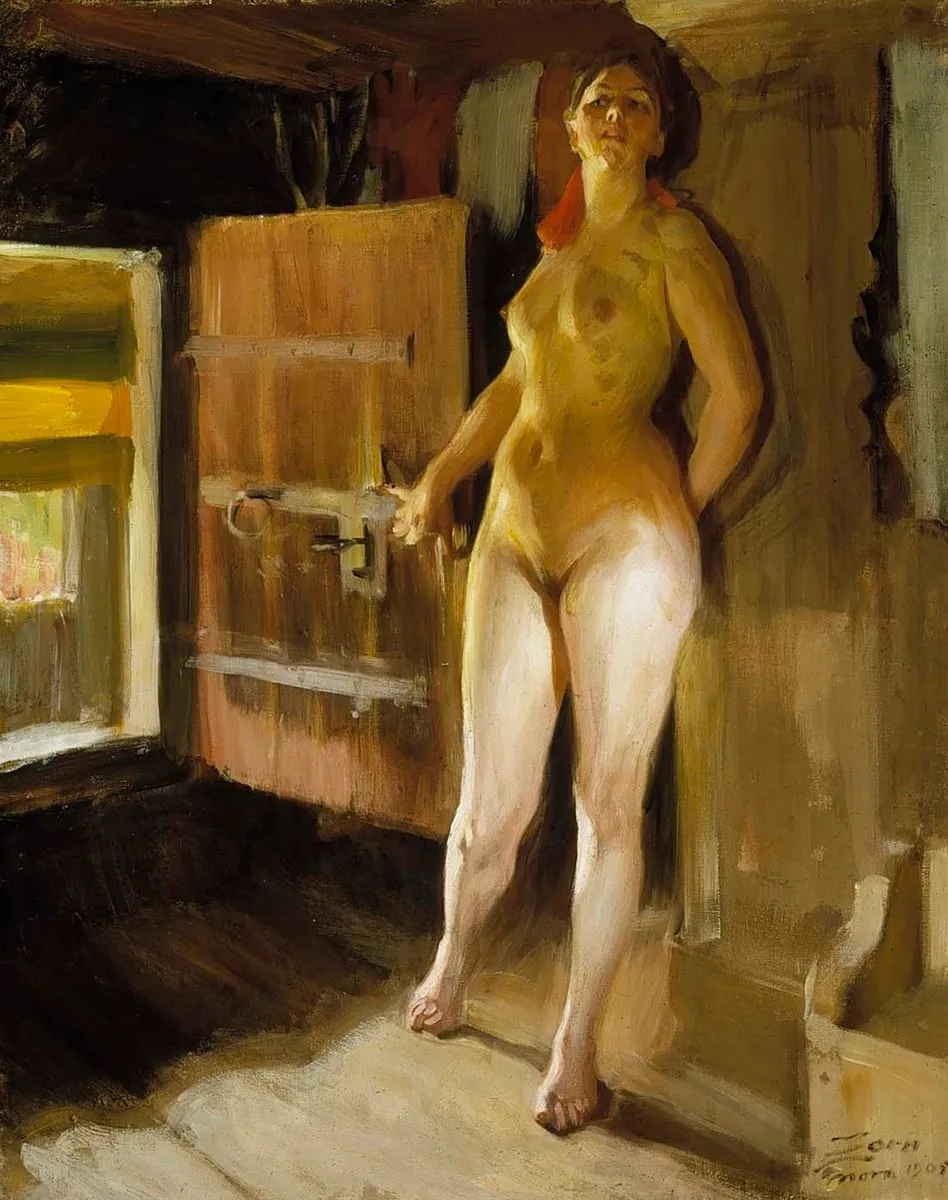
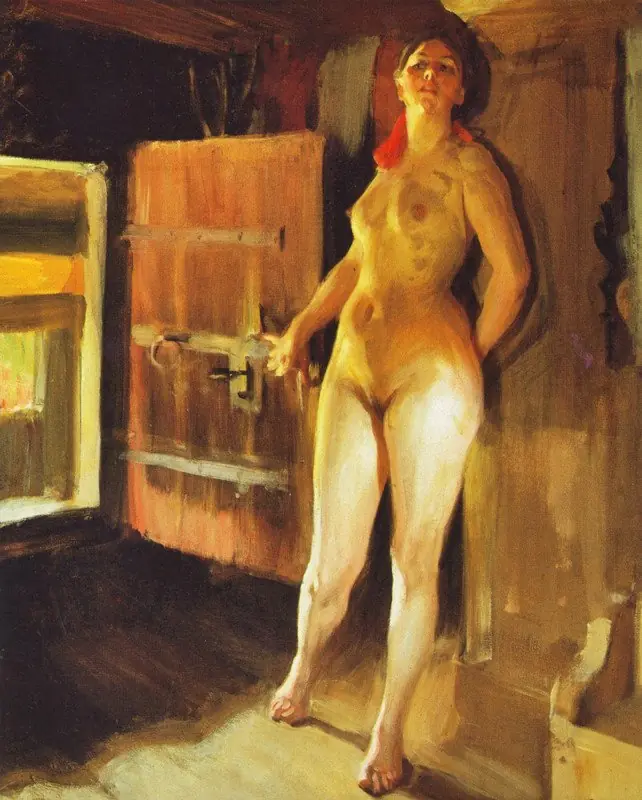
Luhdin ovella is an unspecified painting by Anders Zorn. It dates from 1900 and is held in the collection of the Finnish National Gallery.
About this work
Overview
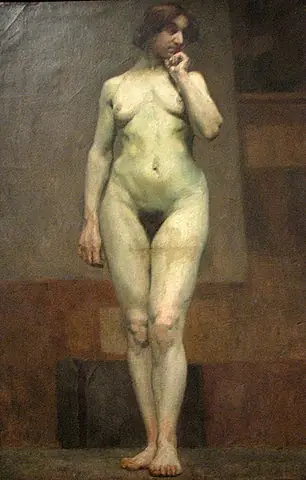
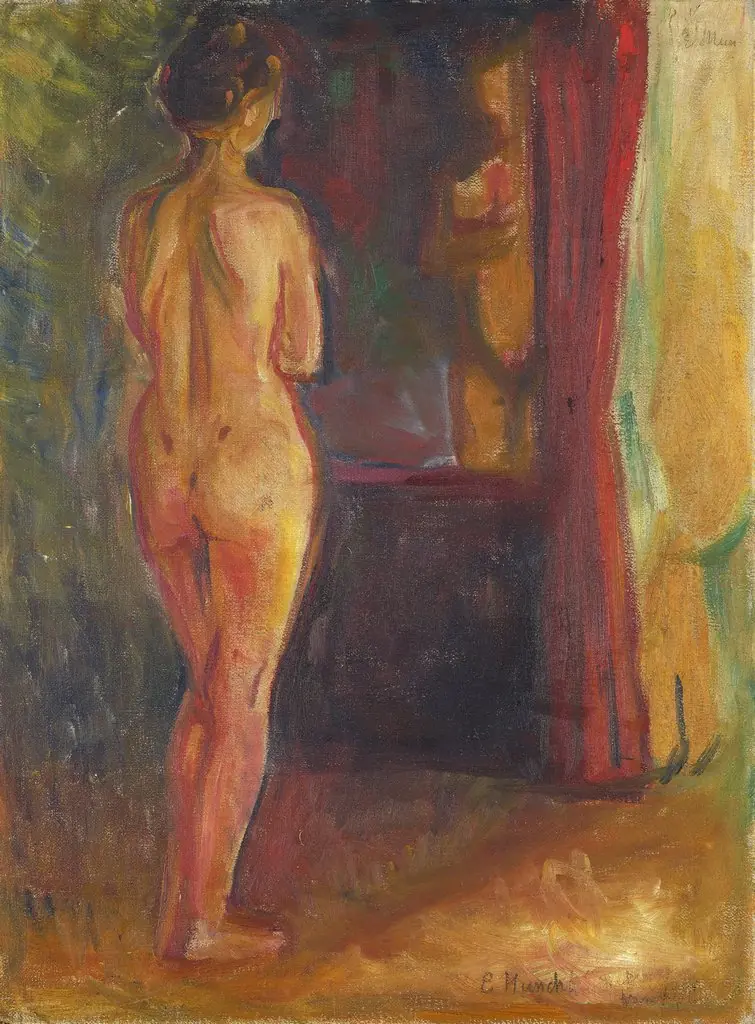
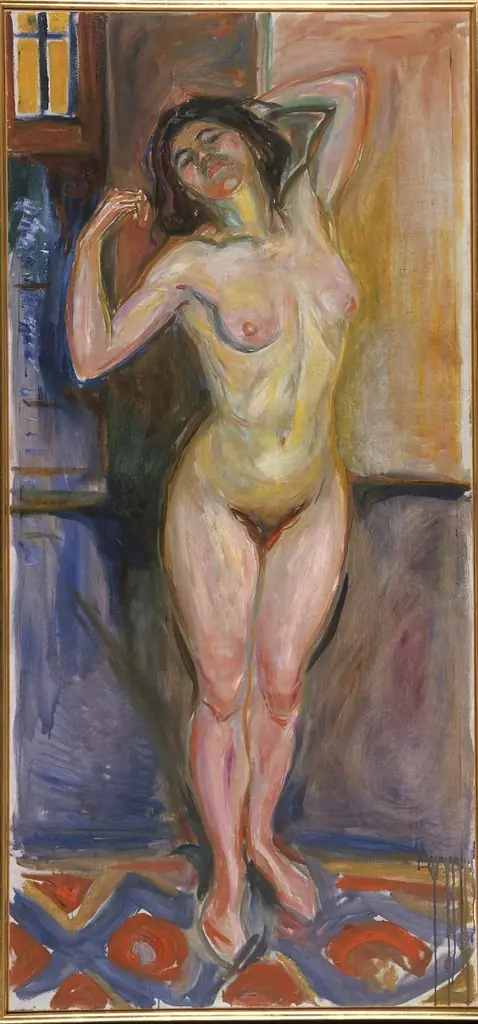
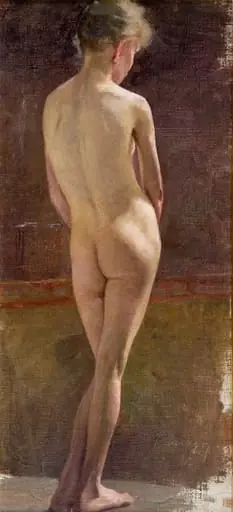
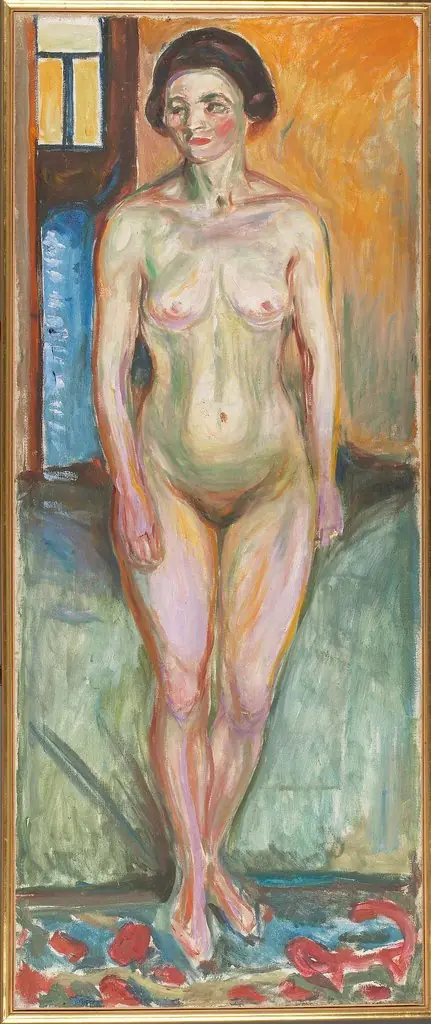
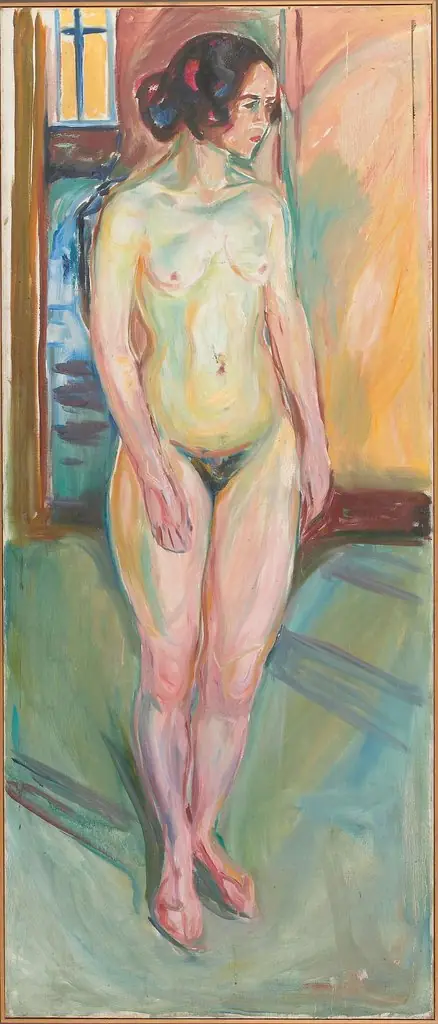
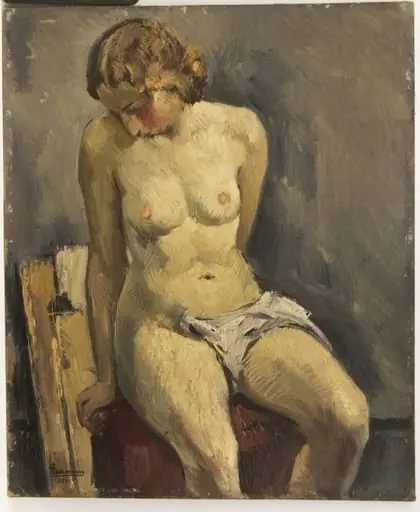
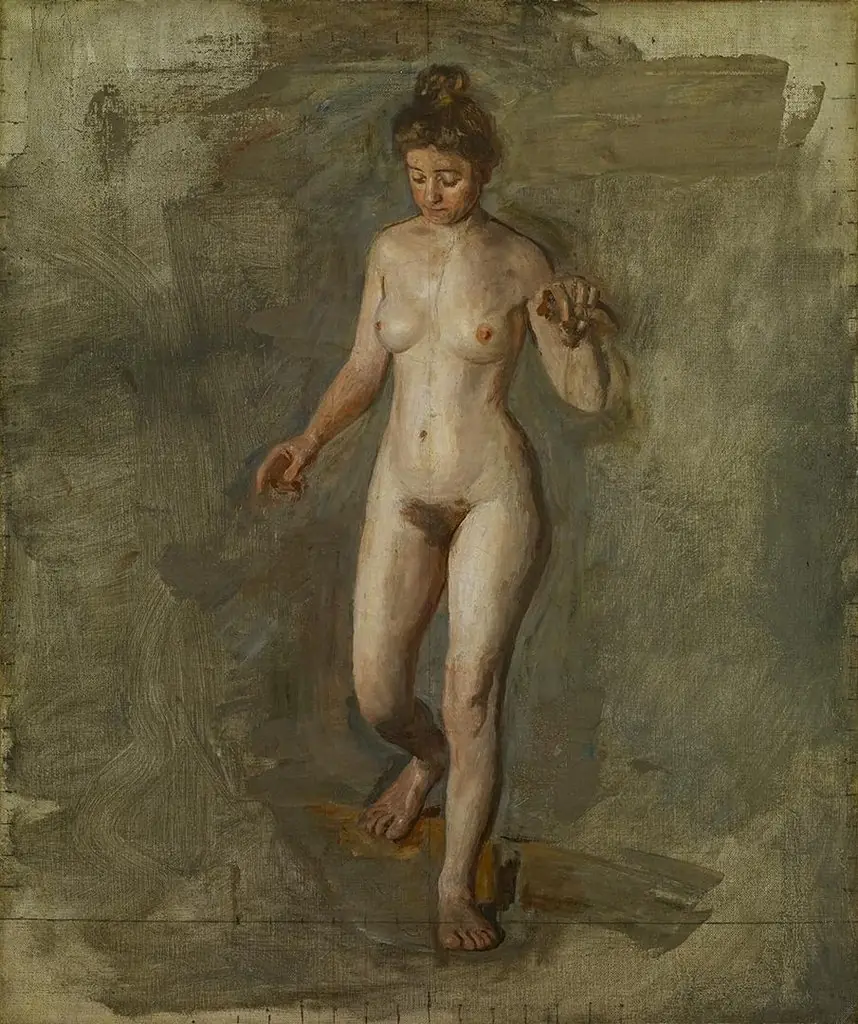
Created around 1900 by Anders Zorn, this intimate interior scene depicts a solitary woman standing barefoot near a wooden door.
Created around 1900 by Anders Zorn, this intimate interior scene depicts a solitary woman standing barefoot near a wooden door. The composition centers on her figure, rendered with minimal detail beyond form and texture, against a dimly lit room. The absence of context or narrative elements focuses attention on the quiet presence of the subject and the play of light across her skin and the surrounding surfaces.
Subject & Meaning
The figure, nude and still, occupies a threshold space—neither fully inside nor outside. Her posture, leaning against the door with a metal latch, suggests pause or contemplation. The lack of facial detail and the anonymity of the setting remove personal identity, inviting interpretation as a meditation on vulnerability, solitude, or the quiet dignity of the human form in private moments.
Technique & Style
Zorn employs thick, deliberate brushwork to model the woman’s skin and the rough wood of the door, enhancing their physical presence. Strong chiaroscuro contrasts define the form: light falls sharply from the left, illuminating her torso and shoulder while the rest of the room recedes into shadow. A faint glow from a distant window adds subtle depth, reinforcing the atmosphere of quiet seclusion.
History & Provenance
The work dates from Zorn’s mature period, when he increasingly turned to intimate, domestic subjects after achieving international acclaim for portraiture. While its early ownership is undocumented, it reflects his sustained interest in the human figure in naturalistic interiors, a theme he explored across drawings, etchings, and paintings during the turn of the century.
Context
In early 20th-century Europe, depictions of the nude in private, unidealized settings were uncommon in mainstream art. Zorn’s approach diverged from academic traditions by avoiding mythological or allegorical framing. Instead, he presented the body as a quiet, physical reality—aligned with broader shifts toward realism and psychological immediacy in Nordic art of the era.
Legacy
This work exemplifies Zorn’s mastery of light and texture without reliance on narrative. Though not widely exhibited, it influenced later Scandinavian artists interested in the emotional resonance of everyday interiors. Its restrained composition and tactile rendering continue to be studied as a refined example of modernist intimacy in figurative painting.
Artist & collection

Artist
Anders Leonard Zorn was born in February 1860 in Mora, Dalarna, the illegitimate son of a Bavarian brewer and a Swedish farmer's daughter; his mother died shortly after his birth, and his grandparents raised him.