Art Museum
Art Gallery of Ontario

Image: Wikimedia Commons.
Art Gallery of Ontario is an art museum in Toronto, Canada.
About Art Gallery of Ontario
Overview & Identity
The Art Gallery of Ontario (AGO) is a major art museum located in Toronto, Canada. Founded in 1900 as the Art Museum of Toronto, it was renamed the Art Gallery of Toronto in 1919 and adopted its current name in 1966 to reflect its expanded provincial role. The institution serves as a leading cultural hub, hosting approximately 20 special exhibitions annually and maintaining a membership of 40,000, which represents the largest per capita membership in North America. The gallery is partially funded by the Ontario Ministry of Culture and receives support from the City of Toronto, the Department of Canadian Heritage, and the Canada Council for the Arts.
History & Founding
The museum was established in 1900 by a group of private citizens and members of the Toronto Art Students' League. Its incorporation was confirmed by the Ontario government shortly thereafter. A pivotal moment in its early history occurred in 1909, following the death of Harriet Boulton Smith, who bequeathed her historic 1817 manor house, known as The Grange, and the surrounding property to the institution. The museum acquired the property in 1911, and The Grange manor was reopened to serve as the museum's building in 1913, marking the beginning of the institution's physical presence at its current location.
Building & Architecture
The AGO complex is anchored by The Grange, a historic two-and-a-half-storey manor built in 1817 from stone and brick, which is the oldest portion of the site. The main building, opened to the public in 1918, has undergone seven major expansions, including significant phases in 1926, 1974, 1977, and 1993. The most transformative architectural intervention occurred between 2004 and 2008, designed by Frank Gehry. This redevelopment added a 200-meter glass and wood projecting canopy known as the "Galleria Italia," which extends over the Dundas Street walkway. The renovation increased the museum's total floor area by 20% and art viewing space by 47%, utilizing extensive woodwork and a distinctive design featuring "tears" in the façade.
Collection Highlights & Notable Holdings
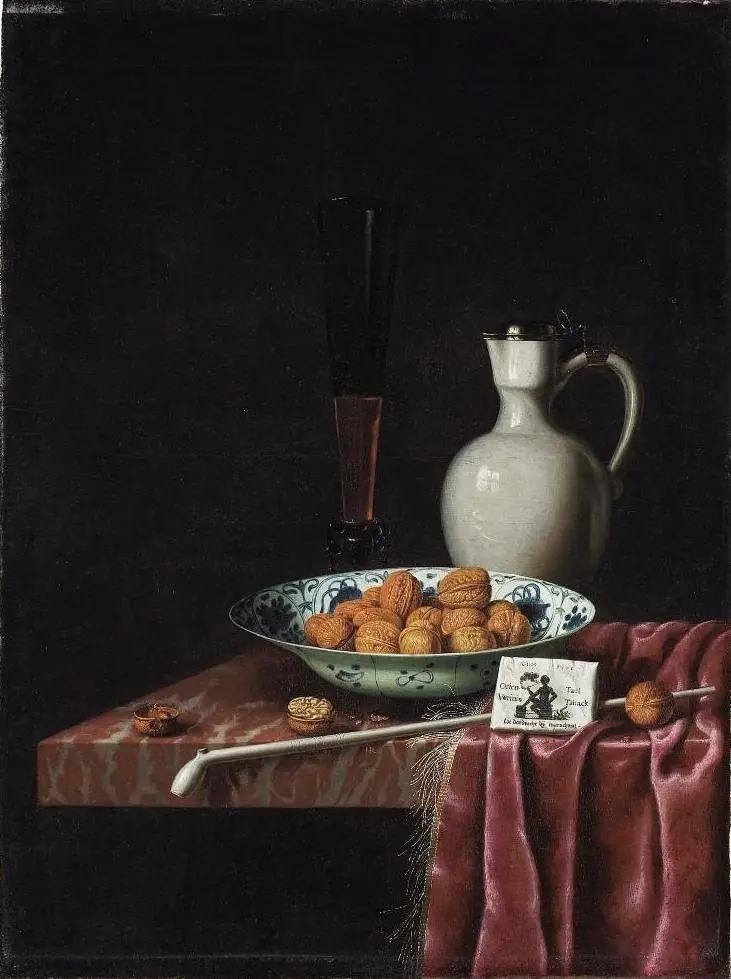
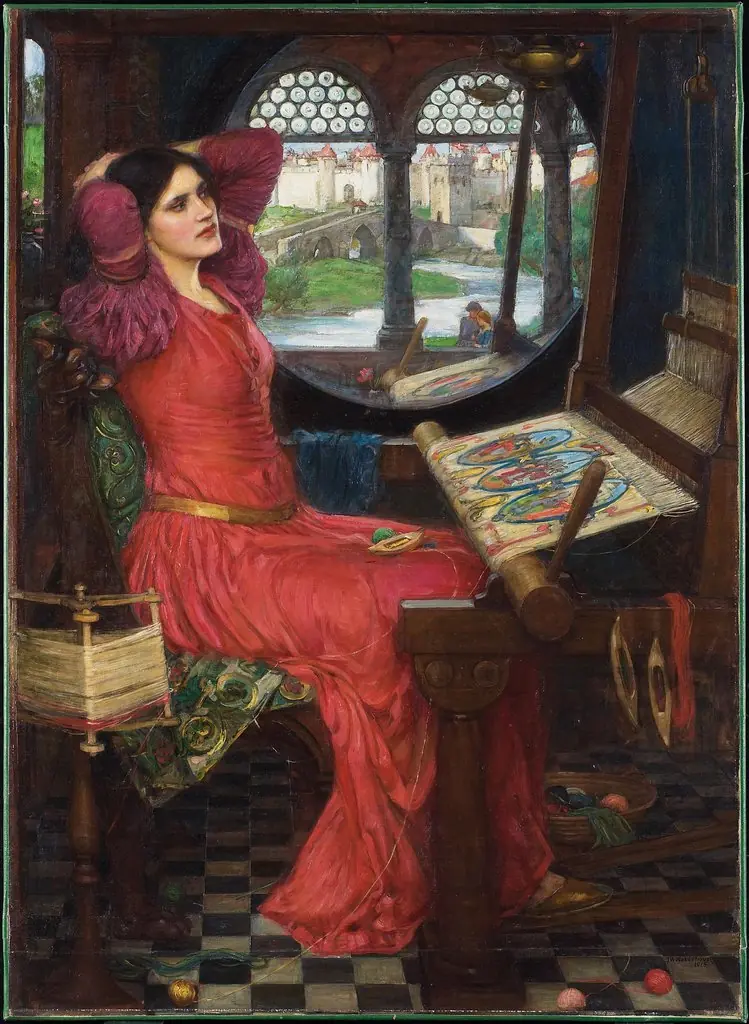
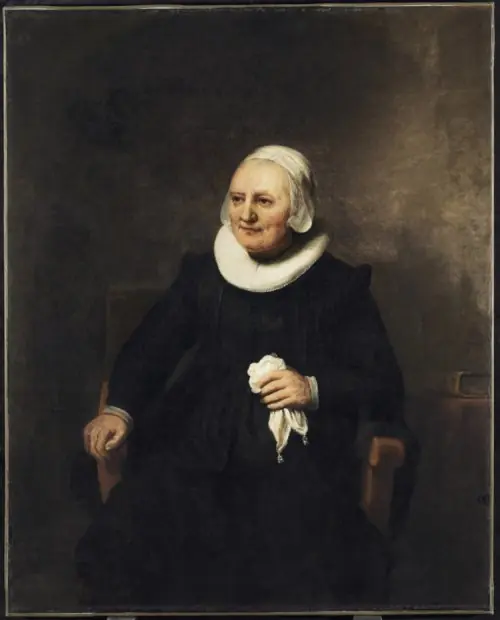
The AGO's permanent collection comprises over 120,000 works spanning from the first century to the present day, though other sources cite a figure of more than 79,000 works representing nearly 2,000 years of art. The collection features European masters such as Rembrandt, Hals, Poussin, Chardin, Delacroix, Renoir, and Picasso, as well as sculptures by Rodin, Degas, and Matisse. A defining highlight is the Henry Moore Sculpture Centre, which holds the world's largest and most comprehensive public collection of works by Henry Moore. The museum also houses the Thomson Collection of Canadian Art, featuring over 2,000 works including paintings by Paul Kane, and the J.S. McLean Centre for Indigenous & Canadian Art.
Significance & Legacy
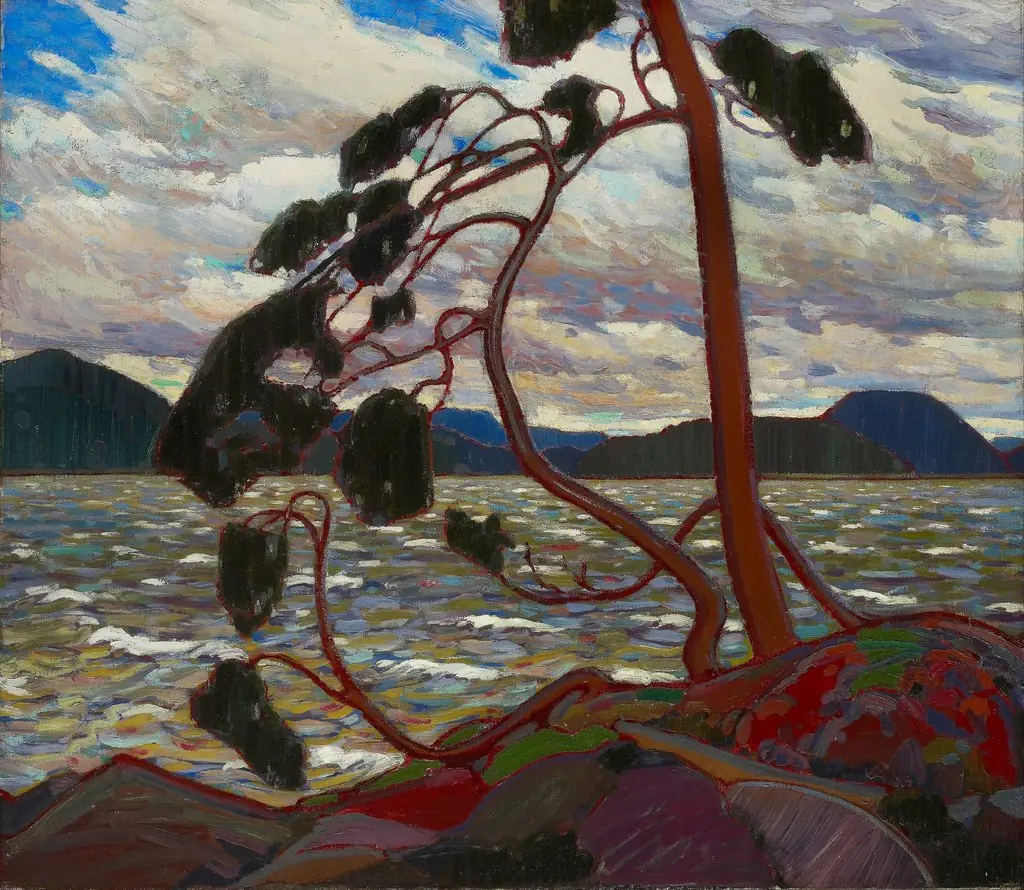
The Art Gallery of Ontario is recognized for its extensive holdings of Canadian art, including significant works by David Milne, the Group of Seven, and contemporary indigenous artists. The museum's commitment to diverse collections is evidenced by its African and Oceanic art holdings, which include 95 artworks mostly from the 19th century, and its expanded photography collection. The institution has hosted landmark international exhibitions such as "The Barnes Exhibit" (1994), "Turner, Whistler, Monet" (2004), and "Catherine the Great" (2005). Its architectural redevelopment by Frank Gehry received wide acclaim for its ability to reinvigorate older structures while providing modern gallery spaces, solidifying the AGO's status as a premier cultural destination in Canada.
What to see at Art Gallery of Ontario
Start with The Young Shepherdess by Paul Peel.


Plan your visit
Art Gallery of Ontario
- Website
- ago.ca