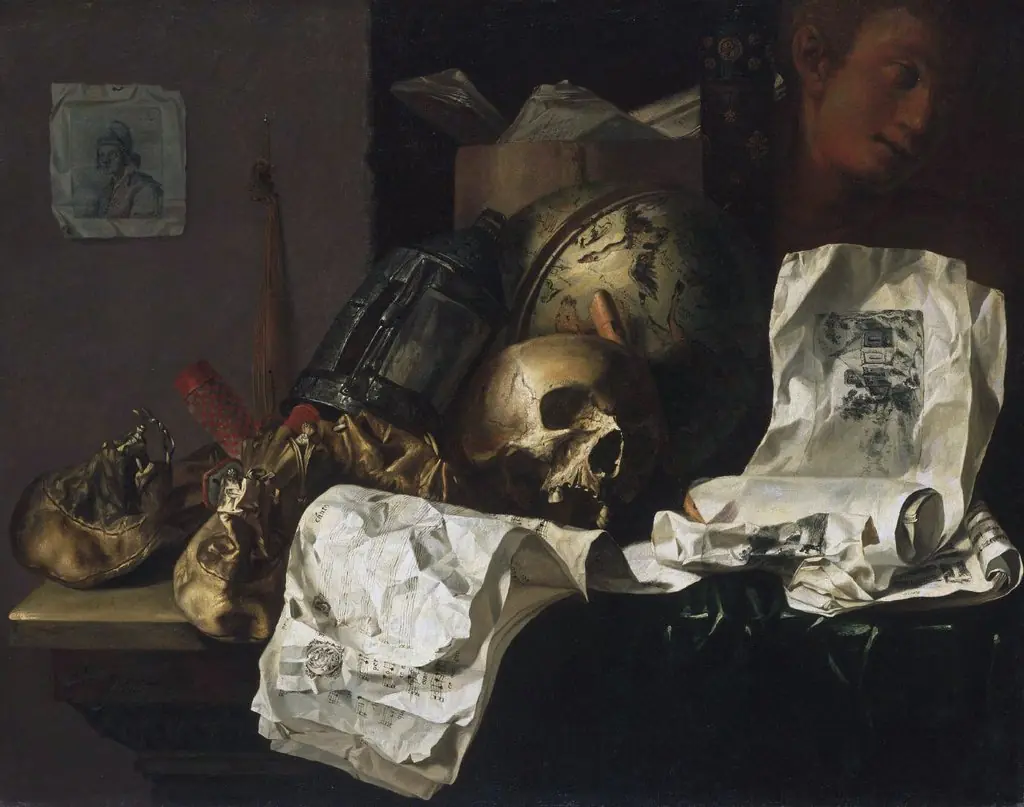
Artwork
Vanitas Still Life
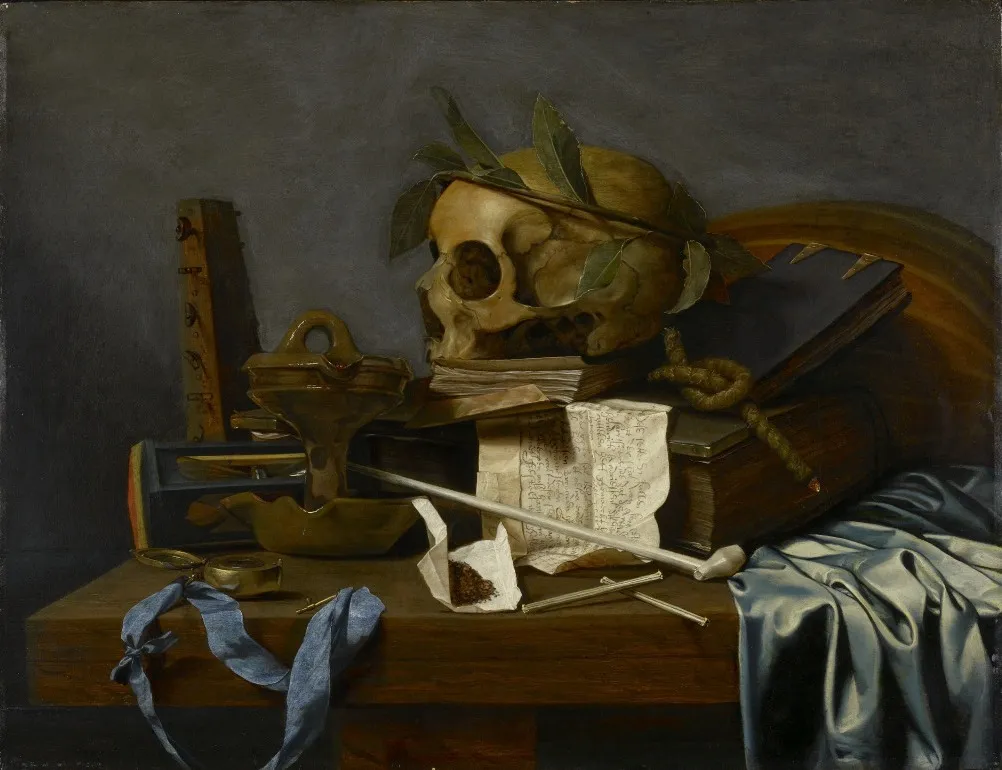
Vanitas Still Life is an oil painting by the Dutch Golden Age artist Hendrick Andriessen. It dates from 1640 and is held in the collection of the Art Gallery of Ontario.
About this work
Overview
The work reflects the moral and philosophical concerns of its time, using ordinary items to evoke contemplation on mortality and the passage of time.
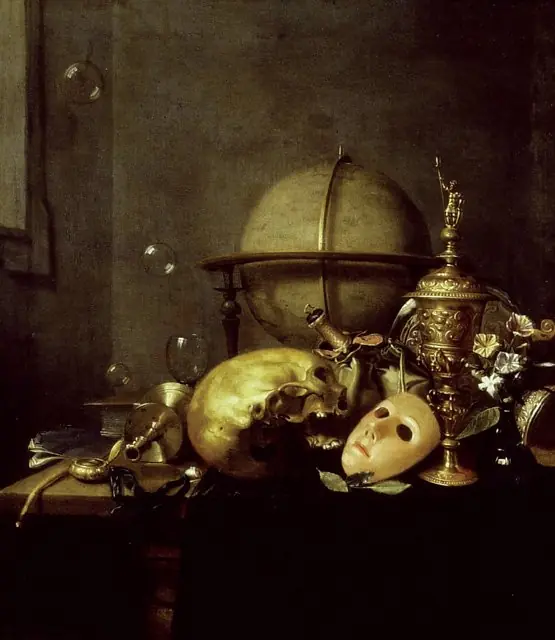
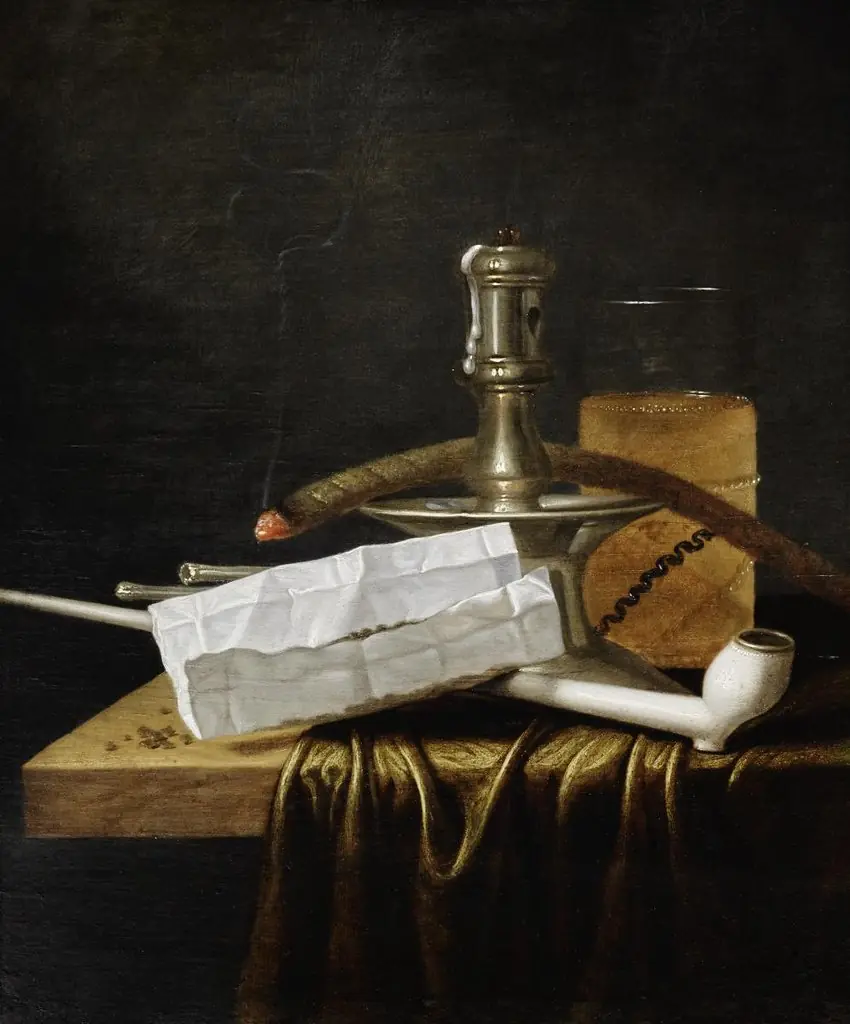
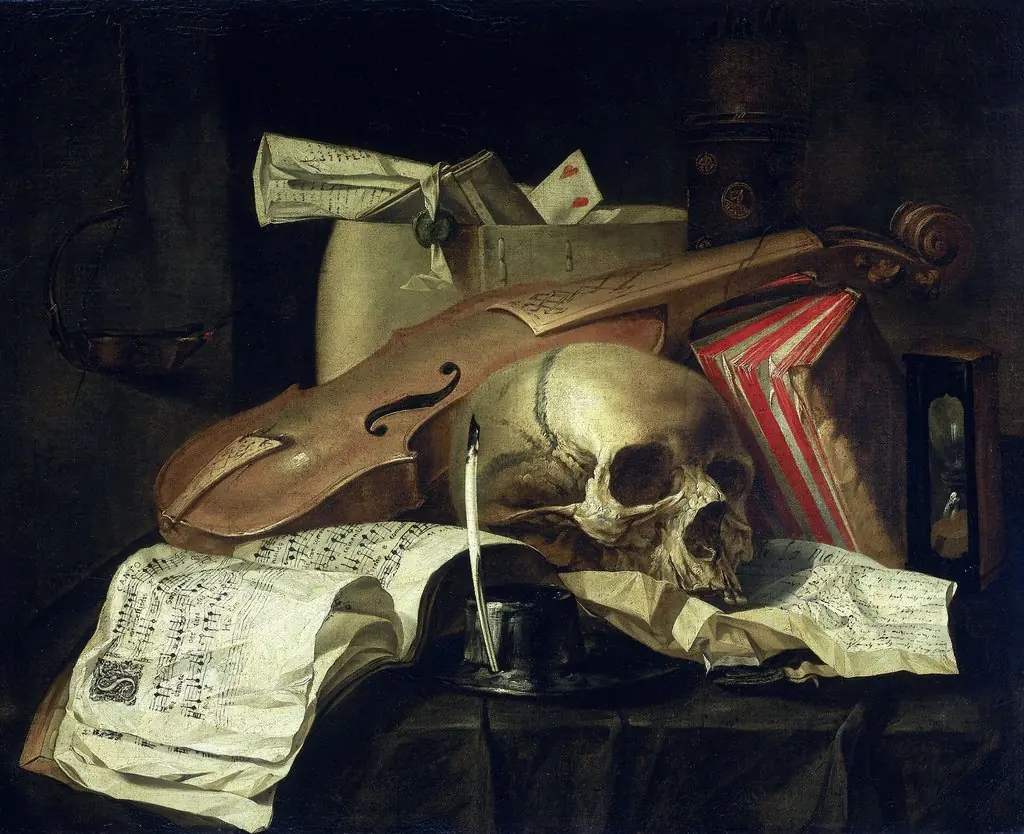
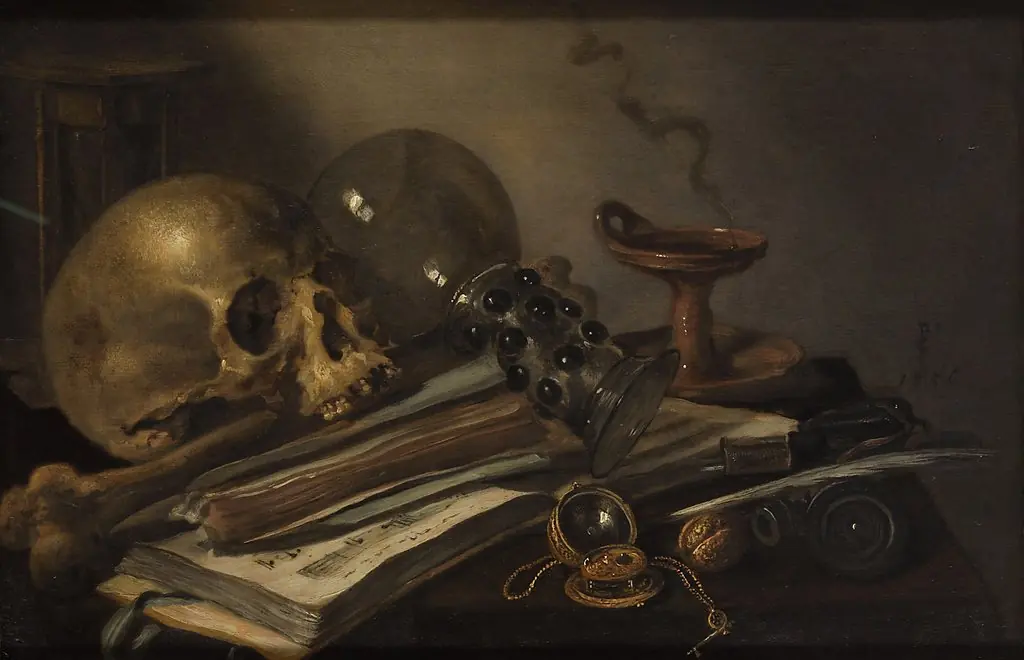
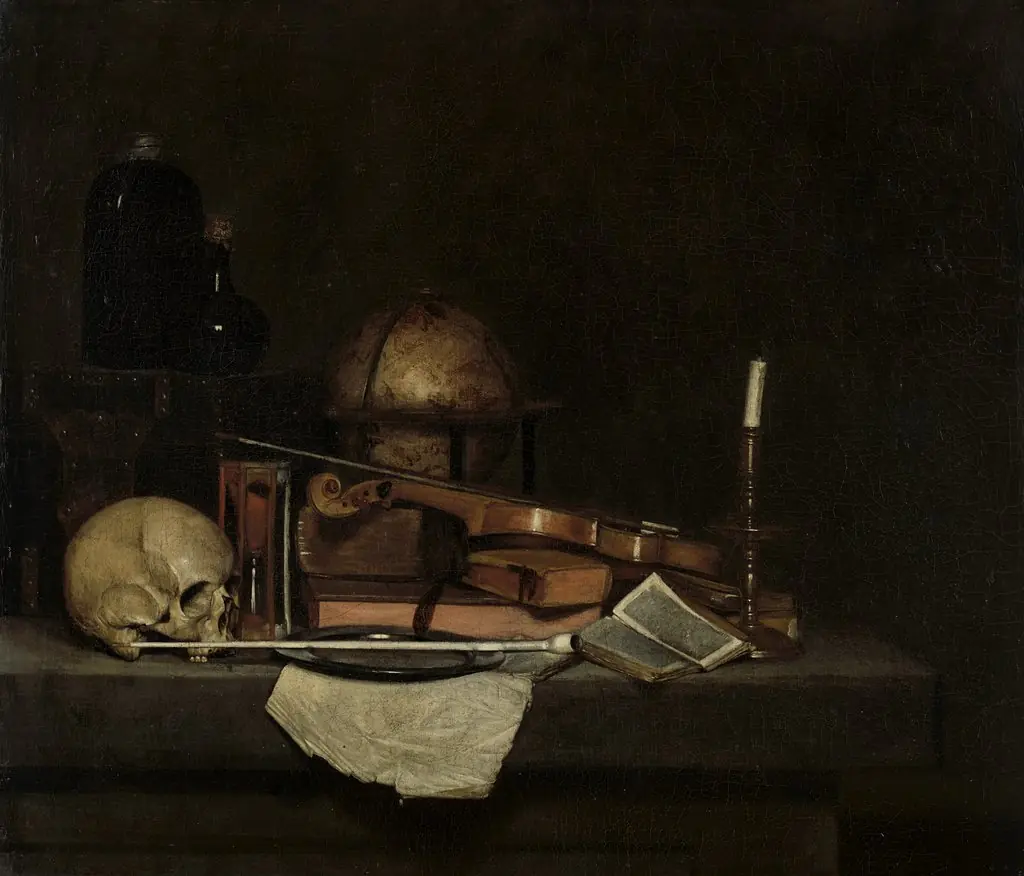
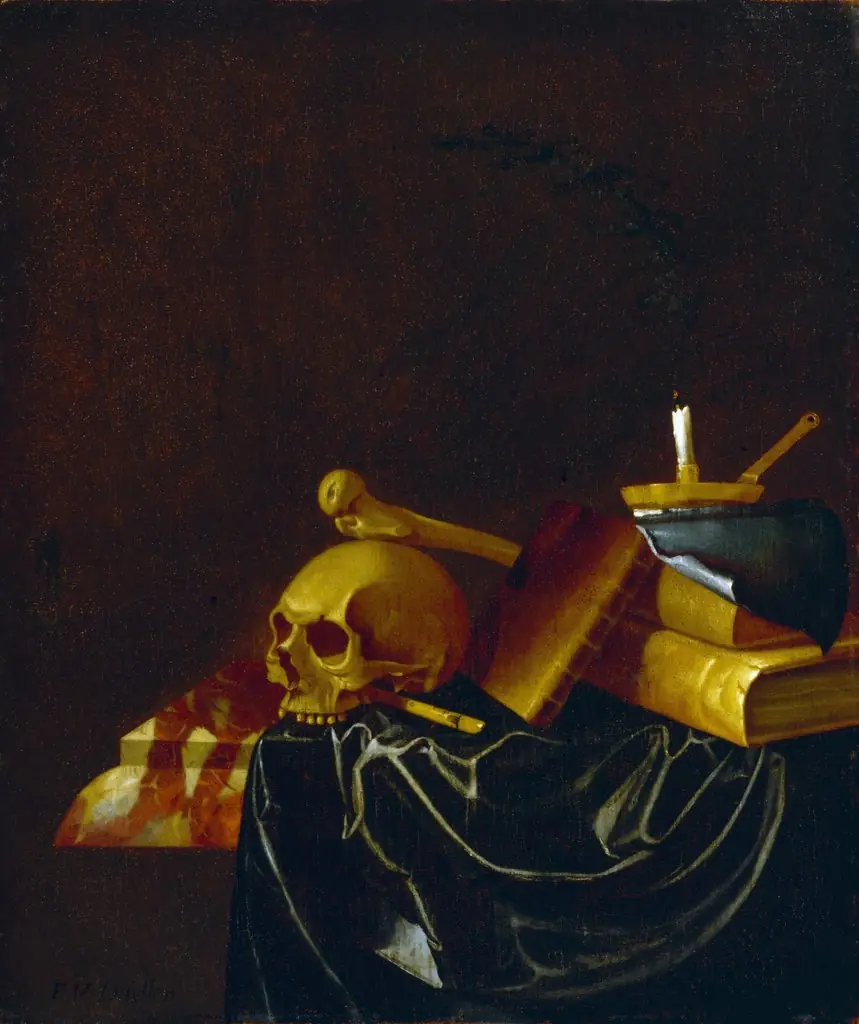
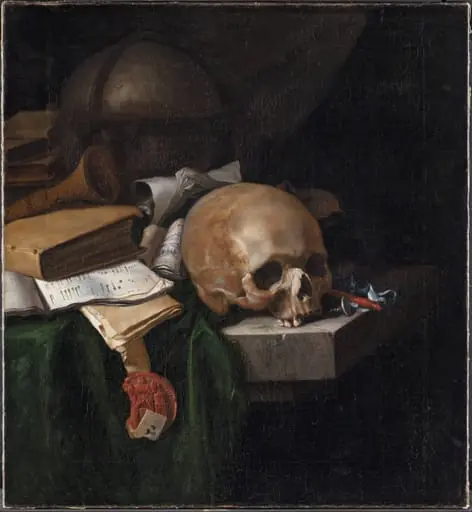
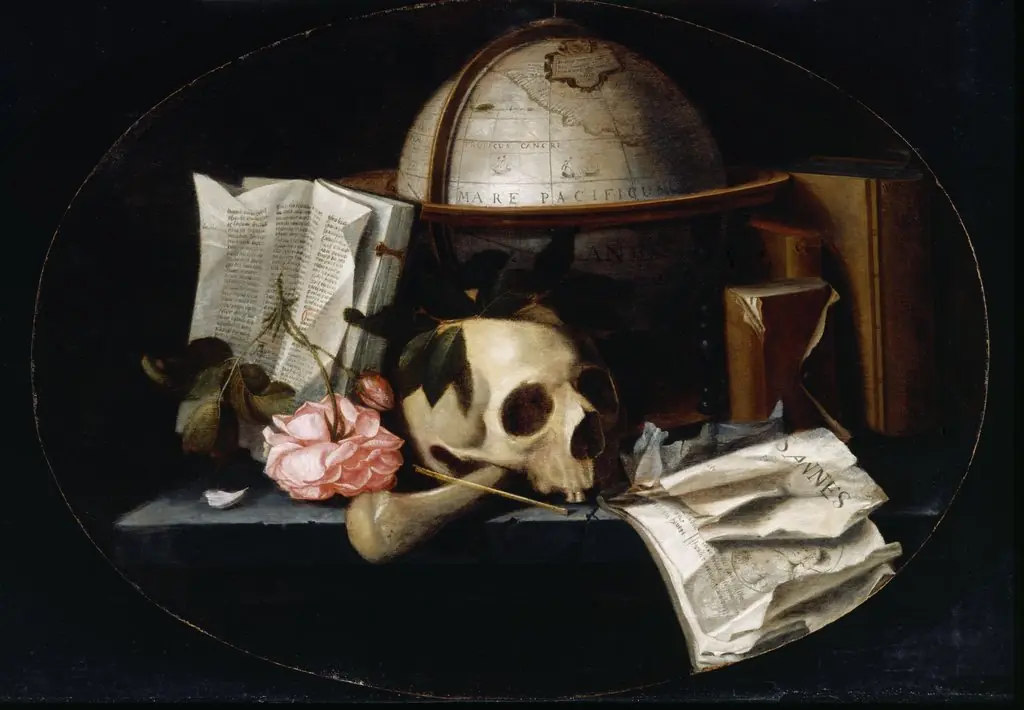
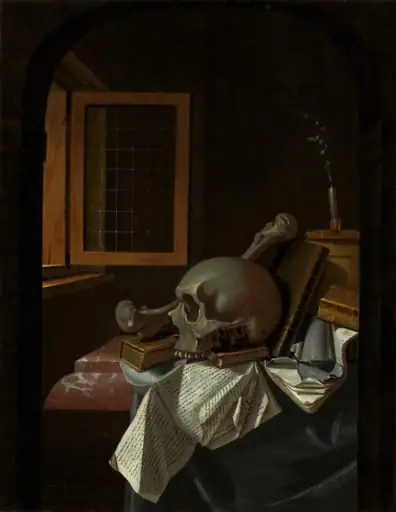
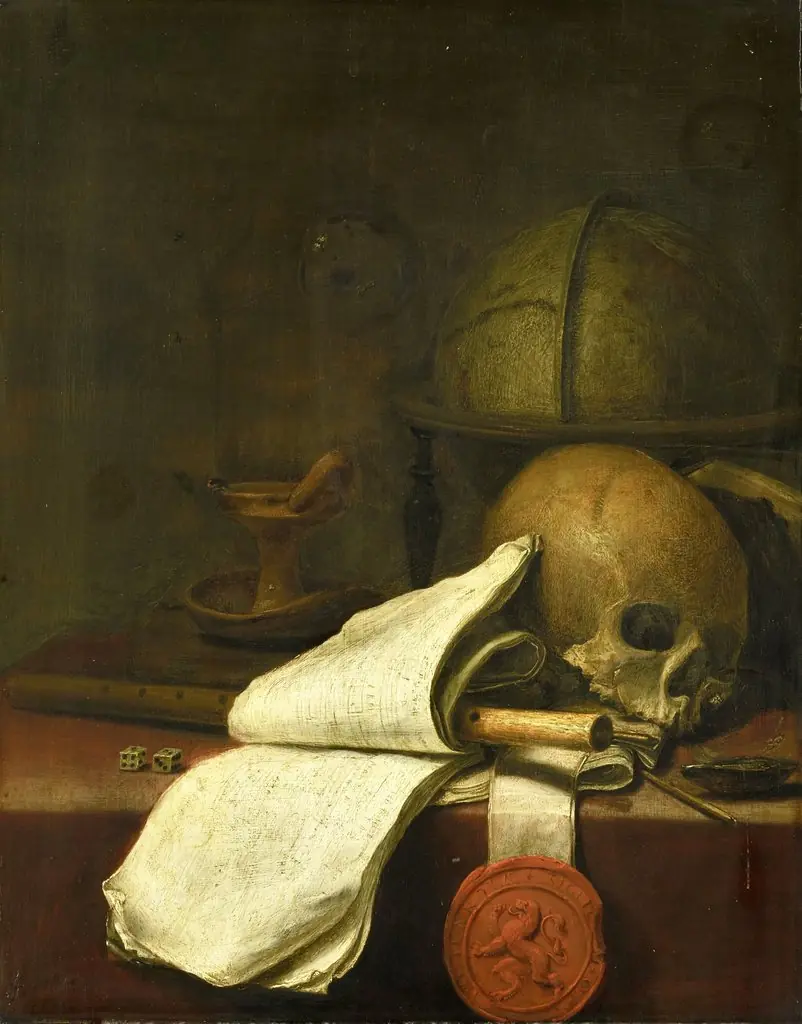
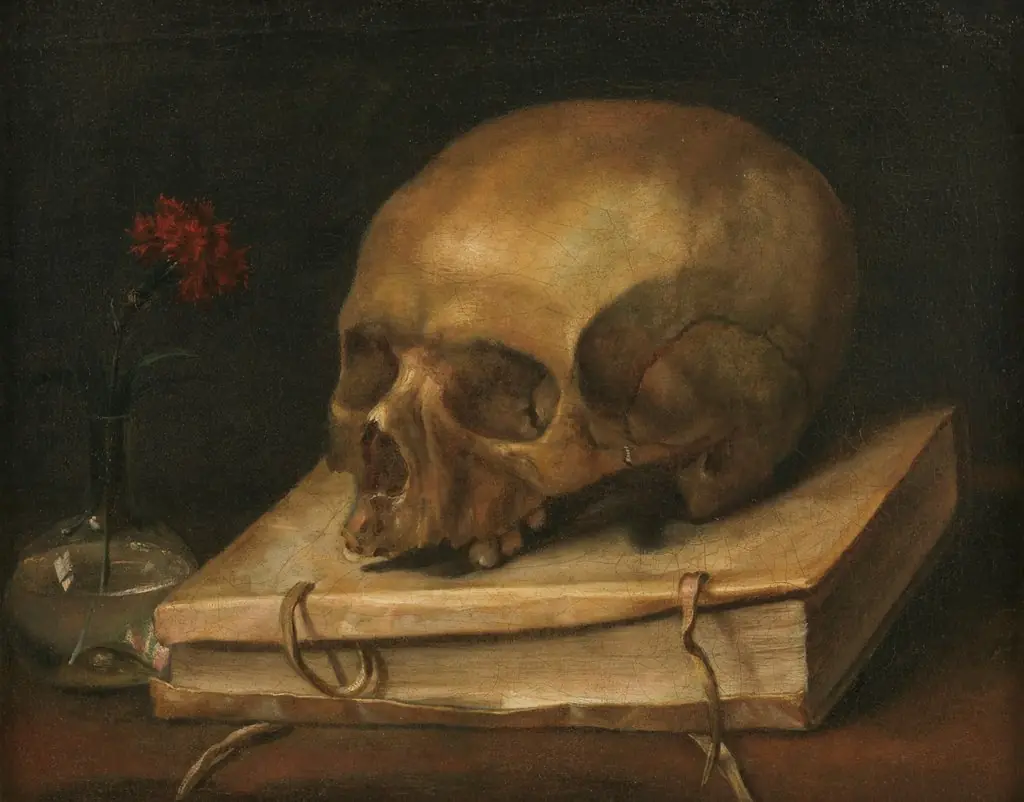
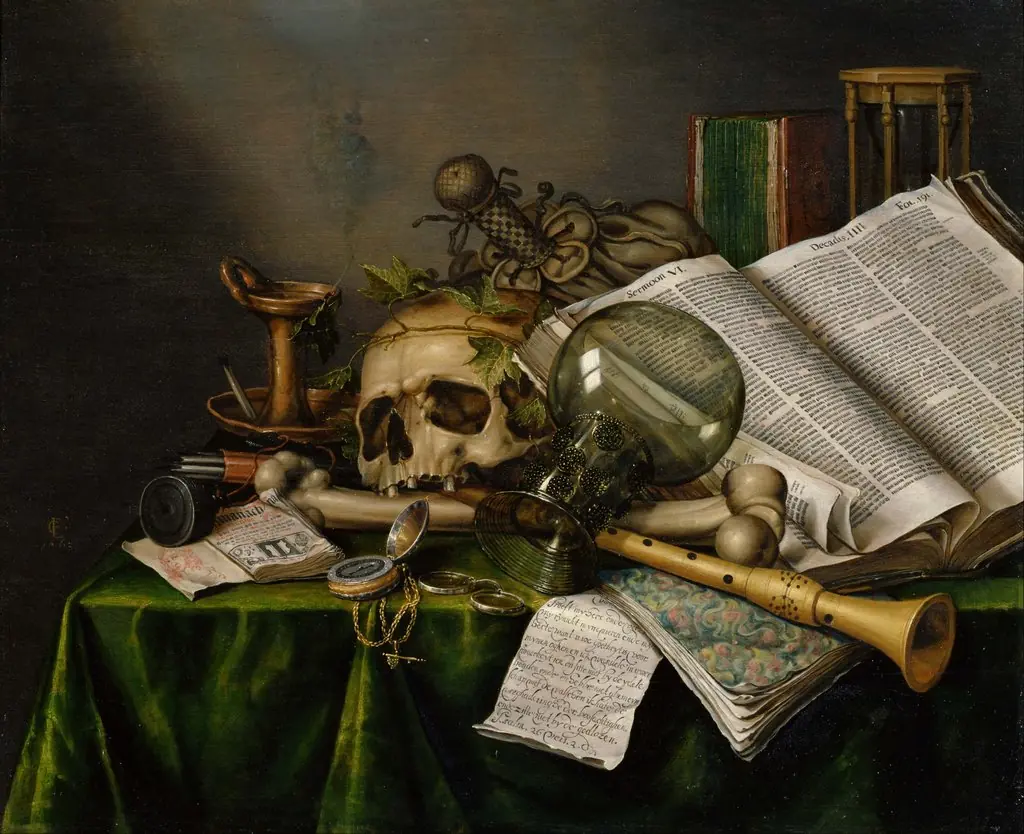
Painted in 1640 by Hendrick Andriessen, a Flemish artist active in Antwerp and possibly the Dutch Republic, this oil-on-canvas still life belongs to the vanitas tradition. It presents a quiet assembly of symbolic objects on a wooden surface, set against a deep, shadowed background. The work reflects the moral and philosophical concerns of its time, using ordinary items to evoke contemplation on mortality and the passage of time.
Subject & Meaning
The composition includes a skull crowned with leaves, a closed book, a pocket watch, a burning taper, and a sheet of inscribed paper. Each object carries symbolic weight: the skull signifies death, the watch measures time’s inevitability, the extinguished candle suggests life’s fragility, and the written note implies the impermanence of human knowledge. Together, they form a meditation on transience, a central theme in Dutch vanitas painting.
Technique & Style
Andriessen employs chiaroscuro to model forms with subtle gradations of light and shadow, giving the objects a tangible presence against the dark backdrop. The textures of the skull, paper, and clay pipe are rendered with quiet precision, avoiding overt drama. The palette is restrained, dominated by earth tones and muted highlights, reinforcing the somber tone. Brushwork is controlled, prioritizing clarity over flourish.
History & Provenance
Hendrick Andriessen, known colloquially as 'Mancken Heyn' or 'Limping Henry,' was active in the mid-17th century and associated with Antwerp’s artistic circles. This painting entered the collection of the Art Gallery of Ontario at an unspecified date, likely through acquisition or donation. Its documented history is limited, but its style aligns with other vanitas works produced in the Low Countries during the Dutch Golden Age.
Context
In the Dutch Republic and Flanders, vanitas paintings flourished as expressions of Calvinist values and humanist thought. They responded to a culture increasingly aware of scientific progress and religious introspection. Objects like pipes and lutes, often included in Andriessen’s other works, were not merely decorative but reminders of worldly pleasures that ultimately fade. This painting fits within a broader visual language of moral caution.
Legacy
Andriessen’s work, though less widely known than contemporaries like Pieter Claesz, contributes to the nuanced tradition of Dutch still life. His restrained compositions and symbolic clarity helped define the genre’s intellectual character. Today, this painting remains a quiet testament to the period’s preoccupation with mortality, preserved not for spectacle but for its enduring resonance in the study of early modern visual culture.
Artist & collection
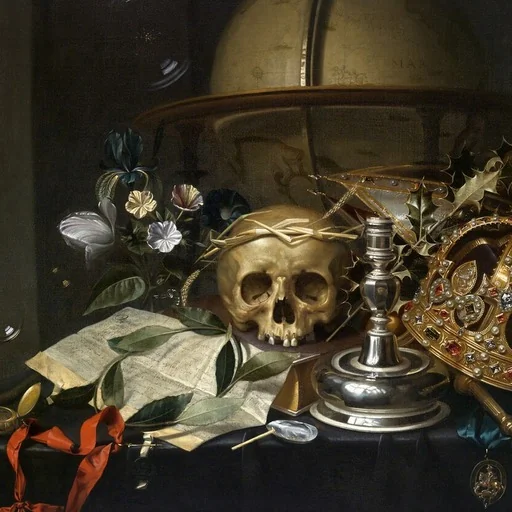
Artist
Hendrick Andriessen, known as Mancken Heyn ('Limping Henry') (Antwerp, 1607 – Antwerp or Zeeland, 1655) was a Flemish still-life painter.