Artwork
Flori
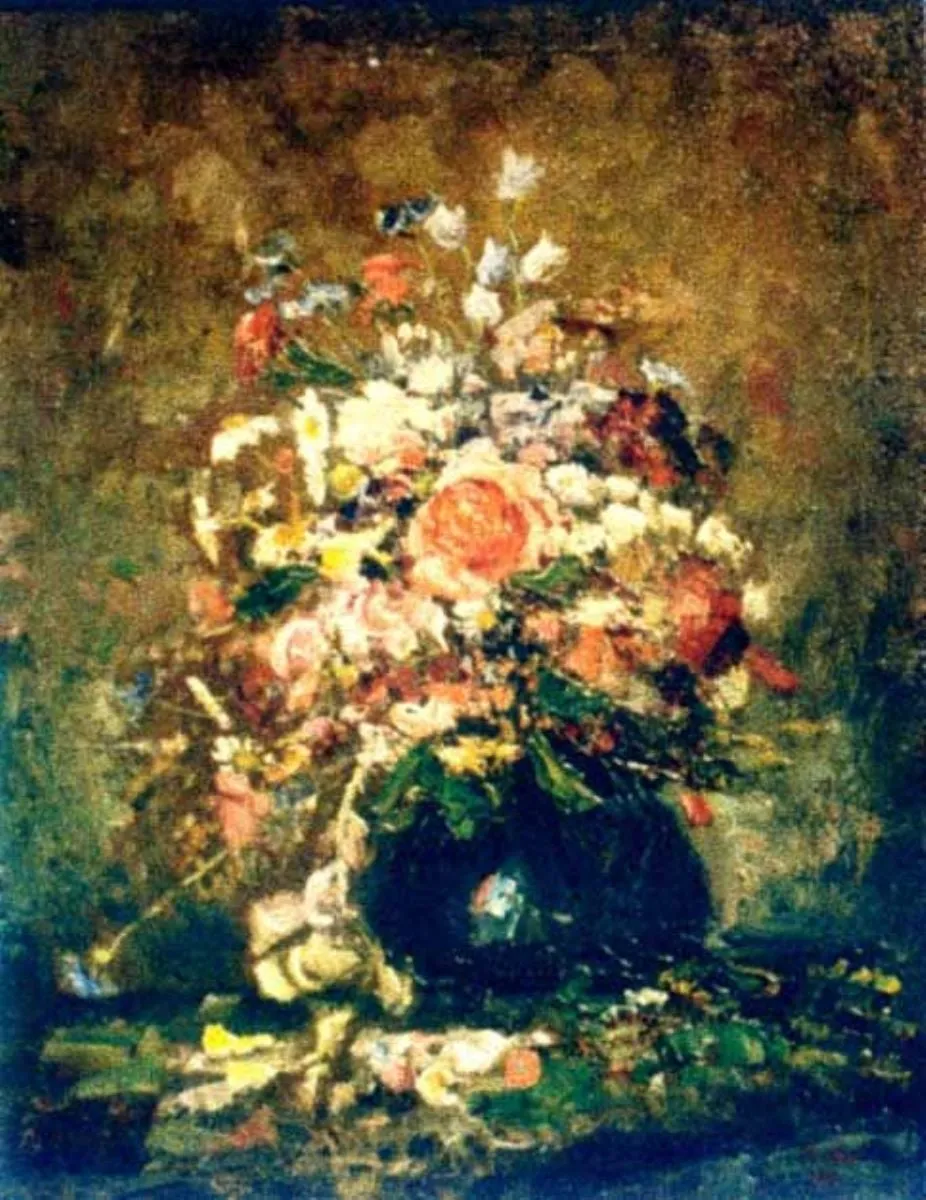
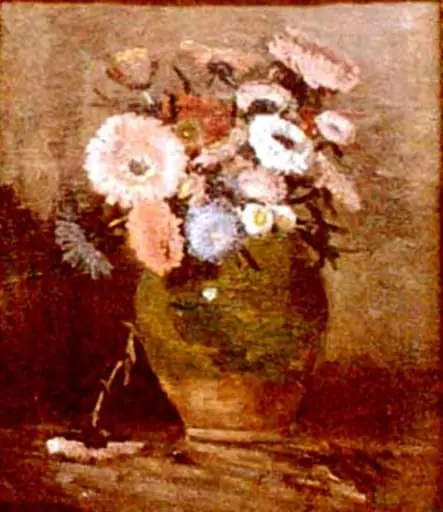
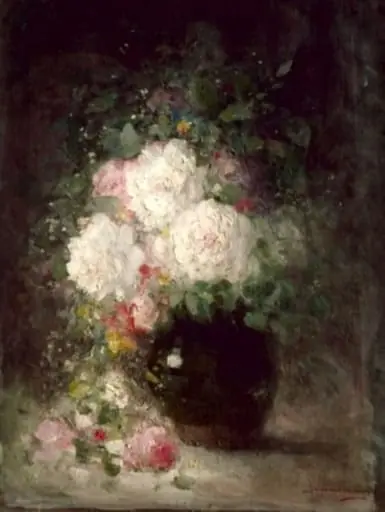
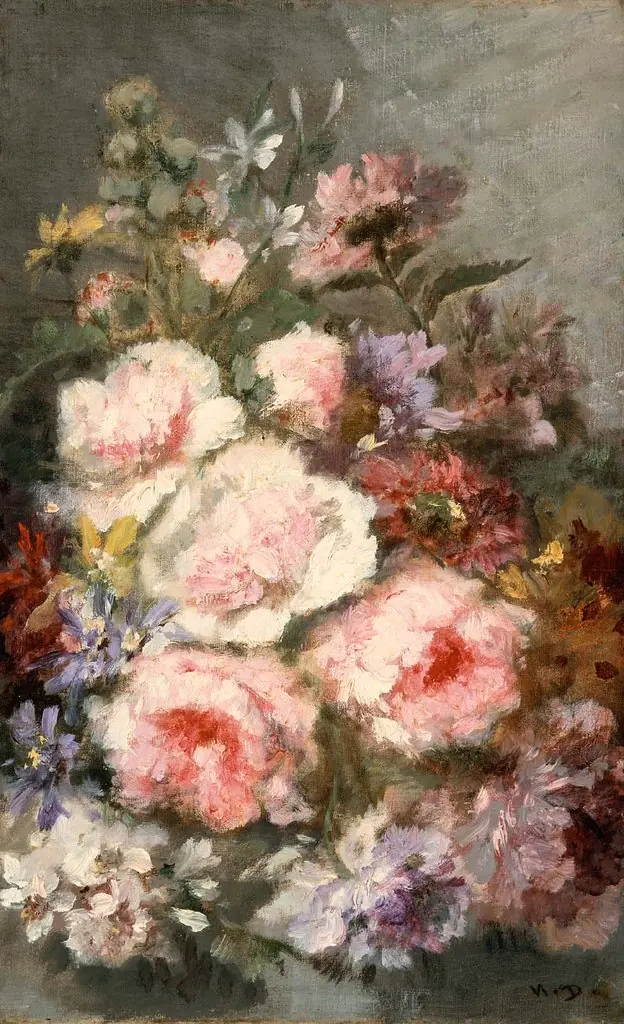
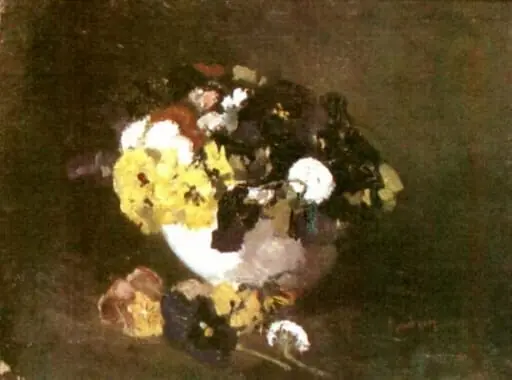
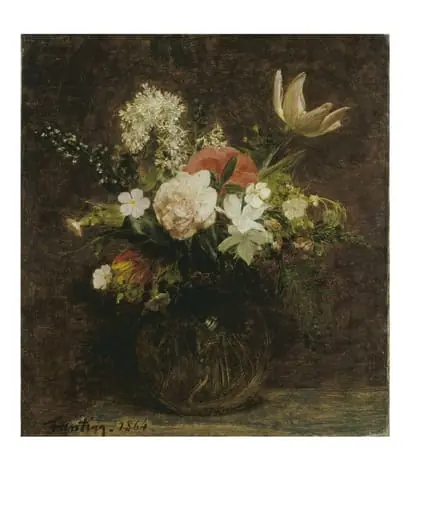
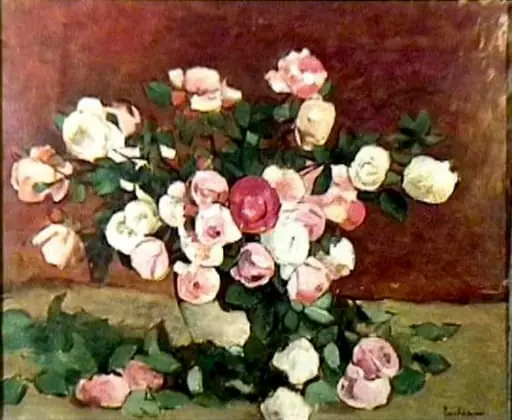
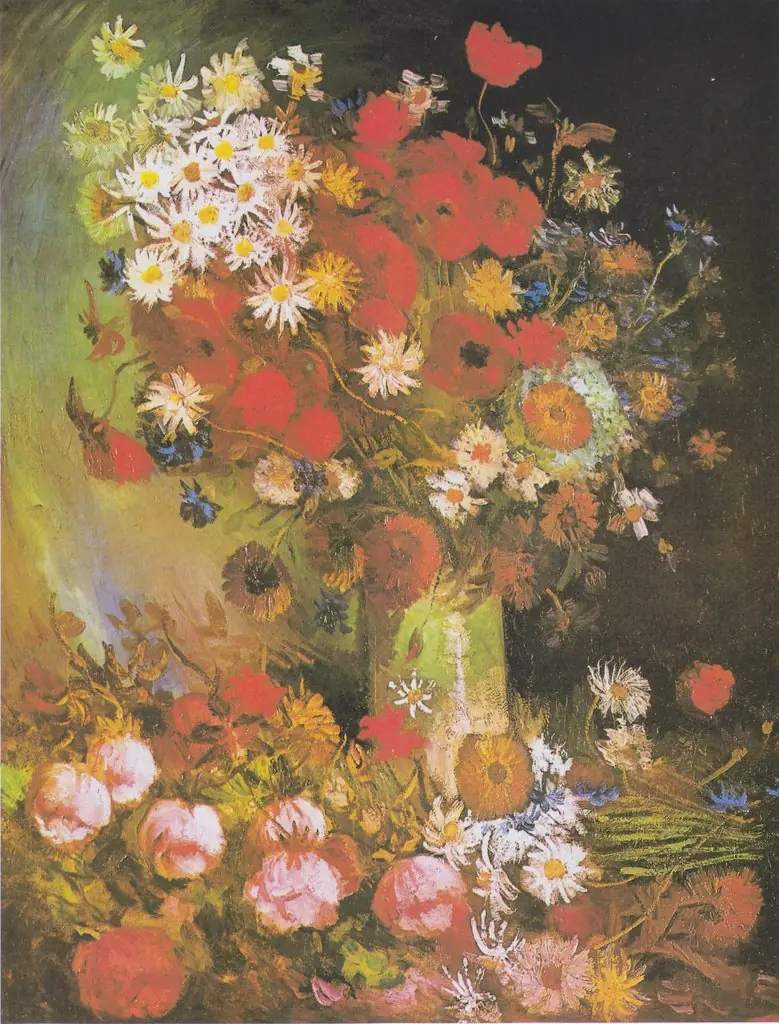
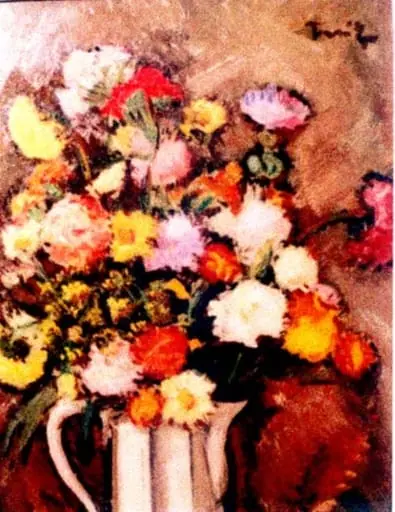
Flori is an unspecified painting by the Byzantine icon painting artist Sava Henția. It dates from 1884 and is held in the collection of the Art Museum of Constanta.
About this work
The flowers aren’t just decoration; they were likely gathered from the countryside, a quiet nod to rural life.
A woman in a white headscarf and embroidered blouse holds a bunch of wildflowers. The background is dark, almost black.
Henția painted this in 1884, when most Romanian artists were copying Western styles. Instead, he chose a local woman in traditional dress—something rarely seen in galleries then. The flowers aren’t just decoration; they were likely gathered from the countryside, a quiet nod to rural life. The way light falls on her face and hands feels deliberate, like he wanted to show her as real, not idealized.
Look up *impasto*—the thick, textured brushstrokes that make the flowers stand out.
Overview
Created in 1884 by the Romanian artist Sava Henția, *Flori* presents a solitary figure rendered against a nearly black backdrop. The painting is part of the Museum of Ethnography’s collection and reflects an engagement with Byzantine visual traditions while depicting a contemporary, rural subject.
Subject & Meaning
The central figure is a woman dressed in a white headscarf and an embroidered blouse, clutching a modest bunch of wildflowers. The choice of a local peasant woman, rather than an idealized or mythic figure, underscores a quiet celebration of everyday rural life and its natural surroundings.
Technique & Style
Henția employs a textured impasto technique, especially evident in the rendering of the flowers, which rise from the canvas with palpable relief. The handling of light on the woman’s face and hands is precise, lending a sense of three‑dimensional presence that contrasts with the flat, symbolic qualities typical of Byzantine iconography.
History & Provenance
Although Romanian artists of the late nineteenth century largely emulated Western academic styles, Henția’s decision to portray a traditional Romanian subject set this work apart. The painting entered the Museum of Ethnography’s holdings, where it remains a documented example of his oeuvre.
Context
*Flori* emerges at a moment when national identity was being negotiated through visual culture. By integrating Byzantine iconographic elements with a distinctly Romanian peasant motif, Henția contributes to a broader discourse on cultural heritage and the visual representation of the Romanian countryside.
Artist & collection
Artist
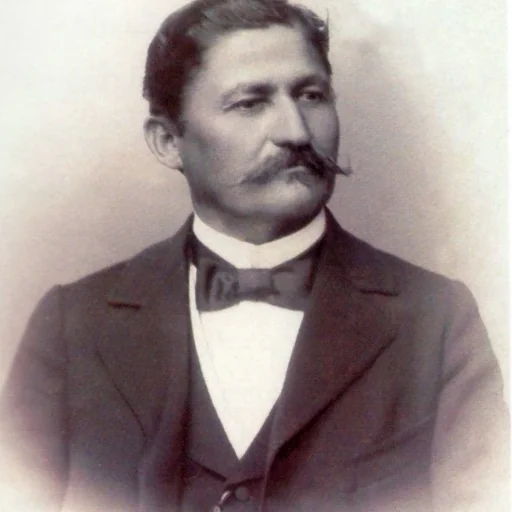
Sava Henția (1 February 1848, Sebeșel - 21 February 1904, Sebeșel) was an Imperial Austrian-born Romanian painter, decorator and illustrator.