Museum
Art museum of Craiova

Image: Wikimedia Commons.
Art museum of Craiova is a museum in Craiova, Romania.
About Art museum of Craiova
Overview & Identity
The Craiova Art Museum (Romanian: Muzeul de Artă din Craiova) is a leading cultural institution located in the city of Craiova, in the Oltenia region of Romania. Founded in 1954, it serves as the primary art museum for the city and is recognized as a significant tourist attraction. The museum is housed within the historic Constantin Mihail Palace, a building listed as a historic monument by Romania's Ministry of Culture. Its mission encompasses the preservation and exhibition of European and Romanian art spanning from the 15th to the 20th centuries, drawing from a rich foundation of private collections and state acquisitions.
History & Founding
The museum was established in 1954, initially inheriting art objects from the Alexandru and Aristia Aman Art Gallery. This foundational collection included works from Dutch, Flemish, Italian, and French schools dating back to the 17th century, alongside Romanian paintings by Theodor Aman. Over the years, the museum's fund was enriched through acquisitions by the municipality and donations from private collections owned by personalities such as Nicolae Romanescu, Cornetti, and Glogoveanu. The institution also incorporates the collection of European paintings amassed by Jean Mihail, the former owner of the palace.
Building & Architecture
The museum is housed in the Constantin Mihail Palace, also known as the Jean Mihail Palace, built between 1898 and 1907 according to the plans of French architect Paul Gottereau. The structure is an example of French academicism with elements of late Baroque. The interior is renowned for its exclusive decoration, featuring Carrara marble stairs, Ionian-style columns, Murano glass chandeliers, walls upholstered in Lyon silk, and Venetian mirrors. The palace was the residence of Constantin Dinu Mihail, a wealthy landowner and politician, and has hosted notable figures including King Carol I, President Ignacy Mościcki, and Josip Broz Tito.
Collection Highlights
The permanent exhibition is divided into three main sections: European art, Romanian art, and a dedicated gallery for Constantin Brâncuși. The European collection features works from Dutch, Flemish, Italian, and French schools. The Romanian art section includes icons and paintings by masters such as Constantin Lecca, Nicolae Grigorescu, Ștefan Luchian, Nicolae Tonitza, Iosif Iser, Gheorghe Petrașcu, Theodor Pallady, and Corneliu Baba. The museum's most significant attraction is the Brâncuși gallery, which exhibits six of his early sculptures, including variants of 'Vitellius' (1898), 'Miss Pogany' (1902), 'The Vainglory' (1905), 'Boy's Head' (1906), 'The Kiss' (1907), and 'Woman Torso' (1909).
Significance & Legacy
As the main art museum in Craiova, the institution plays a crucial role in preserving the cultural heritage of the Oltenia region. The palace itself is a historic monument of national interest, reflecting the architectural grandeur of the late 19th century. The museum's unique holding of early Brâncuși sculptures provides a rare opportunity to study the formative years of one of the most influential sculptors of the 20th century. By integrating the Aman collection, the Mihail family's private holdings, and subsequent donations, the museum offers a comprehensive narrative of artistic development from the 17th century to the modern era.
What to see at Art museum of Craiova
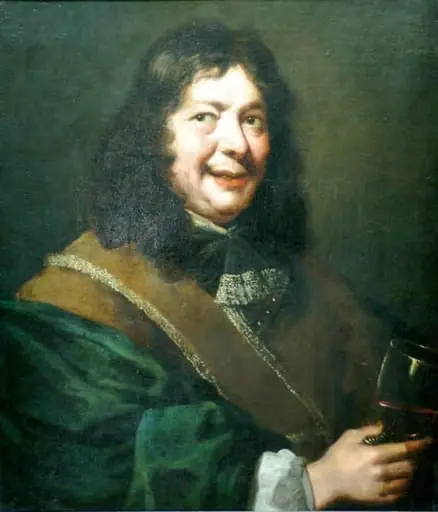
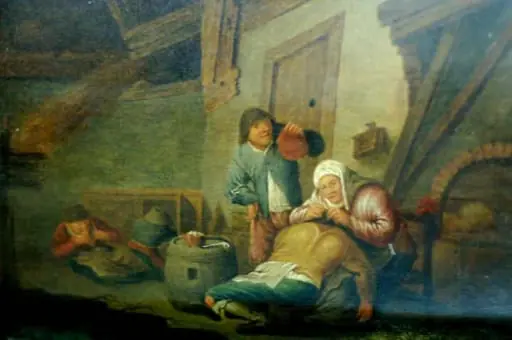
Start with Bărbat cu pocal - Borgraful din Utrecht by Ary de Vois.
What's on
- Alte timpuri, aceleași încăperi Din saga Palatului Mihail30 May 2026 – 5 Jul 2026
- Blendea O ISTORIE VIZUALĂ4 Jun 2026 – 1 Oct 2026