Museum
Cotroceni National Museum
Cotroceni National Museum is a museum.
About Cotroceni National Museum
Overview & Identity
The Cotroceni National Museum is a prominent cultural institution located in Bucharest, Romania, operating within the historic Cotroceni Palace. Established as a public museum in 1991, it serves as a repository for Romania's royal heritage, religious art, and decorative arts. The museum occupies the old wing of the palace ensemble, which also functions as the official residence of the President of Romania. It is recognized as a historical monument that uniquely fuses late 19th-century Romanian architecture with the medieval remnants of the 17th-century monastery founded by Prince Șerban Cantacuzino.
History & Founding
The site's history spans over three centuries, beginning with the construction of a monastery by Prince Șerban Cantacuzino between 1679 and 1682. In 1862, Prince Alexandru Ioan Cuza converted the monastic buildings for use by the ruling house. The complex was transformed into a royal palace under King Carol I between 1893 and 1895. Following the forced abdication of King Michael I in 1947, the palace was nationalized and repurposed as a 'Pioneers' Palace' for children's activities during the communist era. After the 1989 Revolution, the Government Decision no. 478 of July 10, 1991, stipulated the museum's creation. It was formally inaugurated and opened to the public on December 27, 1991, marking a cultural restitution of the site's pre-communist history.
Building & Architecture
The architectural ensemble represents a layered history of styles. The original 17th-century monastery was built in the Brâncovenesc style, a synthesis of local, Byzantine, and Western elements. The current palace structure, commissioned by King Carol I, was designed by French architect Paul Gottereau in a Venetian classical manner with Art Nouveau elements. Subsequent expansions under King Ferdinand I and Queen Marie involved architects Karel Liman and Grigore Cerchez, who introduced Neo-Romanian and German Neorenaissance styles. Notable architectural features include the Hall of Honour with its Italian marble staircase, the German Living Room, and the Hunting Room. The complex comprises approximately 150 rooms across five connected bodies, set within a park on Cotroceni Hill.
Collection Highlights & Notable Holdings
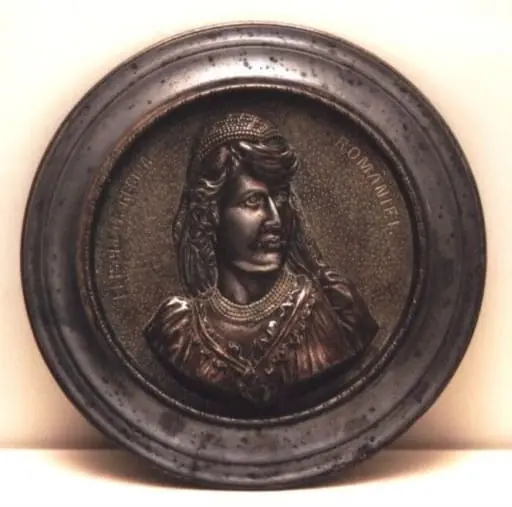
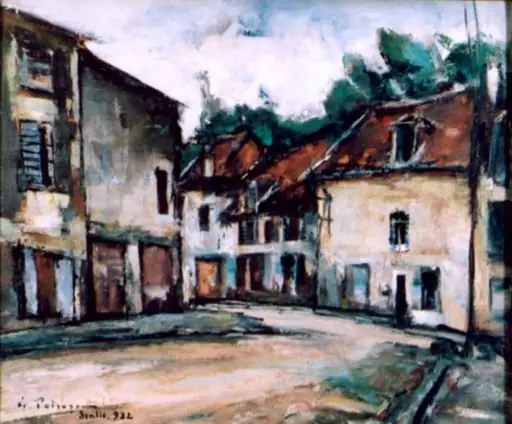
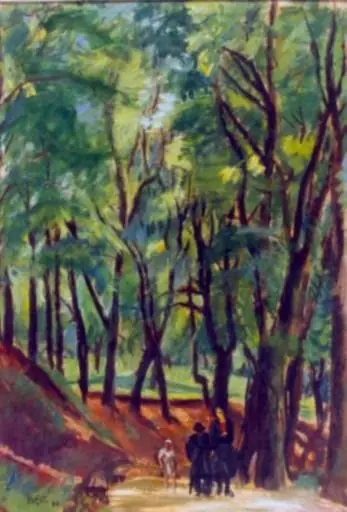
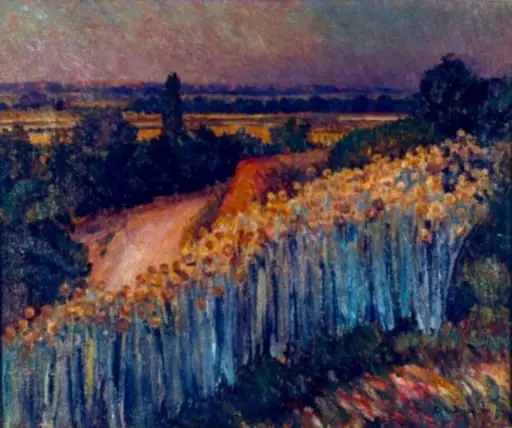
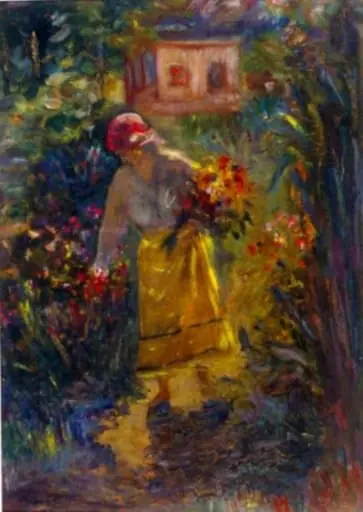
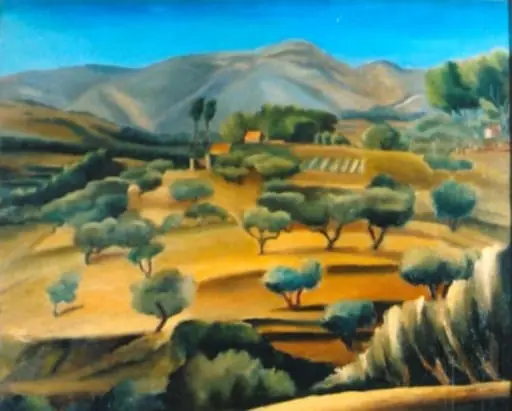
The museum's collection comprises approximately 20,000 objects, continuously enriched through transfers from other institutions and private donations. The holdings are divided into domains including plastic arts, decorative arts, numismatics, and archaeology. The plastic arts section features Romanian and international paintings, graphic arts, and religious art, particularly 18th-19th century wood-painted icons. The decorative arts collection includes valuable furniture in Empire and Louis XV/XVI styles, ceramics from renowned workshops, glass, and textiles. Significant holdings include Queen Marie's extensive art collection, King Ferdinand's personal trophies in the Hunting Room, and the original elm wood panelling of the library. The museum also houses works by artists from the Artistic Youth society, such as Leon Al. Biju.
Significance & Legacy
The Cotroceni National Museum holds significant cultural value as the only Romanian official residence continuously inhabited since the late 17th century. Its establishment in 1991 was a conscious step to democratize access to national heritage and re-establish a connection with Romania's monarchical past, which had been suppressed for decades. The museum preserves the memory of key historical figures, including King Carol I, King Ferdinand, and Queen Marie, whose artistic visions shaped the palace's interior. It serves as a venue for cultural events, concerts, and exhibitions, bridging the gap between Romania's royal history and its contemporary identity. The site also includes the Cotroceni Church, which was reintegrated into the museum complex in 2009 after being demolished in 1984.
What to see at Cotroceni National Museum
Start with Regina Elisabeta by 1850.