Artwork
Peisaj
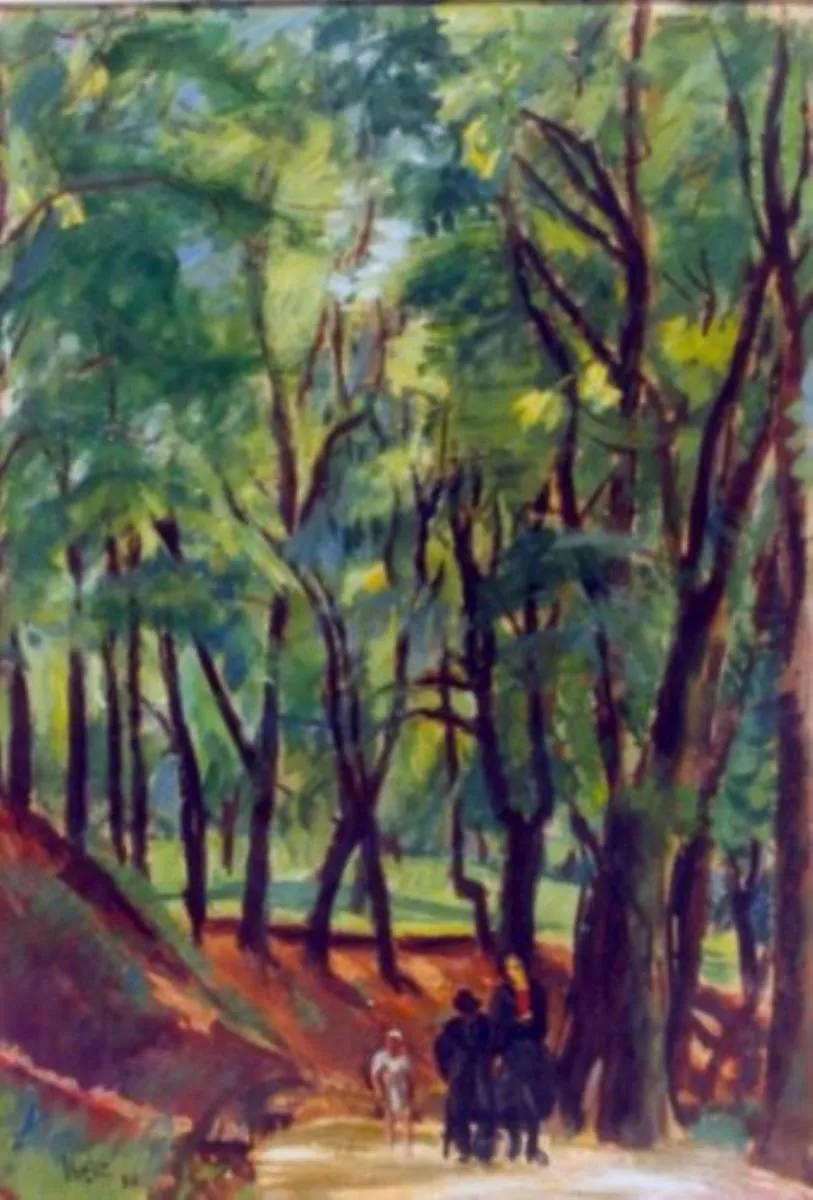
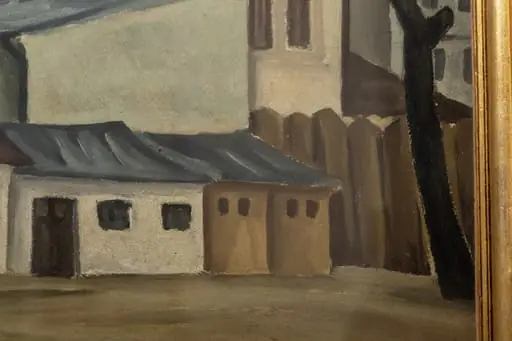
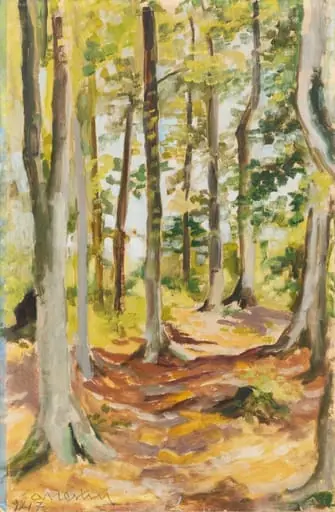
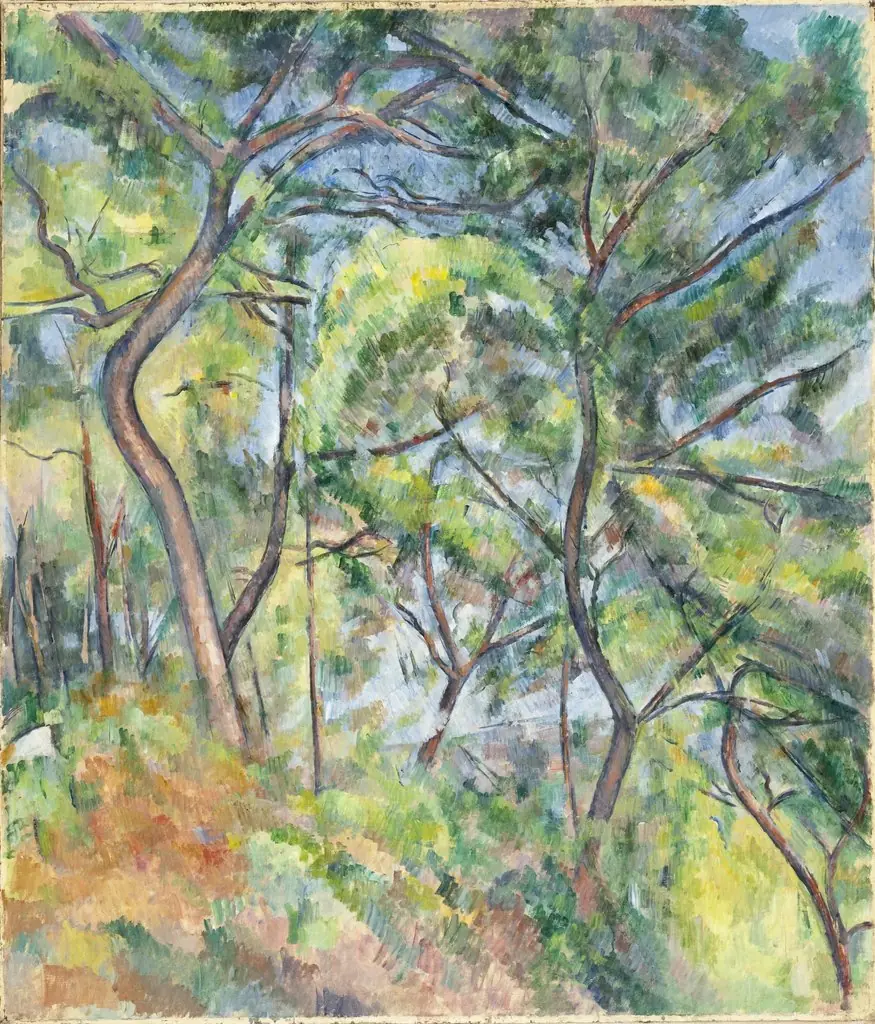
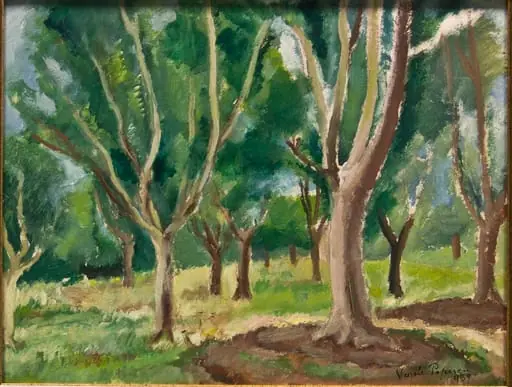
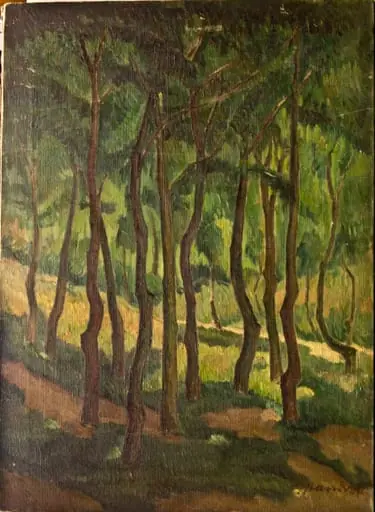
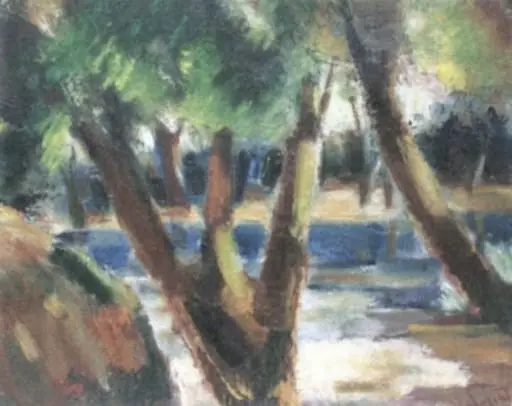
Peisaj is an unspecified painting by the Romanesque artist Iosif Iser. It dates from 1935 and is held in the collection of the Cotroceni National Museum.
About this work
Overview
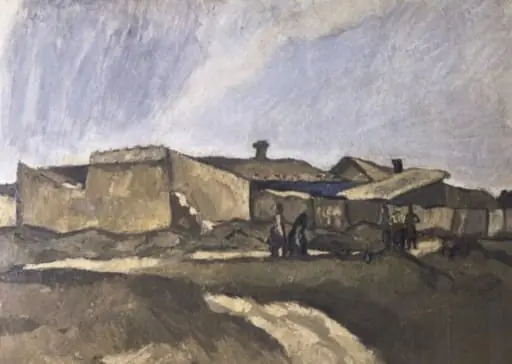
Peisaj, executed in 1935 by Romanian painter Iosif Iser, is a modestly scaled landscape that resides in the collection of the Museum of Ethnography. The composition presents a tranquil rural setting, dominated by a low horizon and a cluster of structures that recede into the distance, conveying a sense of stillness and timelessness.
Subject & Meaning
The central focus of the work is a small school building, positioned among other modest dwellings. By foregrounding the school, Iser emphasizes the role of education within everyday village life, suggesting a quiet dignity in ordinary routines and the communal importance of learning spaces.
Technique & Style
Iser employs a softened modeling of forms reminiscent of the sfumato technique, allowing edges to dissolve into one another and creating a gentle atmospheric haze. This approach softens the delineation of architectural elements and landscape features, reinforcing the painting’s calm, contemplative mood.
History & Provenance
Created during the interwar period, Peisaj reflects Iser’s interest in Romanian rural scenes at a time of cultural consolidation. The painting entered the Museum of Ethnography’s holdings shortly after its completion, where it has remained part of the institution’s permanent display of early twentieth‑century visual documentation of everyday life.
Artist & collection