Art Museum
Führermuseum
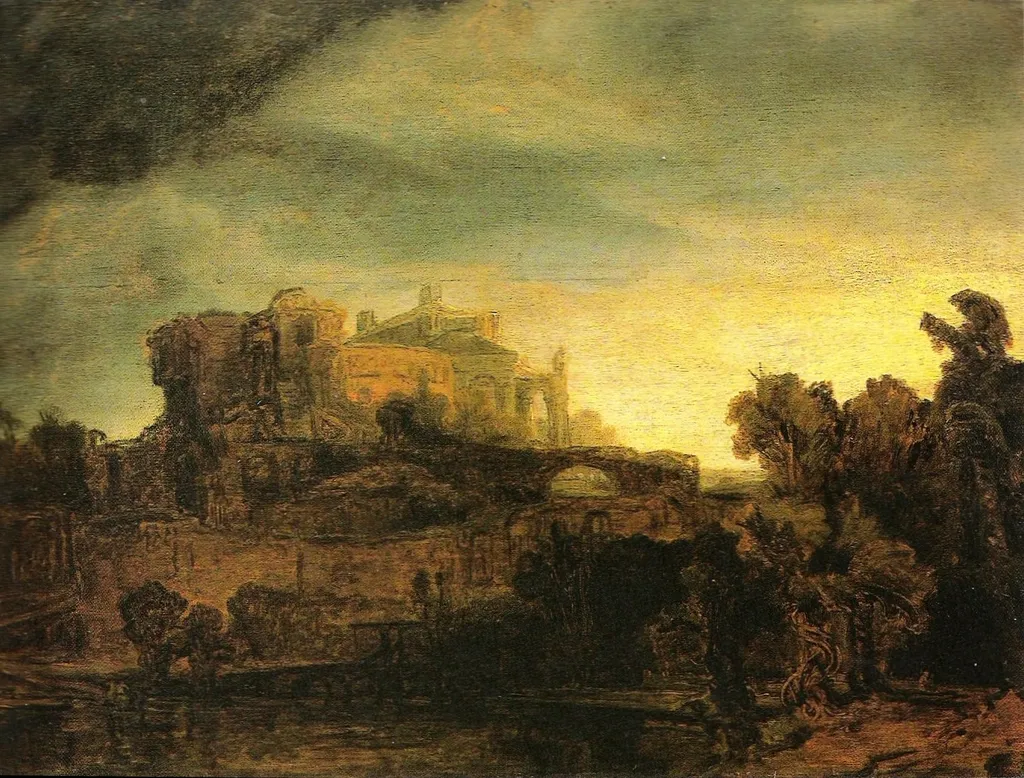
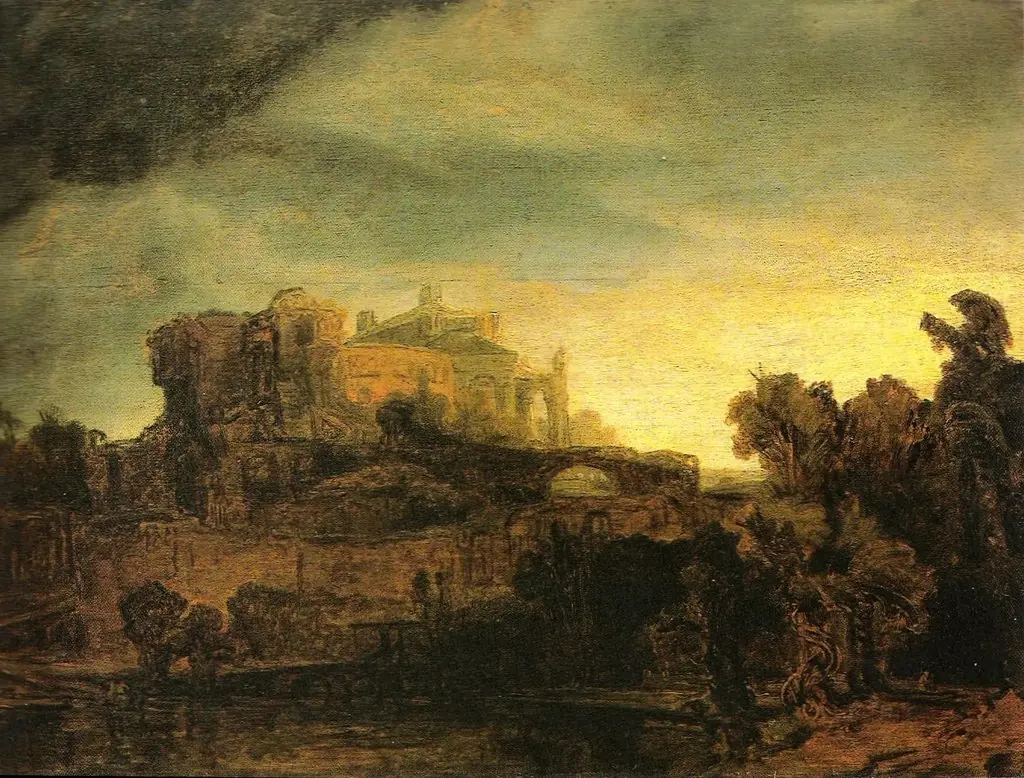
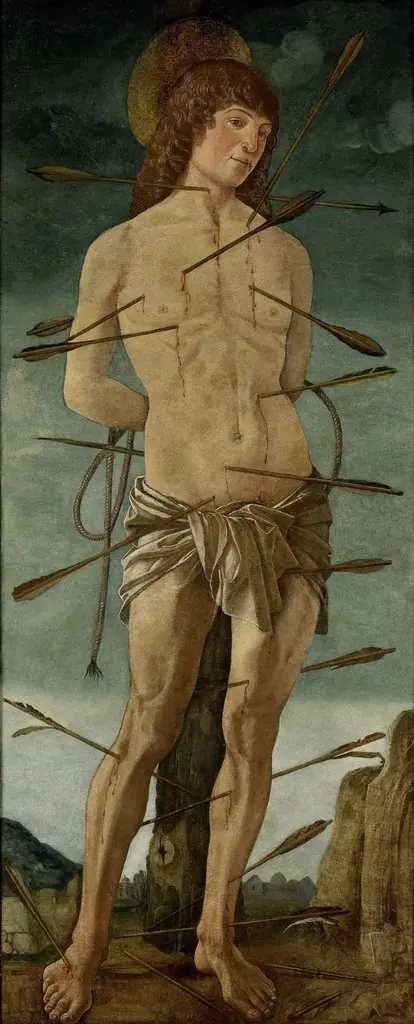
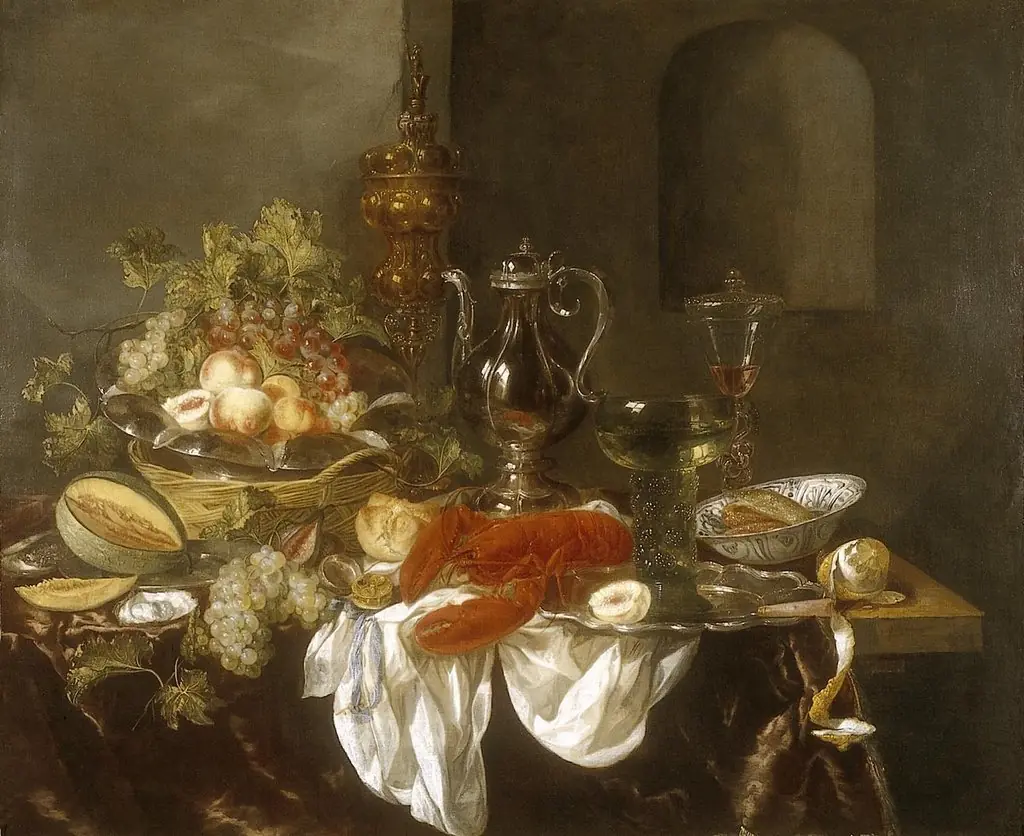
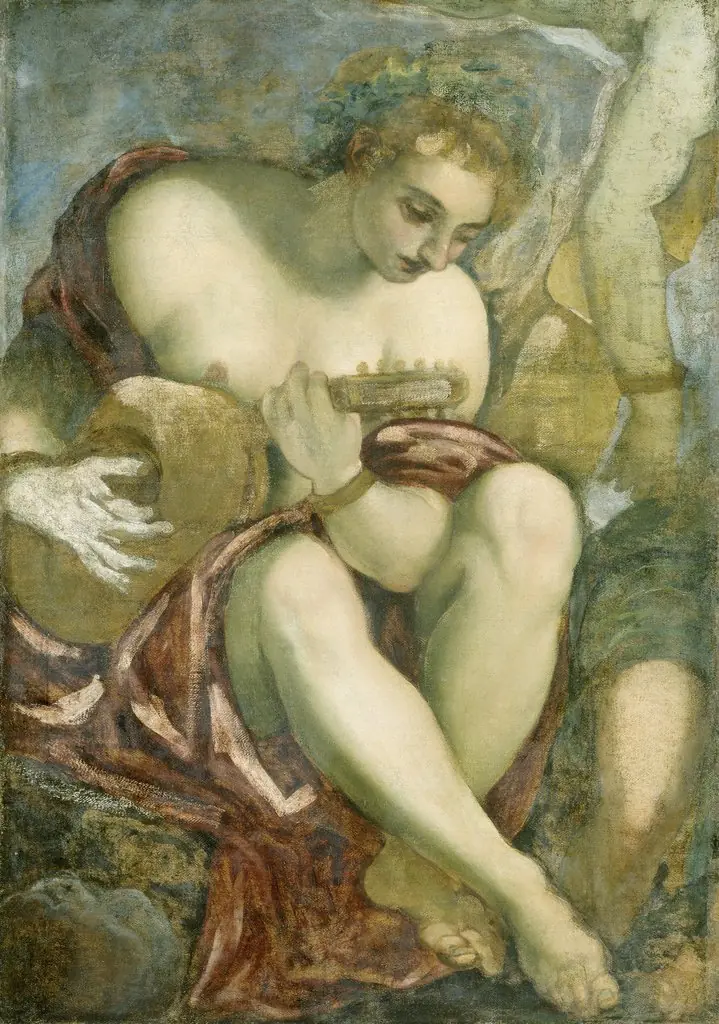
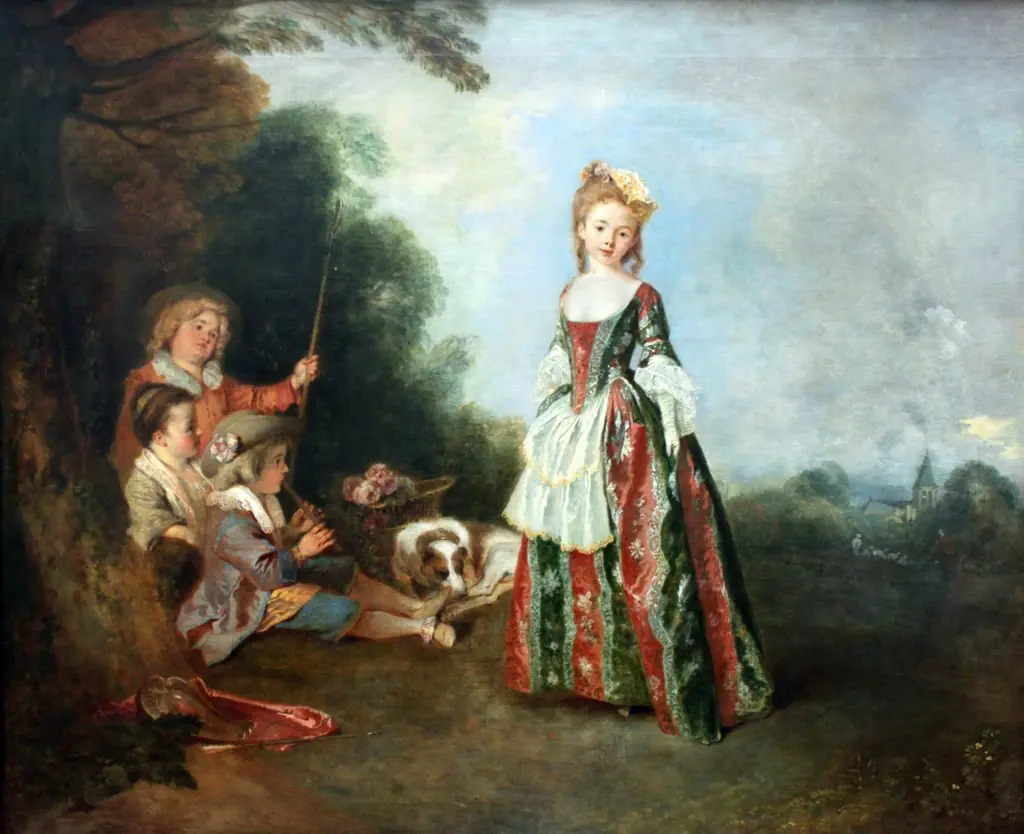
Führermuseum is an art museum in Linz, German Reich. 5 works from its collection are in this catalog, including Jacopo Tintoretto and Rembrandt.
About Führermuseum
Overview & Identity
The Führermuseum was a planned art museum intended to be the centerpiece of a massive cultural complex in Linz, Austria, conceived by Adolf Hitler. It was designed to house a collection of art amassed by the Nazi regime, specifically curated to reflect Hitler's aesthetic preferences and to serve as a symbol of the 'German National Gallery' he envisioned. The project, often referred to as the 'Sonderauftrag Linz' (Special Commission Linz), was never completed due to the outbreak and progression of World War II, and the museum itself never opened to the public. The entity is historically significant not for its existence as a functioning institution, but for its role as a focal point for the systematic looting of art across occupied Europe and Hitler's grandiose urban planning fantasies.
History & Founding
The concept for the museum originated as early as 1925 with Hitler's idea of a 'German National Gallery' in Berlin, but the focus shifted to Linz, his hometown, following the Anschluss in 1938. On June 21, 1939, Hitler formally commissioned Dr. Hans Posse, the Director of the Dresden Gallery, to build the new art museum for Linz. Posse was tasked with selecting works from state collections, acquiring pieces from the art market, and integrating confiscated art. After Posse's death in December 1942, he was succeeded by Hermann Voss, the Director of the Gemäldegalerie in Dresden. The project was part of a broader plan to transform Linz into a 'European Culture Center' and the future seat of the new German Reich, a vision Hitler discussed frequently with his secretaries and adjutants.
Collection & Acquisition
The collection for the Führermuseum was accumulated through a combination of state transfers, purchases, and systematic looting. By 1945, the 'Sonderauftrag Linz' database contained approximately 4,700 works. Of these, 567 were documented as confiscated Jewish property from Germany, Austria, France, Czechoslovakia, Poland, and Russia, while another 1,000 paintings originated from forced sales or were handed over by Nazi agencies. The remaining 3,200 objects were acquired through the art trade or private purchases, many of which also stemmed from assets unjustly seized or sold under duress by fleeing Jewish citizens. Hans Posse utilized a network of art dealers, including the primary dealer Karl Haberstock, to acquire works in the Netherlands and other occupied territories, often using Reich currency to bypass foreign exchange restrictions.
Architecture & Fate
The museum was to be part of a monumental cultural district in Linz designed by architect Hermann Giesler, based on Hitler's own rough designs and ideas. The complex was intended to include a theater, concert hall, library, opera house, and the museum itself, surrounded by huge boulevards and a parade ground. Hitler became obsessed with a scale model of the complex, viewing it daily in the bunker during the war's final days. The project was never realized; the expected completion date of 1950 was missed as the war ended. In May 1945, the American forces discovered the art depot containing the collection. The responsibility for the restitution of these works was transferred to German authorities in 1949, a process that remains incomplete to this day.