Art Museum
Lima Art Museum

Image: Wikimedia Commons.
Lima Art Museum is an art museum in Lima, Peru.
About Lima Art Museum
Overview
The Lima Art Museum, known locally as Museo de Arte de Lima (MALI), is a prominent private art institution located in Lima, Peru. Established in 1961, the museum is dedicated to surveying almost 3,000 years of Peruvian art history, ranging from pre-Columbian civilizations to contemporary expressions. Its collection encompasses a diverse array of media, including ceramics, textiles, sculptures, and paintings. As a private organization, MALI relies on admission fees, member contributions, and private donations to support its operations and active program of temporary exhibitions featuring both local and international artists.
History & Founding
The museum was inaugurated in 1961, marking the beginning of a dedicated institutional space for Peruvian art in the capital. Since its founding, MALI has evolved into a central hub for the development of new research on Peruvian art history. It houses one of the most extensive art archives in the region, supporting scholarly inquiry and preservation efforts. The institution has maintained an active calendar of temporary exhibitions throughout its history, showcasing works by notable figures such as Gordon Matta-Clark, Gerhard Richter, and Martín Chambi, thereby bridging local heritage with global contemporary dialogues.
Building & Architecture
MALI is housed within the Palacio de la Exposición, a historic structure originally built for the 1872 World's Fair. The building is situated in the Exposition Park at the entrance of Lima's historic center. The architectural design features an Italianate façade created by Antonio Leonardi, an Italian architect residing in Lima at the time. Notably, the building's internal structure utilizes a cast-iron system designed by the atelier of Gustave Eiffel between 1870 and 1871. The surrounding park was also designed by Leonardi and journalist Manuel Atanasio Fuentes on the former site of the Guadalupe Gate, a city wall gate demolished during the modernization campaigns of President José Balta in 1868.
Collection Highlights
The museum's permanent collection spans nearly three millennia of artistic production. Significant holdings include works by Teófilo Castillo, such as 'Funeral of Saint Rose,' and Federico del Campo, known for his 'View of the Grand Canal of Venice.' The collection is vast, covering pre-Columbian artifacts to modern and contemporary pieces. While the museum opened renovated galleries on the second floor of the Exhibition Palace in 2015 to showcase key items, its contemporary art collection, numbering more than 1,000 works, remains largely in storage pending the development of a new wing to accommodate these extensive holdings.
Significance & Research
Beyond its exhibition spaces, the Lima Art Museum plays a critical role in the preservation and documentation of Peruvian cultural heritage. It operates ARCHI, the Digital Archive of Peruvian Art, a platform dedicated to documenting and sharing a comprehensive range of art expressions, material culture, and architecture of Peru. This initiative contributes to the preservation and accessibility of national heritage, providing free educational resources to complement school teaching and learning processes. The museum's extensive archives and active research programs make it a vital resource for understanding the trajectory of Peruvian art history.
What to see at Lima Art Museum
Start with Double Trinity with Saint Augustine and Saint Catherine of Siena by 1700.
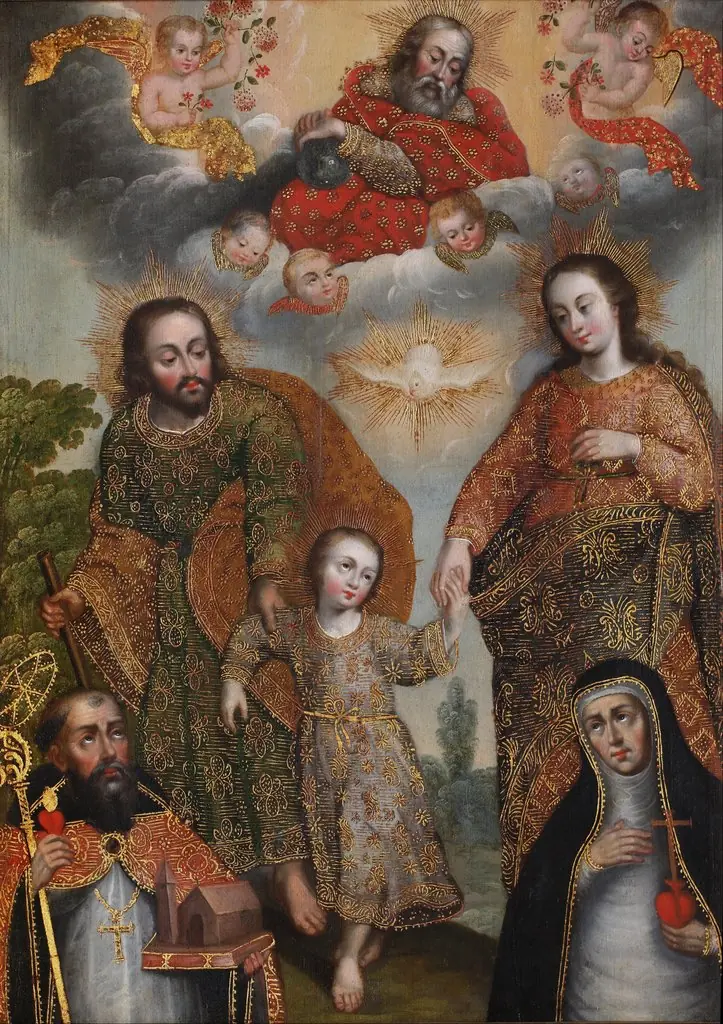 Double Trinity with Saint Augustine and Saint Catherine of Siena
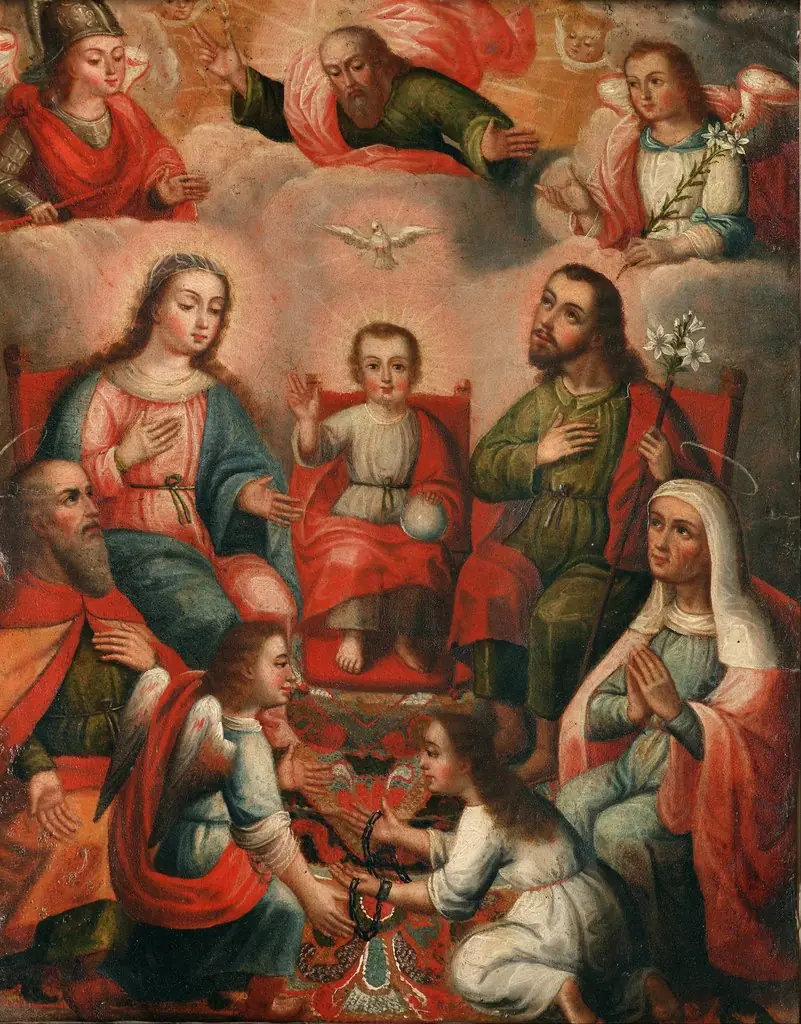 The family of Christ Child with the imprisoned soul of Divine Love
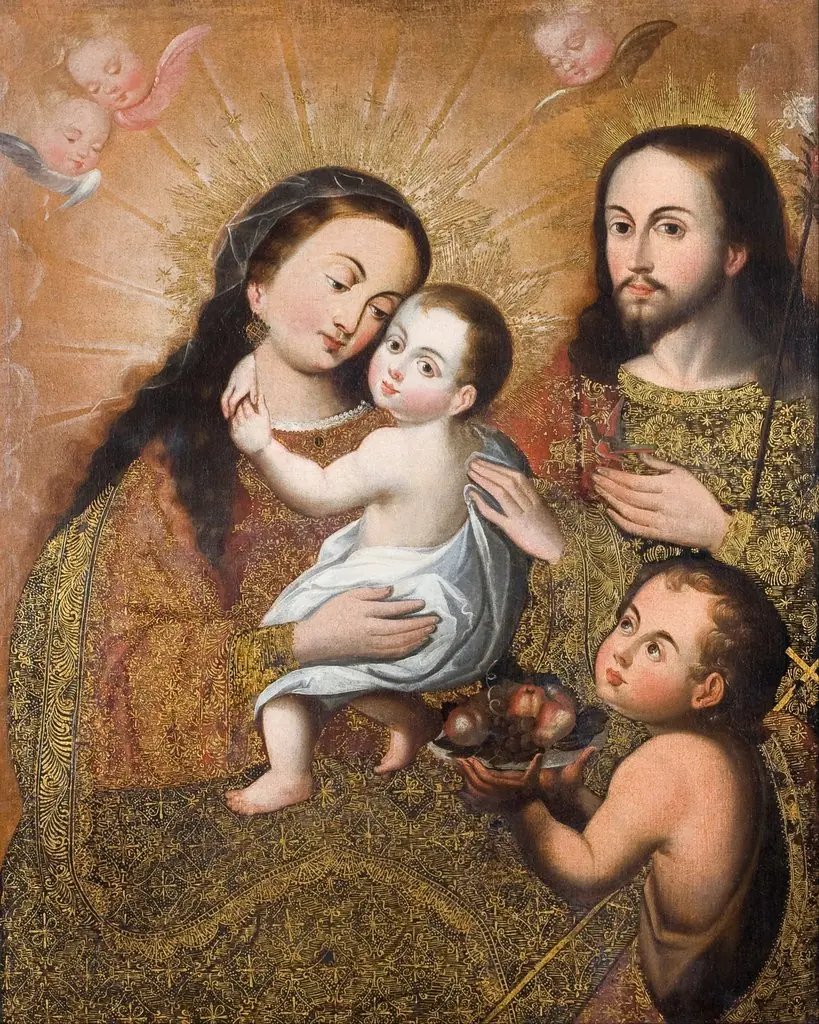 Holy Family with Saint John and a Goldfinch
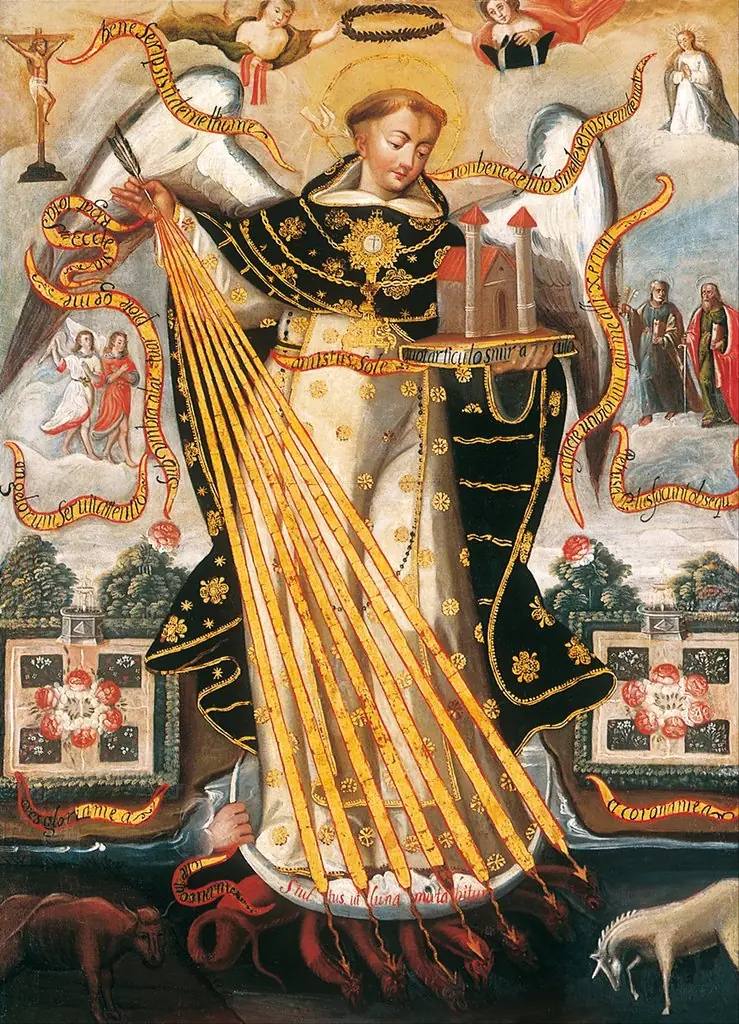 Saint Thomas Aquinas, Protector of the University of Cusco
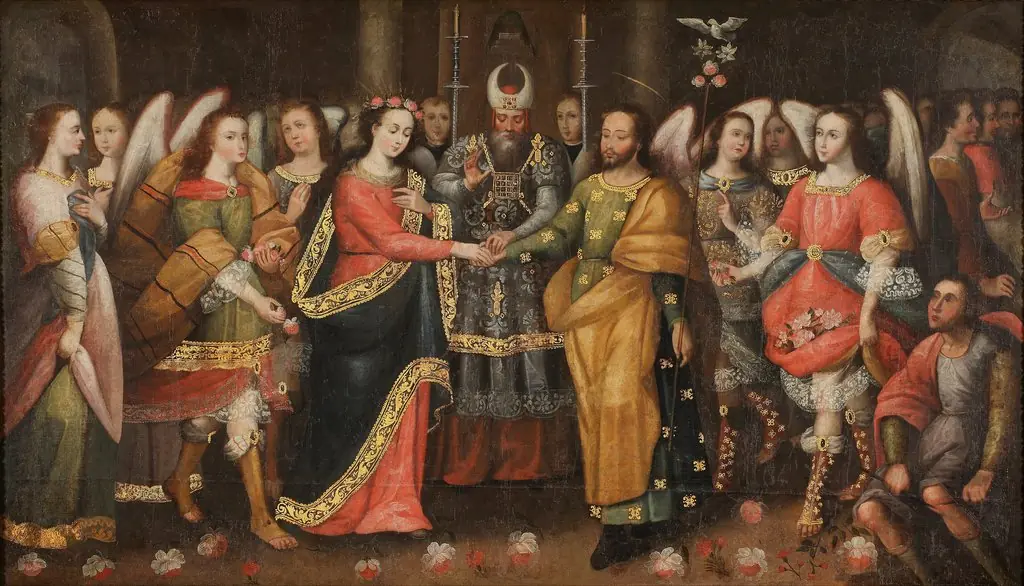 The Marriage of the Virgin
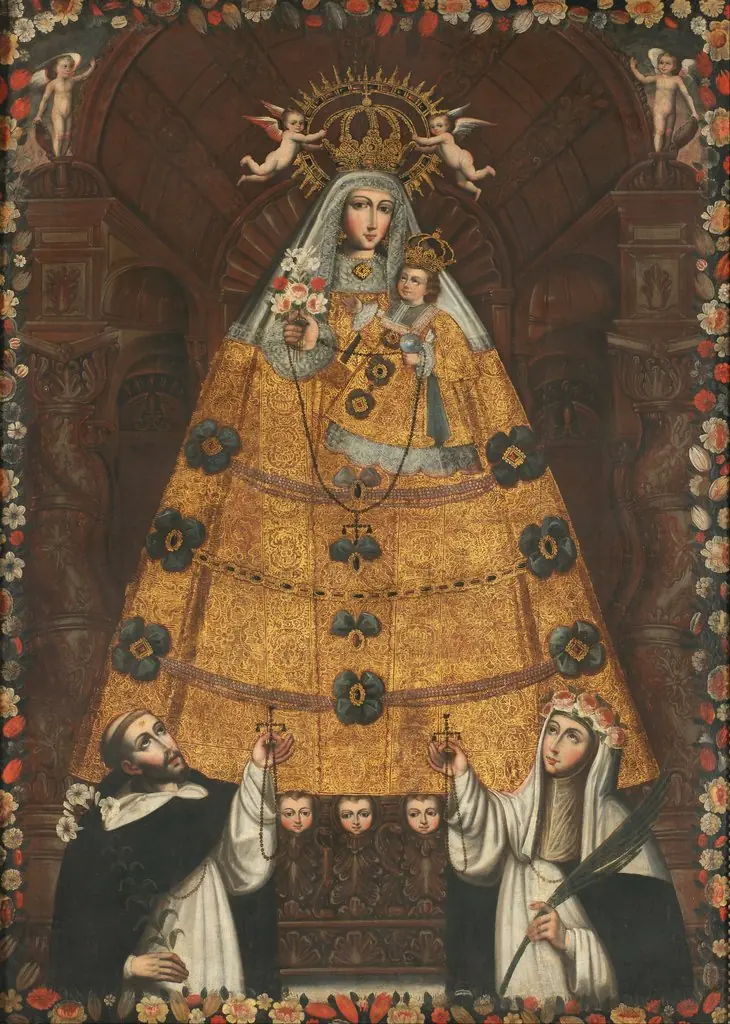 Our Lady of the Rosary with Saint Dominic and Saint Rose
Plan your visit
Lima Art Museum
- Website
- www.mali.pe