Art Museum
Musée d'Orsay

Image: Wikimedia Commons.
Musée d'Orsay is an art museum in 7th arrondissement of Paris, France. 2 works from its collection are in this catalog, including Jean Baptiste Camille Corot and Claude Monet.
About Musée d'Orsay
Overview
The Musée d'Orsay is a national museum of fine and applied arts located in Paris, France, on the Left Bank of the Seine River. It is housed in the former Gare d'Orsay, a Beaux-Arts railway station and hotel. The museum is dedicated to Western art created between 1848 and 1914, bridging the gap between the classical collections of the Louvre and the modern art of the Centre Pompidou. It holds the world's largest collection of Impressionist and Post-Impressionist masterpieces by artists such as Monet, Renoir, Degas, Van Gogh, and Cézanne.
History & Founding
The building was originally constructed as the Gare d'Orsay railway station for the 1900 Universal Exhibition. As railway technology advanced, the station became obsolete and fell into disuse by the 1970s. In 1973, the French government decided to preserve the structure rather than demolish it. The initiative to transform the station into a museum was finalized in 1977 under the presidency of Valéry Giscard d'Estaing. The museum officially opened to the public in December 1986, following a major renovation project that began in the early 1980s.
Building & Architecture
Designed by architect Victor Laloux, the original station was completed in 1900 and features an ornate Beaux-Arts façade that harmonizes with the surrounding Haussmannian architecture. The interior originally boasted a massive iron-and-glass barrel vault, metal structures, and electric rails. For its conversion into a museum, the ACT architecture group was commissioned to remodel the building, while the interior layout was designed by Italian architect Gaetana Aulenti. Aulenti created a complex arrangement of galleries across three main levels surrounding the central nave, preserving the vast open space beneath the iconic vault.
Collection Highlights
The museum's collection focuses on painting, sculpture, decorative arts, and photography from the period 1848 to 1914. Notable holdings include Édouard Manet's 'Le Déjeuner sur l'herbe' (Luncheon on the Grass) and 'Olympia', Gustave Courbet's 'The Artist's Studio' and 'A Burial at Ornans', and Pierre-Auguste Renoir's 'Dance at Le Moulin de la Galette'. The museum also houses a significant collection of 19th-century sculpture, which was largely stored away in previous decades but was re-exhibited in the spacious nave upon the museum's opening. The Marlene and Spencer Hays Collection, donated in 2016, further enriches the Post-Impressionist holdings.
Significance & Legacy
The Musée d'Orsay is globally significant for its unique architectural adaptation and its comprehensive presentation of the artistic transition from Realism to Modernism. By occupying a former railway station, the museum serves as a tangible link between industrial history and art history. It is one of the most visited art museums in the world, ranking as the sixth-most-visited art museum globally in 2022 with 3.2 million visitors. The institution plays a crucial role in preserving and displaying the cultural heritage of the Belle Époque and the revolutionary movements in art that defined the late 19th and early 20th centuries.
What to see at Musée d'Orsay
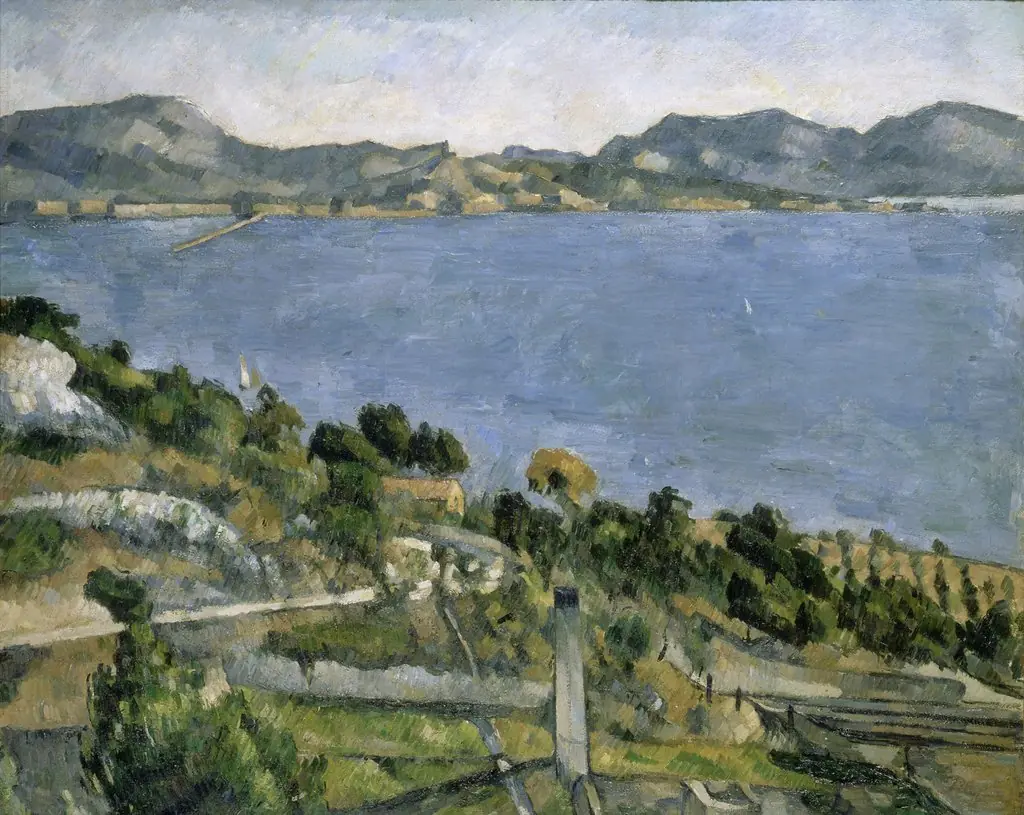
Start with Le Golfe de Marseille vu de l'Estaque (The Gulf of Marseille Seen from L'Estaque) by Paul Cezanne.
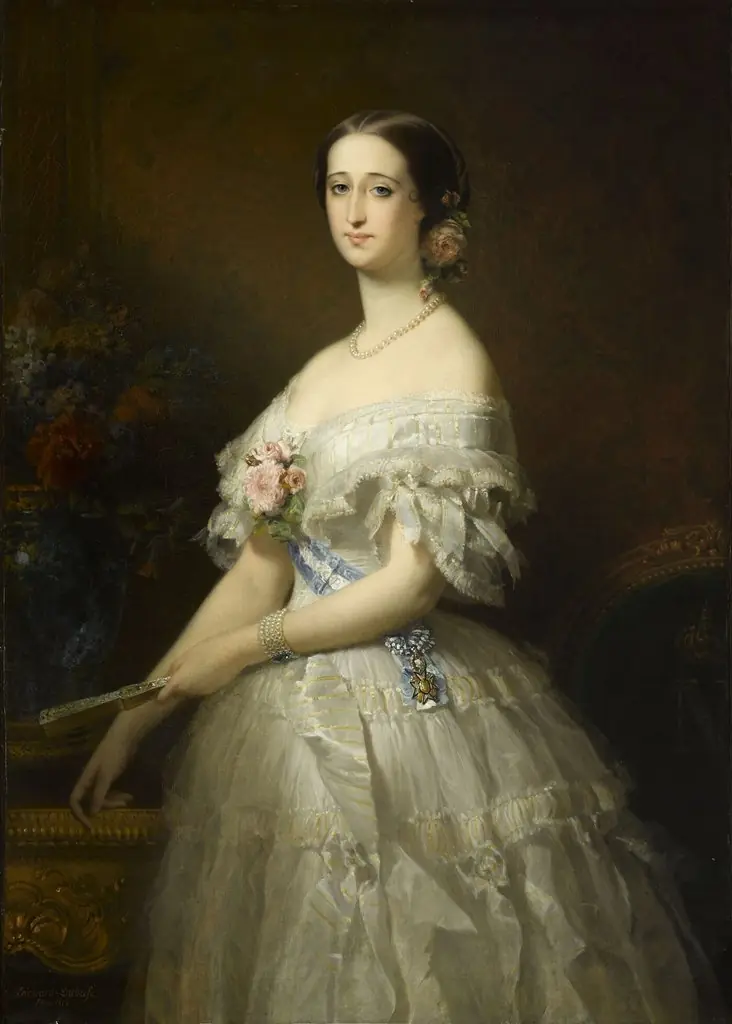

Works from Musée d'Orsay
Plan your visit
Musée d'Orsay
- Website
- www.musee-orsay.fr