Art Museum
Museum of Fine Arts, Budapest

Image: Wikimedia Commons.
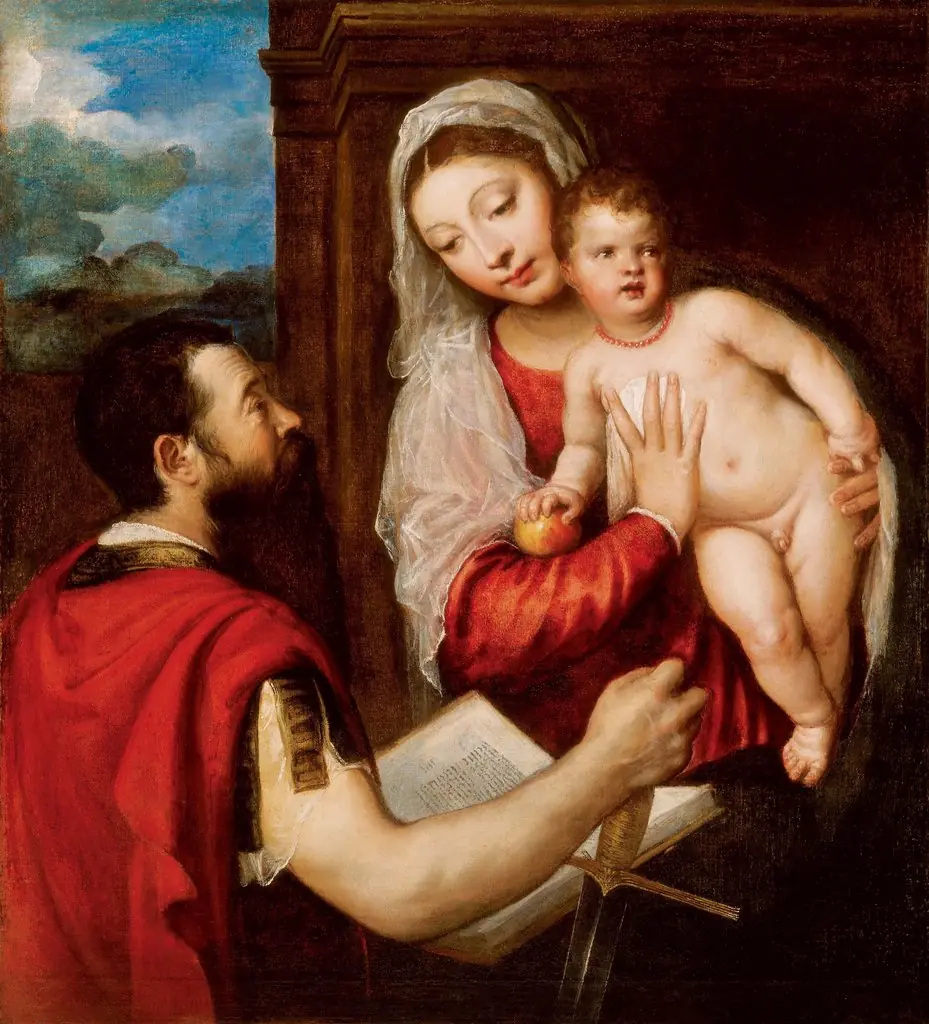
Museum of Fine Arts, Budapest is an art museum in Zugló, Hungary. 2 works from its collection are in this catalog, including Titian and Paolo Veronese.
About Museum of Fine Arts, Budapest
Overview & Identity
The Museum of Fine Arts (Hungarian: Szépművészeti Múzeum) is Hungary's principal repository for international art, located in Heroes' Square in Budapest. It stands as the country's largest and finest art museum, housing over 100,000 objects that span from prehistory to the present day. The institution serves as a central hub for European art history, distinguishing itself by focusing on international masterpieces while maintaining a significant, though administratively distinct, collection of Hungarian art. Its location opposite the Palace of Art (Műcsarnok) places it at the cultural heart of the city's Millennium celebrations.
Founding & History
The museum's establishment was legally mandated by Article 8 of the Millennium Act passed by the Hungarian National Assembly in 1896. This legislation aimed to unify disparate art collections from the National Museum, the National Picture Gallery, and private holdings, notably the Esterházy family collection, to create a world-class institution. Construction began in 1900 on a site in City Park (Városliget) previously occupied by a rotunda. The building was completed in 1906 and officially handed over on December 1, 1906, in a ceremony attended by Emperor Franz Joseph I, before opening to the public on December 5, 1906.
Architecture & Building
Designed by architects Albert Schickedanz and Fülöp Herzog, the museum building is a masterpiece of eclectic-neoclassical and Neo-Renaissance architecture. Constructed between 1900 and 1906, the structure features a monumental size with harmonic proportions that define the western side of Heroes' Square. The facade is richly decorated with statues, frescoes, and mosaics, while the interior combines Neo-Renaissance elements with Baroque and Art Nouveau details. The design includes a grand stairwell and expansive halls intended to showcase the art within a setting that is itself a work of art.
Collection Highlights
The museum's core collection consists of approximately 3,000 Old Master paintings, offering an almost uninterrupted survey of European painting from the 13th to the late 18th centuries. This foundation was built upon the 1871 acquisition of the Esterházy Collection, which included around 640 masterpieces. Significant holdings include Raphael's 'Esterházy Madonna', El Greco's 'View of Toledo', Goya's 'The Third of May', and Rembrandt's 'Self-Portrait'. The museum also houses extensive departments for Ancient Egyptian art, Classical Antiquities, and a vast collection of 10,000 drawings and 100,000 prints.
Significance & Legacy
As one of Europe's most prominent museums, the Museum of Fine Arts is renowned for the historical continuity of its multi-faceted collections and the sheer number of masterpieces it holds. It played a critical role in the cultural unification of Hungary following the 1896 Millennium Act, transforming private aristocratic treasures into public national assets. The institution has survived significant historical upheavals, including World War II and the Communist era, maintaining its status as a cornerstone of Hungary's cultural heritage and a vital center for the study of universal European painting.
What to see at Museum of Fine Arts, Budapest
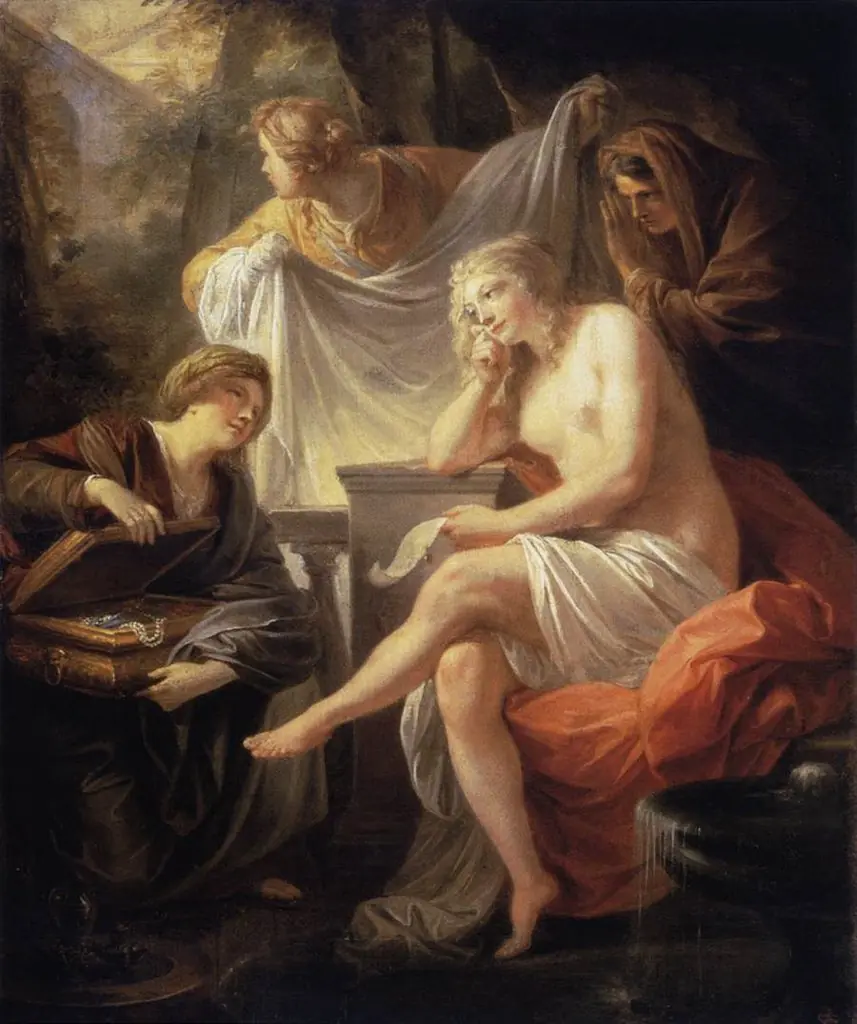
Start with Bathsheba at her bath by Heinrich Füger.
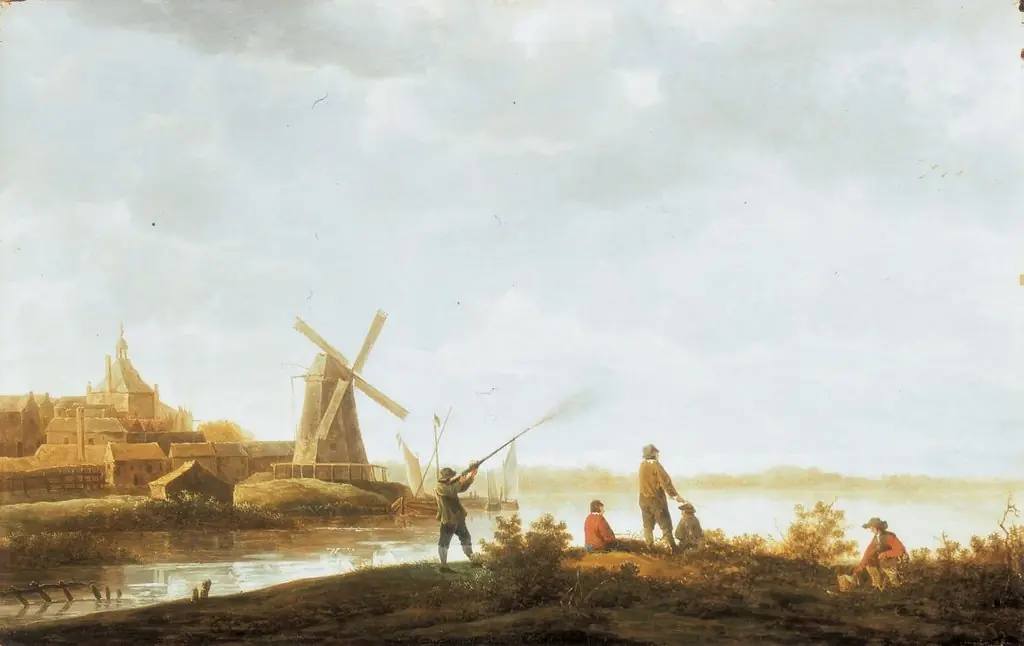
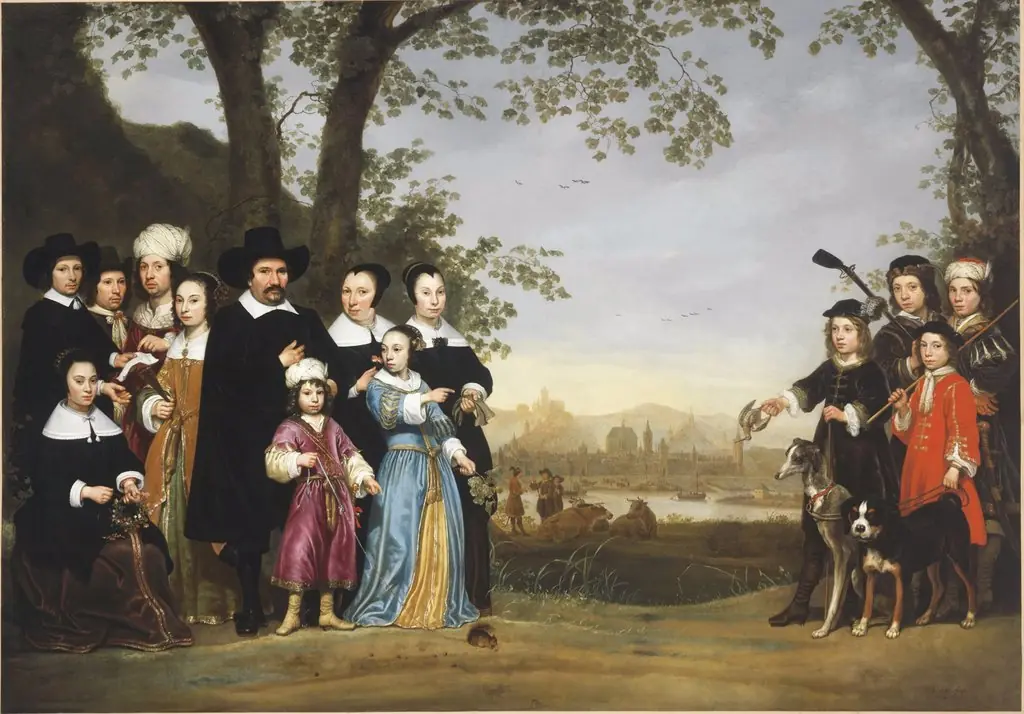
Works from Museum of Fine Arts, Budapest
Plan your visit
Museum of Fine Arts, Budapest
- Website
- www.mfab.hu