Artwork
Virgin and Child with Saint Paul
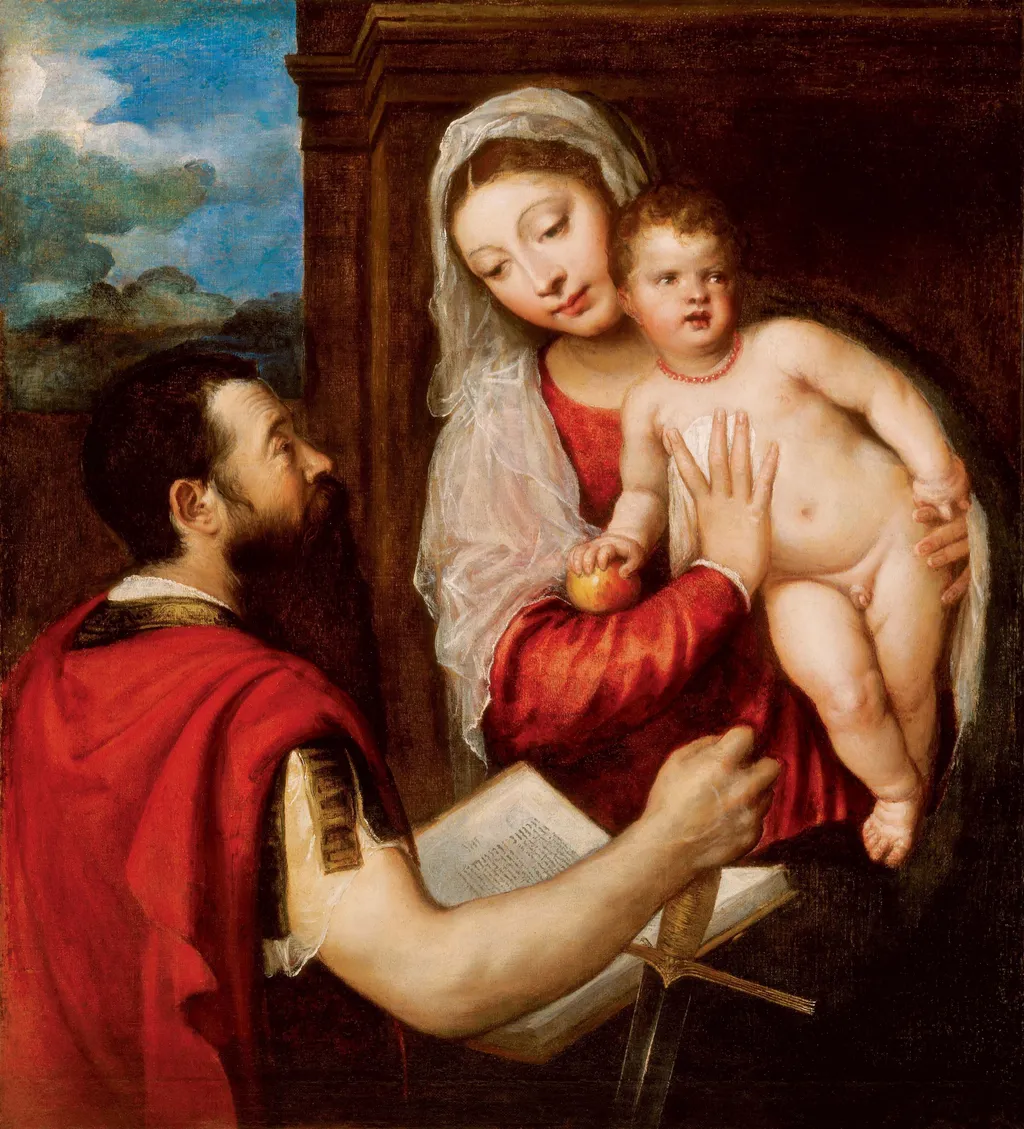
Virgin and Child with Saint Paul is an oil painting by the Mannerist artist Titian. It dates from 1540 and is held in the collection of the Museum of Fine Arts, Budapest.
About this work
Overview
Created in 1540 by Titian, this oil painting presents a devotional grouping that combines the Virgin Mary, the infant Christ, and Saint Paul with the contemporary patron, Duke Federico II Gonzaga of Mantua. Executed in a mannerist idiom, the work now belongs to the Museum of Fine Arts in Budapest.
Subject & Meaning
The central figures are the Virgin, robed in red with a white veil, and the nude Christ child, who reaches toward an apple she offers—an emblem of the Fall and redemption. To the left, Saint Paul, identifiable by his beard and red attire, holds a book and a scroll, alluding to his theological authority.
Technique & Style
Titian employs a subdued chiaroscuro, allowing soft illumination to model the faces against a dark interior that opens onto a blue sky through a window. The handling of flesh tones and the delicate rendering of drapery reflect his mature Venetian palette and mannerist compositional balance.
History & Provenance
Commissioned by the Mantuan court, the painting originally served a private devotional function. It entered the Hungarian national collection in the 20th century, where it has been displayed as part of the museum’s Renaissance holdings.
Context
The work belongs to the tradition of sacra conversazione, wherein saints and the Virgin converse within a unified space. By inserting the ruling duke among the holy figures, Titian merges secular patronage with spiritual narrative, a common practice in courtly commissions of the period.
Own this work as a print
Artist & collection
Artist
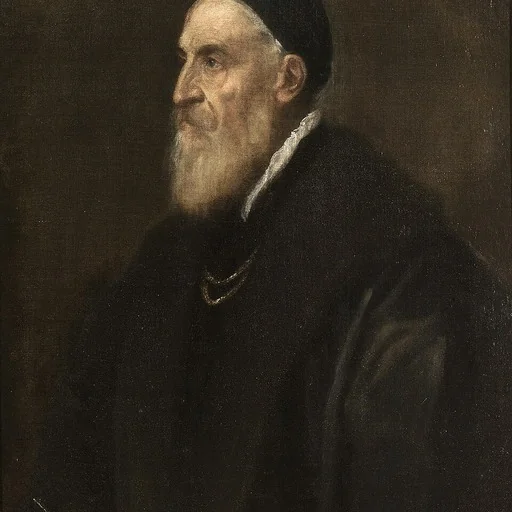
Tiziano Vecellio (Italian: ; c. 1488/1490 – 27 August 1576), Latinized as Titianus, hence known in English as Titian ( TISH-ən), was an Italian Renaissance painter. The most important artist of Renaissance Venetian…

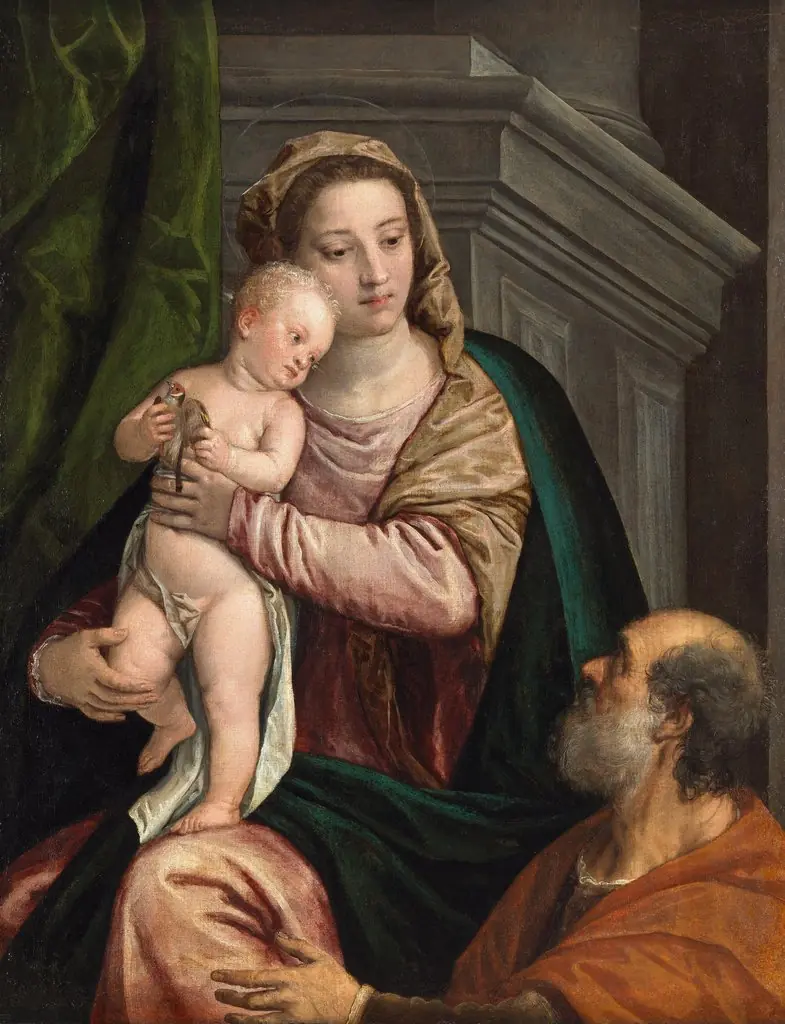 Die Heilige Familie
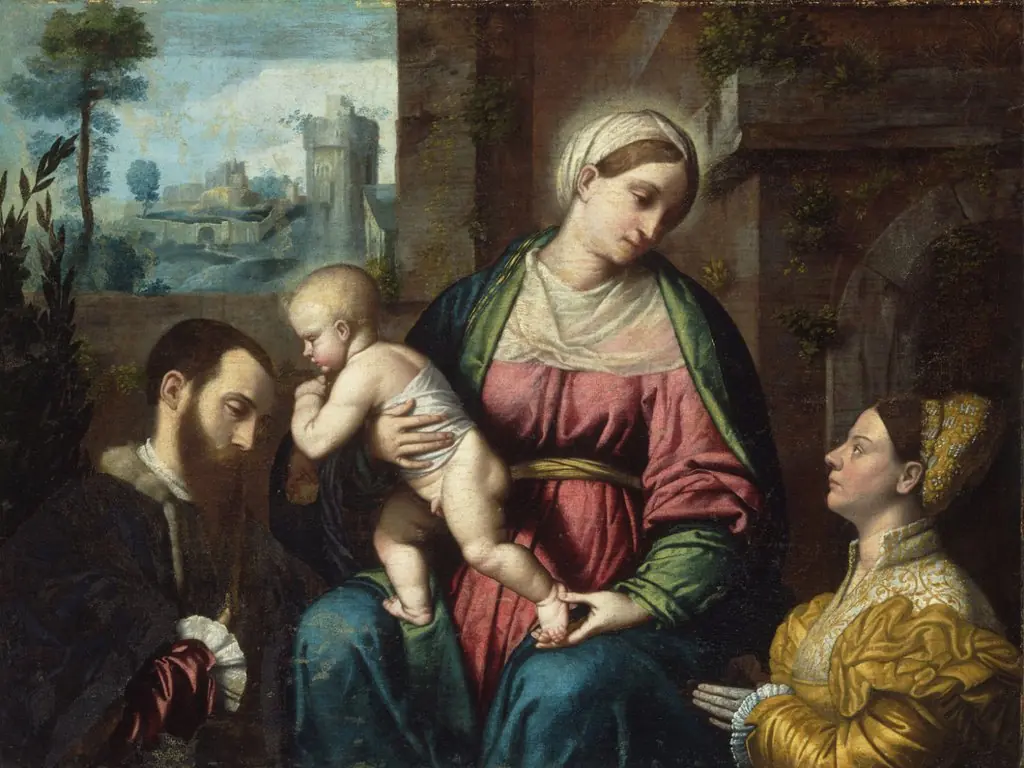 Virgin and Child, with Two Donors
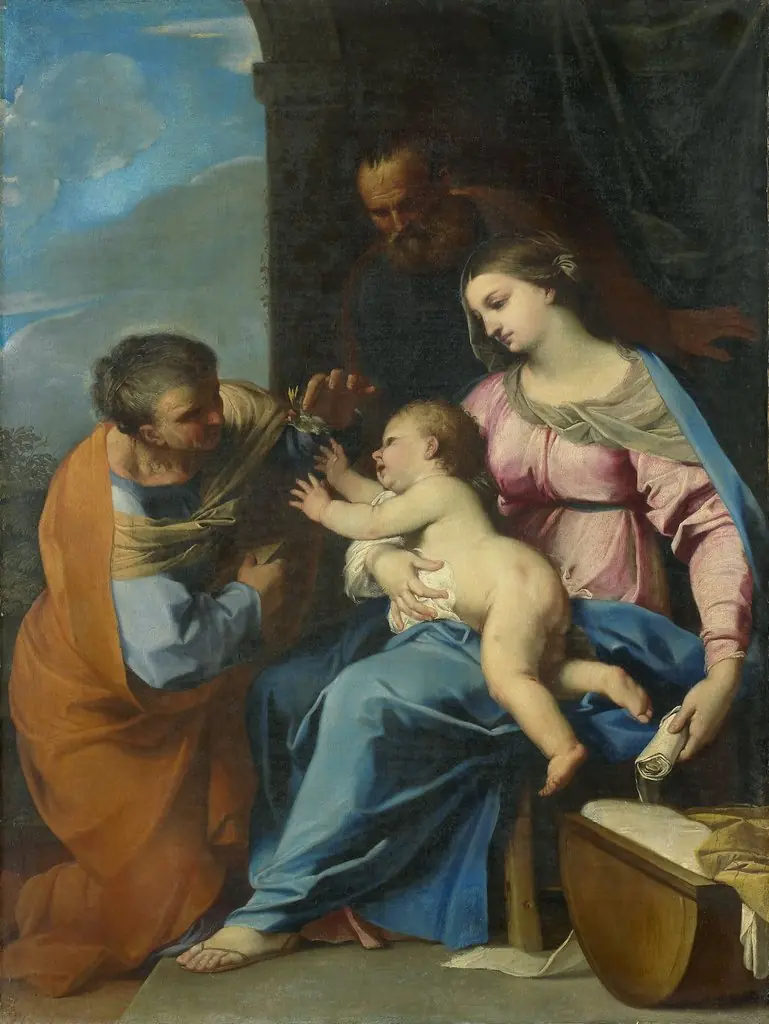 Holy Family
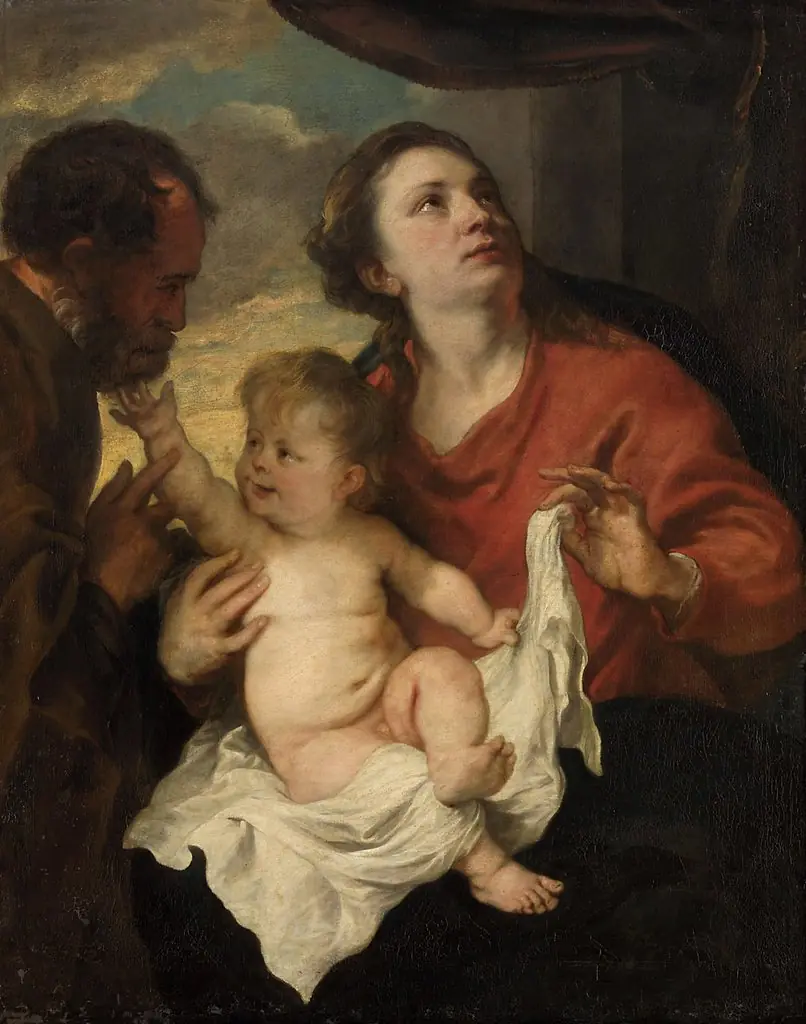 The Holy Family, 'Trinitas terrestris'
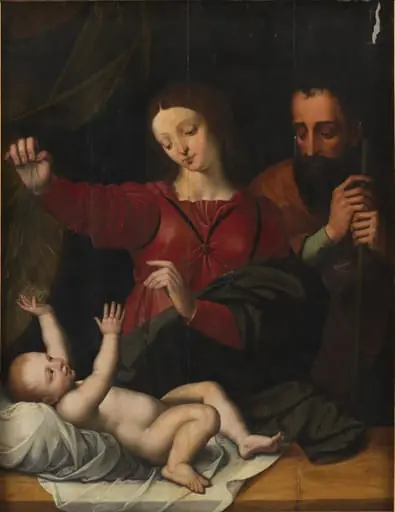 The Holy Family
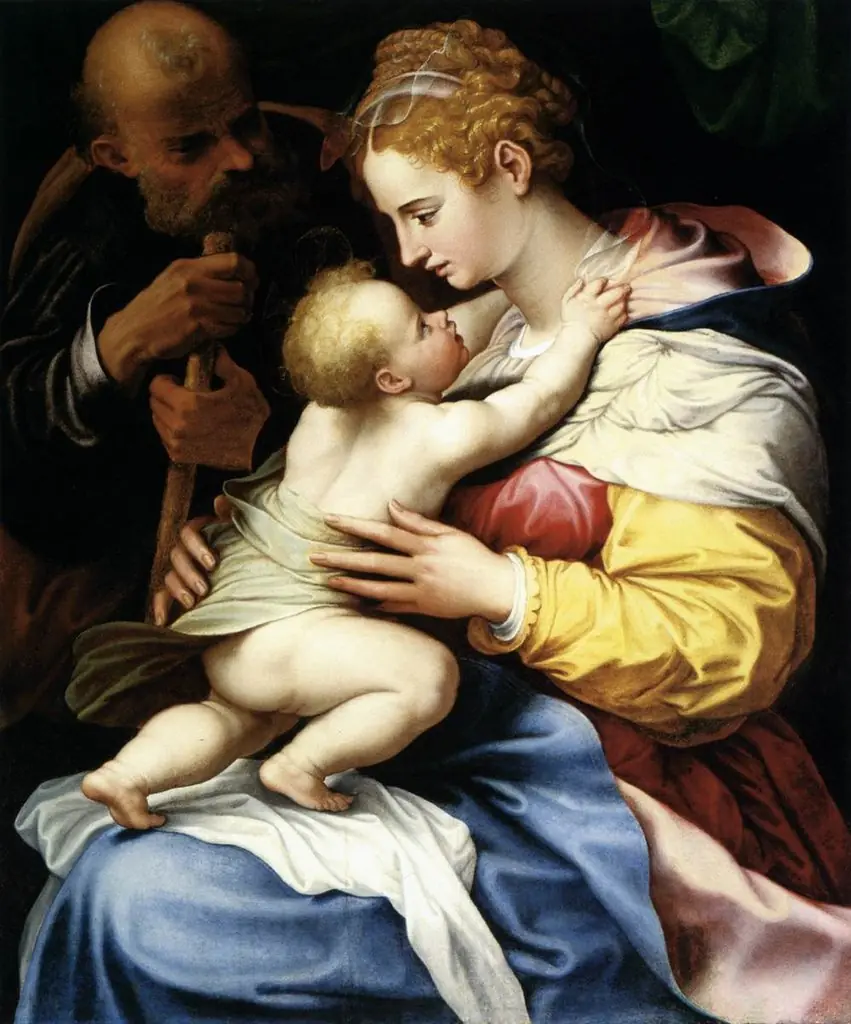 The Holy Family
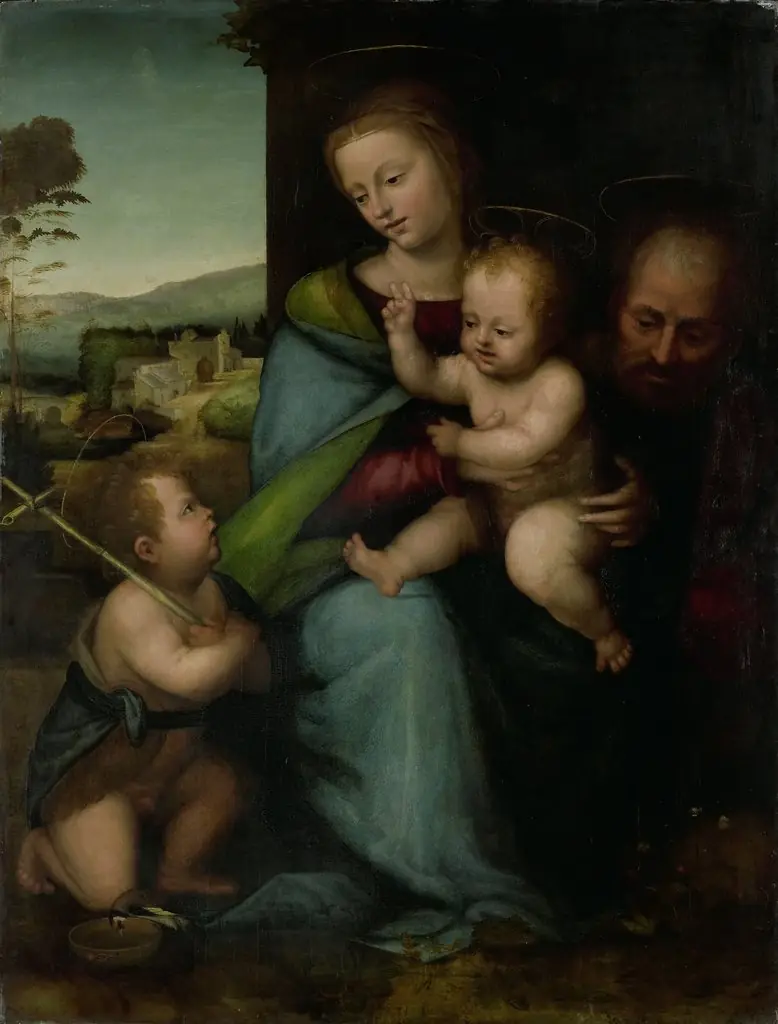 The Holy Family with the Infant John the Baptist
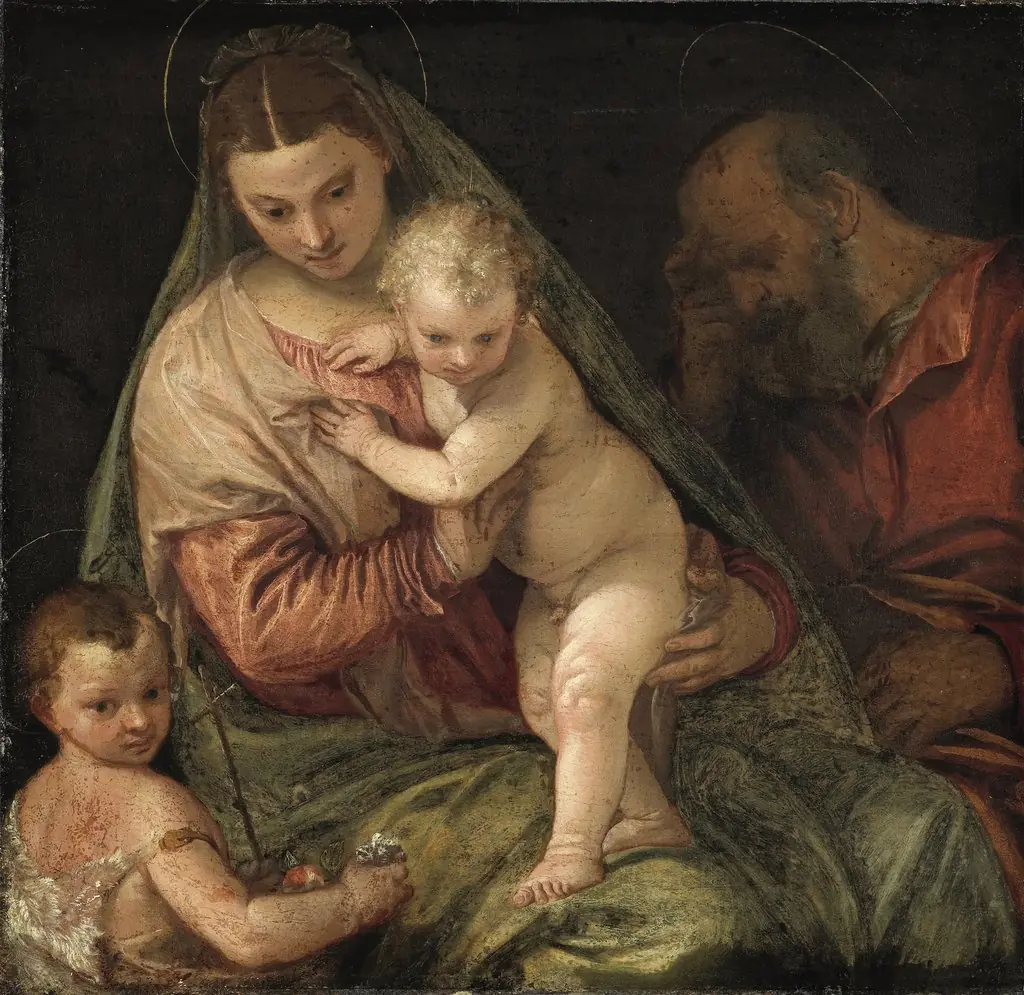 Holy Family with Young Saint John
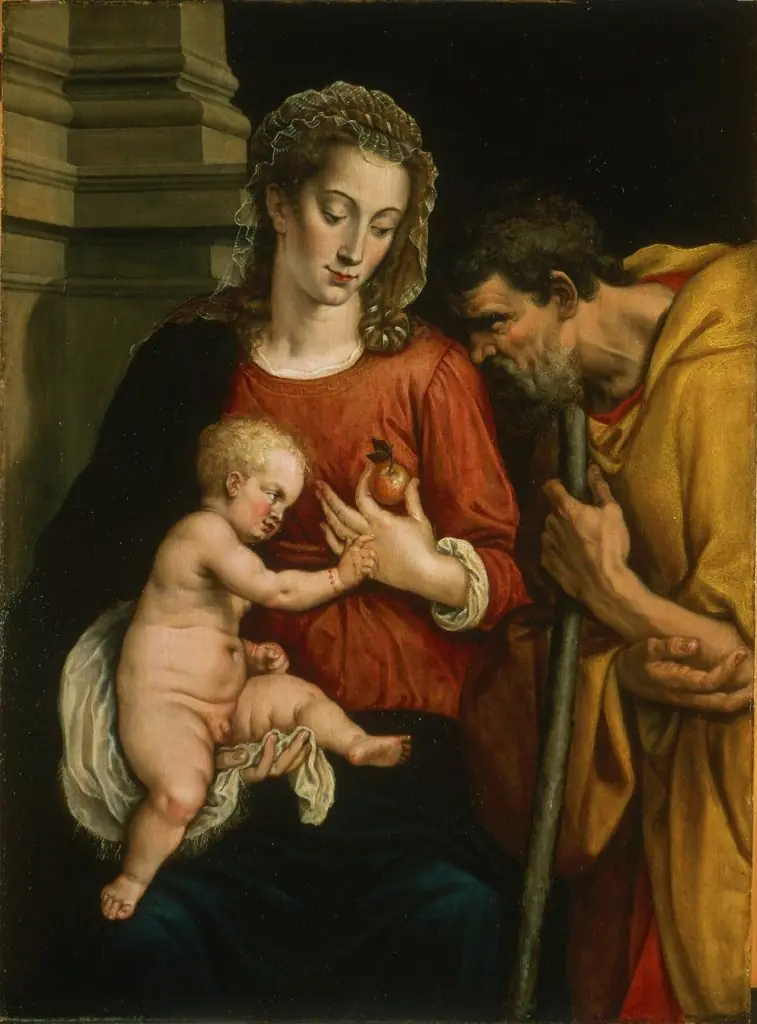 The Holy Family
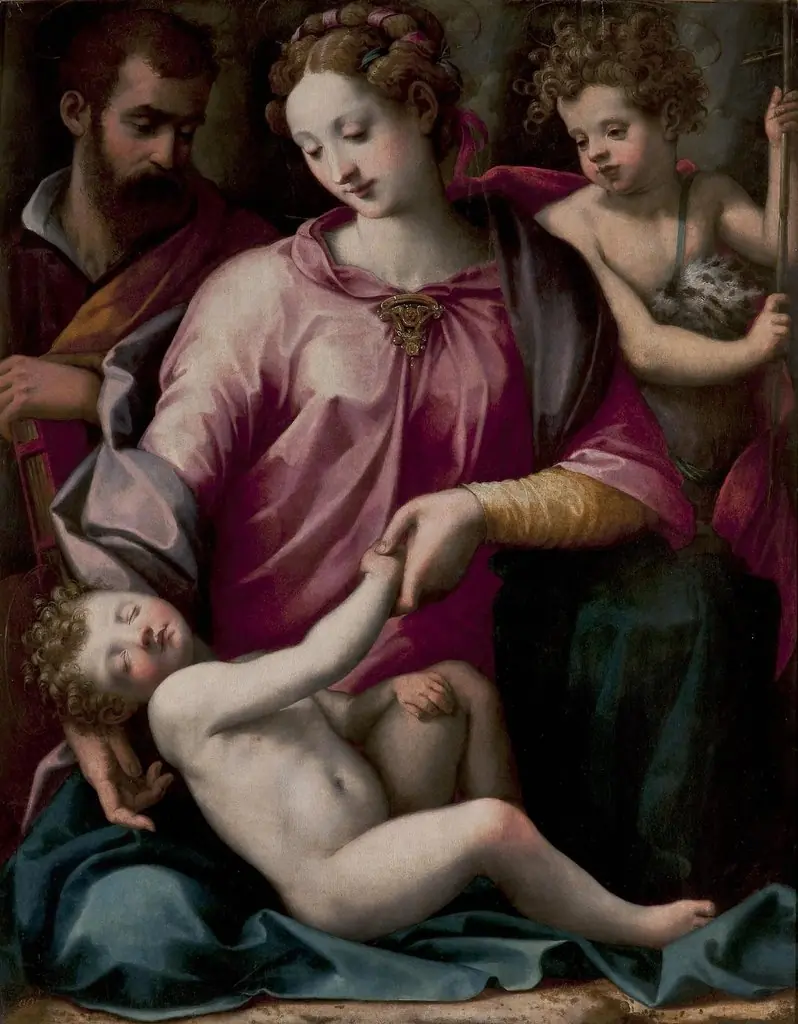 Holy Family with St John the Baptist
 The Holy Family
 The Holy Family with a Female Saint and Saint Francis of Assisi