Art Museum
National Art Gallery of the Netherlands
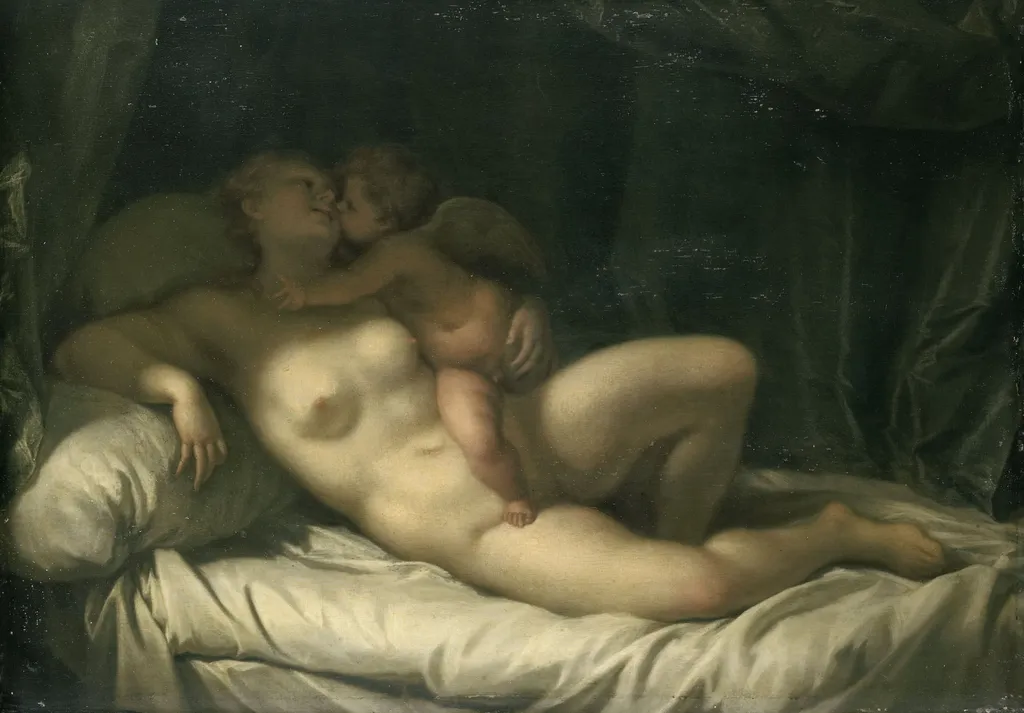
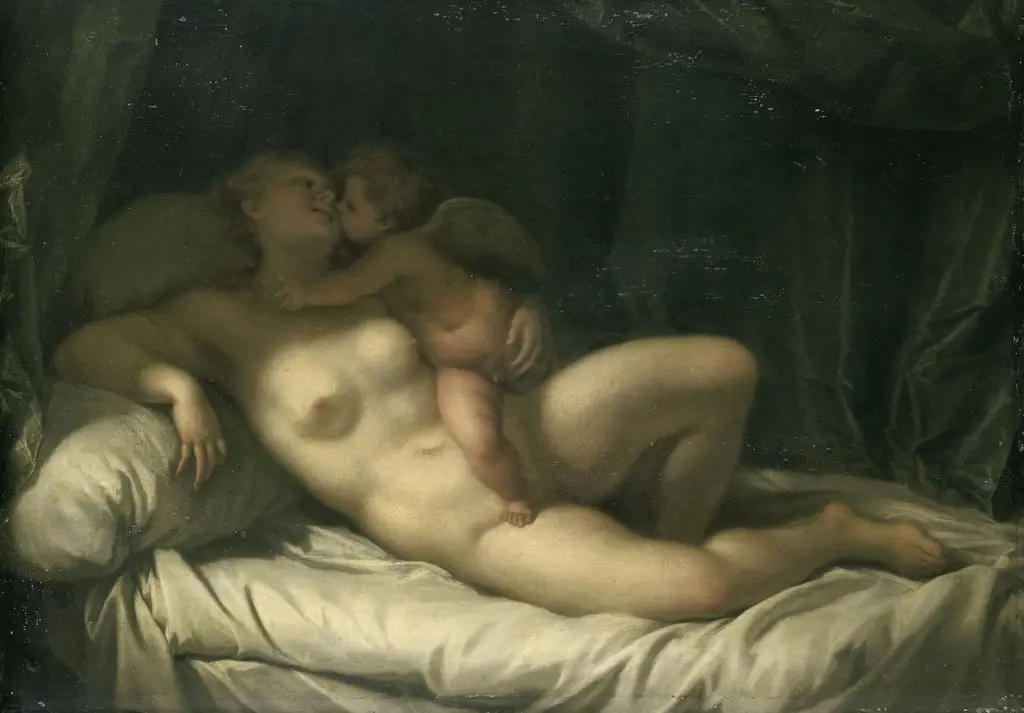
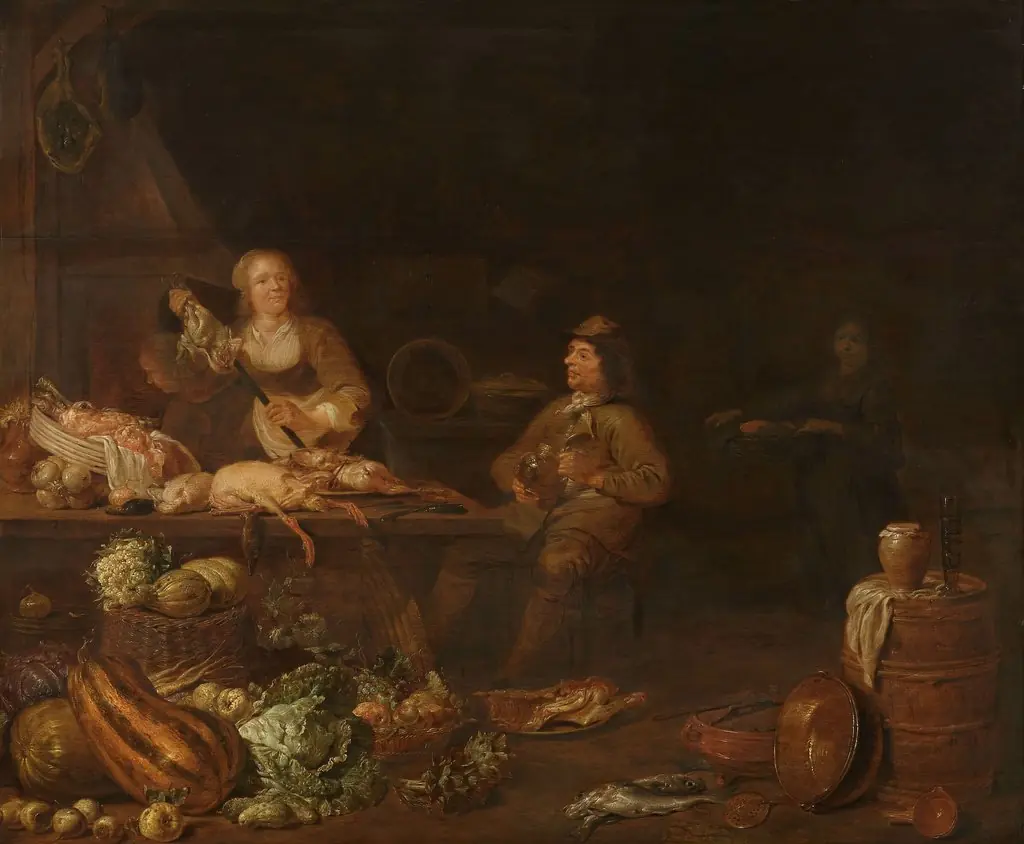
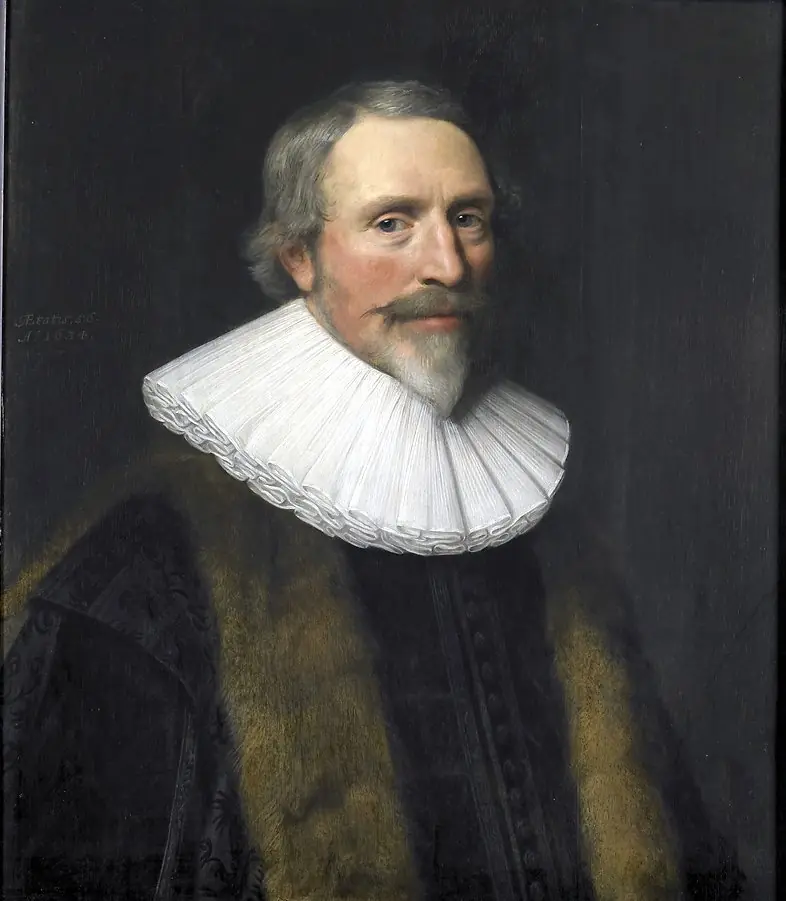
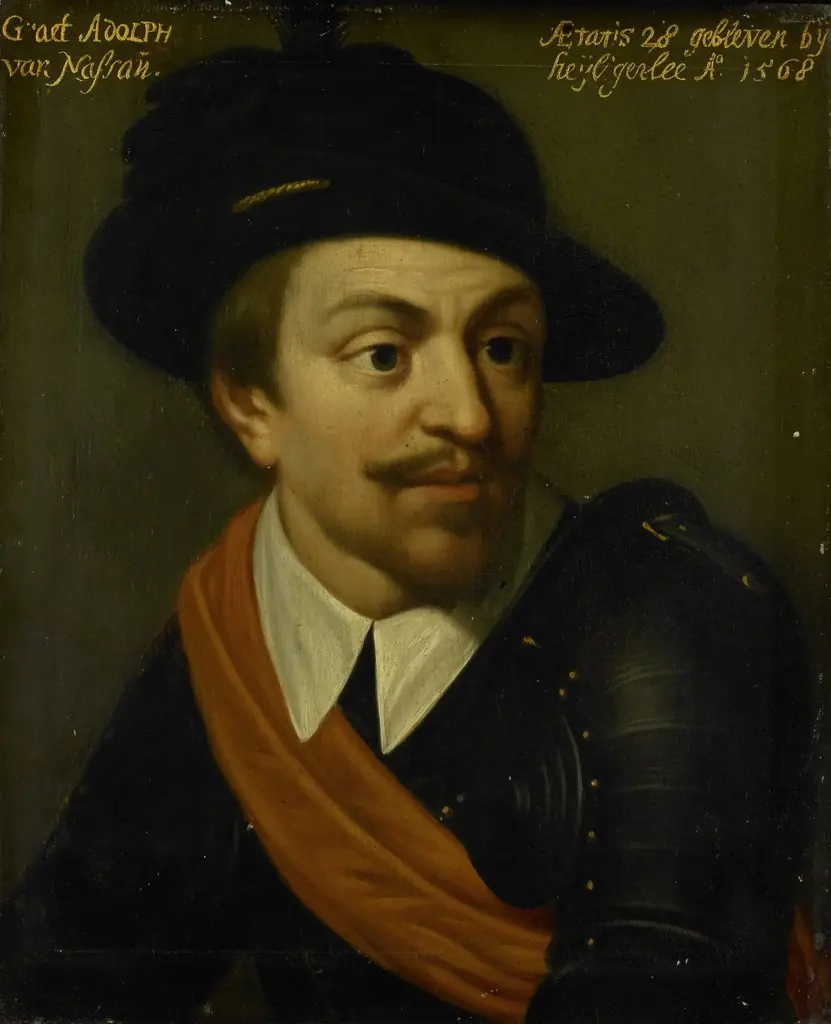
National Art Gallery of the Netherlands is an art museum. 4 works from its collection are in this catalog, including Adriaen van der Werff and Michiel Jansz van Mierevelt.
About National Art Gallery of the Netherlands
Overview
The National Art Gallery of the Netherlands, historically known as the Nationale Konst-Gallery, was the first national art museum in the Netherlands. Established during the Batavian Republic, it was founded on the French model of the Louvre with the specific intent of preventing further abduction of Dutch art to France. The institution served as the direct precursor to the modern Rijksmuseum in Amsterdam. It was officially opened on May 31, 1800, and functioned under various names and locations until its dissolution in 1885, when it was reorganized into the current Rijksmuseum.
History & Founding
The gallery was conceived in 1798 by the Dutch government to showcase the country's art and cultural heritage while inspiring patriotism. It was founded by Alexander Gogel, with Cornelis Sebille Roos serving as its first director. The museum opened its doors on May 31, 1800, in The Hague. Its creation was a political response to the French Revolutionary Wars, aiming to secure national treasures. Following a political shift in 1801, Gogel and Roos temporarily left their posts, though Jan Gerard Waldorp continued to oversee the museum. In 1808, under the rule of Napoleon Bonaparte, the museum was relocated to Amsterdam and renamed the Royal Museum.
Locations & Architecture
The museum occupied several significant buildings throughout its existence. From 1800 to 1805, it was housed in Huis ten Bosch in The Hague, specifically utilizing the Oranjezaal. From 1805 to 1808, it moved to the Gallery of Prince Willem V. In 1808, the collection was transferred to the upper floor of the Royal Palace on Dam Square in Amsterdam. From 1817 to 1885, the museum was located in the Trippenhuis, a 17th-century palace on Kloveniersburgwal. The Trippenhuis eventually proved too small for the expanding collection, leading to the construction of the current Rijksmuseum building designed by Pierre Cuypers.
Collection Highlights
The initial collection comprised approximately 200 paintings and historical artifacts, drawn from private collections, national institutions, and the Dutch East India Company. By 1801, the inventory listed around 225 paintings and drawings, growing to 274 paintings by 1808. Notable works included Jan Asselijn's 'The Threatened Swan' (originally purchased for 100 guilders), which remains a top attraction today. The collection featured works by prominent artists such as Anthony van Dyck, Adriaen van der Werff, Abraham de Verwer, and Adriaen van de Venne. The holdings were primarily based on the estate of the stadtholderly family, supplemented by subsequent purchases and donations.
Legacy & Transition
The National Art Gallery was dissolved in 1885, replaced by the newly constructed Rijksmuseum in Amsterdam. Following the move to the Trippenhuis in 1817, the collection had grown significantly, necessitating a new permanent home. During the 19th century, parts of the collection were separated; Classical Antiquities moved to the Museum of Antiquities in Leiden, and Applied Arts went to a Cabinet of Rarities in The Hague. The 1885 opening of the Cuypers-designed building marked the formal transition from the National Art Gallery to the modern Rijksmuseum, which now houses masterpieces like Rembrandt's 'The Night Watch' and Vermeer's 'The Milkmaid', continuing the legacy of the original 1800 institution.