Museum
National Museum of Bukovina
National Museum of Bukovina is a museum.
About National Museum of Bukovina
Overview & Identity
The Bukovina Museum (Muzeul Bucovinei) is a major cultural institution located in Suceava, the capital of Suceava County in northeastern Romania. Established on January 4, 1900, it serves as the primary repository for the historical, artistic, and natural heritage of the Bukovina region. The museum operates not as a single building but as a complex comprising several individual museums, memorial houses, and specialized facilities scattered throughout the region, all managed under a unified administration. Its headquarters is situated in the History Museum building in the center of Suceava, which functions as the nucleus of the entire institution. The museum's mission encompasses the preservation, research, and exhibition of artifacts ranging from medieval archaeology to modern art, reflecting the diverse cultural layers of the region shaped by Moldavian, Austrian, and Romanian influences.
History & Founding
The origins of the museum date back to January 4, 1900, when a group of intellectuals in Suceava founded the 'Society Museum' with the aim of preserving local historical relics. This initiative was catalyzed by cleaning operations at the Princely Fortress of Suceava, led by architect Karl A. Romstorfer, which uncovered numerous medieval objects. Teacher Iosif Fleişer became the first custodian, advocating for a local branch of the Cernăuți museum to house these discoveries. Following the union of Bukovina with Romania in 1918, the institution was re-established under the new state's authority. The museum faced significant challenges in its early decades, including a lack of permanent space, leading to its nickname 'the migrant museum' as collections moved between schools and town halls. It was officially inaugurated in its first dedicated location in 1928. The institution underwent several name changes, becoming the Divisional Museum, then the Regional Museum, and later the Suceava County Museum during the communist period, before reclaiming its historic name, Bukovina Museum, in 1990.
Building & Architecture
The museum's headquarters, known as the History Museum, is a significant architectural landmark built between 1902 and 1903. Originally constructed as the headquarters for the Master's Office of Suceava County, the building served various administrative functions over the decades, including as the district prefecture and the residence of the prefect after 1919. Following World War II, it housed the Suceava City Hall until 1967, when it was transferred to the museum. The structure has undergone significant modifications, including the addition of a new north wing and extensive restructuring between 1975 and 1980 to accommodate museum exhibitions. The building is recognized as a cultural heritage site. The north wing currently houses the State Archives, while the main building contains the permanent historical exhibitions, including a reconstructed 'Throne Hall' based on archaeological findings and historical descriptions of the medieval Princely Fortress.
Collection Highlights & Notable Holdings
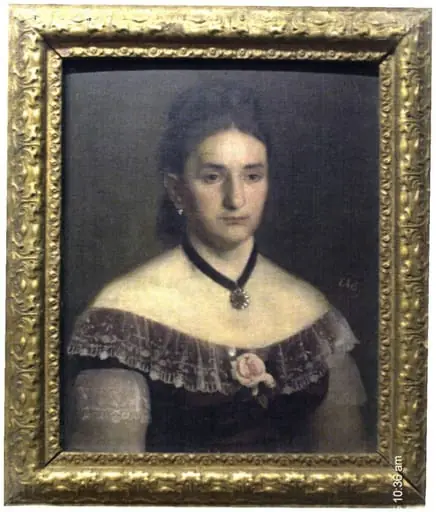
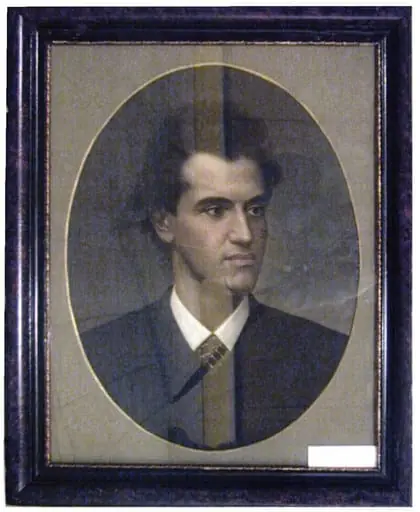
The museum complex maintains extensive collections across multiple departments, including archaeology, history, natural history, art, and ethnography. Notable holdings include the personal artifacts of the composer Ciprian Porumbescu, such as his cello, scores, letters, and family portraits, housed in a dedicated exhibition inaugurated in 1928. The ethnography department, established in 1961 within a 17th-century inn, holds one of the most valuable collections of Bukovinian folk costumes and customs in Romania. The art department features works by prominent Bukovinian artists from the late 19th century through the interwar period to the present. The museum also possesses a significant library with approximately 82,000 volumes and a regional restoration laboratory established in 1975. Unique items in the collection include medieval objects discovered at the Suceava Fortress, geological specimens, and a collection of photographs by German artist Oliver Mark, donated to the museum in 2017.
What to see at National Museum of Bukovina
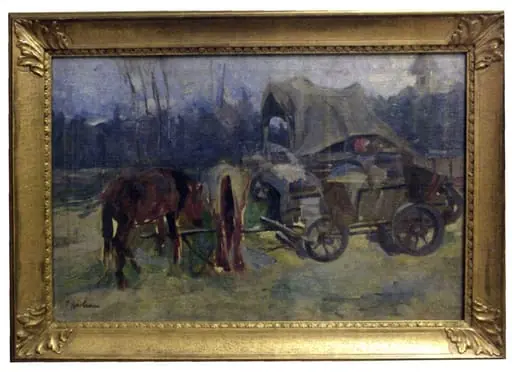
Start with Popas by Dimitrie Hârlescu.