Artwork
Dr. Flodor
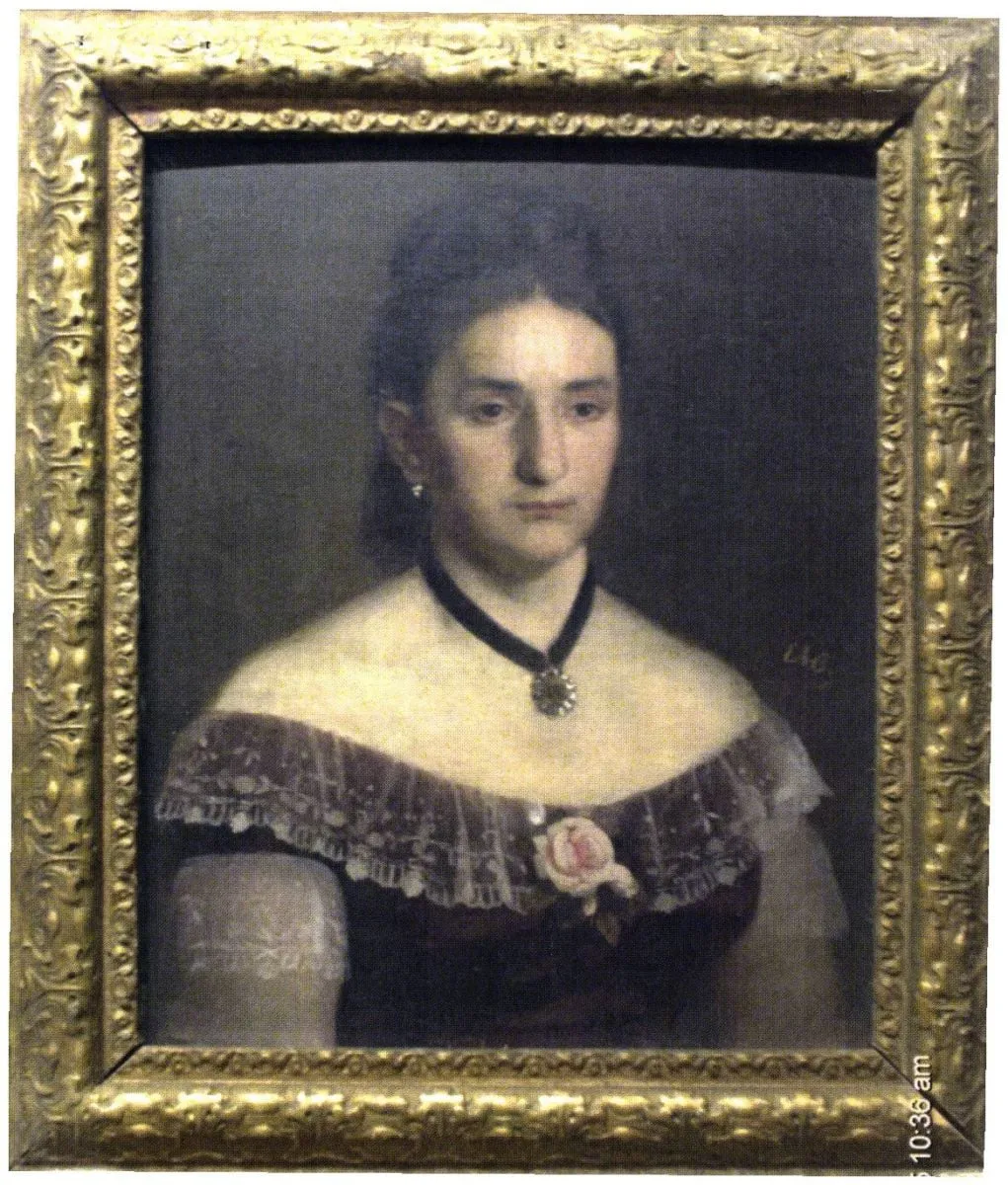
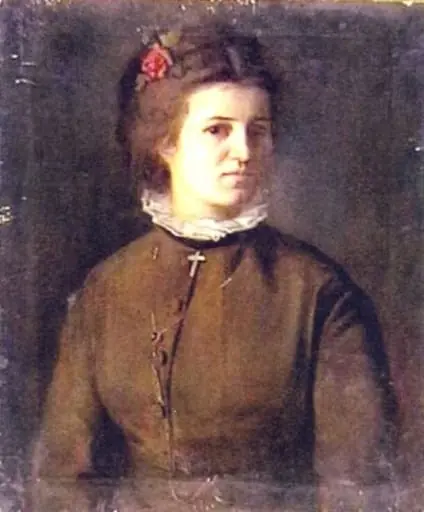
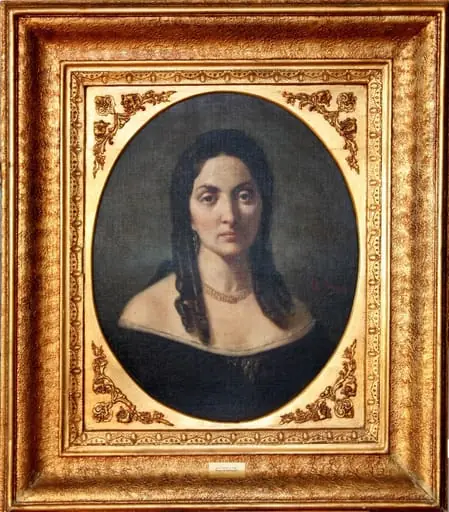
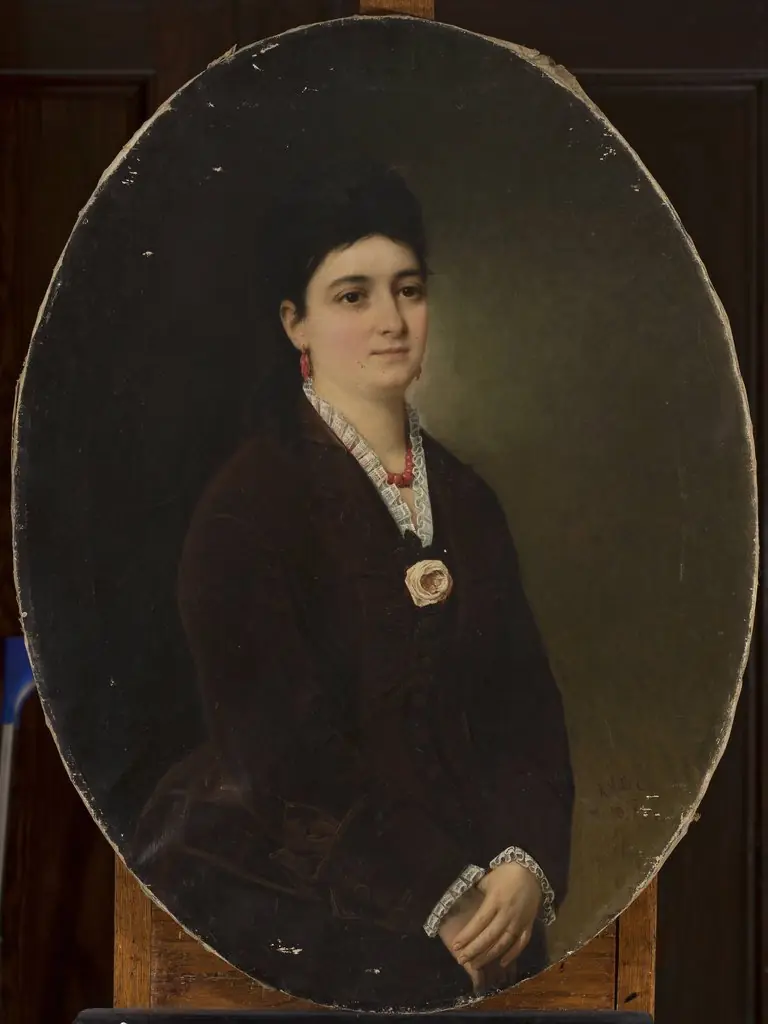
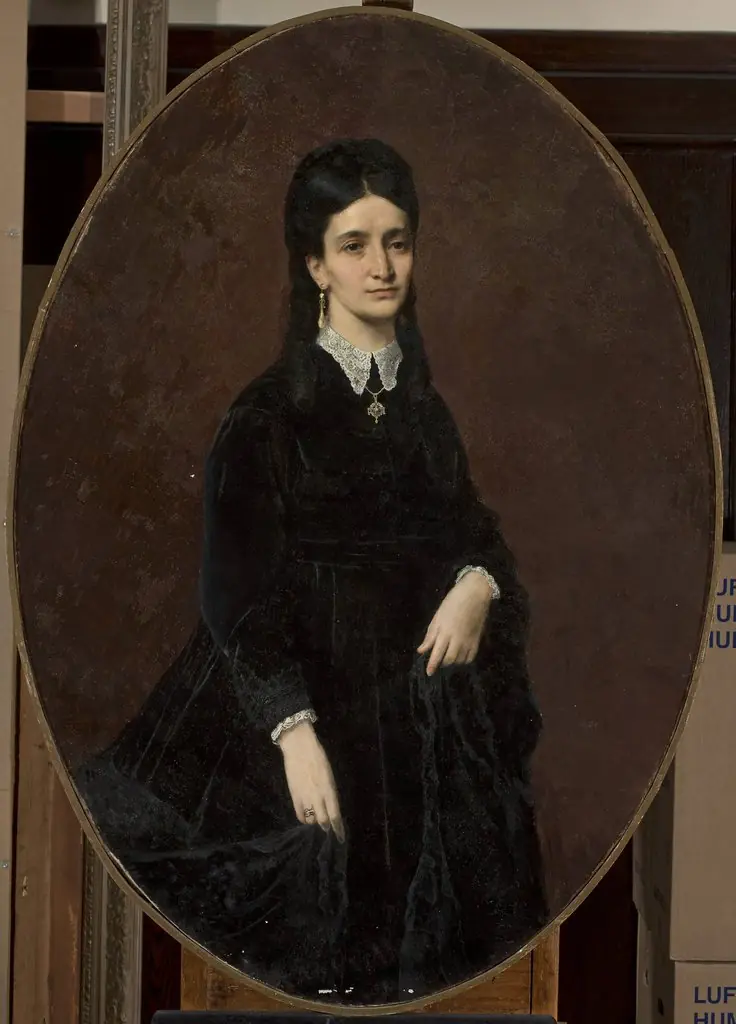
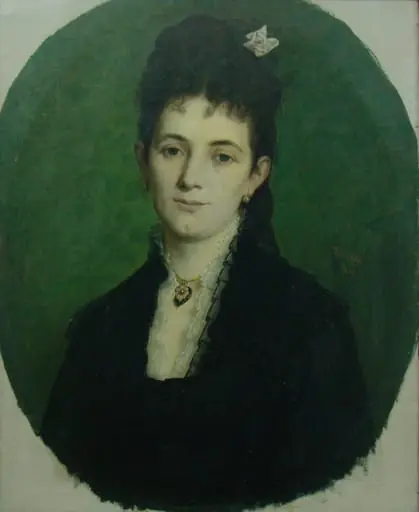
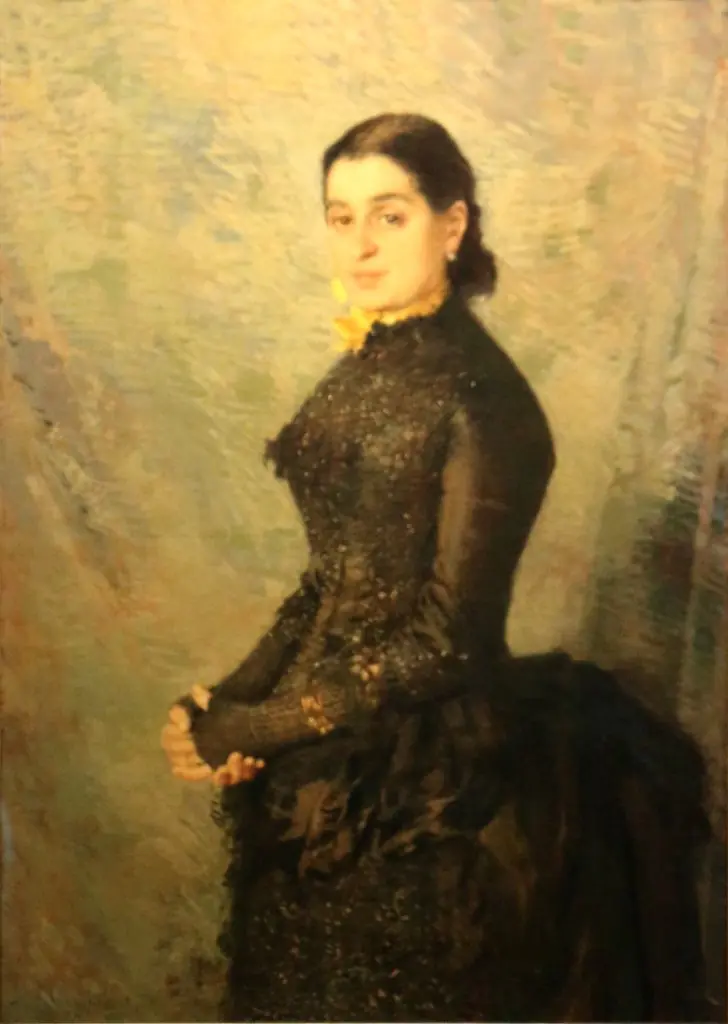
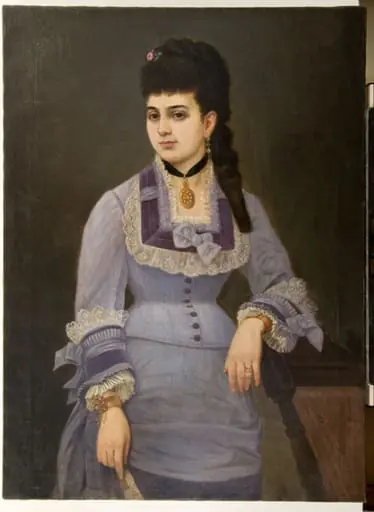
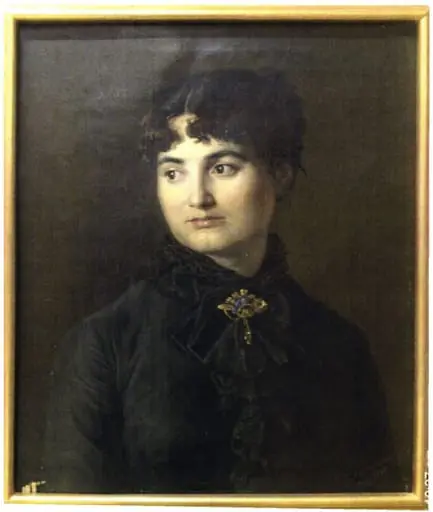
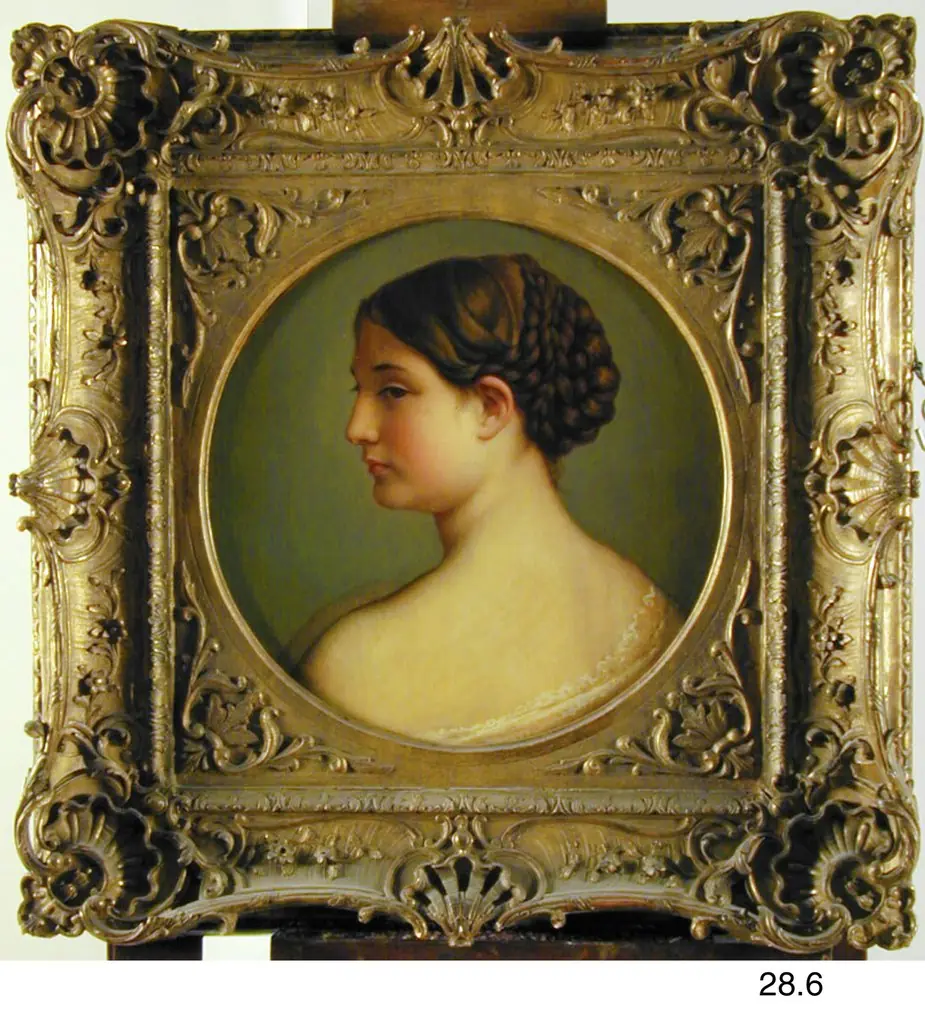
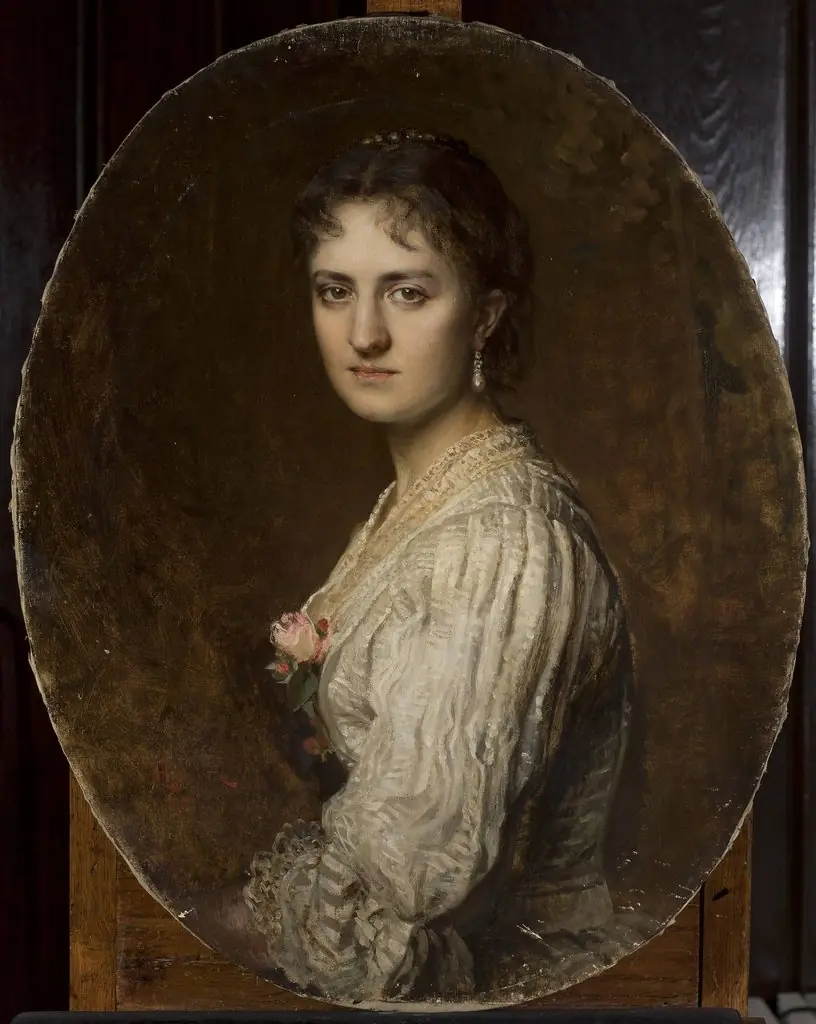
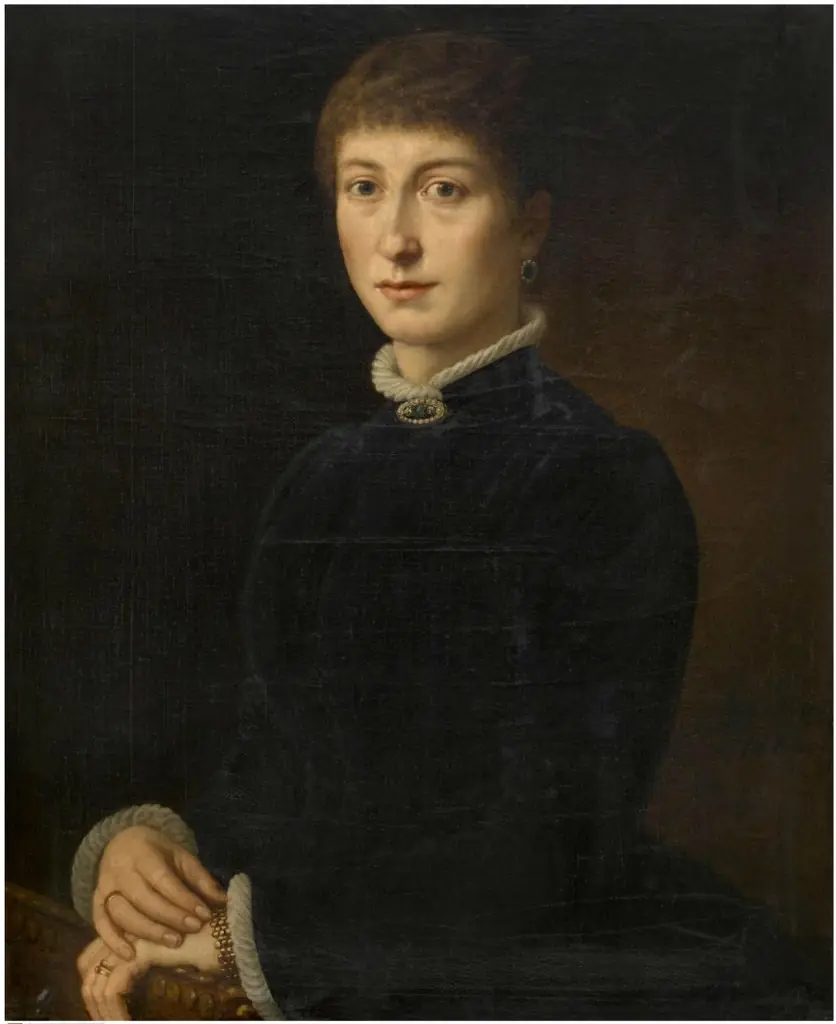
Dr. Flodor is an unspecified painting by Epaminonda Bucevschi. It is held in the collection of the National Museum of Bukovina. This portrait presents a woman in formal attire, rendered with restrained detail and quiet intensity.
About this work
Overview
The composition centers on her face and upper torso, while the background and lower half of her body recede into shadow.
This portrait presents a woman in formal attire, rendered with restrained detail and quiet intensity. The composition centers on her face and upper torso, while the background and lower half of her body recede into shadow. The limited focus and muted palette emphasize presence over narrative, creating a contemplative atmosphere. The artist’s approach prioritizes emotional resonance through minimalism.
Subject & Meaning
The subject, identified as Dr. Flodor, is depicted with composed dignity. Her direct gaze and still posture suggest self-possession, while the lace trim and pink rose introduce subtle femininity without ornamentation. The black dress and pendant necklace imply formality or mourning, yet the rose softens the tone, hinting at personal significance. The image avoids theatricality, favoring quiet individuality.
Technique & Style
Chiaroscuro is employed to model the face and shoulders, enhancing volume through contrast between light and deep shadow. The background remains nearly featureless, isolating the figure and directing attention to her expression. Brushwork is precise on the face and neckline, while the lower body and surroundings are loosely suggested. This selective rendering reinforces the portrait’s intimate, focused character.
History & Provenance
The painting’s origins are tied to Dr. Flodor, though specific details about its commission or early ownership remain undocumented. It has been preserved in private collections and later entered institutional care, likely through donation or acquisition. No exhibition history or documented provenance prior to the 20th century is available, limiting contextual understanding beyond the image itself.
Context
Created during a period when portraiture emphasized psychological depth over social status, this work aligns with trends favoring intimate, unadorned representation. The absence of elaborate settings or symbolic props reflects a shift toward personal identity as subject. Similar approaches appear in late 19th-century academic portraiture, particularly in Northern European circles where restraint was valued.
Legacy
Though not widely exhibited or reproduced, the portrait endures as an example of understated elegance in portraiture. Its quiet composition and use of light have influenced later artists seeking emotional clarity over grandeur. It remains a reference point for studies of chiaroscuro applied to intimate female subjects, valued for its restraint and psychological nuance.
Artist & collection
Artist
A painter working in early 20th-century Bucharest, Epaminonda Bucevschi left behind small oil portraits like Portret de femeie and Femeie tânără.