Museum
Octavian Goga Memorial Museum
Octavian Goga Memorial Museum is a museum.
About Octavian Goga Memorial Museum
Overview & Identity
The Octavian Goga Memorial Museum is a major cultural institution located in Ciucea, Cluj County, Romania, dedicated to the life and work of Octavian Goga (1881–1938), a prominent Romanian poet, politician, and Prime Minister. Established in 1967 following a donation by Goga's widow, Veturia Goga, the museum operates within a complex of nine buildings, including the main 'Castle', the 'White House', and the 'Mausoleum'. The institution holds a mobile heritage of 14,310 pieces and serves as a memorial to Goga's literary and political legacy, as well as a tribute to his friendship with the Hungarian poet Endre Ady.
History & Founding
The museum's origins trace back to Octavian Goga's acquisition of the Ciucea domain from Berta Boncza, the widow of Endre Ady, in the early 20th century. Goga rebuilt the existing modest mansion into a grand residence and constructed a monastery nearby. After Goga's death in 1938, his wife Veturia Goga oversaw the construction of the family funerary crypt (Mausoleum) between 1938 and 1958, designed by architect G.M. Cantacuzino. In 1967, Veturia Goga donated the entire estate to the Romanian state, leading to the official establishment of the Memorial Museum to preserve the poet's memory and the estate's historical significance.
Building & Architecture
The architectural ensemble is a historic monument (CJ-II-a-A-07568) featuring a unique blend of styles. The main building, known as 'The Castle', was constructed between 1921 and 1926 by Goga, retaining the foundation of the old Gothic provincial mansion while adding a second level with semi-circular arches and a tower reminiscent of an Italian campanile. The complex includes the 'White House', the 'House Ady Endre', and the 'Mausoleum', which was raised according to the plans of architect G.M. Cantacuzino in the Brancoveanu style. The estate also encompasses a 24-hectare domain with a monastery, a wooden church, and a summer theatre.
Collection Highlights & Notable Holdings
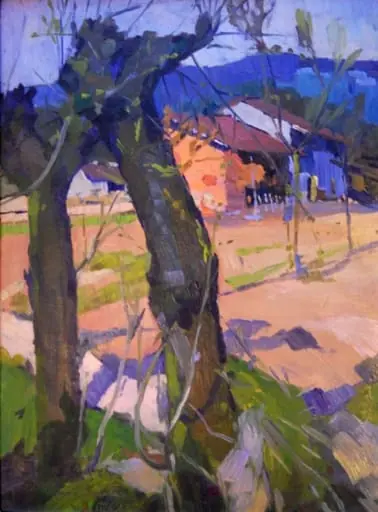
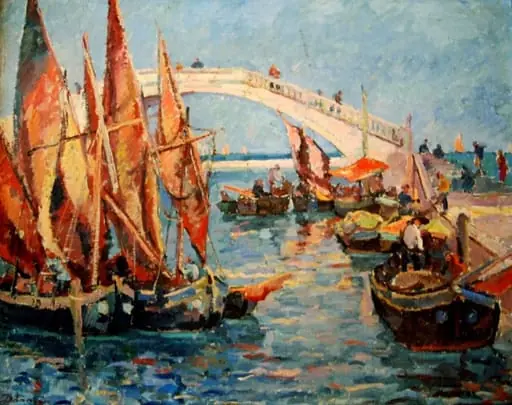
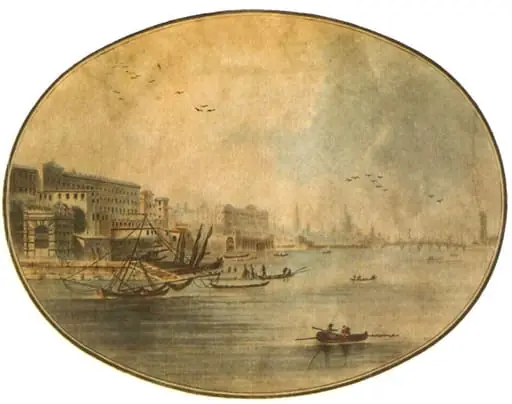
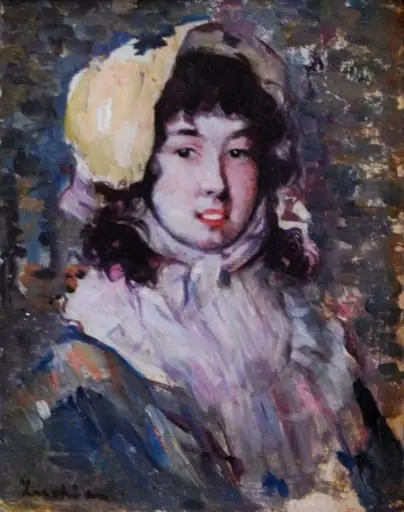
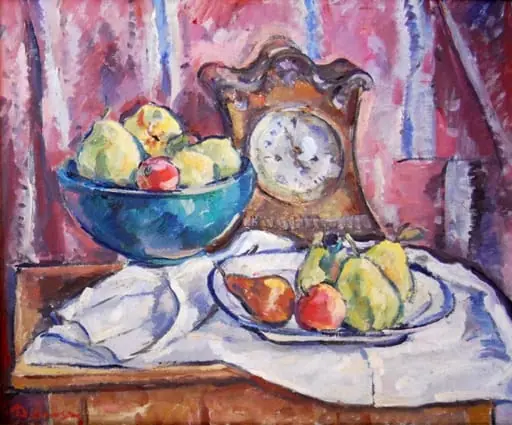
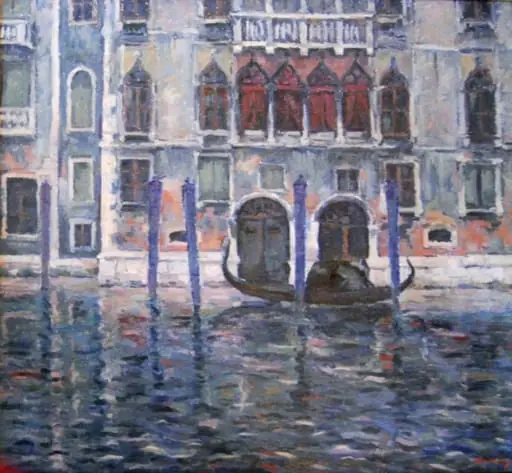
The museum's collection comprises over 14,000 items, including personal artifacts, art, and manuscripts. Key holdings include a library of approximately 6,000 books, a 16th-century Moor cedar wood chest, a 16th-century Florentine case made in Transylvania, and 17th-century Cordoba leather armchairs. The exhibition features precious art such as a Byzantine icon from the 11th century, bronze artifacts from Pompeii, a 16th-century French Gobelin tapestry, and paintings by Theodor Pallady and Nicolae Dărăscu. The collection also preserves letters, manuscripts, and sketches by Nicolae Grigorescu, alongside a chest that belonged to the national hero Avram Iancu.
Significance & Legacy
The Octavian Goga Memorial Museum holds significant cultural value as the permanent residence of one of Romania's most important interwar figures and the burial place of the poet. It uniquely preserves the memory of the friendship between Octavian Goga and Endre Ady, featuring a dedicated exhibition in the 'House Ady Endre' where the Hungarian poet lived for four months. The museum serves as a repository for Transylvanian heritage, blending literary history with ethnographic and art collections, and stands as a testament to Goga's role as a poet, publisher, and politician who shaped Romanian cultural and political life.
Related Memorial Collection in Răşinari
In addition to the main museum in Ciucea, a separate 'Octavian Goga' Memorial Collection exists in Răşinari, Sibiu County, located in the poet's native home. This site, classified as a historic monument (SB-II-m-B-12508), is a typical Transylvanian homestead featuring a porch, two rooms, and an entrance hall. The exhibits here include family furniture, a library containing the literary review 'Luceafărul', a monograph of the village by V. Păcală, school notebooks of the young Goga, and family photographs, offering a glimpse into his early life and family background.
What to see at Octavian Goga Memorial Museum
Start with Vedere din Bucovina by Aurel Popp.