Artwork
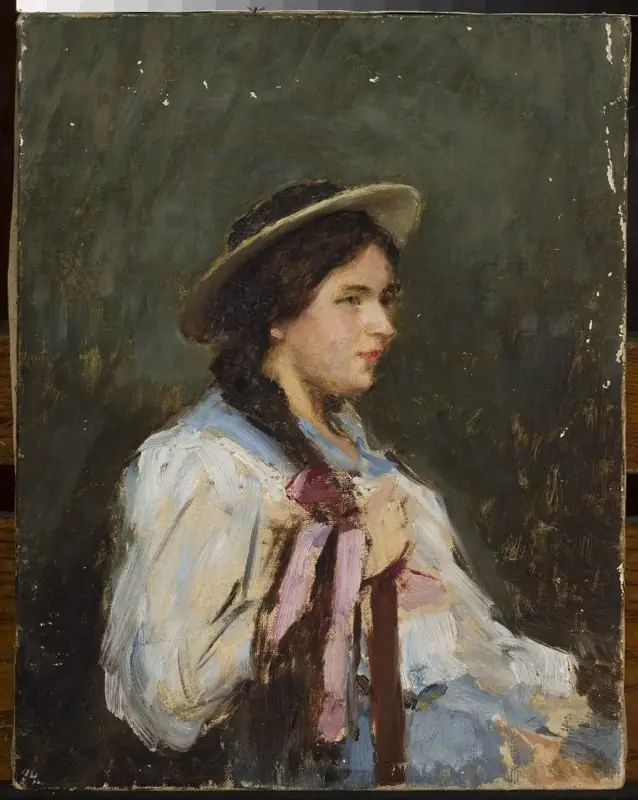
Portret de fetiță
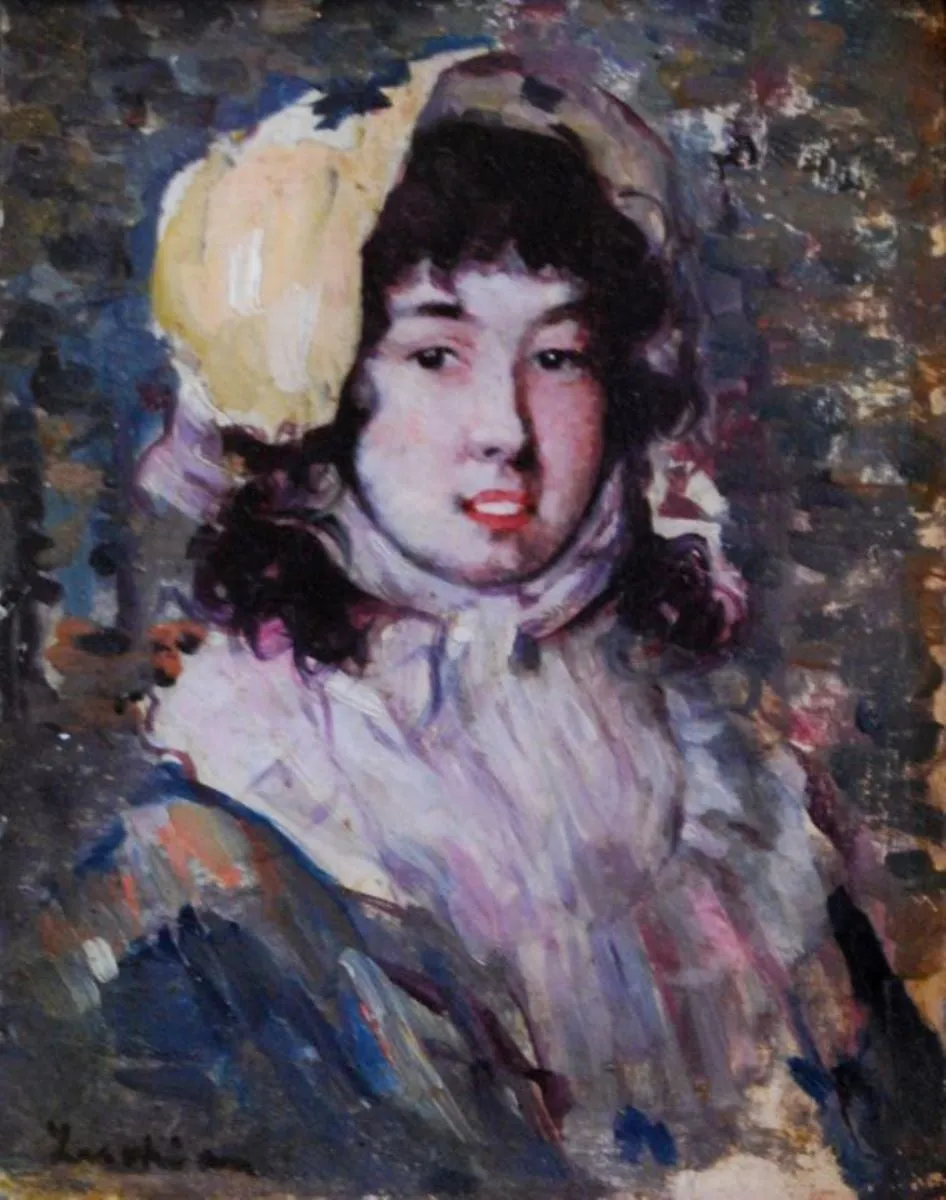
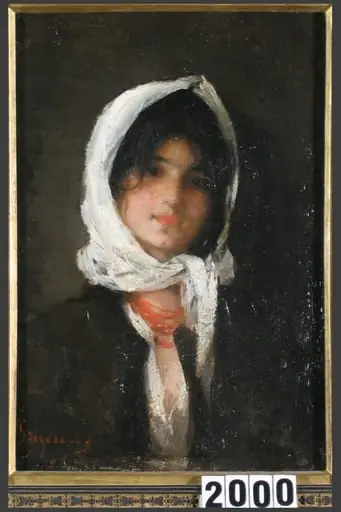
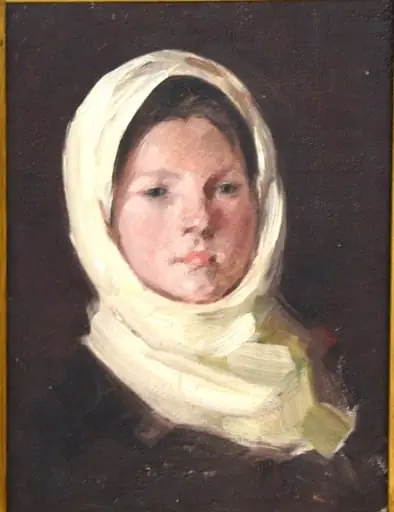
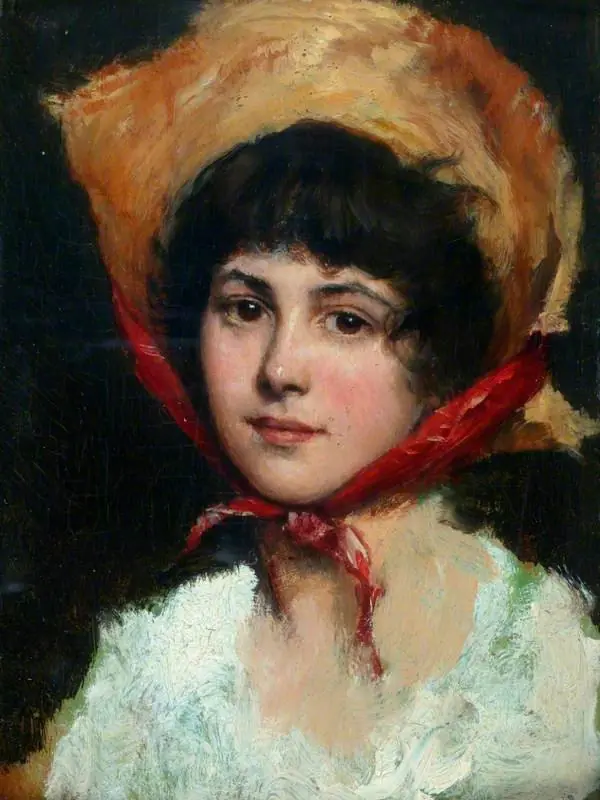
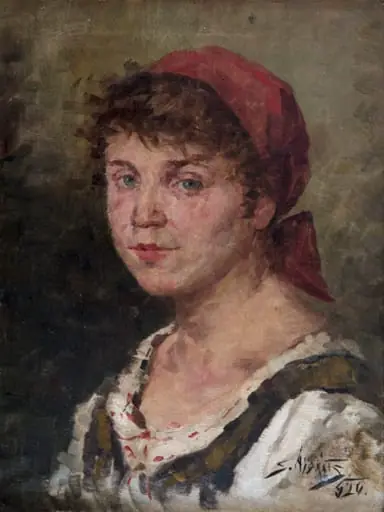
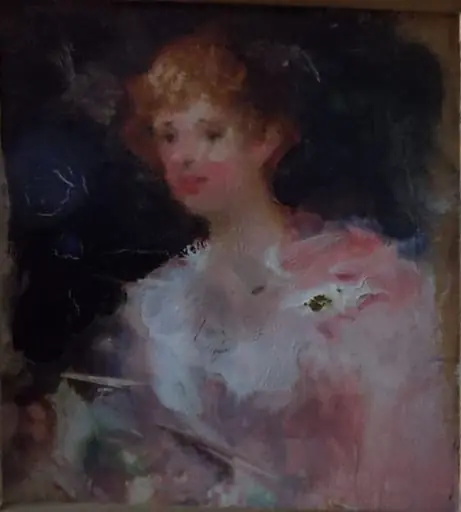
Portret de fetiță is an unspecified painting by the Art Nouveau artist Ștefan Luchian. It dates from 1902 and is held in the collection of the Octavian Goga Memorial Museum.
About this work
Overview
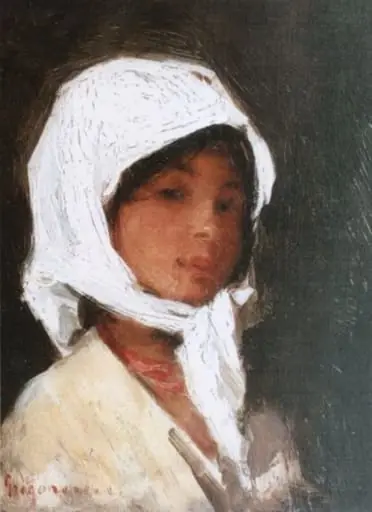
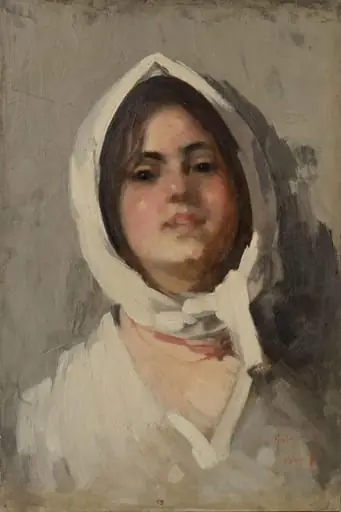
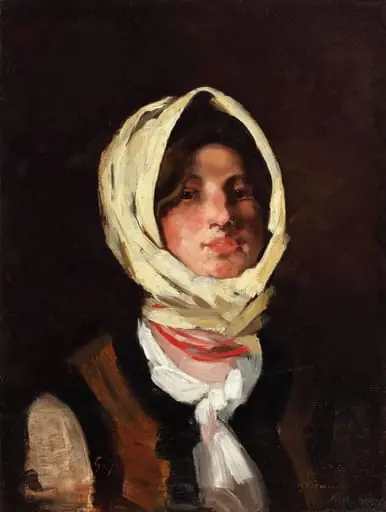
Portret de fetiță, created circa 1902 by Romanian artist Ștefan Luchian, is a portrait of a young girl, characterized by its prominent use of impasto technique. The work is part of the collection at the Museum of Ethnography.
Subject & Meaning
The subject is a dark-haired, pale-faced young girl, dressed in a light-colored, high-collared dress and a wide-brimmed hat, tilted to one side. Her expression and the overall composition convey a sense of quiet contemplation.
Technique & Style
The painting features thick, visible brushstrokes, particularly evident on the girl's hat and dress, achieving a textured, almost tactile quality through the impasto technique, which involves applying paint in heavy, raised layers.
History & Provenance
Created around 1902, the portrait is now housed at the Museum of Ethnography, though specific details about its commission, initial reception, or journey to the museum are not provided.
Context
While specific contextual details about the portrait's creation are scarce, it reflects early 20th-century European portrait trends, with Luchian's impasto technique aligning with broader avant-garde movements emphasizing expressive brushwork.
Legacy
The legacy of 'Portret de fetiță' is intertwined with Luchian's overall contribution to Romanian early 20th-century art, notable for its expressive technique. However, its individual impact or influence on subsequent artists is not widely documented.
Artist & collection

Artist
Ștefan Luchian was a Romanian painter, famous for his landscapes and still life works.