Museum
Romanian Peasant Museum

Image: Wikimedia Commons.
Romanian Peasant Museum is a museum in Bucharest, Romania.
About Romanian Peasant Museum
Overview & Identity
The National Museum of the Romanian Peasant (Muzeul Național al Țăranului Român) is a premier ethnographic institution located in Bucharest, Romania, dedicated to preserving and promoting the traditions, art, and cultural heritage of the Romanian peasantry. Established in its modern form on February 5, 1990, shortly after the fall of the communist regime, the museum operates under the patronage of the Romanian Ministry of Culture. It is recognized as one of Europe's leading museums of popular arts and traditions, having been awarded the European Museum of the Year Award in 1996. The institution functions not merely as a repository of artifacts but as a 'temple of authenticity,' interpreting peasant life as an archetypal model of Romanian identity rather than simple nostalgia.
History & Founding
The museum's origins trace back to 1863 when Alexandru Ioan Cuza issued an ordinance calling for exhibitions of peasant domestic industry, followed by the 1864 founding of the National Museum of Antiquities. In 1906, the Museum of Ethnography, National Art, Decorative and Industrial Art was formally established in the former State Mint building, with art historian Alexandru Tzigara-Samurcaș as its first director. During the Communist era, the building was repurposed to house the Lenin-Stalin Museum and later the Museum of the Romanian Communist Party, while the folk collections were scattered. The institution was re-established in its current form on February 5, 1990, by Minister of Culture Andrei Pleșu, who appointed painter Horia Bernea as director to revive the museum's mission of promoting rural authenticity.
Building & Architecture
The museum is housed in a monumental building constructed between 1912 and 1941 on the site of the former State Mint, designed by architect Nicolae Ghica-Budești. The structure is a significant example of Neo-Romanian architecture, heavily influenced by the Brâncovenesc style, featuring red-brick facades, arched windows, elegant columns, carved balustrades, and a central tower reminiscent of old monastery bell towers. The design was intended to serve as a 'palace of earthly art' and a 'temple' of traditional art, reflecting the vision of Tzigara-Samurcaș to endow peasant culture with a sacred space. A central wing of offices and auxiliary halls was added in the 1960s in a utilitarian style that contrasted with the original architecture. The building is listed as a historic monument by Romania's Ministry of Culture and National Identity.
Collection Highlights
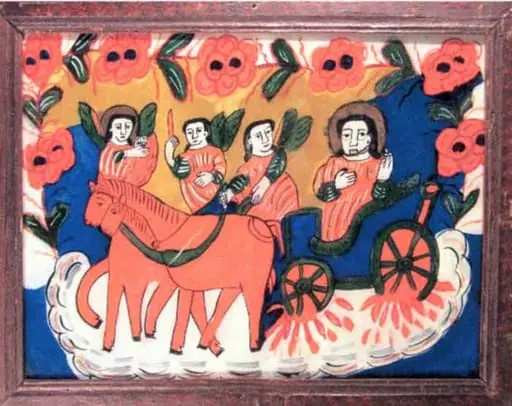
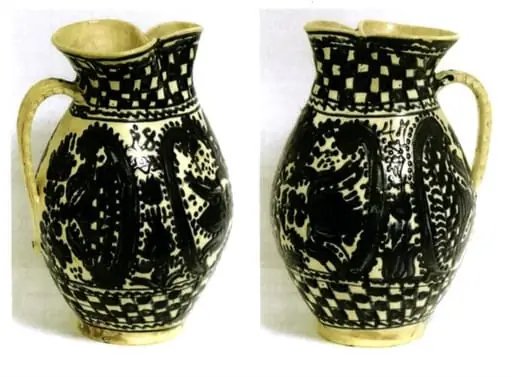
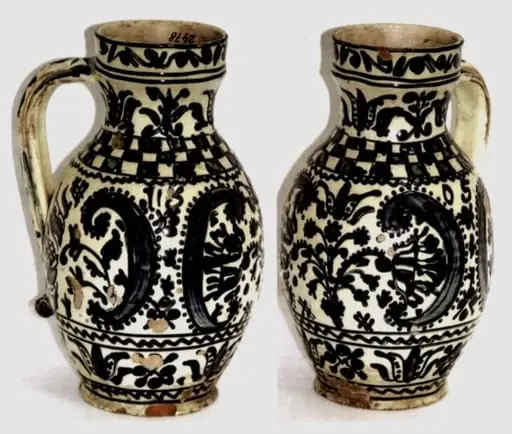
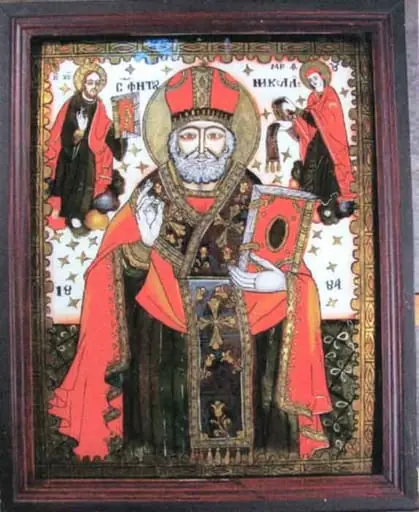
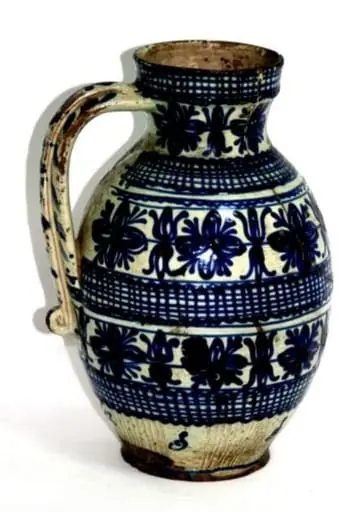
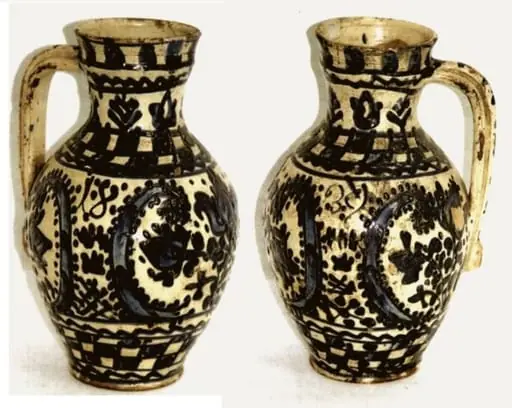
The museum holds a heritage of approximately 90,000 to 100,000 objects representing all Romanian provinces, including ceramics, traditional clothing, textiles, wooden objects, religious artifacts, furniture, and metalwork. The ceramics collection comprises around 18,000 pieces, such as pots for sarmale, milk jugs, and baking molds. The folk costume collection contains about 20,000 pieces dating from the 19th and 20th centuries, while the wood and furniture collection includes around 8,000 objects. A unique and famous exhibit is 'the house in the house,' originally a peasant home from Ceauru village in Gorj County, displayed in a non-naturalistic manner where interior objects are arranged outside and outbuildings are suggested by fragments. The museum also maintains an important collection of religious art, including icons on glass and wood, and a historical photographic archive.
Significance & Legacy
The National Museum of the Romanian Peasant plays a vital role in safeguarding memory and fostering dialogue between rural and urban culture, as well as between the past and present. Its philosophy emphasizes interpreting peasant life as an archetypal model rather than merely presenting the village, aiming to revitalize Romanian tradition for the modern era. The museum engages the public through permanent and temporary exhibitions, creativity workshops for children and students, storytelling, traditional music, and seasonal fairs for Mărțișor, Palm Sunday, and Sânziene. By combining its outstanding collections with a monumental building and lively cultural activities, the museum confirms the spiritual and artistic value of rural creativity as a living force of national identity.
What to see at Romanian Peasant Museum
Start with Sfântul Ilie by 1868.
Plan your visit
Romanian Peasant Museum
- Website
- www.muzeultaranuluiroman.ro
What's on
- Portal InfoFrom 7 Jun 2026
- LABORATOR GDPRFrom 15 Apr 2026
- FEMEIA – AL CINCILEA ANOTIMPFrom 20 May 2026
- PORTRET / ATELIER. OVIDIU SIMIONESCUFrom 20 May 2026
- AMOR – PERIPLU FOTOGRAFIC ÎNTRE ROMÂNIA ȘI ITALIAFrom 3 Jun 2026
- A…B , GDPRFrom 30 May 2026
- Obiecte din Patrimoniul CorecționalFrom 27 May 2026
- Luni si Marți: Închis Kiseleff 3, Sector 1From 7 Jun 2026